Gadgets
fromwww.theguardian.com
3 hours agoThe best USB chargers in the US for phones, laptops, travel and more
USB chargers are essential for powering modern devices, but compatibility varies due to different charging speeds and protocols.
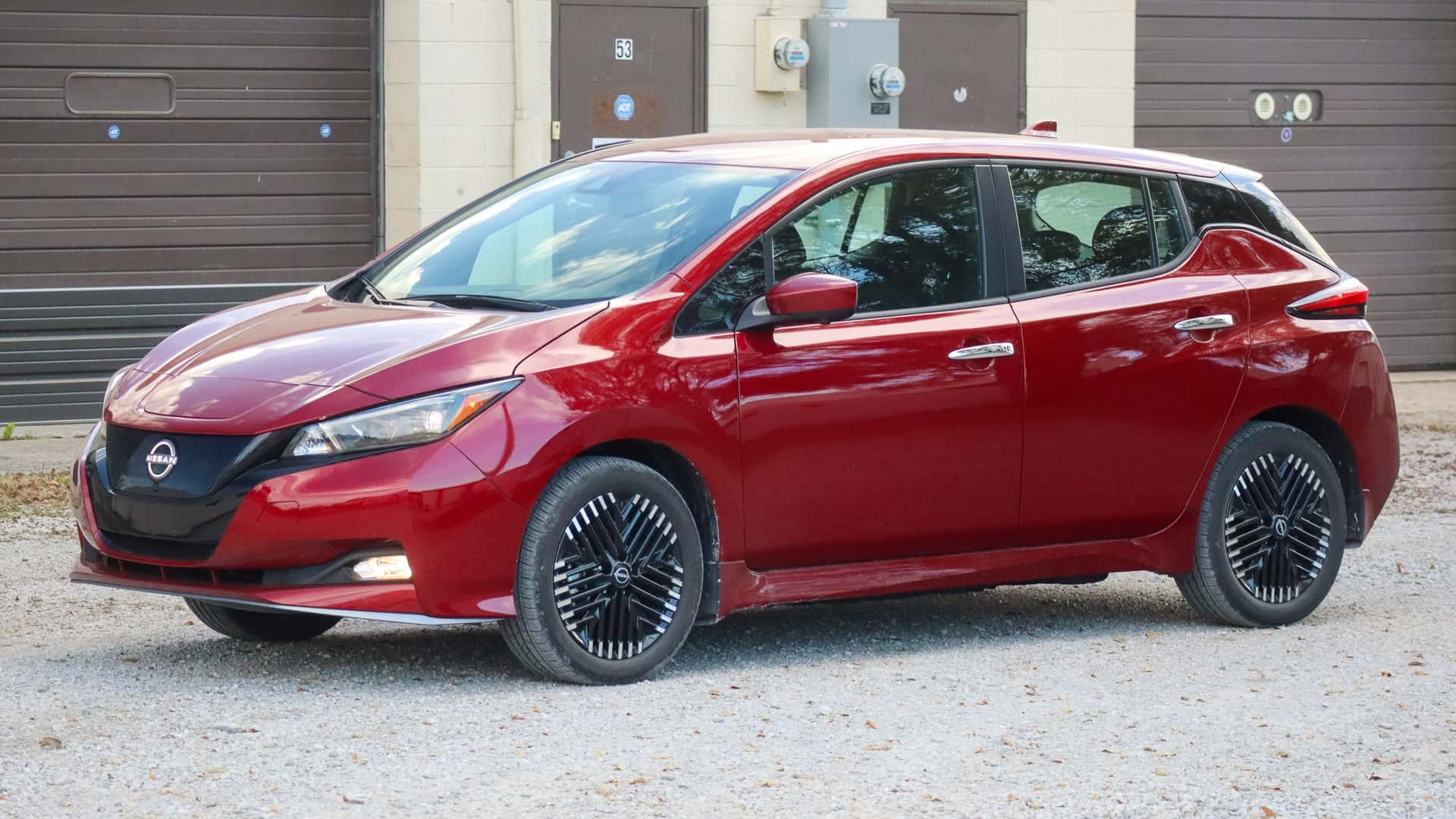
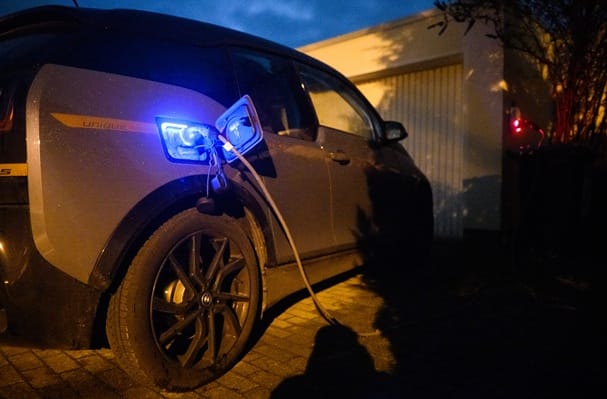
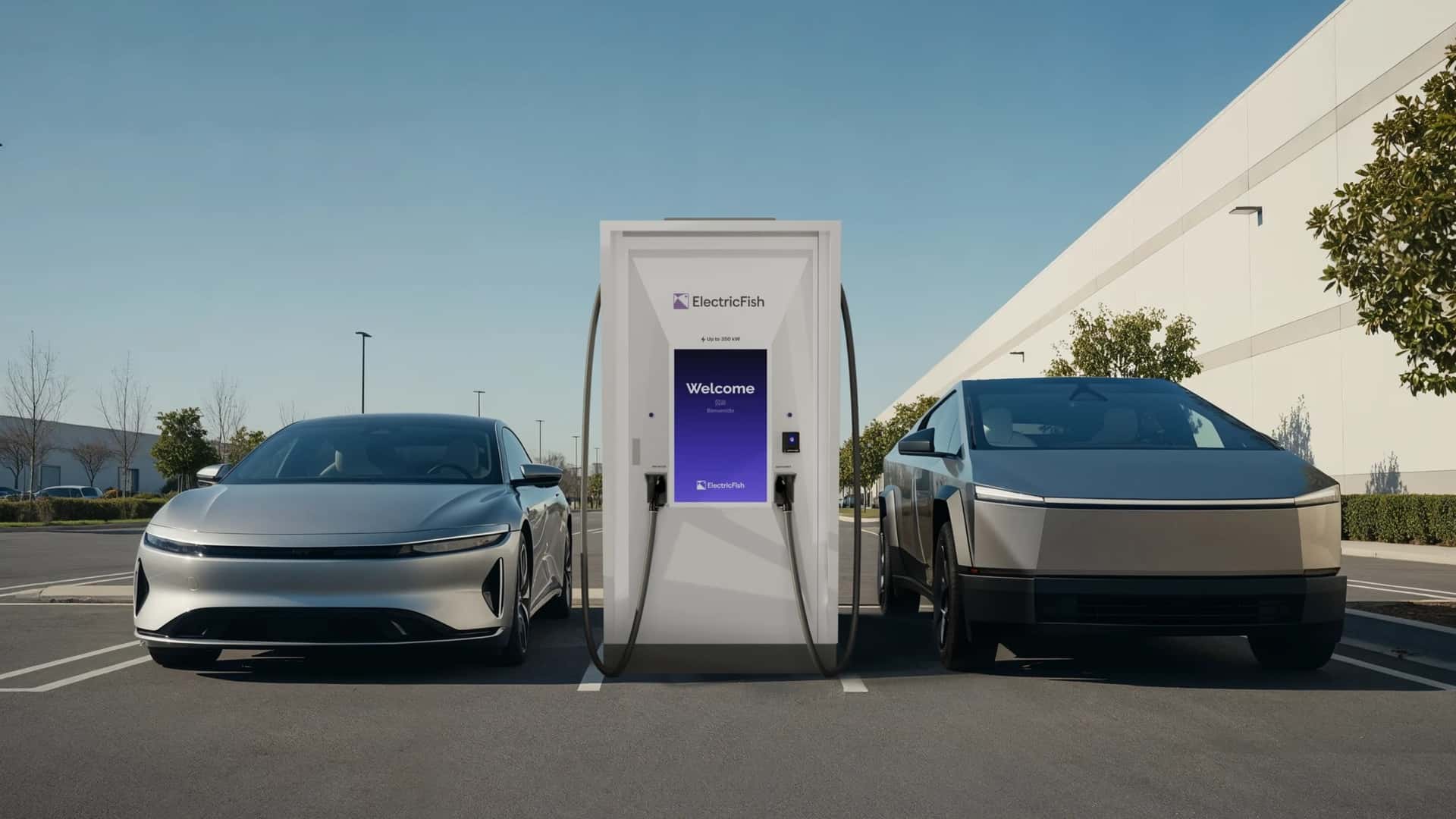
Batteries in electric vehicles that regularly use 100-plus-kilowatts fast chargers degrade faster than those that rely primarily on slow charging, a new study suggests. Using fast chargers more frequently can cause some packs to lose nearly a quarter of their capacity in eight years, it claims. We've seen other studies suggest that fast charging has little impact on long-term battery health, so it's not a settled debate.
CATL says its new 5C batteries will retain 80% of their capacity after 1,400 charge-discharge cycles at 140F (60C). With a theoretical range of 372 miles (600 km) per cycle, that works out to a total of 522,000 miles (840,000 km) in what CATL describes as Dubai summer heat. At a milder ambient temperature of 68F (20C), which is closer to the ideal operating temperature for lithium-ion batteries,
There's a key reason why many EVs are expensive. Economies of scale just haven't kicked in as they have for gas cars. Over 100-plus years of building dino-burners, we've gotten pretty good at every individual part. There are plenty of firms that can build fuel pumps, turbochargers, alternators, and radiators at scale, leveraging hundreds of thousand-unit volumes to drive per-unit costs down.
The USB cable tester is a small box measuring 2.9 x 2.5 x 0.5 inches and features an array of ports. There are USB-C and USB-A output ports and corresponding USB-C, Lightning, miniUSB, and microUSB 2.0 and microUSB 3.0 input ports to testing cables. This means the tester can accommodate any cable with the respective output and input port. The unit is powered by a single AAA battery, or alternatively you can use USB-C input.
Charging phones and portable devices has become one of the most routine actions of modern life. From the moment we wake up to the time we go to sleep, our devices depend on reliable power. We charge at home, in offices, cafés, airports, hotels, libraries, and public transportation spaces. Despite how frequently charging occurs, the physical environments designed to support it often feel like an afterthought.
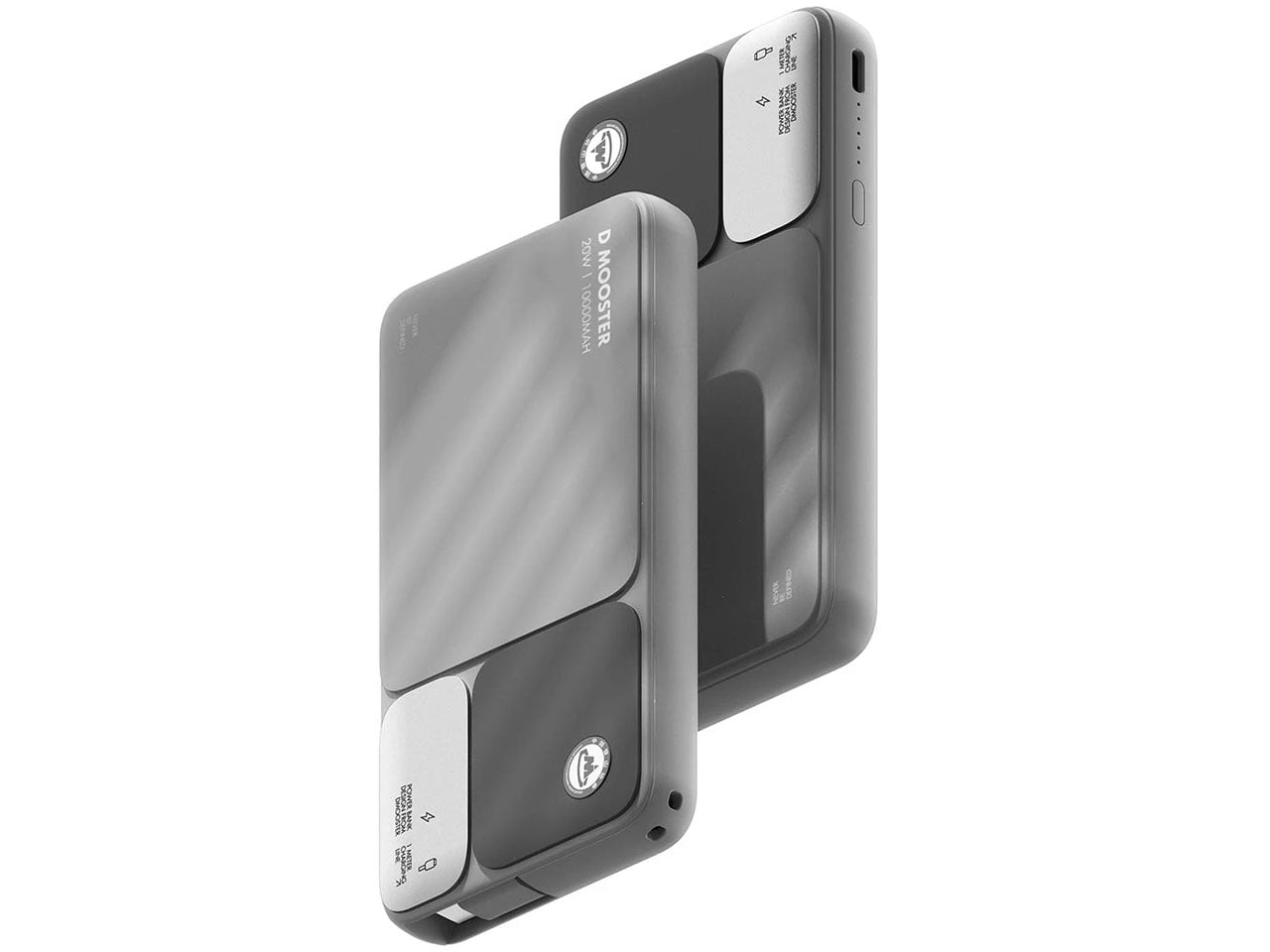
There are a few things that I look for in a decent portable power bank. First, it has to do what it says on the box. If the battery capacity and power outputs aren't to spec, I don't want it. On top of that, wireless charging is a nice touch, as is a built-in cable. This is exactly what the Cuktech 10,000mAh power bank offers.
First off, this cable does everything it says it on the spec sheet. It actually carries 240W of power, which is saying something, as you'd be amazed how may I came across make that claim but in practice are limited to 100W, or even 60W. In my testing, however, I confirmed it can carry data at 40Gbps and video at 8K 60Hz, and is compatible with Thunderbolt 4 standards.
Apple introduced MagSafe wireless charging in 2020 with the iPhone 12 series. In contrast to regular wireless charging, it uses magnets rather than relying on manual alignment between the charging coils or on gravity to keep the phone and charger together. It is a simple, cheap and effective solution. So why is it that smartphone makers have been so reluctant to adopt it, even years after the Qi standard officially added a Magnetic Charging Profile?
It's already on sale for $30, which is a discount of $10. These are preorders, however, with shipments officially going out on January 20. The 45W charger includes a screen that displays real-time data like power flow, temperature and charging status. It also features "fun animations to keep things cheerful." Anker says it can recognize what's being charged and automatically adjust certain metrics to ensure a longer battery lifespan.