#chicken-thawing-methods
#chicken-thawing-methods
[ follow ]
Remodel
fromTasting Table
3 weeks ago'Burping' Isn't Just For Infants. Turns Out It Benefits Your Kitchen, Too - Tasting Table
House burping, a trend of regularly ventilating homes by opening windows and doors, originated in Germany centuries ago and may help reduce mold and improve indoor air quality.
fromTasting Table
4 weeks agoThis Is What You Should Do With Potatoes That Have Sprouted - Tasting Table
Potato sprouts contain compounds (specifically glycoalkaloids like solanine and chaconine), which stick in the potatoes' skin and become toxic in the body when consumed in large quantities, leading to an upset stomach or indigestion. However, it's worth noting that potatoes already contain glycoalkaloids - the compound is just more concentrated in the sprouts.
Agriculture
#food-safety
Berlin food
fromTasting Table
1 month agoThe One Container You Should Never Use For Raw Meat, According To A Food Scientist - Tasting Table
Plastic food storage containers are porous and harbor bacteria more readily than glass or stainless steel, making them less safe for storing raw meat and other foods.

Berlin food
fromTasting Table
1 month agoThe One Container You Should Never Use For Raw Meat, According To A Food Scientist - Tasting Table
Plastic food storage containers are porous and harbor bacteria more readily than glass or stainless steel, making them less safe for storing raw meat and other foods.
fromTasting Table
1 month agoShould You Remove Raw Meat From Its Packaging Before Storing? - Tasting Table
According to the United States Department of Agriculture (USDA), all ground meat, as well as poultry (even those with longer expiration dates) should be used or frozen within the first 48 hours of coming home from the store. Raw steaks, pork chops, and roasts can go a bit longer, at three to five days.
Miscellaneous
Everyday cooking
fromTasting Table
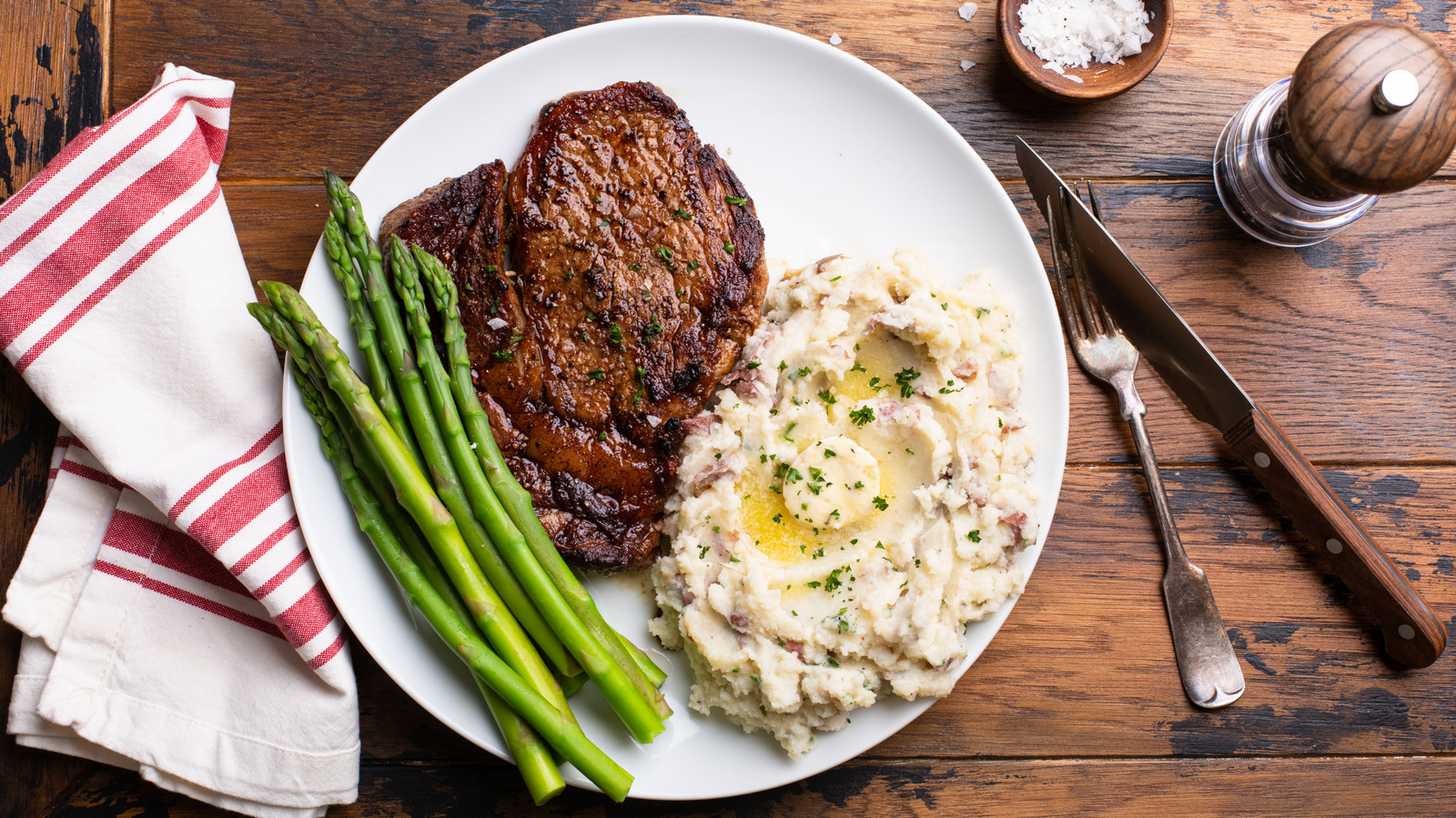
2 weeks agoAlton Brown's Method For Drying Steak In The Fridge Uses This Household Gadget - Tasting Table
Dry-brining steak with kosher salt on a wire rack in the fridge for 8-12 hours, enhanced by a small fan for air circulation, creates a crispy crust and tender, flavorful meat.
Cooking
fromTasting Table
2 weeks agoThe Genius Way To Make Crispy Chicken In The Slow Cooker - Tasting Table
Slow cookers can produce tender, juicy chicken with crispy skin by cooking without added liquid, allowing the meat's natural juices to render while the skin browns through the Maillard reaction.
Cooking
fromTasting Table
2 weeks ago14 Mistakes Everyone Makes With Cauliflower - Tasting Table
Proper cooking techniques transform cauliflower from mushy and rubbery into flavorful and tender; avoiding common mistakes like microwave steaming and using stovetop steamers preserves nutrients and natural flavors.
fromTasting Table
3 weeks agoTips For Making Perfect Chicken Soup - Tasting Table
Bones give the broth body, and dark meat adds richness. While white meat chicken, say from the breast of leftover rotisserie chicken, may be easy to add to your soup, it won't give you great depth of flavor like a drumstick would. She prefers to keep the skin on and the bones in as the meat cooks in the soup, noting that any excess fat can be skimmed off prior to serving.
Cooking
Everyday cooking
fromTasting Table
1 month agoSkip The Microwave And Reheat Leftovers This Way For Even Heating - Tasting Table
Convection ovens reheat leftovers more effectively than microwaves by circulating hot air for even heating and crispy exteriors, and air fryers function as accessible convection ovens for home kitchens.
fromTasting Table
3 weeks agoTrust Us, You Should Never Make Scrambled Eggs In Advance - Tasting Table
Eggs cook so quickly, you aren't going to save any time by cooking them in large batches and then heating some up each morning. In the time it would take to reheat them, you could just cook a fresh batch.
Cooking
Everyday cooking
fromBusiness Insider
1 month agoI tested 3 popular ways to batch cook eggs - there's just one method I'll use for all of my future meal prepping
Sheet-pan eggs proved superior to muffin and omelette methods for batch-prepared breakfast, offering consistent results and practical reusability.
fromTasting Table
2 months agoThe Prime Rib Rule Experienced Cooks Swear By For Perfect Results - Tasting Table
Prime rib is one of those dishes usually reserved for special occasions and holiday meals, and for good reason. The cut of beef from atop a cow's rib bones is known for its undeniably tender and juicy texture. However, large cuts of beef can easily turn chewy or overcooked if you're not vigilant while they cook in the oven. This means watching factors like time and temperature.
Food & drink
fromTasting Table
1 month ago3 Common Mistakes Everyone Makes Freezing Seafood - Tasting Table
Freezing seafood seems like it should be a two-step process: open freezer, put fish in, but it's deceptively unforgiving. Fish and shellfish are mostly water (just like us!), with delicate muscle fibers and comparatively low connective tissue, which means small mistakes in freezing technique have noticeable quality consequences once thawed. Unlike red meat, which has a dense structure and intramuscular fat to buffer damage, seafood can't hide any missteps,
Cooking
fromTasting Table
2 months agoDeboning Rotisserie Chicken Is A Breeze (If You Follow This Hot Tip) - Tasting Table
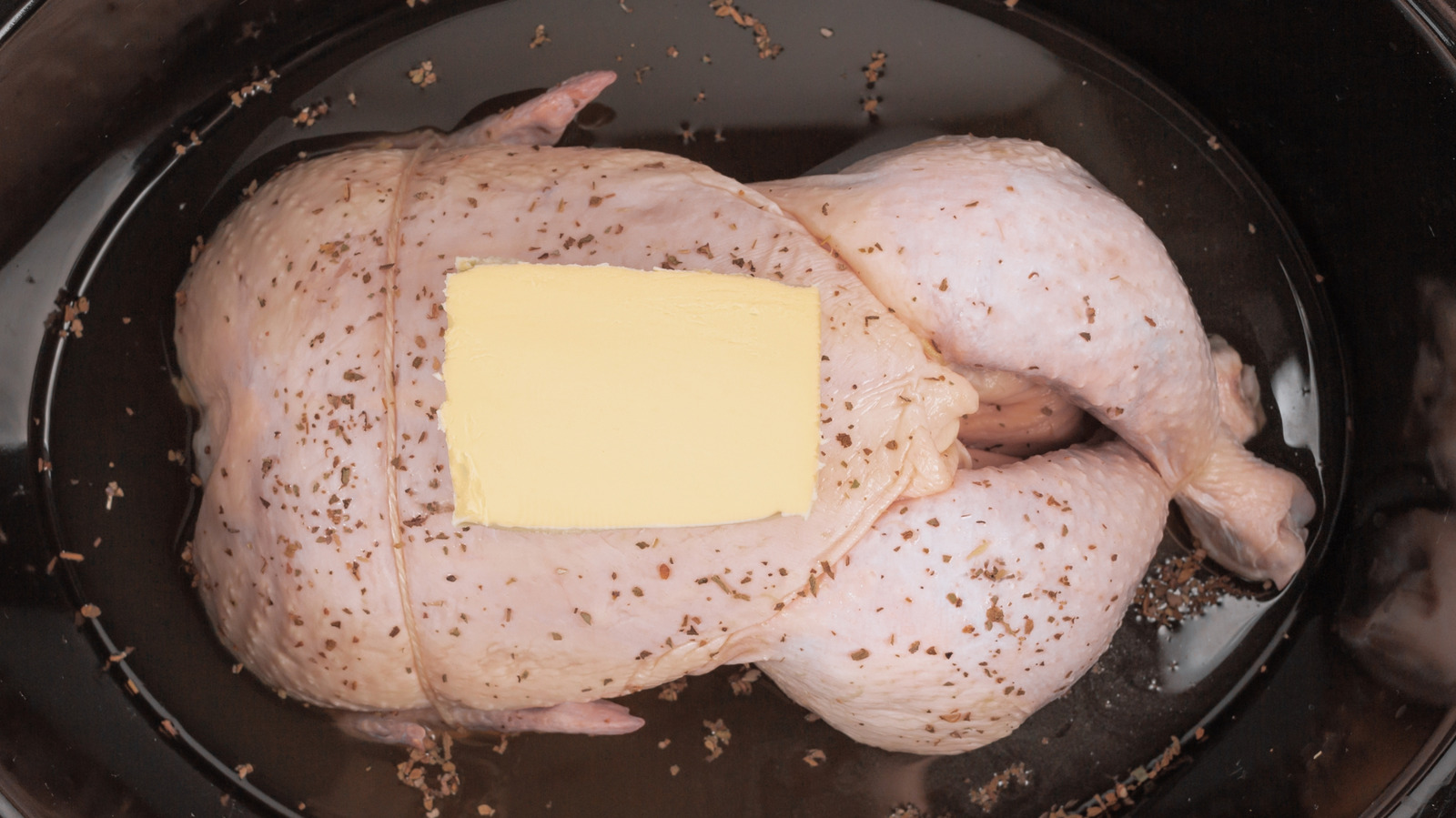
While some recent viral hacks suggest placing the chicken in a sealable plastic bag and to essentially smash it apart, this is neither efficient nor effective. Carefully separating the meat from the bones while your rotisserie chicken is still hot is the most logical choice, since everything is still fairly pliable; once the chicken cools and the fats congeal, it's considerably more difficult.
Cooking
fromTasting Table
1 month agoA Personal Chef Explains The Problem With Eggs And Cast Iron - Tasting Table
Whether donning an apron at home or in a Michelin-starred restaurant, pretty much everyone agrees on the merits of cooking with cast-iron pans. They've been around for generations, passed down like an heirloom and fired up for all kinds of meals, from everyday comfort food to special company-is-coming fare. But there's one thing that needs to be acknowledged: it's not ideal for everything - specifically, cooking eggs.
Cooking
fromTasting Table
2 months agoThe Type Of Beef You Should Always Truss Before Cooking - Tasting Table
"Fold maybe 6-8 inches of that tapered in back on itself and tie it off. That will make the skinny end much closer to the thickness of the fat end and allow for the roast to cook evenly," he says. "Trussing the rest of the tenderloin with tight circles of butcher's twine every couple inches will also keep the tenderloin round rather than allowing it to flatten out, which will also help with cooking evenly."
Cooking
[ Load more ]