Business
from24/7 Wall St.
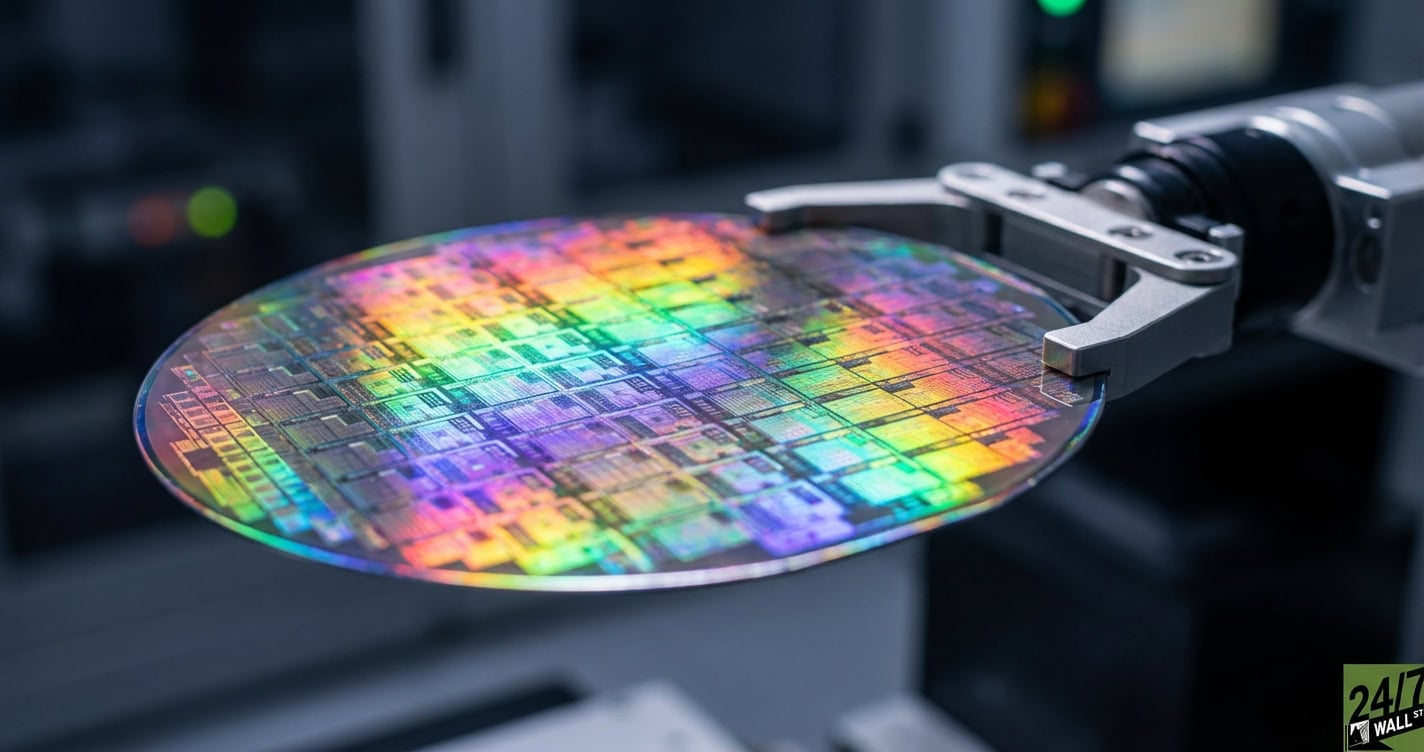
1 day agoHow Big Will Taiwan Semiconductor's Beat Be on April 16?
Taiwan Semiconductor Manufacturing is expected to report strong Q1 2026 results, driven by high AI demand and significant revenue growth.
In recent weeks, China approved the world's first commercial brain-computer interface medical device and unveiled a five-ton class electric vertical takeoff and landing aircraft that has already completed a public flight.
Nexchip Semiconductor is seeking a dual listing alongside its existing Shanghai shares, a move designed to tap international capital for what amounts to an industrial expansion of extraordinary scale.
The need for higher performance and more energy-efficient chips is driving high growth rates for leading-edge logic, high-bandwidth memory and advanced packaging. These are areas where Applied is the process equipment leader, and we expect to grow our semiconductor equipment business over 20 percent this calendar year.
Global helium consumption runs about 6 billion cubic feet per year. Qatar supplied a big slice until this month. With one-third of output sidelined, prices have already soared.
Our custom accelerator business is progressing very well across five customers. Anthropic will soon implement one gigawatt of Broadcom-baked TPUs, and we expect the AI company plans a three-gigawatt deployment in 2027. Meta will install multiple gigawatts of Broadcom's XPU accelerators in 2027 and beyond. OpenAI will deploy over one gigawatt of compute capacity based on custom XPUs in 2027.
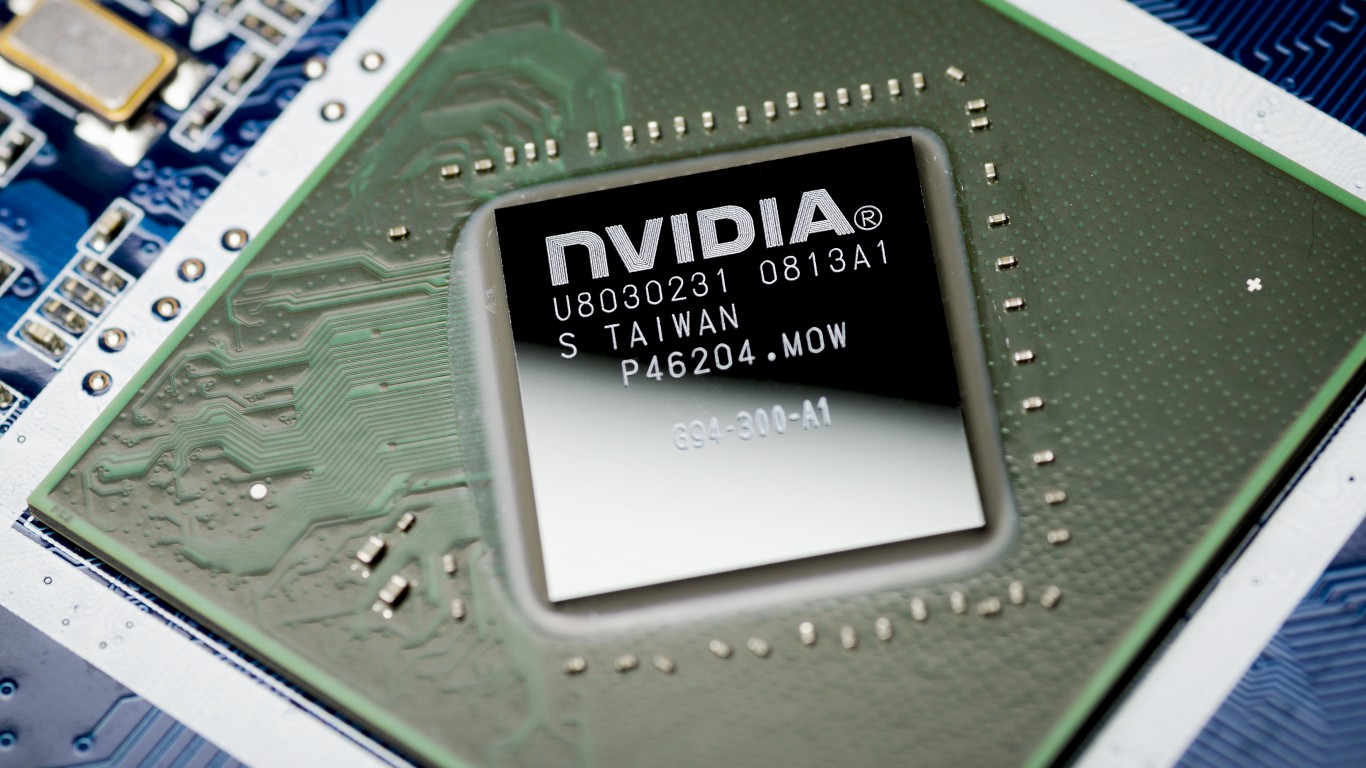
U.S. regulators have allegedly drafted rules that would require U.S. government approval to ship AI chips anywhere outside the U.S., according to Bloomberg, citing sources. This would give the U.S. significantly more control over companies like AMD and Nvidia.
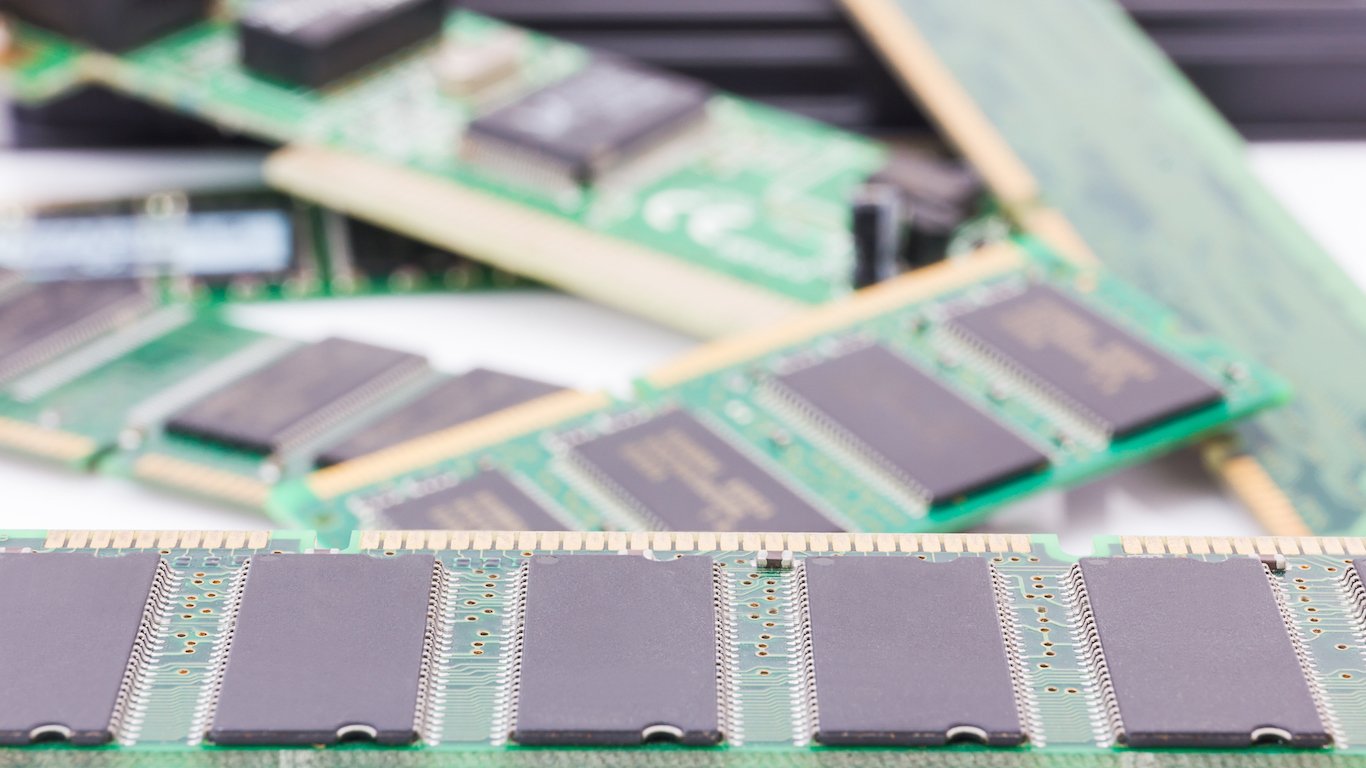
US PC shipments are set to fall by 13 percent this year thanks to the ongoing memory and storage crisis, with budget PCs hardest hit. Memory and storage costs will see at least a 60 percent increase during Q1 2026, compounding last year's rises of 40 to 70 percent.
The gold rush across the high-end processor market might help Apple's processor manufacturing partner, TSMC, drive harder bargains than in the past. That's because Apple's huge appetite for processors is being met by fast-growing demand for chips for servers. As a result, the cost of the chips used inside Macs, iPads, and iPhones will likely increase, putting even more inflationary pressure on Cupertino's bottom line.
Taiwan Semiconductor Manufacturing Company (NYSE:TSM) is expanding production of advanced AI semiconductors to Japan, marking a significant geographic diversification for the world's leading chipmaker. The move addresses surging demand for cutting-edge chips while reducing geopolitical risk tied to Taiwan-based manufacturing. The expansion comes as TSMC reported Q4 2025 revenue of $33.73 billion, up 20.5% year-over-year, with net income climbing 35% to $15.2 billion.
Alphabet ( NASDAQ:GOOG )( NASDAQ:GOOGL ) has reportedly reduced its 2026 production target for Tensor Processing Units from around 4 million to 3 million units. According to a report by Korea Economic Daily, this adjustment stems from limited access to Taiwan Semiconductor's CoWoS advanced packaging capacity, which Nvidia ( NASDAQ:NVDA ) secured through priority allocations. CoWoS integrates processors with high-bandwidth memory on a silicon interposer, essential for high-performance AI accelerators. Without sufficient capacity, finished chips cannot deploy at scale. Other outlets have reported on production caps previously.
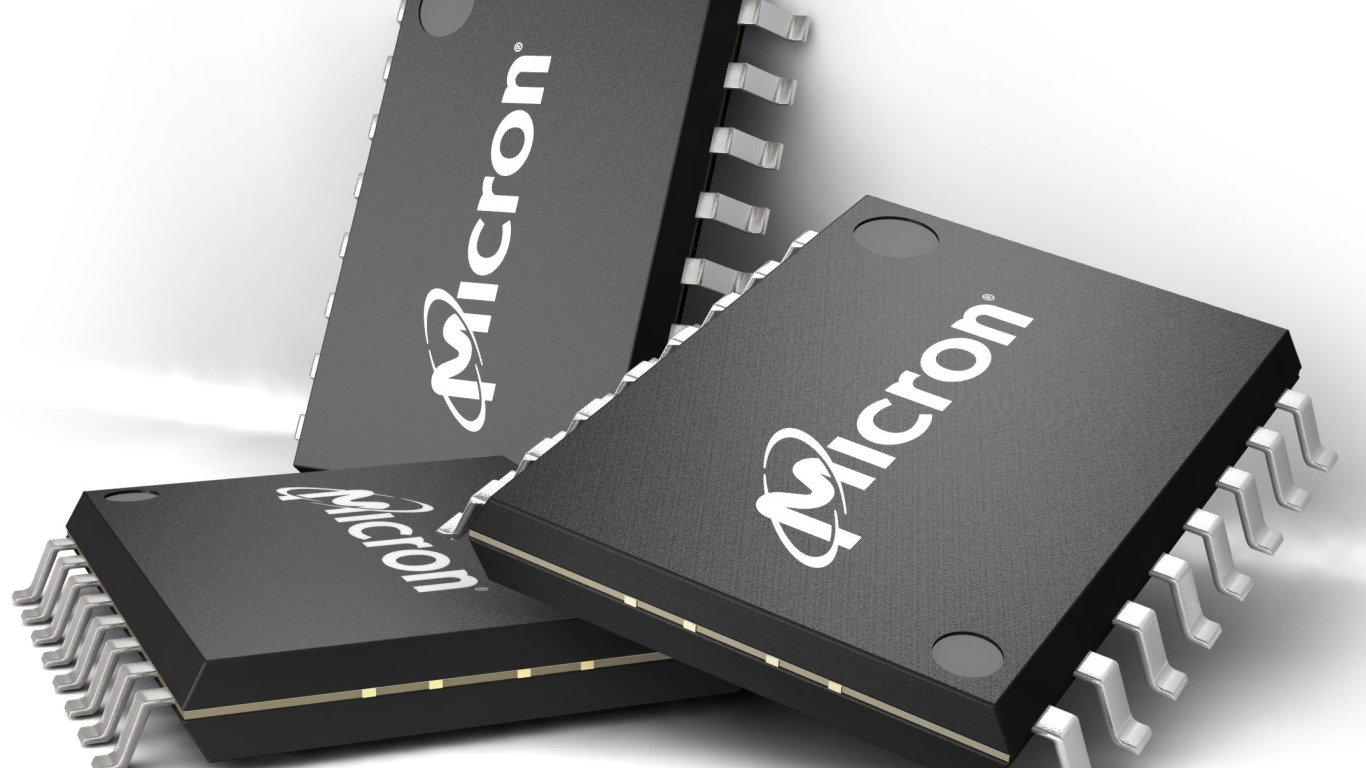
The memory chip stocks have been really heating up to start the year, thanks in part to the AI-driven RAM shortage, which could last well into the year's end and perhaps beyond. Undoubtedly, AI demand is showing no signs of slowing down, and as the high-performance memory needs continue to blast off, questions linger as to how the top memory players can step up to meet the needs of this unprecedented boom.