#circadian-science
#circadian-science
[ follow ]
#mental-health #sleep #circadian-rhythm #sleep-quality #sleep-hygiene #productivity #morning-routine #sleep-health
#morning-routine

Digital life
fromSilicon Canals
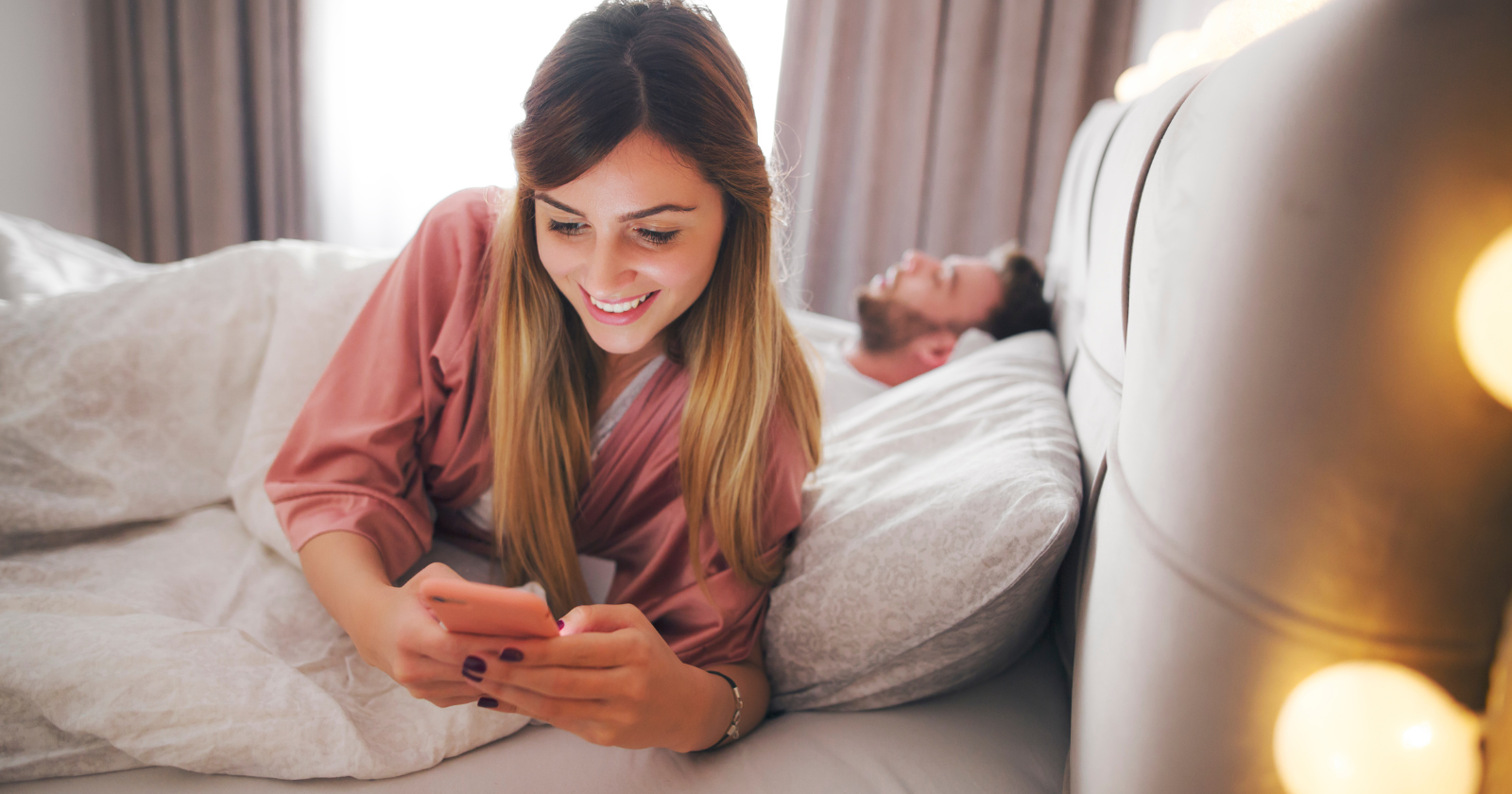
1 day agoPeople who check their phone within five minutes of waking up are training their brain to start every day in reaction mode - and it's costing them more than they realize - Silicon Canals
Starting the day with phone use can negatively impact mental state and set a stressful tone for the day.
#procrastination
Psychology
fromSilicon Canals
13 hours agoPsychology says adults who struggle with procrastination aren't avoiding the task - they're avoiding the version of themselves who might fail at it - Silicon Canals
Procrastination often stems from a fear of failure rather than laziness or poor time management.



Mindfulness
fromSilicon Canals
2 days agoPsychology says the most important life lesson isn't learning to make better decisions - it's learning to live peacefully with the ones you can't undo - Silicon Canals
Irreversible choices shape our lives and learning to coexist with them is crucial for mental well-being.

Psychology
fromSilicon Canals
4 days agoPsychology suggests if you still write things down on paper instead of your phone you aren't resisting progress - you've found something that works and are practicing the increasingly rare skill of not replacing it simply because something newer arrived, and that skill, applied consistently, turns out to predict a surprising number of other things about how you make decisions - Silicon Canals
Handwriting enhances cognitive engagement and memory retention compared to typing, leading to better decision-making and creativity.

#morning-routines
Mindfulness
fromSilicon Canals
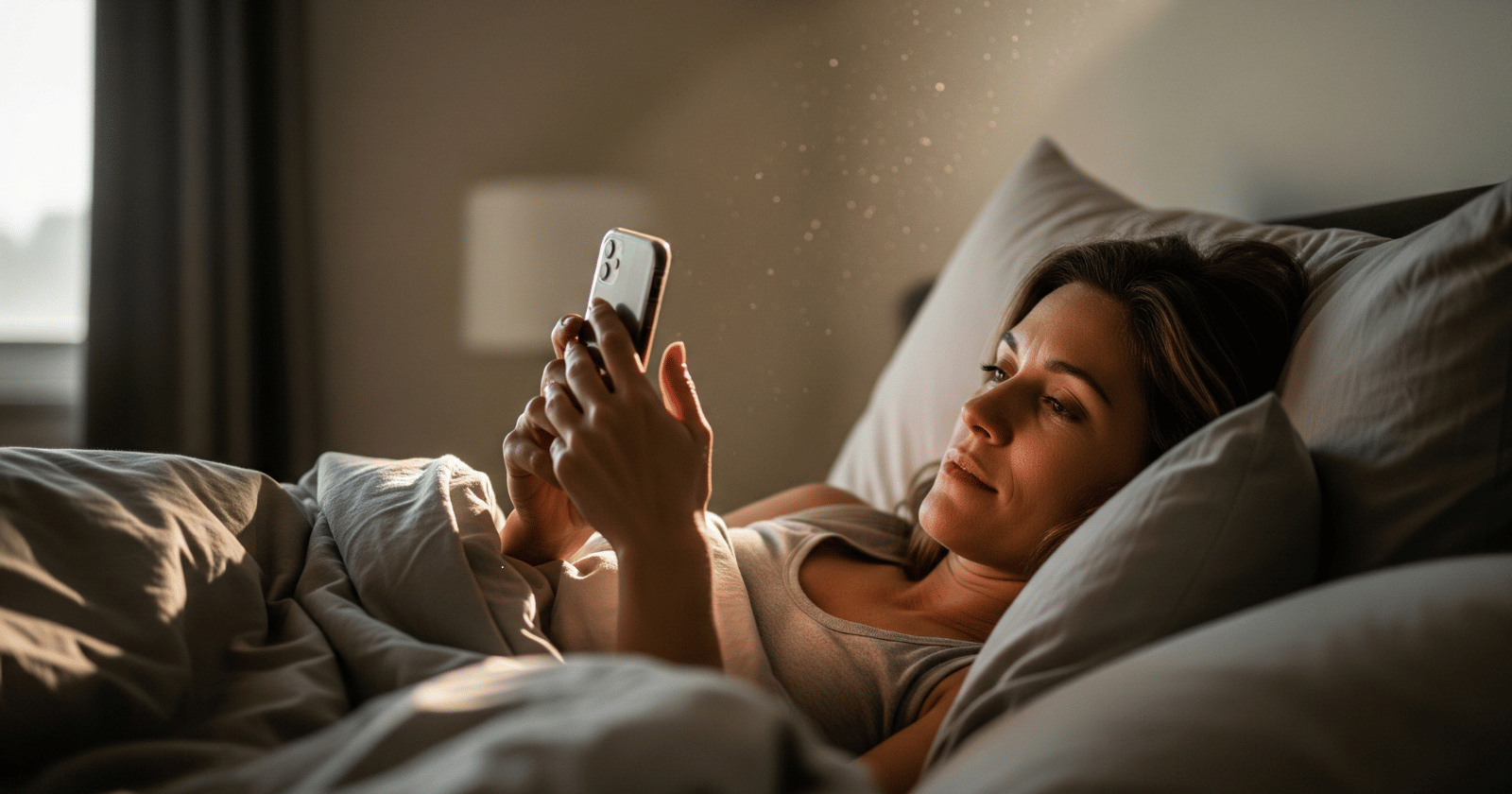
4 days agoThe difference between people who actually change their lives and people who just talk about it almost always comes down to what they do in the first 90 seconds after waking up - Silicon Canals
The first 90 seconds after waking significantly influence the rest of the day, often leading to reactive behavior if not managed properly.
Mindfulness
fromSilicon Canals
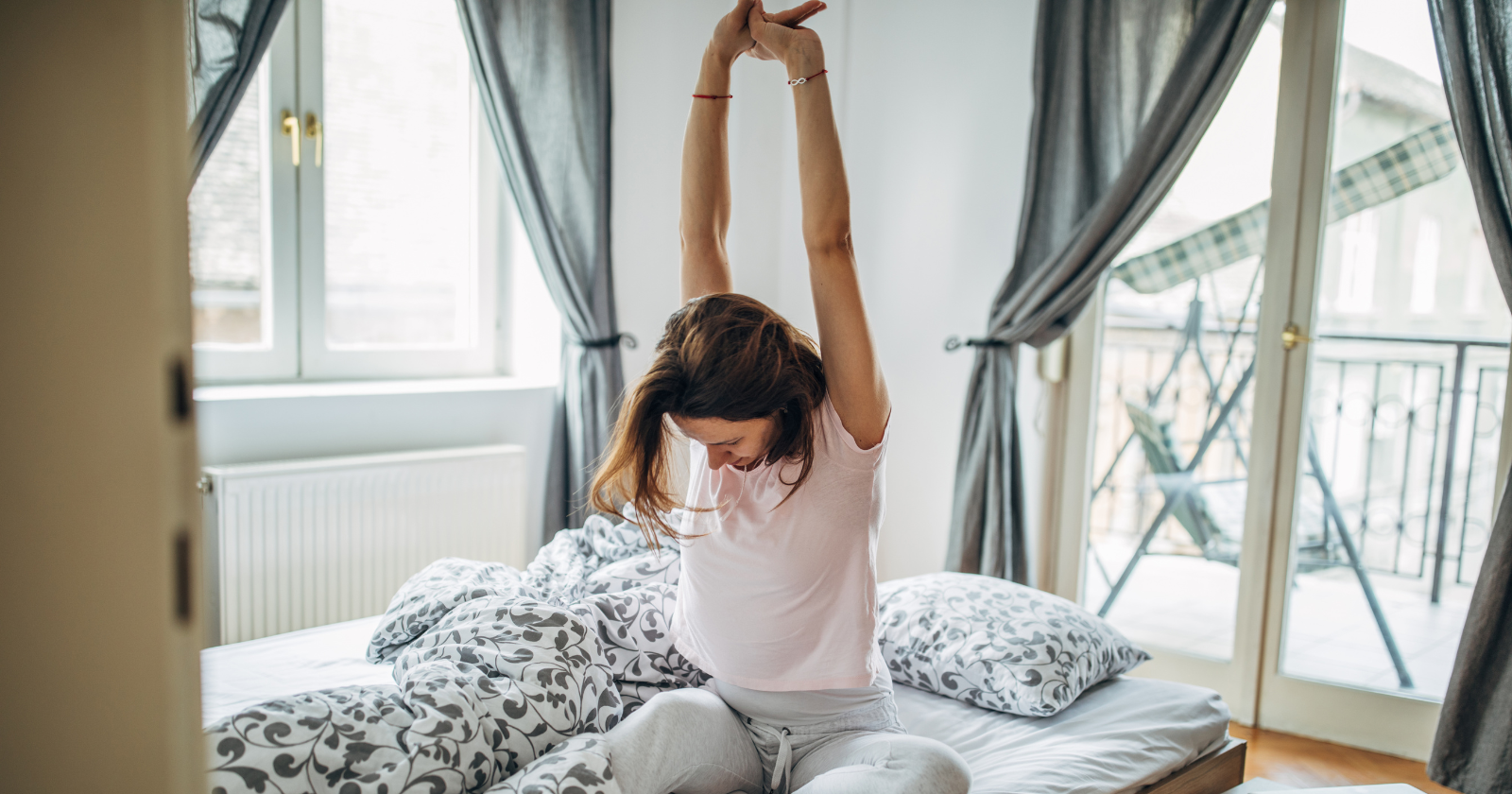
4 days agoThe difference between people who actually change their lives and people who just talk about it almost always comes down to what they do in the first 90 seconds after waking up - Silicon Canals
The first 90 seconds after waking significantly influence the rest of the day, often leading to reactive behavior if not managed properly.
Mental health
fromScary Mommy
3 weeks agoHere's Why Your Brain Hits "GO" On Every Anxious Thought Right When You Want To Sleep
Nighttime anxiety spikes are normal and caused by factors like blood sugar dysregulation, reduced distractions, and the brain's protective mechanisms becoming hyperactive in darkness and quiet.
Mindfulness
fromSilicon Canals
3 weeks agoPsychology says people who make their bed every single morning without fail aren't doing it for neatness-they're starting the day with the only act of completion their nervous system trusts because at some point in their life the world became unpredictable and one finished task before 7 AM became the ritual that tells their body today might be okay - Silicon Canals
Making your bed daily provides psychological control and stability during chaos, triggering dopamine release and calming an anxious nervous system by proving you can complete tasks.
fromThe Wire Magazine - Adventures In Modern Music
2 months agoProcess of Time - The Wire
Here, in the omphalos of the newly-minted Commie Corridor was a display of cultural force every bit as robust as the political one which had recently vaulted socialist Zohran Mamdani to the Democratic nomination (and, in short order, the mayoralty). So why, then, as the Rochdale duo took the stage in their preferred semi-darkness, was the atmosphere cut with an unmistakable current of dread?
Music
fromBusiness Insider
1 month agoI used to be proud of only sleeping 3 hours because I worked so much. Now I realize health is freedom, not wealth.
I used to brag about how little sleep I got. It felt like a superpower: I could sleep just three or four hours a night, and still operate at a very high level. That helped me get ahead early on. As a teen, I bused tables and sold firewood. By the time I was 19, I bought a house (which was possible because it was the subprime mortgage days). Having a mortgage gave me real responsibility at a young age.
Real estate
Gadgets
fromEngadget
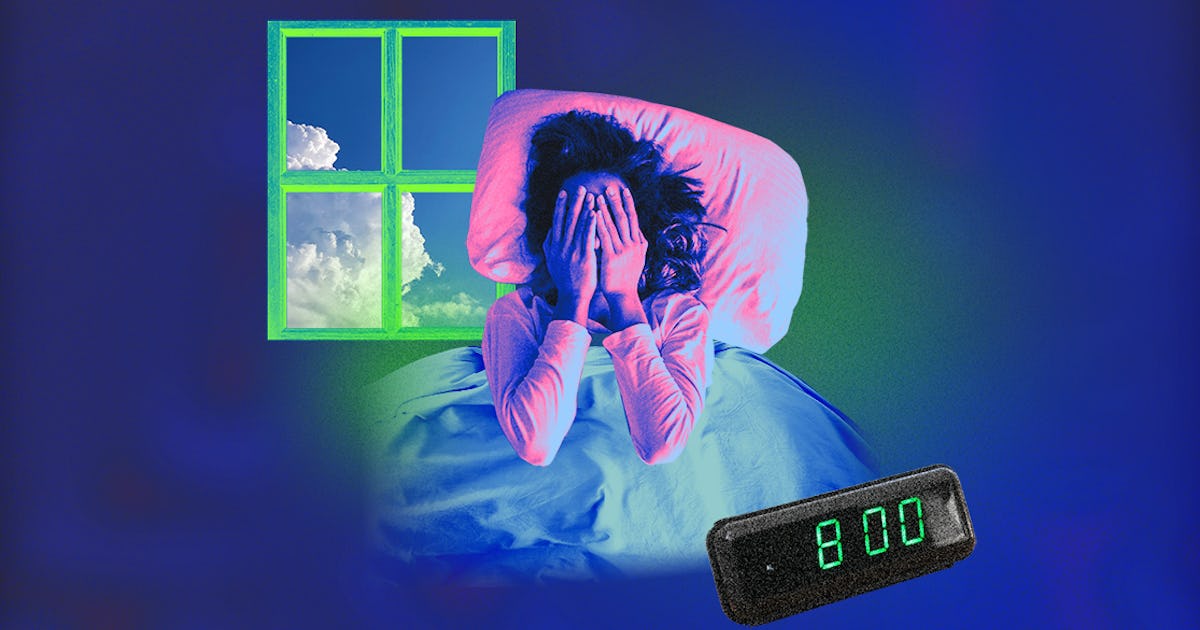
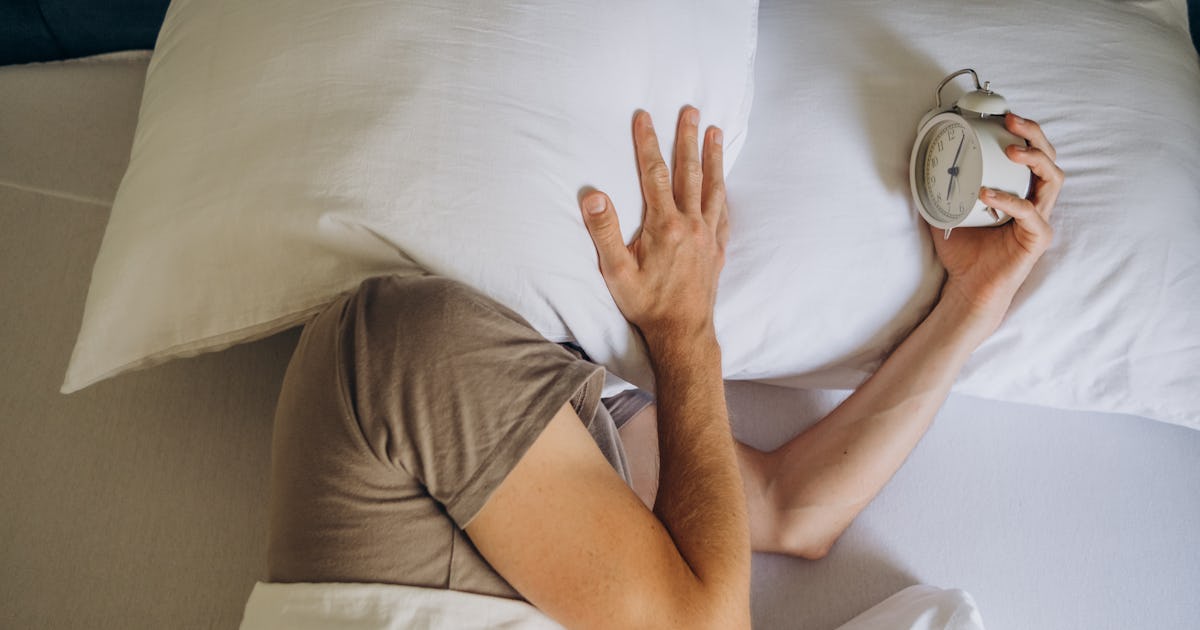
2 months agoThis tabletop sleep device and sunrise alarm clock aims to help you put your phone away before bed
Dreamie is a standalone bedside device providing customizable phone-free sleep and wake routines with soundscapes, sensors, on-device controls, dynamic lighting and no subscription.
Public health
fromwww.theguardian.com
2 months agoSleep, stress and sunshine: endocrinologists on 11 ways to look after your metabolism
Hormone levels, particularly insulin, determine metabolic rate and energy use; high insulin promotes fat storage, slows metabolism, and fuels weight gain and metabolic disease.
fromPsychology Today
1 month agoWhen Sleep Banking May Be A Viable Strategy
Sleep banking is essentially extending your normal sleep hours in the nights leading up to a known period of sleep deprivation. On the face of it, it appears unlikely banking sleep could counter the decreased alertness and other cognitive decrements that we experience when deprived of sleep, or stop that strong sensation we get when our body wants sleep.
Health
fromwww.npr.org
2 months ago4 ways to beat the anxiety of insomnia and get back to sleep
"I started getting into the frame of mind most people get sucked into. I worried, 'What's going on? Is there something wrong with me?'" he says. That fear of not being able to sleep is a phenomenon called "sleep anxiety," says Orma, who went on to become a specialist in insomnia treatment. Left untreated, that anxiety can prevent people from actually falling asleep. "The more you focus on it, the less chance you'll sleep, which then makes you more anxious. That's the cycle that spins," he says.
US news
Wellness
fromSilicon Canals
1 month agoIf you wake up exhausted even after 8 hours of sleep, your body might be trying to tell you something important - Silicon Canals
Eight hours of sleep does not guarantee restoration; sleep quality, stress-related hormone activity, environmental factors, and undiagnosed sleep disorders determine true rest.
fromPsychology Today
1 month agoUnderstanding Your Natural Rhythms to Reduce Burnout
What fuels one person's energy may drain another. For instance, some people thrive on early morning workouts and feel ready to take on the day. For others, the same routine leaves them tired before the day even starts. Can you relate? These differences aren't signs that something is wrong with you-they're messages from how your nervous system is built to operate.
Mental health
fromBusiness Insider
1 month agoMany people sleep worse in winter. Here's what experts want you to know.
It's normal to feel sluggish during the winter. Cold temperatures and fewer hours of sunlight can mean less time outdoors and more time staring at our screens. For some people, these cold-weather habits may contribute to a sleep disruption, known as winter insomnia. This isn't a clinical condition, but it might begin or worsen during the winter months.
Mental health
fromwww.theguardian.com
1 month agoDark showering: is this the very best way to wash?
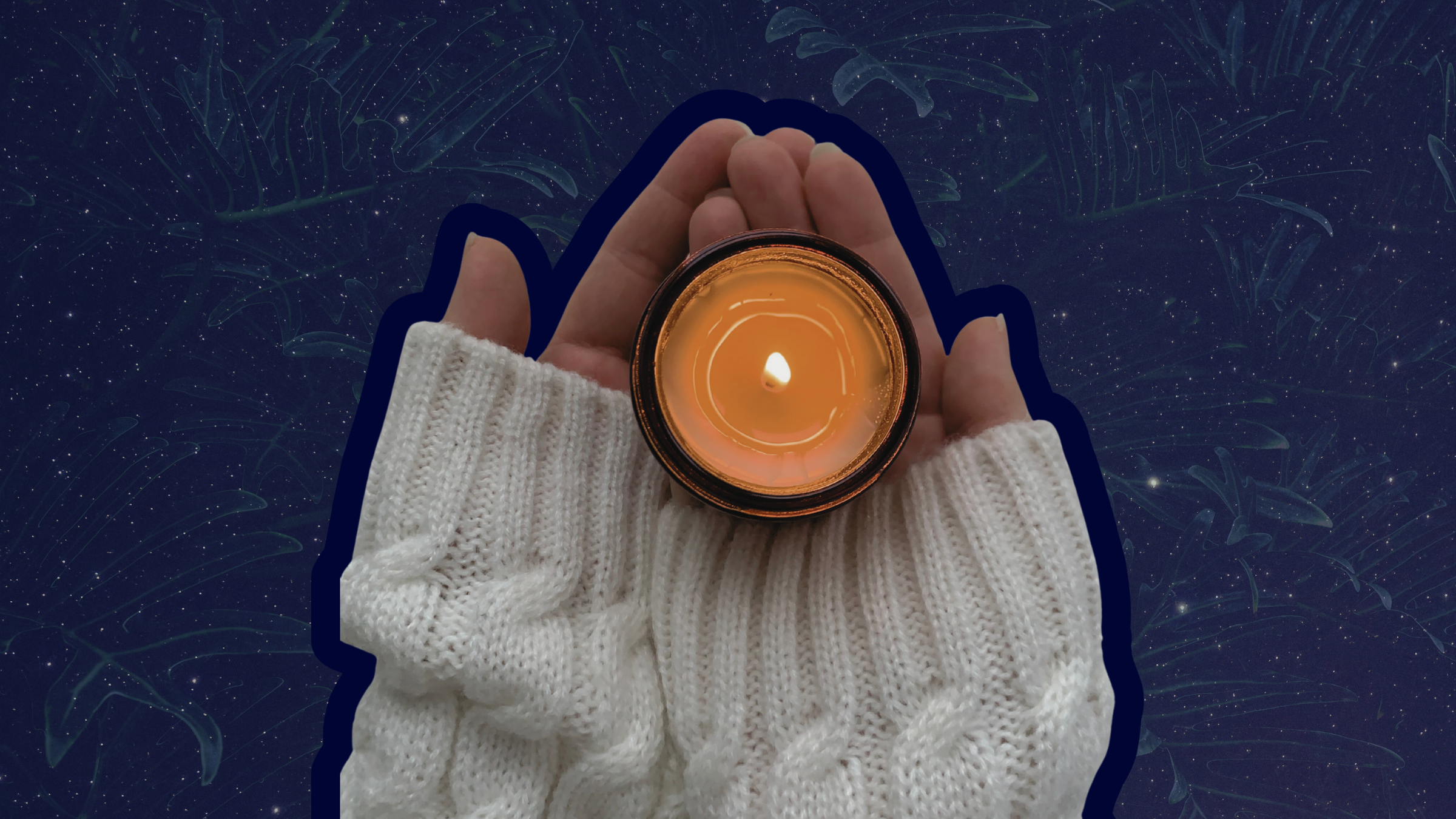
Why would you do that? It's a way to remove distraction, calm your nervous system and practise mindfulness. And get clean. Yes, you also get clean. But this is more about finding those small, intentional moments that release you from the cares of your day. It sounds like an accident waiting to happen. You don't have to shower in complete darkness just in dim light, even by candlelight.
Mindfulness
[ Load more ]