#civilian-life-during-war
#civilian-life-during-war
[ follow ]
#mental-health #humanitarian-crisis #gaza #psychology #trauma #displacement #resilience #war-impact #conflict



Psychology
fromSilicon Canals
3 hours agoThe hardest thing about being the calm one in a family is that your steadiness becomes load-bearing. Everyone leans on it, nobody asks what holds it up, and the day you finally crack, people don't comfort you. They panic. Because your collapse threatens the architecture, and the architecture was always more important than you were. - Silicon Canals
The calm family member often bears the burden of emotional labor, managing others' feelings while suppressing their own.
Relationships
fromSilicon Canals
18 hours agoThe people who are best at hiding unhappiness aren't the stoic ones or the quiet ones - they're the ones who became so skilled at giving everyone around them exactly enough warmth to never be looked at too closely - Silicon Canals
People often hide their struggles behind a facade of warmth, leading to loneliness despite appearing thriving.
Parenting
fromSilicon Canals
2 days agoChildren raised in the 1960s and 70s developed their resilience the same way muscle develops under resistance - not by being protected from the load but by being required to carry it, repeatedly, without assistance, until the carrying became the unremarkable default rather than the exceptional achievement - Silicon Canals
Independence and resilience were fostered in children of the '60s and '70s through unstructured play and learning from failure.
fromTruthout
3 days agoRupture and Repair Under Fascist Conditions
"We have a great opportunity in our movements to learn how to be opponents without being enemies," says Tanuja Jagernauth. This perspective emphasizes the importance of maintaining respect and understanding even amidst conflict.
Social justice

#emotional-health
Retirement
fromSilicon Canals
3 days agoI'm 66 and I spent forty years trying to stay positive through everything - and what I actually created was a life where nobody knew me well enough to notice when I was drowning - Silicon Canals
Staying positive can lead to hidden struggles and emotional isolation, as individuals often mask their true feelings to appear strong.
Retirement
fromSilicon Canals
3 days agoTough it out' was the only emotional instruction a whole generation of men ever received - and now they're sitting in retirement wondering why their body aches and nobody calls - Silicon Canals
Retirement brings a realization of emotional neglect and the need for deeper connections among men.
#mental-health
Psychology
fromSilicon Canals
4 days agoThere's a specific exhaustion that belongs to people who spent decades being exactly what everyone needed them to be - and then one day realized they couldn't remember what they needed - Silicon Canals
People-pleasing leads to losing one's identity and can result in profound exhaustion and disconnection from self.
Psychology
fromSilicon Canals
2 days agoPsychology says people who apologize constantly without realizing it are more damaged than they appear - because they internalize blame and absorb conflict, a survival response from childhood, which never switches off even when they're safe - Silicon Canals
Excessive apologizing often stems from childhood experiences of mistreatment and can lead to chronic self-blame in adulthood.
#trauma
Parenting
fromPsychology Today
3 days agoHealing From Our Trauma Helps Shape Future Generations
Healing breaks generational trauma patterns and transforms relational dynamics and biology.



Relationships
fromSilicon Canals
3 days agoNot everyone who chooses a partner with visible problems is making bad decisions. Some of them are choosing people whose damage is louder than their own, because as long as they're fixing someone else, nobody turns the spotlight around and asks what broke them. - Silicon Canals
People often choose partners with visible problems to avoid confronting their own internal issues.
#empathy
Psychology
fromSilicon Canals
3 days agoResearch suggests people who feel more empathy for dogs than humans aren't broken - their empathy is fully intact, it's just been directed toward the only available recipient that has never weaponized it, and a person whose empathy has been weaponized enough times eventually stops handing it to anyone who could do it again - Silicon Canals
Empathy can be selective, often directed more towards animals than humans due to psychological and biological factors.
fromPsychology Today
2 weeks agoUkraine's Other Battle: Healing the Invisible Wounds of War
With millions of soldiers estimated to be suffering from trauma-related conditions, not to mention civilians, Ukraine faces an urgent question: How will it treat the lasting mental scars of war? Among the emerging possibilities is psychedelic-assisted therapy (PAT) in treatment of war-related trauma, a controversial yet increasingly researched approach that some experts believe could play a transformative role in veteran mental health care.
Russo-Ukrainian War
Psychology
fromSilicon Canals
3 days agoThere's a specific kind of loyalty that keeps people in jobs, cities, and friendships years after the reason they stayed has disappeared. It's not inertia. It's that leaving would require admitting the time already spent wasn't building toward something, and that admission costs more than staying another year. - Silicon Canals
People remain in unfulfilling situations due to the fear of admitting past investments were unproductive, not because of passivity or fear of change.
Parenting
fromSilicon Canals
1 week agoPeople born in the 1950s display a type of resilience modern generations mistake for coldness - but it's actually a survival adaptation built from being raised by traumatized parents who couldn't afford to process their own pain - Silicon Canals
Generational trauma from war leads to emotional suppression in families, affecting how feelings are expressed and understood across generations.
Miscellaneous
fromPsychology Today
1 month agoWar as a Psychological State
Authoritarian and narcissistic leaders share a fragile ego unable to tolerate challenge, causing them to experience political opposition as personal threat and deploy military as an extension of their distorted ego rather than as a policy tool.
France politics
fromwww.aljazeera.com
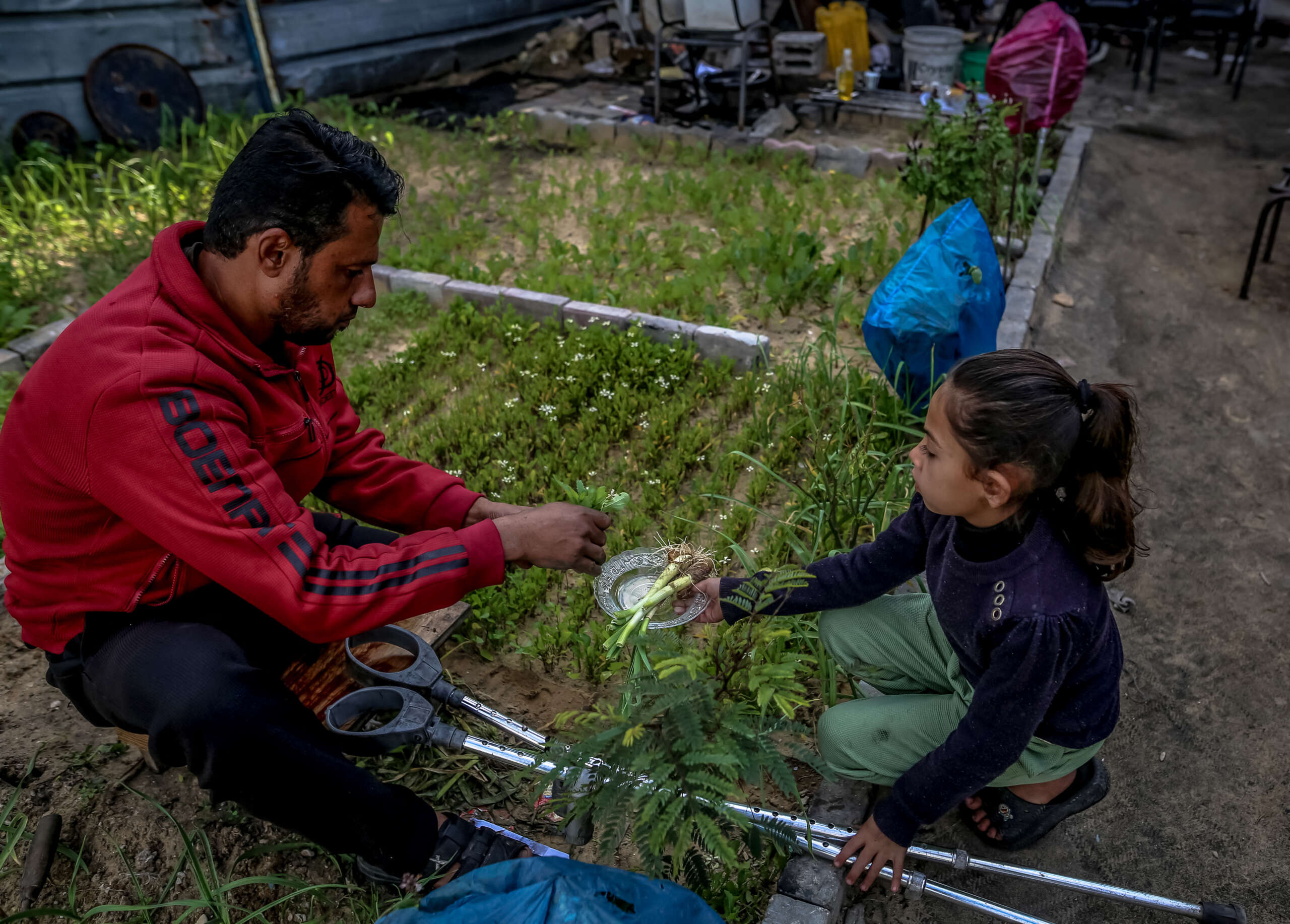
2 weeks agoPalestinian refugees face new displacement as Israel's bombs hit Lebanon
Palestinian refugees in Lebanon, displaced since 1948, face renewed trauma and displacement as Israeli military operations intensify, forcing families from camps into further uncertainty.
Psychology
fromSilicon Canals
5 days agoPeople who go quiet when they're hurt instead of raising their voice learned somewhere very early that their anger wasn't received as information. It was received as an inconvenience. So they stopped sending the signal and started absorbing the damage, and they've been doing it so long they sometimes mistake silence for calm - Silicon Canals
Silence during conflict often indicates deeper emotional pain rather than composure or passive aggression.
World news
fromwww.theguardian.com
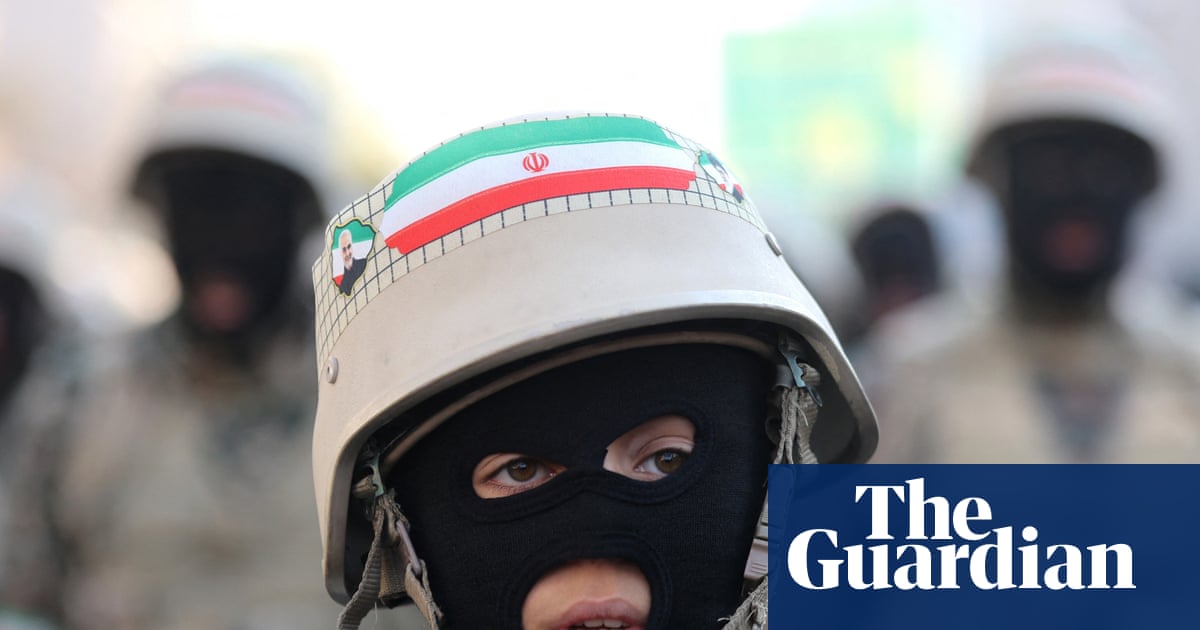
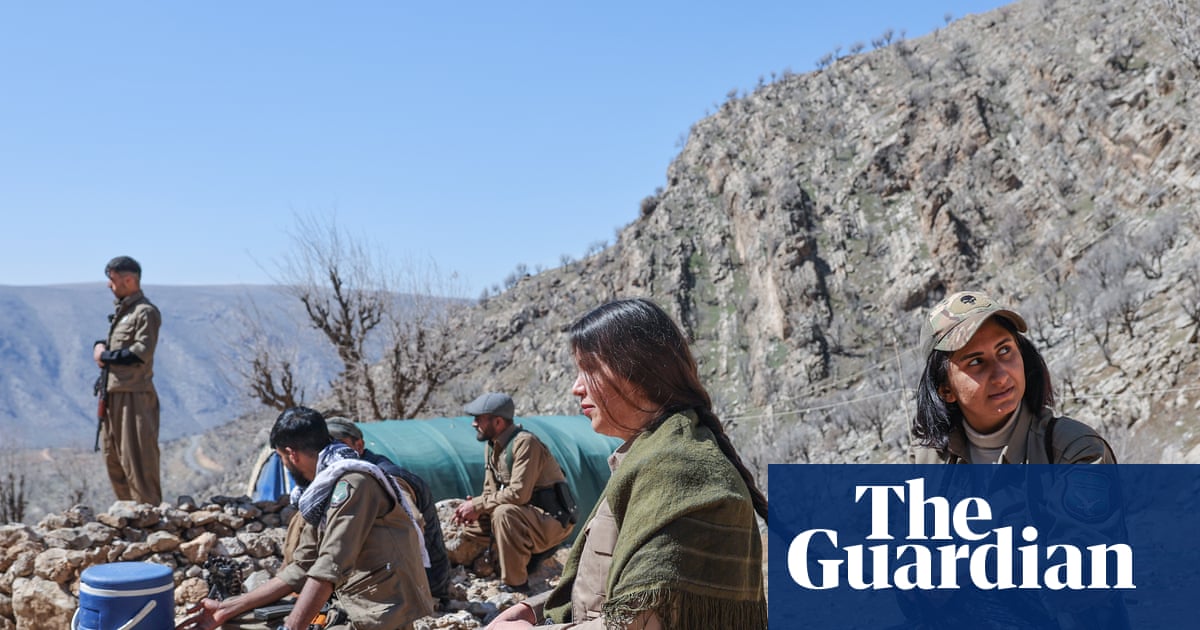
2 weeks agoWe want change but not like this': Iranians describe daily life under air attack
Up to 3.2 million people have been temporarily displaced in Iran since the start of the US-Israeli military campaign, with millions remaining in major cities despite regular airstrikes.
Psychology
fromSilicon Canals
5 days agoThere's a particular kind of strength that belongs to people who rebuilt their entire personality after 40 - not because something broke them, but because they finally had enough distance from their childhood to see what was never theirs to carry - Silicon Canals
Personality changes after forty often reflect a deeper honesty about one's true self rather than a crisis or breakdown.
Psychology
fromSilicon Canals
6 days agoPeople who always laugh at their own pain aren't just funny. They survived childhoods where being sad meant being a burden, and that had nothing to do with resilience, and their humor is a dissociation technique that everyone mistakes for strength - Silicon Canals
Some individuals cope with pain by making jokes immediately, masking deeper emotional struggles rooted in childhood environments that discourage expressing feelings.
fromwww.theguardian.com
1 month agoAny other child would have died': the miraculous survival of Nada Itrab
The daughter of undocumented immigrants from Morocco, Nada had lived there since she was four. Only one other person was travelling with Nada. Grover Morales was a neighbour with a saintly air. In La Florida, the poor neighbourhood in which he and Nada's family lived, Morales made a point of greeting everyone, regardless of race or faith. He read religious books, not just the Christian Bible, but also the Torah and the Qur'an.
Miscellaneous
fromSlate Magazine
2 weeks agoSoldiers Need to Understand Why They're Fighting. I Know What Happens When They Don't.
The research shows that for many who are diagnosed with PTSD, the condition arises not from what was done to us but what we did—or what we failed to prevent. This mechanism, known as moral injury, can be sympathetic ('I couldn't save them') but is often not sympathetic at all ('I killed them'). For people carrying this factor in PTSD, the task of integration, of sitting with and holding what we've done, is far more challenging.
Mental health
Mental health
fromwww.dw.com
3 weeks agoLiving amid bombings in Iran: How fear impacts mental health
Chronic exposure to violence, war, and government oppression in Iran significantly increases mental health conditions including PTSD, anxiety, and depression, while unmet basic needs erode social relationships that are critical for resilience.
fromArchitectural Digest
2 months agoDesigning When Your City Is Under Siege
Life doesn't pause for grief or fear. You might be going through something devastating but you're still packing lunches, still driving your kids to baseball practice, still showing up to work. One minute I find myself prepping for a whole home presentation and the next minute I'm checking the news, hoping and praying that no one has been killed on the streets today.
Design
Mental health
fromSilicon Canals
3 weeks agoPeople who stay calm during emergencies but fall apart over minor inconveniences aren't fragile. Their system was calibrated for catastrophe, and it genuinely doesn't know how to scale down to a traffic jam or a lost set of keys. - Silicon Canals
Accumulated small daily frustrations can trigger greater stress responses than single major crises in people whose nervous systems were calibrated for survival under chronic danger or high-stakes conditions.
Psychology
fromPsychology Today
4 weeks agoWhen Everything Becomes "Trauma"
Psychological trauma, originating from the Greek word for 'wound,' evolved from describing physical injuries to mental wounds in the late 19th century, with usage tripling since the 1970s as the term expanded to encompass various difficult life experiences.
Psychology
fromPsychology Today
1 month agoHow to Help Communities Rebound from Crisis and Disaster
Disaster psychology provides an empirically-based framework for building community resilience and growth during crises through understanding predictable psychological phases and natural recovery mechanisms.
Psychology
fromPsychology Today
1 month agoLove and Sex in Wartime: How News of War Impacts Intimacy
War exposure through media and direct experience disrupts sexual desire, arousal, satisfaction, and increases distress, while some people seek intimacy as a stress-coping mechanism during collective threat.
fromwww.aljazeera.com
2 months agoTrauma does not define us': Living with loss in wartime Ukraine
Anastasiya Buchkouska, a 20-year-old student from western Ukraine, gently brushes away layers of snow and ice from her father's grave. She pauses, looking up at the photograph fixed to the gravestone. His face bears a striking resemblance to hers. When her father was younger, he had served in the military. When Russia launched its full-scale invasion of Ukraine on February 24, 2022, he was called up almost immediately and sent to the front line.
Miscellaneous
Mental health
fromPsychology Today
1 month agoNavigating the Messy Middle of Disaster Recovery
Disaster recovery extends beyond the initial crisis phase; year two brings psychological challenges including chronic stress, financial strain, and bureaucratic delays that impair functioning and compound trauma.
fromNature
1 month agoHow to rescue the aid industry: focus on conflict prevention, not just relief
In 2025, the administration of US President Donald Trump ordered the US Agency for International Development to be closed; this year, it withdrew the country from 66 international organizations. Other Western nations that are plagued with high levels of debt and pressure to prioritize domestic challenges have slashed their foreign aid, too. According to projections, official development assistance dropped by 9-17% in 2025, amounting to some US$55 billion.
World news
fromwww.theguardian.com
2 months agoWe are living in a time of polycrisis. If you feel trapped you're not alone
I, too, have been having difficulty conjuring up visions of a better future either for myself or in general. I posted this insight on social media in the final throes of 2025, and received many responses. A lot of respondents agreed they felt like they were just existing, encased in a bubble of the present tense, the road ahead foggy with uncertainty.
Psychology
[ Load more ]