#cleaning-initiative
#cleaning-initiative
[ follow ]
#sustainability #waste-management #environment #new-york-city #climate-change #public-awareness #public-health

fromFuturism
1 day agoEPA Now Values Human Lives at $0
When lives are assigned a higher dollar value, stricter pollution standards tend to clear the 'economic efficiency' sniff test, resulting in cleaner air. But that improved air quality comes at the expense of America's industrial industries, which have to invest in pricey systems to reduce the amount of these pollutants they spew down to acceptable levels.
US Elections
fromwww.theguardian.com
2 days agoWhy reducing air pollution deaths isn't just about reducing air pollution
Air pollution is the second-largest risk factor for early death globally. Traditionally, our response has focused on reducing the levels of pollution people breathe, but this is only part of the story.
Public health
fromArchDaily
2 days agoColdefy Leads Winning Masterplan to Transform Budapest Brownfield into Rewilded Urban District
The regeneration plan includes over 10,000 apartments, new transportation links, and commercial and civic spaces, forming a comprehensive urban redevelopment strategy aligned with 15-minute city principles.
Renovation




fromInvestigative Post
2 days agoInvestigative Post event on reforming Buffalo and NY government.
John Kaehny has written and successfully lobbied for the passage of state and New York City laws related to government transparency and accountability, including the first open data law in the world in 2012.
NYC politics
fromIndependent
1 day agoCarpool, slow down and do your laundry at night - families to be warned to cut energy use in government campaign amid Iran crisis
Officials from the Department of Energy are meeting daily as the Iran war drives up the price of fuel. A public awareness campaign is urging citizens to 'save energy, save your pocket.'
UK politics
fromwww.theguardian.com
3 days agoThe dark side of the balloon boom is it time they were banned?
In 2019, scientists found that balloons eaten by seabirds are more likely to kill them than other kinds of plastic yet they do not seem to have been earmarked in the same way as, for example, plastic straws.
Public health

fromwww.bbc.com
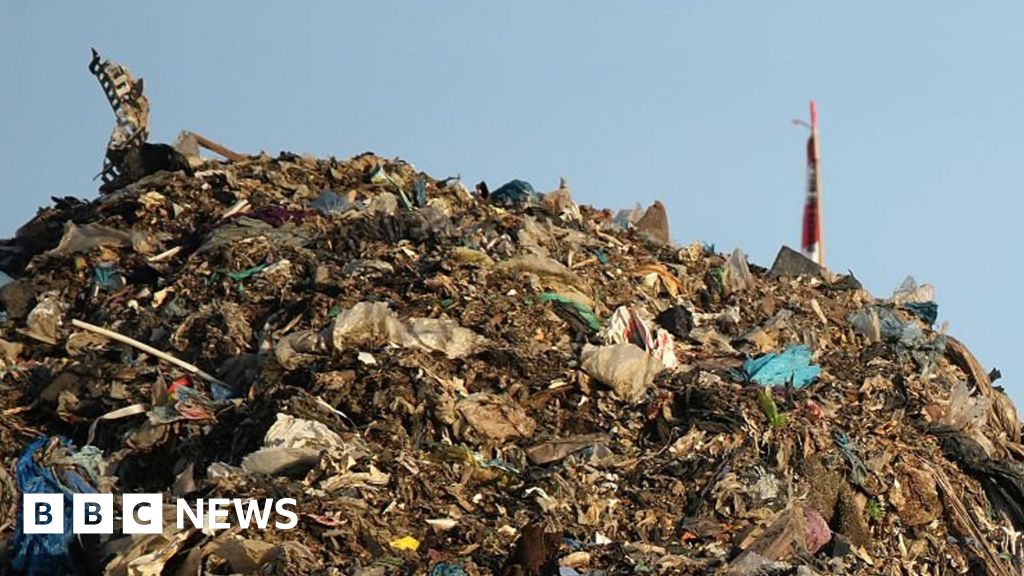
1 week agoCampaigners celebrate after new town plans dropped
Campaigner Aysha Hawcutt stated that residents were 'not anti-homes', but believed the Adlington plan was 'the wrong proposal in the wrong place'. She expressed pride in the community's resilience against the development threats.
London politics
Miscellaneous
fromwww.theguardian.com
1 month agoA delightful day at the dump: The trick is not to leave with more stuff than I arrived with!'
A recycling centre's ReUse shop in London salvages discarded items including unusual specimens like embalmed animals, vintage furniture, and antiques to resell rather than send to landfill.
#fly-tipping-enforcement
UK politics
fromwww.independent.co.uk
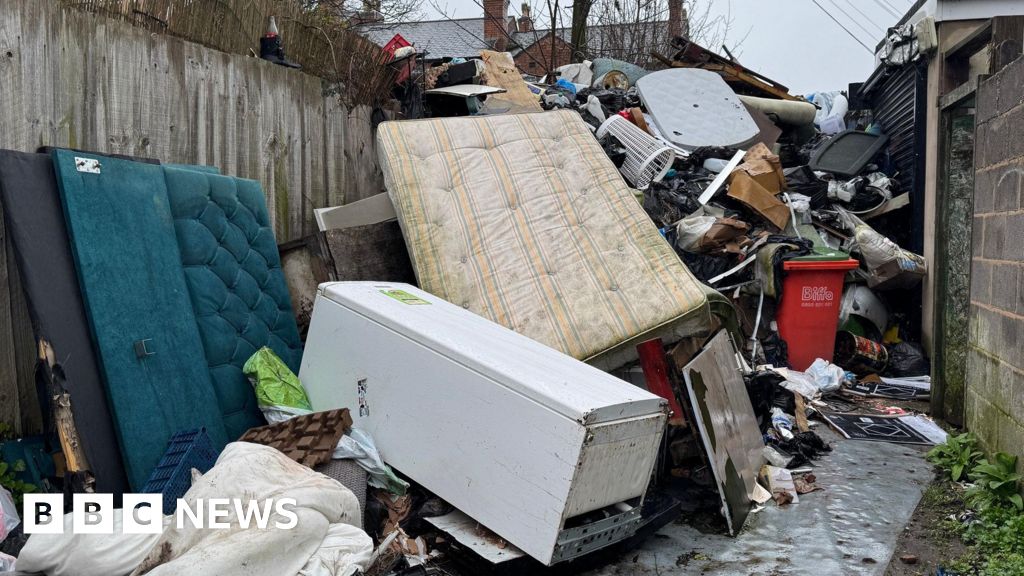
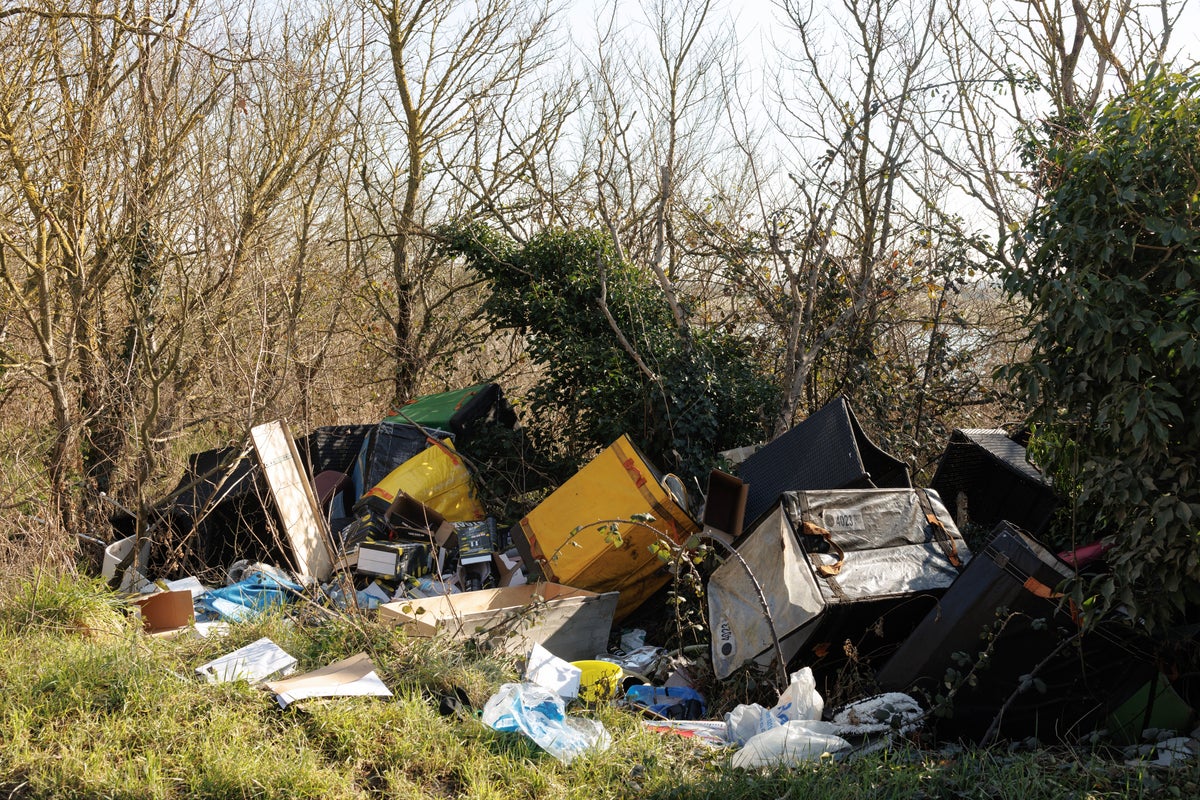
2 weeks agoFly-tippers could be forced to clear their own rubbish under new crackdown
The UK government proposes forcing fly-tippers to clean up illegally dumped waste and allowing councils to seize offender funds for cleanup operations as fly-tipping increases 9% annually.
fromState of the Planet
6 days agoFrom Classrooms to Climate Impact: Two Careers Flourish in Singapore
"Singapore is in a very unique position because they face a lot of land constraints, so there are few ways for them to generate their own renewable energy. Singapore is pushing for integrated energy systems throughout ASEAN, so that renewable energy produced in other countries can be brought back to Singapore. There's a very distinct, coordinated effort for countries to come together to work on climate change and energy security in a way that I haven't really seen."
Environment
Agriculture
fromEarth911
2 weeks agoConvenience Comes at the Environment's Expense
Fast delivery convenience carries significant environmental costs through packaging waste, carbon emissions, and resource consumption, but individual yard management choices can meaningfully reduce environmental impact at a local scale.

Environment
fromEarth911
2 weeks agoHow You Can Help Keep Recycling Workers Safe
Recycling reduces waste and resource extraction, but material recovery facility workers face significant safety hazards, with nine deaths in 2023 and waste collection ranking as the fourth most dangerous job in the United States.
fromEarth911
1 month agoEarth911 Inspiration: Waste Can End With You
We can make changes to reduce our waste by precycling when we shop, reducing what we purchase, reusing items to get the most use out of them, and recycling when possible. But when we have items to throw away, please dispose of trash responsibly and don't litter. Let's reduce our waste and clean up our planet. It's our only home.
Environment
fromEarth911
2 months ago35 Years Worth Of Things You (Probably) Didn't Know About Earth911
Earth911 turns 35 in 2026. We invited Trey Granger, who worked at Earth911 from 2007 to 2014 as the site's first content editor, and whoe also oversaw expansion of the recycling directory, to share some of the highlights of the continuing journey to an easy to understand recycling system.Earth911 turns 35 years old in 2026 (but we don't look a day over 30). To celebrate, here are 35 fun facts about your favorite low-waste resource.
Environment
fromArchDaily
1 month agoHealth, Habitat, and Civic Infrastructure: Designing the City as a National Park
Cities around the world share a common goal: to become healthier and greener, supported by civic infrastructure that restores ecosystems and strengthens public life. The question is how to reach this. Global climate targets, local building codes, and municipal standards increasingly guide designers and planners toward better choices. Still, many cities struggle to translate these frameworks into everyday, street-level comfort and long-term ecological protection.
Environment
fromEarth911
2 months agoSustainability In Your Ear: Turning Waste Into New Products And Packaging With Overlay Capital's Elizabeth Blankenship-Singh
According to research by the World Economic Forum and United Nations Development Programme, the circular economy could unlock $4.5 trillion in new global value by 2030, and investors are racing to capture part of that opportunity. Meet Elizabeth Blankenship-Singh, Director of Innovation at Overlay Capital, an Atlanta-based alternative investment firm whose Waste and Materials Fund is backing both early-stage materials innovators and later-stage recycling operations with established infrastructure.
Environment
[ Load more ]