Marketing
fromEntrepreneur
1 day agoHow to Price Your Product Like the Last Unit Sets the Market
The highest-cost marginal customer determines market price, not averages; focus on scarcity and the last unit for effective pricing.
I landed on the idea for SET Active in 2017 during a time when no one was really reframing the entire activewear category. Everyone was marketing to the fitness girl or very technical niche worlds, and no one was speaking to the girl on the go and showing how activewear can move with her through the entire day. That worked until competitors caught on. Now, we differentiate through relentless innovation.
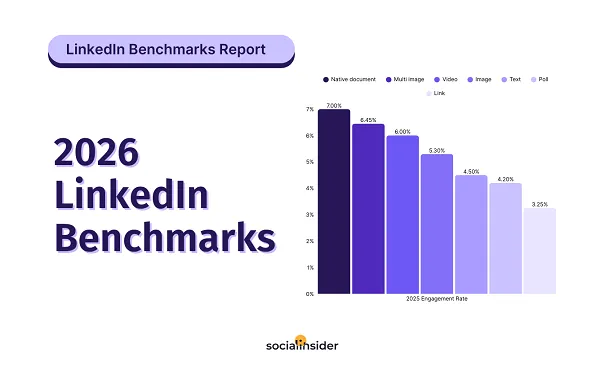
Your buyers are on these platforms every day, scrolling LinkedIn between meetings, watching YouTube explainers, and even picking up insights on TikTok. The good news is that most of your competitors aren't doing this well. And B2B social follows different rules. It's less about selling, more about showing up with value and building trust over time. This guide breaks down the platforms, strategy, and mistakes to avoid so you can stop blending in and start building something that drives real results.
Intent arbitrage means capturing a buyer's interest before they even start evaluating competitors - and thanks to AI, this capability is available to every business. AI detects emerging intent by processing millions of data points and continuously monitoring intent signals, letting companies respond faster than traditional, reactive demand-generation methods. Turning early intent signals into a competitive advantage requires leadership buy-in and coordination between marketing, sales and product teams.
Lead management in B2B has evolved into a systems challenge that spans teams, platforms and the entire revenue lifecycle. It is a complex engineering discipline that requires a holistic, lifecycle-driven approach rather than a simple marketing-to-sales handoff. In a recent strategy session, we examined what it takes to build a lead management engine today. We concluded that many organizations are still attempting to solve 2026 problems with a 2010 mindset.
With digital trends accelerating, it's more important than ever that marketers know how to build strong, data-driven marketing strategies. Data-driven marketing is a type of marketing strategy that is based on using consumer information to develop and optimize marketing campaigns and messaging. It is extremely impactful because marketing efforts are based on online trends and are specifically tailored to the organization's target audience.