#community-board-2-approval
#community-board-2-approval
[ follow ]
#new-york-city #brooklyn #affordable-housing #public-safety #nypd #city-council #bronx #new-york-city-council
#affordable-housing



NYC politics
fromwww.amny.com
1 week agoMAMDANI'S FIRST 100 DAYS: Mayor launches fast-track program to speed affordable housing on city-owned land | amNewYork
Neighborhood Builders Fast Track aims to expedite affordable housing development on city-owned land, potentially reducing timelines by up to 2.5 years.
NYC politics
fromPolitics NY
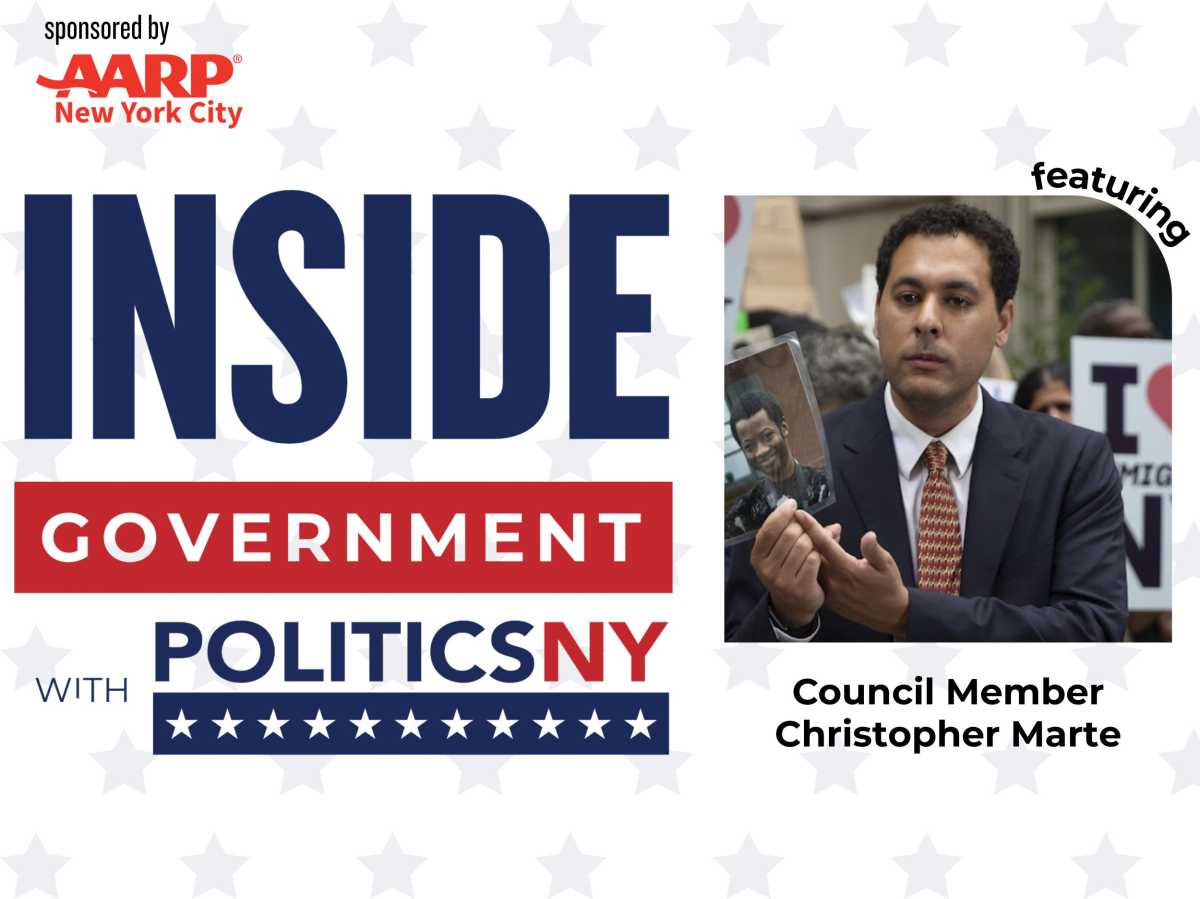
2 weeks agoInside Government with PoliticsNY: A Q&A with Council Member Christopher Marte
Council Member Marte prioritizes affordable housing, public land protection, and neighborhood resiliency while ensuring city agencies respond to community concerns and support working families in Lower Manhattan.
Non-profit organizations
fromStreetsblog New York City
5 days ago'Game-Changer': Non-Profit Throws Financial Lifeline to Open Streets Program - Streetsblog New York City
The new funding model for open streets provides upfront financial support to volunteer organizations, improving efficiency and community engagement.
#brooklyn
Brooklyn
fromHoodline
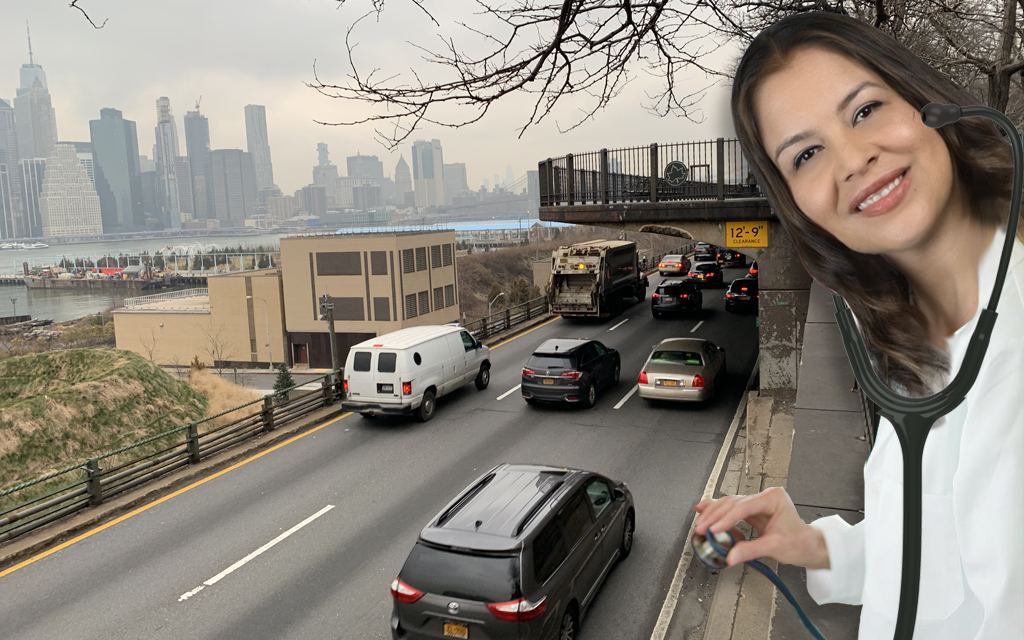
5 hours agoSuspect Sought After 68-Year-Old Punched Near Barclays Center
A 68-year-old man was seriously injured in a street attack in Brooklyn, with the suspect remaining unidentified.
NYC politics
fromBrownstoner
2 days agoGravesend Homeless Shelter Moves Forward Despite Protest
Demolition of a proposed men's shelter in Brooklyn resumes under Mayor Mamdani, despite ongoing protests and calls for affordable housing alternatives.


#new-york-city
NYC real estate
fromHoodline
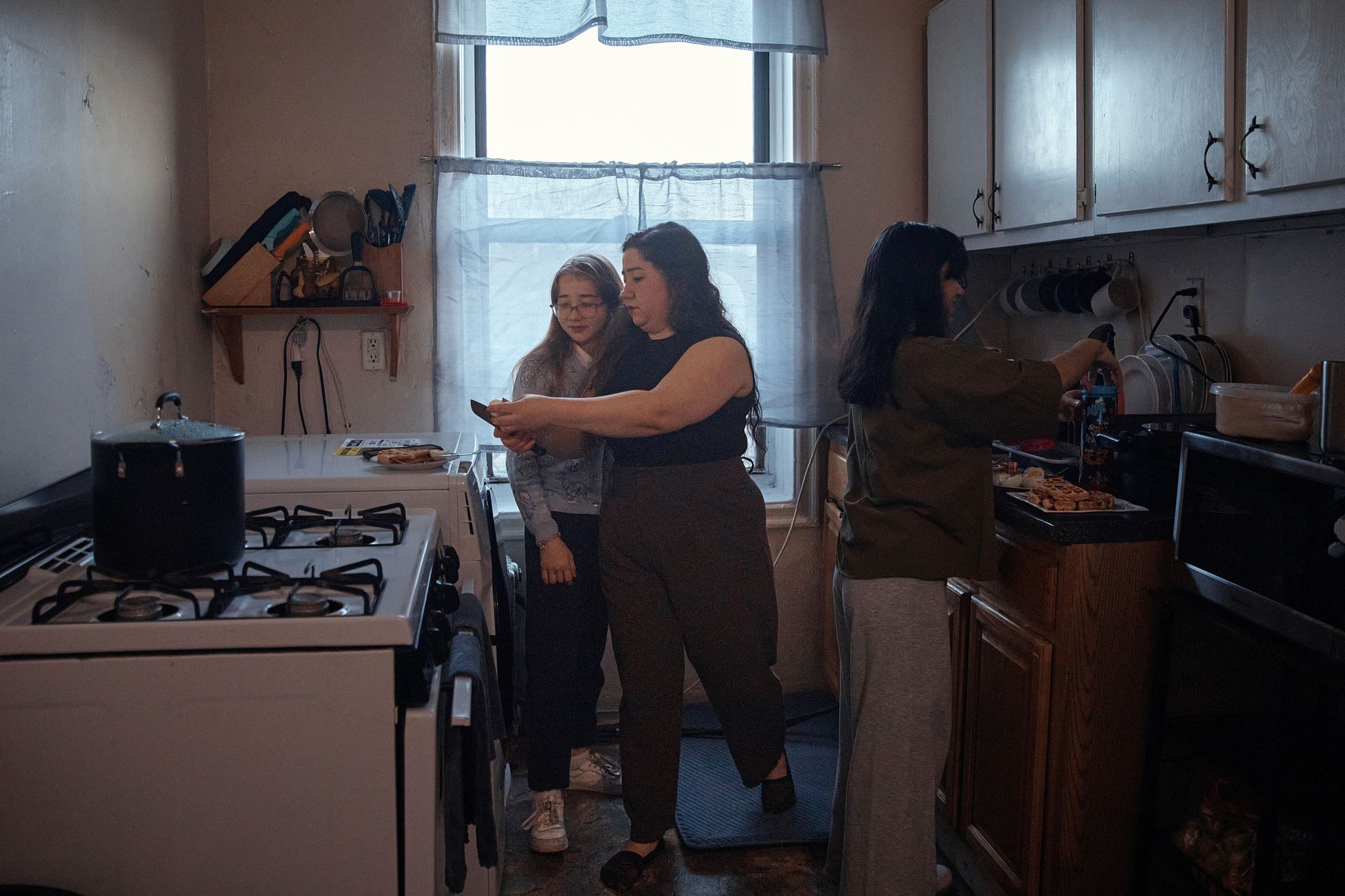
6 days agoYIMBY: 57,352 Proposed NYC Units in 2025
New York developers proposed over 57,000 new residential and hotel units in 2025, indicating a significant construction wave across the city.

NYC politics
fromwww.housingwire.com
2 days agoNYC builds taller housing again, as state, city law reset the stage
New York City is increasing housing density through zoning changes and new initiatives to improve affordability.
fromBrownstoner
3 weeks agoGetting NYC Event Permits Is a Mess of Red Tape
It's like, 'Ok, where? Who do we call? What do you mean?' said Batan, of the Queensboro Dance Festival, which puts on free dance performances, parties, and classes 30 to 40 times each summer. Batan compares the city's complex permitting process - which features an alphabet-soup array of agencies and offices that set guidelines for everything from block parties and street festivals to the use of stages, tents, and speakers - to 'avoiding a bunch of trap doors.'
NYC music
#fair-fares

New York City
fromwww.brooklynpaper.com
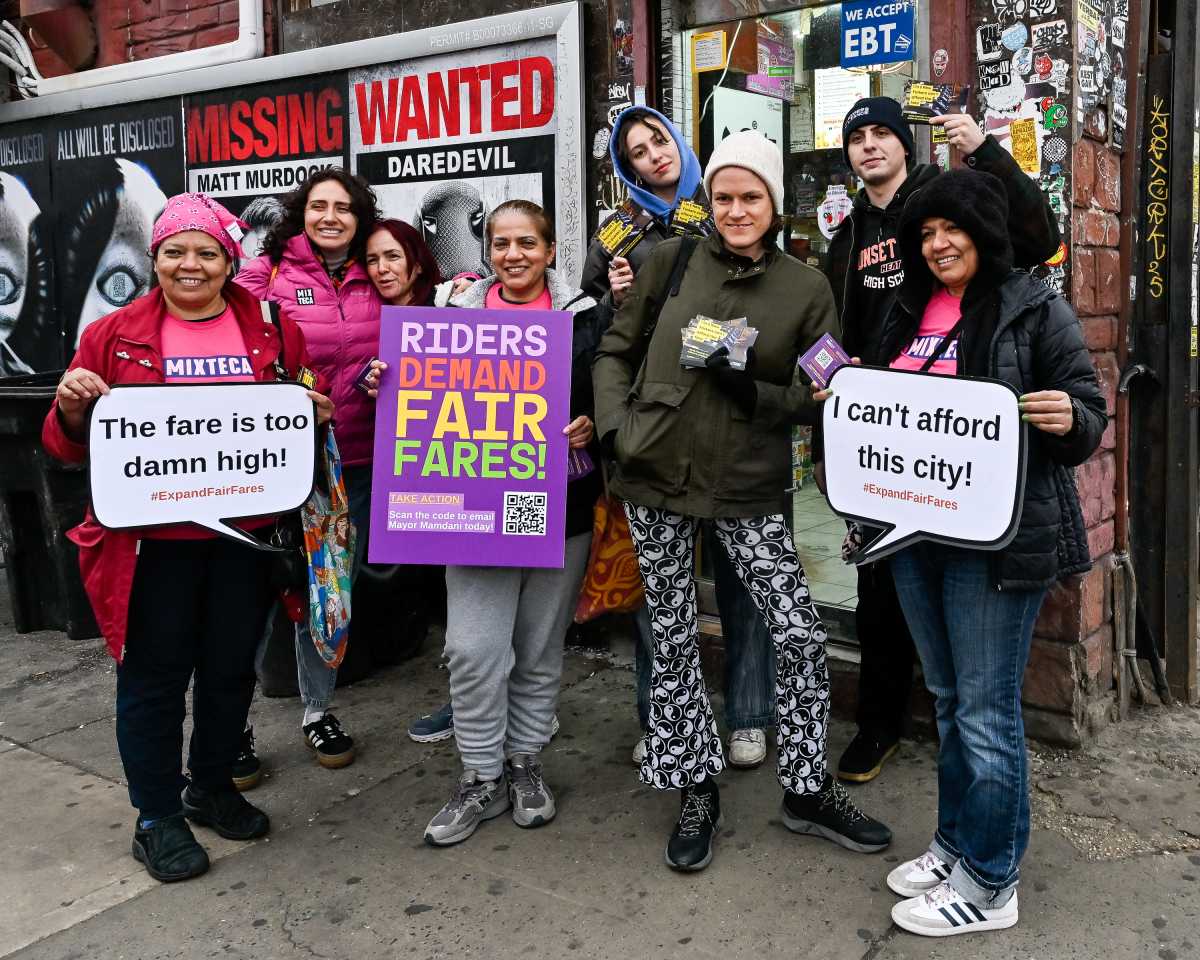
2 days agoFare fight: Transit advocates push for expansion of Fair Fares program at Sunset Park subway station Brooklyn Paper
Expansion of the Fair Fares program aims to make transit affordable for over 2 million New Yorkers living at or below 150% of the federal poverty level.
fromwww.amny.com
2 days agoAOC urges Hochul to scrap plan that would widen Cross Bronx Expressway | amNewYork
Ocasio-Cortez emphasized the need to protect the community, stating, 'On behalf of my constituents and nearly 64,000 local residents impacted by this project, I am requesting that your administration reject any plans to expand the Cross Bronx Expressway beyond its current footprint.'
NYC politics
Brooklyn
fromNew York Daily News
5 days agoBrooklyn acting superintendent wins permanent job despite social media flap, letter-writing blitz
Erin Lynch-Reyes has been appointed as the permanent superintendent of District 21 despite controversy surrounding her husband's alleged defamation on social media.


fromInvestigative Post
2 days agoInvestigative Post event on reforming Buffalo and NY government.
John Kaehny has written and successfully lobbied for the passage of state and New York City laws related to government transparency and accountability, including the first open data law in the world in 2012.
NYC politics
NYC politics
fromwww.independent.co.uk
2 days agoZohran Mamdani wants to crack down on New York's bad landlords'. He has to find them
The Independent provides critical journalism on pressing issues, ensuring accessibility without paywalls, and supports community engagement through initiatives like rental hearings.
Brooklyn
fromBrooklyn Paper
6 days agoCommunity frustration grows over Metropolitan Recreation Center closure in Williamsburg * Brooklyn Paper
The closure of the Metropolitan Recreation Center pool has significantly impacted the community, especially older swimmers who rely on it for health and socialization.
NYC politics
fromAP News
2 weeks agoNYC Mayor Mamdani launches community safety office, inching forward a campaign promise
New York City Mayor Zohran Mamdani established an office for community safety to reduce police involvement in mental health emergencies, starting with two staff members and plans to expand the B-HEARD program.
fromwww.amny.com
1 month agoCity Council to hear Mamdani's DOT testify on Streets Plan, outdoor dining program | amNewYork
They've fallen well below the benchmarks that are required by law. In order to make our buses faster and accessible, we need the administration to provide a full accounting as to why those obligations have not been fulfilled in the last four years.
Brooklyn
fromGreenpointers
2 months agoBrooklyn Community Board 1 to Host Monitor Point Meeting Next Week - Greenpointers
You might already be aware of what Monitor Point could entail, but we'll give you a refresher just in case: developers plan to construct two new massive residential towers on the Bushwick Inlet, leasing the land from the MTA. Some local residents fear that more high-rise housing will drive up rents and damage the inlet's ecosystem. The project's supporters say that the housing, some of it permanently affordable, is needed to keep up with the high demand
Brooklyn
fromBrooklyn, NY Patch
1 month agoBrooklyn Borough President Recruiting Residents For Key Community Board Seats
Brooklyn is divided into 18 community districts, each represented by a community board made up of up to 50 unsalaried members appointed by the borough president, with recommendations from City Council members. Board members reflect the diversity of their neighborhoods and serve two-year terms. Community boards act as an official advisory link between residents, City Hall, and municipal agencies. While they do not pass laws, their recommendations carry significant weight in decisions affecting land use, zoning, public safety, transportation, housing, parks, sanitation and economic development.
New York City
[ Load more ]