#complex-diseases
#complex-diseases
[ follow ]
#alzheimers-disease #dementia #genetics #early-detection #cognitive-decline #chronic-illness #public-health


fromHarvard Gazette
2 weeks agoNew study links more immigrants with lower elderly mortality - Harvard Gazette
"This result is very supportive of the value that foreign-born workers add to the health of our population. When you have an increase in immigration, you end up with more long-term care workers. It's additive, not substitutive."
Healthcare
fromThe Atlantic
2 weeks agoI Remember a World Without Vaccines
I am open-minded; I believe in integrative practices, and I agree that the medical establishment can be arrogant and unduly influenced by the pharmaceutical industry, which now funds so much of medical research. But I fully understand Scherer's frustration with his interminable discussions with Kennedy about scientific articles.
Coronavirus
fromwww.theguardian.com
2 weeks agoStrong evidence' of lowered dementia risk: the benefits of shingles vaccination
Shingles is a viral infection caused by the varicella-zoster virus, which also causes chickenpox. If you've had chickenpox, the virus stays in your body and can reactivate later in life as shingles at any age, though most commonly after 50. While caused by the same virus, shingles and chickenpox are not the same illness. They present differently because, while chickenpox is the initial infection, if and when the virus reactivates, it travels along nerve pathways to the skin, producing shingles.
Alternative medicine
fromNews Center
1 week agoUnderstanding Mechanisms of Rare Inflammatory Autoantibodies - News Center
C4b-binding protein (C4BP) was identified as the missing cofactor that allows anti-phosphatidylethanolamine (aPE) antibodies to exert their damaging effects, linking them to thrombosis and pregnancy complications.
Medicine
Cancer
fromwww.theguardian.com
1 month agoQuarter of healthy years lost to breast cancer are due to lifestyle factors, research finds
Over 25% of healthy years lost to breast cancer result from lifestyle factors including red meat consumption and smoking, with projections showing global cases rising from 2.3 million to 3.5 million by 2050.
Alternative medicine
fromwww.scientificamerican.com
1 month agoHelp yourself to stronger immunity
The immune system can be enhanced through science-backed interventions including specific supplements, vaccines, and exercise, with omega-3 fatty acids and curcumin showing evidence of effectiveness while vitamin D proves less beneficial than previously claimed.
Medicine
fromNature
2 weeks agoAutism in older adults: the health system must recognize its effects
Autism research neglects adults, yet older autistic individuals face higher rates of heart disease, Parkinson's-like symptoms, osteoporosis, and dementia, requiring systematic investigation and adapted healthcare pathways.
Public health
fromBusiness Matters
1 month agoChronic Disease Prevention Remained Abstract for Too Long - Barbara Mkhitarian Made It Measurable
Digital prevention programs combining nutrition coaching with behavioral psychology achieve average 7 kg weight loss and sustained diabetes risk reduction through evidence-based lifestyle intervention.

fromHarvard Gazette
1 month agoAmerican heart health worsening - Harvard Gazette
Many other higher-income countries are grappling with rising obesity and diabetes, but the U.S. stands out for how consistently those risks translate into worse cardiovascular outcomes, and how wide the gaps are by income, race, ethnicity, and geography.
Public health
Medicine
fromwww.theguardian.com
3 weeks agoRecreational drugs can more than double risk of stroke, study suggests
Amphetamine and cocaine use more than double stroke risk, with cannabis increasing risk by 37%, while opioids show no increased stroke risk according to analysis of over 100 million people.
fromHarvard Gazette
1 month agoSix cancers rising faster in younger adults than older ones - Harvard Gazette
The work, published in November, painted a disturbing yet complex picture that varies globally according to cancer type, sex, and national context. The study examined cases that occurred between 2000 and 2017 and found 13 cancers on the rise in those under 50 in at least 10 countries, and six cancers - colorectal, cervical, pancreatic, prostate, kidney and multiple myeloma - rising faster in younger adults than in older adults in at least five.
Health
fromPsychology Today
2 months agoWhen Memory Worries Deserve Attention
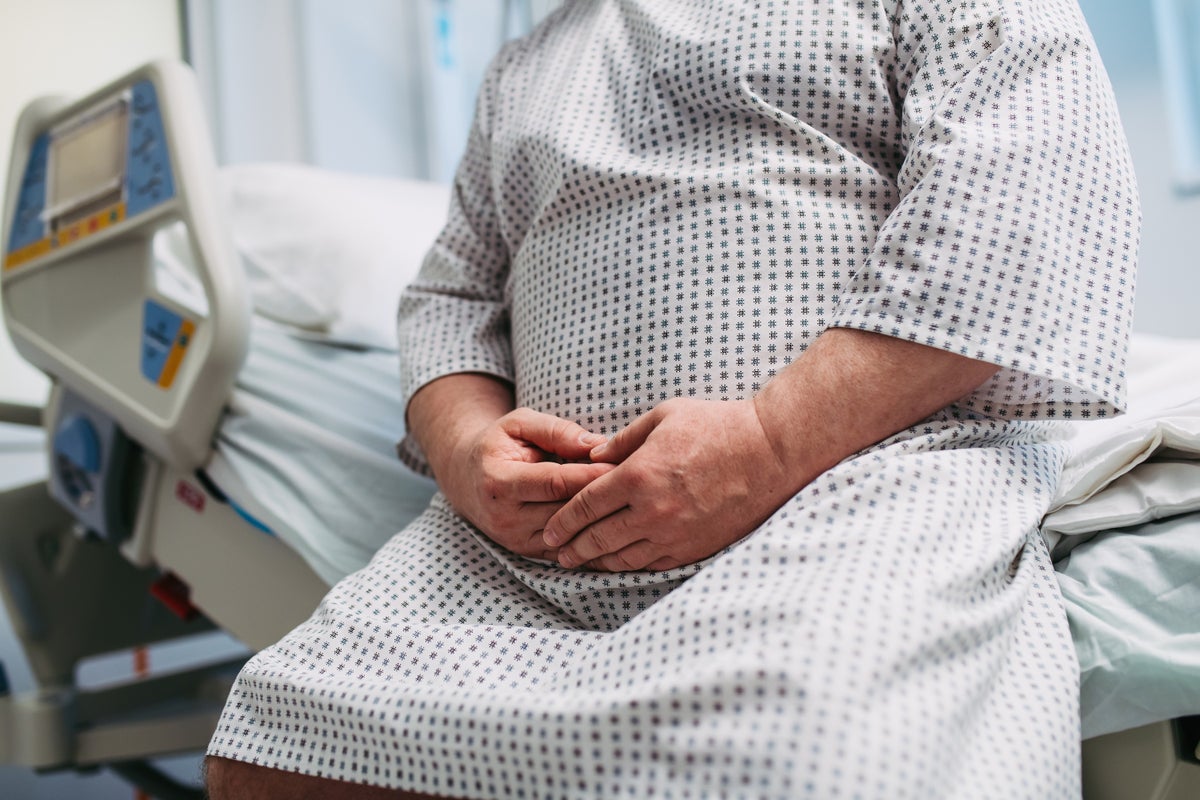
Most people will forget a name, misplace their phone, or lose track of a conversation at some point. Usually, those moments pass without much thought. But for many adults, especially as they age, small lapses can trigger a much deeper fear: Is this the beginning of cognitive decline? As a neurologist, I hear this concern often. And as a researcher, I have learned something important: Worry about cognition and cognitive disease are not the same thing.
Mental health
fromNews Center
1 month agoTargeting Cellular Mechanisms May Improve Immune Response in Chronic Infections - News Center
During viral infection and in the case of cancer, CD4+ helper T-cells release cytokines, or small signaling proteins, that activate and "give permission" to other immune cells to control and clear viral pathogens. In certain viral infections, such as lymphocytic choriomeningitis virus (LCMV), which is spread by infected rodents, CD4+ T-cells differentiate into different subpopulations, including one subset of progenitor CD4+ T-cells that replenish type 1 helper (Th1) and follicular helper (Tfh) T-cells.
Science
fromSilicon Canals
1 month agoNeurologists reveal the everyday habit that doubles your dementia risk - Silicon Canals
A groundbreaking study found that adults who sit for 10 or more hours daily face a significantly higher risk of dementia compared to those who sit less. The research, which tracked over 50,000 adults using wearable devices, revealed that the risk increases dramatically after crossing that 10-hour threshold.
Health
Mental health
fromwww.scientificamerican.com
1 month agoBig changes could be coming to how we diagnose mental health
The DSM is the primary diagnostic manual in psychiatry, faces longstanding scientific critique, and may undergo a major overhaul that could reshape disorder categorization and diagnoses.
fromwww.scientificamerican.com
1 month agoLung cancer hijacks the brain to trick the immune system
For years, scientists have viewed cancer as a localized glitch in which cells refuse to stop dividing. But a new study suggests that, in certain organs, tumors actively communicate with the brain to trick it into protecting them. Scientists have long known that nerves grow into some tumors and that tumors containing lots of nerves usually lead to a worse prognosis.
Science
fromNature
2 months agoDaily briefing: The human cells in our bodies that aren't genetically ours
A virus that sickens marine mammals has been detected in Arctic waters for the first time. Scientists used drones armed with petri dishes to collect samples of blow - the air and mucus whales expel from their blowholes - from whales in northern Norway. The team identified cetacean morbillivirus in samples from humpback whales ( Megaptera novaeangliae) and one sperm whale ( Physeter macrocephalus), though the humpbacks showed no symptoms of disease.
Science


fromwww.scientificamerican.com
1 month agoAlzheimer's blood tests may predict when a person will develop symptoms
But questions remain about the accuracy and uncertainty of these tests, and experts caution that the assays aren't ready for prime time. While the results here are encouraging, they are not yet at the level of having significant clinical benefit for individual patients, says Corey Bolton, a clinical neuropsychologist and an assistant professor of medicine at Vanderbilt University Medical Center, who was not involved in the new study.
Medicine
from48 hills
2 months agoThe US fails again to fix the real causes underlying poor health - 48 hills
If you're smoking three packs of cigarettes a day, should you expect society to pay when you get sick?" He added that while Americans would always have the right to "eat donuts all day," nevertheless, "should you then expect society to care for you when you predictably get very sick at the same level as somebody who was born with a congenital illness?
Public health
fromwww.bbc.com
2 months agoTrial launched to 'help spot health risks early'
Public health consultant Dr Ross Keat said supporting people earlier to make small preventative changes would make "a big difference later on". Some 3,500 people in the north of the island within that age bracket are eligible for the checks. The checks will be carried out by two pre-existing nurses that support GP staff and would not replace GP appointments, Keat explained, adding that the cost would be minimal and absorbed by Ramsey Group Practice.
Public health
fromNews Center
2 months agoExperimental Drug Shows Promise for Rare Genetic Disorder - News Center
Mucopolysaccharidosis type II (MPS II), or Hunter syndrome, is a rare genetic disorder primarily affecting boys, caused by a deficiency in the enzyme needed to break down sugar molecules. This harmful buildup in cells and tissues impacts multiple body systems, causing frequent infections, organ enlargement and developmental disabilities. Management involves supportive care and enzyme replacement therapy, as there is currently no cure,
Medicine
fromHarvard Gazette
2 months agoReal-world answers for patients running out of time - Harvard Gazette
But these studies typically require large numbers of patients, huge amounts of data, and thorough follow-ups, none of which comes easy or free. The upshot is fewer investigations into scenarios that are clinically important but unlikely to yield a profit for the firms funding them. Accordingly, researchers have been developing an option that uses real-world data from insurers to save patients from falling through the cracks.
Medicine
[ Load more ]