#compound-living
#compound-living
[ follow ]
#architecture #sustainability #design #interior-design #affordable-housing #home-design #home-renovation
Renovation
fromYanko Design - Modern Industrial Design News
9 hours agoHow Architects Turned a Postwar London Terrace Into an Open-Plan Home Without Touching the Facade - Yanko Design
Islington houses are redesigned to create open, continuous spaces while maintaining the original facade and architectural integrity.
fromwww.businessinsider.com
21 hours agoA family of 4 lives in a 560-square-foot tiny home. Here's what they love about its design and what they'd change.
The Matranga family built a 560-square-foot tiny house for their family of four in 2022, experiencing both love and regret about its design after four years of living there.
Remodel
Fundraising
fromwww.businessinsider.com
23 hours agoI quit tech, bought 22 acres, and didn't look at my computer for years until AI brought me back
Ryan Courtnage transitioned from managing a donation platform to hands-on homesteading, finding fulfillment in physical work and a break from corporate life.
fromwww.theguardian.com
1 day agoHow Paris swapped cars for bikes and transformed its streets
Corentin Roudaut, who once felt overwhelmed by Paris's traffic, found renewed confidence in cycling after the establishment of a segregated bike lane on Boulevard Voltaire. He now actively participates in promoting cycling in the city, witnessing a remarkable transformation in urban mobility and safety over the last decade.
Paris food
#homeownership
NYC real estate
fromwww.businessinsider.com
2 days agoWe bought a house that's too small so we could afford our dream neighborhood. A $300,000 third-party loan will help us renovate.
The Feinbergs purchased a small home in Wayne, Pennsylvania, and planned to expand it using RenoFi financing based on future value.


fromwww.theguardian.com
6 days agoEvery child wants to find joy': the scheme designing playground equipment for disaster zones
Meininger, who grew up in Germany but now lives in London, likes making things. So when he saw how much his young sons enjoyed the jungle gym and play forts at the local park, he made an indoor treehouse for them.
Parenting
Psychology
fromSilicon Canals
6 days agoPeople who keep their circle small aren't antisocial. They genuinely learned that intimacy and popularity are opposing forces, even though loneliness occasionally shows up as the cost of admission - Silicon Canals
Intimacy and popularity are competing pursuits; small social circles reflect a natural structure of human relationships, not a failure of social development.
#architecture
Renovation
fromdesignboom | architecture & design magazine
1 hour agobjarke ingels group completes three rammed earth villas for NOT A HOTEL in japan
Bjarke Ingels Group designs three villas on Sagishima Island, integrating architecture with nature using traditional techniques and modern sustainability features.
#tiny-house
Renovation
fromYanko Design - Modern Industrial Design News
5 days agoThis Tiny House Has 30 Feet of Glass and Feels Nothing Like a Tiny House - Yanko Design
The Shoreline Glass House redefines tiny living with spacious, light-filled design and single-floor layout, offering a unique blend of comfort and openness.
fromSan Jose Inside
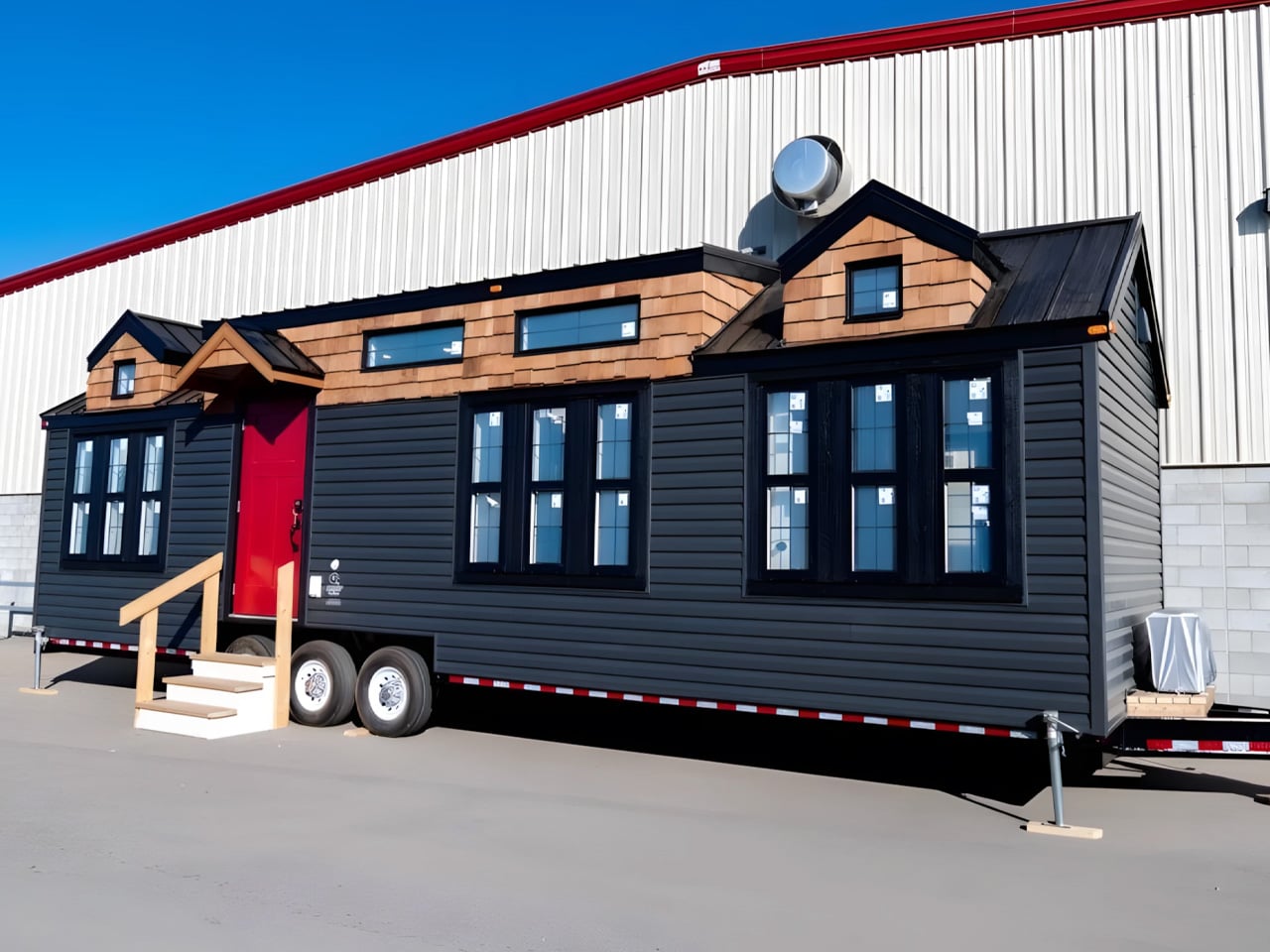
3 days agoCounty and Partners Celebrate Completion of Unique Affordable Housing Project
"To address housing affordability in our community, we need all types of affordable housing options, including affordable ownership opportunities that allow individuals and families an opportunity to build equity alongside housing stability," said Santa Clara County Supervisor Betty Duong.
East Bay real estate
Real estate
fromBusiness Insider
3 weeks agoHe didn't want to move away from his friends, so he built them an apartment building. Now, they all own it.
Co-housing offers a sustainable alternative to traditional housing by combining private homes with shared amenities and collective community management, addressing the limitations of both isolated living and overly intimate shared spaces.
Miscellaneous
fromArchDaily
1 month ago7 Unbuilt Masterplans Reimagining Urban Futures Through Ecology and Collective Space
Unbuilt urban masterplans explore adaptive spatial frameworks that recalibrate mobility, ecology, and collective life through climate-responsive design and public space integration across diverse global contexts.
Design
fromdesignboom | architecture & design magazine
3 days agoreversible cultural pavilion activates public space in frankfurt 2026
Spain's pavilion for World Design Capital 2026 emphasizes reversible cultural infrastructure and sustainable design through innovative materials and construction methods.
Design
fromYanko Design - Modern Industrial Design News
5 days agoBiomimetic Architecture Reaches New Heights With This Bird-of-Paradise Yoga Space - Yanko Design
Thilina Liyanage's architecture translates animal gestures into functional designs, exemplified by the Rifle Bird Yogashala inspired by the Victoria's riflebird's courtship display.
fromArchDaily
5 days agoThe Illusion of Lightness: Designing Civic Voids for Public Life
The original intent of pilotis was to create a sense of lightness that would allow circulation and light to flow beneath a structure, but contemporary requirements render thin columns insufficient for large-scale civic projects.
Renovation
fromArchDaily
2 months agoWho Owns Public Space? Three Active Models of Shared Management Shaping Urban Commons in Europe and New York
Public space is often understood as belonging to no one in particular, collectively accessible yet institutionally maintained, yet a growing number of initiatives are challenging this assumption by testing shared management and distributed ownership models. In Paris, Adoptez un banc introduces a sponsorship-based approach, allowing individuals and groups to support temporarily and symbolically claim responsibility for historic public furniture without compromising its collective use.
France news
Design
fromDwell
3 weeks agoWhat Live/Work Spaces Have Looked Like Through the Ages
Dual-purpose live/work housing has existed for centuries across cultures, with medieval European burgage plots and Japanese machiyas exemplifying how merchants historically integrated commerce and domestic life in single structures.
fromArchDaily
1 month agoThe Machine in the Age of Collective Practice
Every architectural epoch has been defined by its instruments. The compass, the drawing board, the camera, and the computer have each altered how architects think and produce. Yet the current moment feels qualitatively different.
Design
fromArchDaily
2 months agoWhen Eating Becomes Spatial: 14 Projects Built Around Shared Meals
In recent years, food has taken on a renewed role within architecture, not simply as a program or typology, but as a shared spatial practice. Beyond restaurants or dining design, communal eating spaces are increasingly understood as environments where presence, ritual, and time intersect, allowing people to gather, stay, and coexist. In these settings, eating does not just happen within space; it actively shapes it, temporarily transforming ordinary, borrowed, or improvised environments into places of exchange.
Design
[ Load more ]