#conservation-travel
#conservation-travel
[ follow ]
#sustainability #biodiversity #sustainable-tourism #overtourism #conservation #biodiversity-loss #wildlife


fromConde Nast Traveler
4 days ago9 Must-Visit Hotels for World-Class Snorkeling
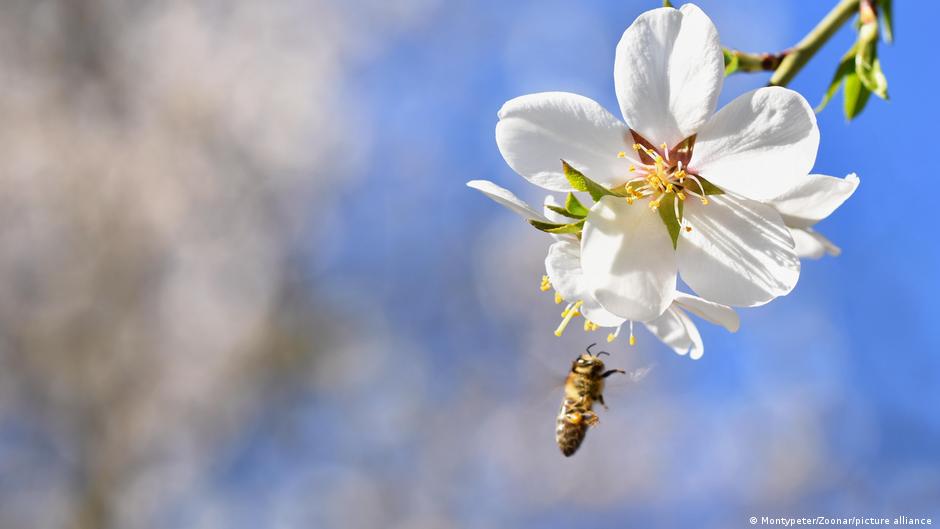
These reefs are living, breathing snapshots of a watery world that you can peek into: refreshing oases where the noise of the land falls away; in its place, an intricate and utterly at-ease slice of life that you're lucky enough to witness.
Berlin

fromMail Online
4 days agoBritain has just 20 years to save its wildlife, experts warn
'Our results show that the next 20 years are critical,' lead author Dr Rob Cooke told the Daily Mail. 'By around 2050, we reach a point where the choices we make on emissions and land use will largely determine whether Britain moves towards a much more degraded or a much more nature‑positive future.'
Environment
fromLos Angeles Times
3 weeks agoCalifornia national parks set attendance record, despite controversy
The nine national parks in the Golden State - including Yosemite, Death Valley and Joshua Tree - attracted nearly 12 million recreational visits in 2025, according to statistics from the National Park Service. That's up more than 800,000 visits from 2024 and up more than 300,000 from the previous record set in 2019, according to the data, which stretches back to 1979.
Washington DC
Mental health
fromwww.theguardian.com
3 weeks agoIt has changed my life': How a dose of nature is treating mental illness
Dose of Nature prescribes outdoor time as mental health treatment, achieving 64% recovery rates compared to NHS talking therapies' 50%, with nature exposure providing serotonin boosts and immune system benefits through phytoncides.
Non-profit organizations
fromwww.theguardian.com
2 weeks agoWe cannot replace USAID, but we can do big things': conservation plots a future without American money
Liberia's eco-guard program, funded by USAID, faces collapse after the Trump administration dismantled the agency, threatening forest conservation and wildlife protection in one of Africa's most biodiverse regions.
fromTravel + Leisure
1 month ago10 of the Greenest Places to Visit on Earth for a Lush Getaway in Nature
According to color psychology, this soothing shade helps decrease stress and improve focus-and travelers can reap these much-deserved benefits in lush landscapes around the world. Here are 10 of the greenest places on earth, which combine serenity with unforgettable adventures.
Miscellaneous
Agriculture
fromwww.theguardian.com
3 weeks agoVillagers on Principe, the African Galapagos', to be paid for protecting the ecosystem
Principe islanders receive quarterly dividends for following environmental protection codes, with nearly 3,000 participants receiving their first payment of €816, creating economic incentive for conservation.
Travel
fromInsideHook
3 weeks agoThe "Mystic Outlands" Travel Trend Is About More Than Moody Landscapes
Pinterest's 'Mystic Outlands' trend predicts 2026 travel will focus on whimsical, mystical destinations featuring dramatic landscapes, ancient ruins, and enchanting forests, though the appeal of such places has endured for centuries.
fromwww.theguardian.com
1 month agoIt creates a sense of belonging': Brazil bets on hiking trails for conservation
The idea that hiking trails are a tool for conservation is based on a simple premise: people protect what they know. That requires making conservation areas accessible. There's no point telling people you only protect what you know, if you don't give them the tools to know. The trail is this tool. People who hike, people who camp, these people often become defenders of the environment.
Travel
Arts
fromCN Traveller
2 months agoCentral Africa's rainforest wilderness is the back-to-nature safari destination we're dreaming of
Gabon is a sparsely populated Central African country dominated by rainforest, preserving rich traditional spiritual practices like Bwiti closely tied to nature and community life.
Digital life
fromWanderlust Storytellers - An Inspirational Family Travel Blog
2 months agoGet Paid to See the World: 29 Travel Jobs You Never Knew Existed
Many careers enable travel; identify transferable skills to convert a current job into a traveling role or choose travel-focused careers like tour guide or artist.
fromMindful
1 month agoCan Compassion Save the Planet?
When British author Karen Armstrong won the TED prize in 2008, she used the money to convene a group of religious thinkers from a wide range of faiths to craft an updated version of the Golden Rule for the 21st century. What emerged was the Charter for Compassion, which calls on people around the world "to work tirelessly to alleviate the suffering of our fellow creatures, to dethrone ourselves from the center of our world and put another there, and to honor the inviolable sanctity of every single human being, treating everybody, without exception, with absolute justice, equity and respect."
Philosophy
fromDaily Coffee News by Roast Magazine
1 month agoReport: Sustainability Must Be Embedded Into Core Buying Practices to Drive Change
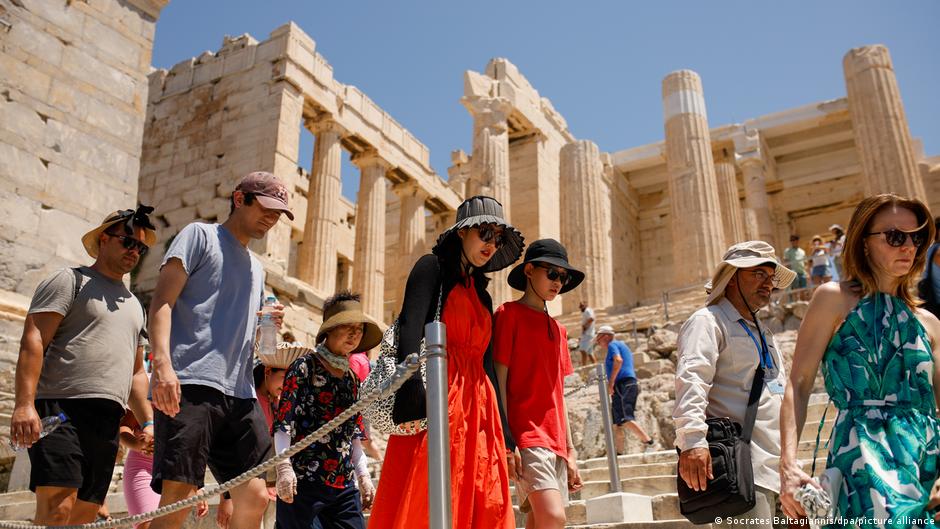
"Ironically, many if not most of these 'sustainability' projects remain disassociated from companies' core procurement strategies, meaning the coffee produced from these projects is not necessarily bought by the companies involved, or only in minimal quantities," the paper states. "And for the coffee that is purchased, prices do not factor into the project design, despite the fact that price is the single variable impacting farmer income that is in the direct control of companies."
Coffee
Environment
fromwww.theguardian.com
1 month agoAustralian wildlife in harm's way' with volunteers left to pick up the pieces' amid climate crisis, fires and floods
Labor is urged to establish national wildlife protection standards for disaster response, with advocates warning biodiversity risks could become irreversible without coordinated government-funded rescue and rehabilitation services.
fromwww.kaltblut-magazine.com
2 months agoTerrain
The body is a shifting landscape transformed by surfaces and sensations. Each look captures a different tactile world: the heat of blood, the cool weight of metal, the yielding drift of water. The result is a sculptural study of how the elements carve, shield, and release the self. The materials we embody become the emotions we carry, and the body becomes a materialised exhibition of our emotions, from the pulse of Blood to the discipline of Metal to the surrender of Water.
Fashion & style


fromHigh Country News
1 month agoIt's time to rethink how we care for our public lands and waters - High Country News
Wildlife populations are in decline. Recreation sites are crowded and often underfunded. Wildfires are larger, more destructive and harder to control. Climate change is reshaping natural systems, from ocean fisheries to mountain snowpacks, faster than institutions can respond. At the same time, communities are being asked to host new energy projects, transmission lines and mineral development - often without clear processes, adequate resources or trust that decisions are being made in the public interest.
Environment
Travel
fromWanderlust Storytellers - An Inspirational Family Travel Blog
1 month agoGet Paid to Travel: 29 Amazing Jobs That Fund Your Adventures Around the World
Transform existing skills or choose remote and travel-friendly roles to earn income while exploring the world; few jobs pay to travel directly.
fromCN Traveller
1 month agoI visited a new breed of safari lodge, where I learned the power of blending wildlife and wellness
On a cool, rainy afternoon in the wilds of Laikipia, Kenya, I am lying in savasana, or corpse pose, beside a log fire in the pool house of Enasoit Camp. The teacher, Laura Bunting, gently intones a yoga nidra to our small, all-female group, during which I slip in and out of a hypnotic half-light state, only vaguely aware of the sound of rain on the thatched roof and the percussive efforts of a nearby woodpecker.
Travel
fromIndependent
2 months ago'It's not about ticking off the Big Five' - Booking a safari this year? Here's how to make sure it's ethical
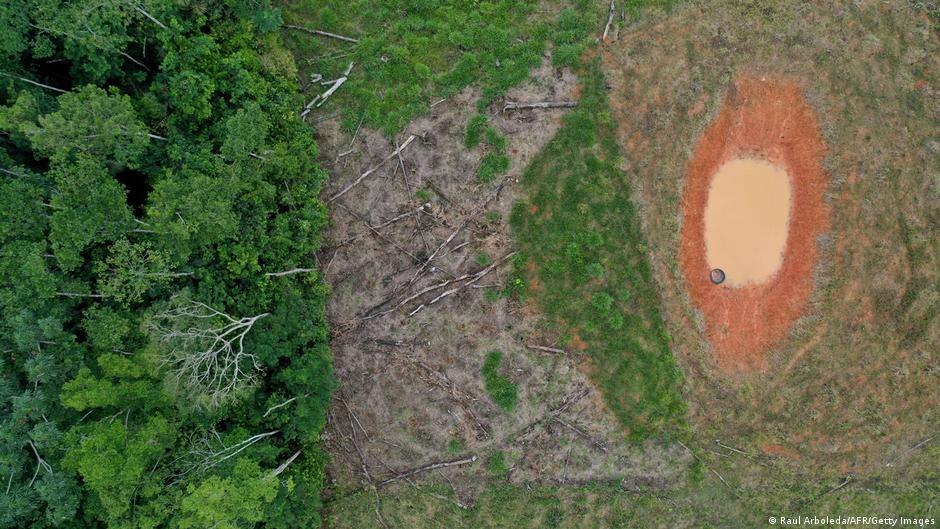
Demand for safari holidays is growing, so how can you do it without harming animals, people or the landscape? Last summer, images were shared of a scene in Tanzania's Serengeti National Park - a large group of jeeps and dozens of tourists standing outside taking pictures of 'The Great Migration' and blocking wildebeests' traditional crossing point. Jeep traffic jams have also been widely reported in other parks, including Sri Lanka's Yala, known for its high density of leopards.
Environment
fromTravel + Leisure
2 months ago10 Stunning National Parks to Visit Outside the U.S., According to Top Travel Advisors
As one of the most protected national parks in the world, the Galápagos Islands are full of incredible wildlife that are not afraid of humans and will come in closer contact with you than is possible in most other natural places in the world. You can experience a variety of landscapes in a small space, from lush highlands full of tortoises to moon-like volcanic rock covered in piles of iguanas.
Travel
Environment
fromElite Traveler
1 month agoWhat Does the Future of Ultra-Luxury Travel Look Like in the World's Most Fragile Destinations?
Ultra-luxury travel is shifting toward responsibility, with destinations using visitor levies and access controls to protect fragile ecosystems and manage overtourism.
fromConde Nast Traveler
2 months agoThe Biggest Travel Trends of 2026
When the time comes to begin working on our annual travel trends of 2026 list, I get to thinking about the year that's just passed (somehow always so much quicker than the last) and the trends that shaped how we traveled. If I could sum up 2025, it would be the year that we let the stars dictate our destinations; sought out intrepid supper clubs; detoured to lesser-known spots and tried our (ranch) hand at cowboycations (thank you, Yellowstone).
Travel
Environment
fromTravel + Leisure
2 months agoThis Coastal City Was Just Named the 'Greenest' in the World-and It's an Eco-friendly Dream for Nature-loving Travelers
Vancouver ranks as the world's most eco-friendly city due to abundant green space, high renewable energy use, clean air, efficient public transportation, and strong bikeability.
fromFast Company
1 month agoThese digital tools are stepping up the global fight against wildlife trafficking
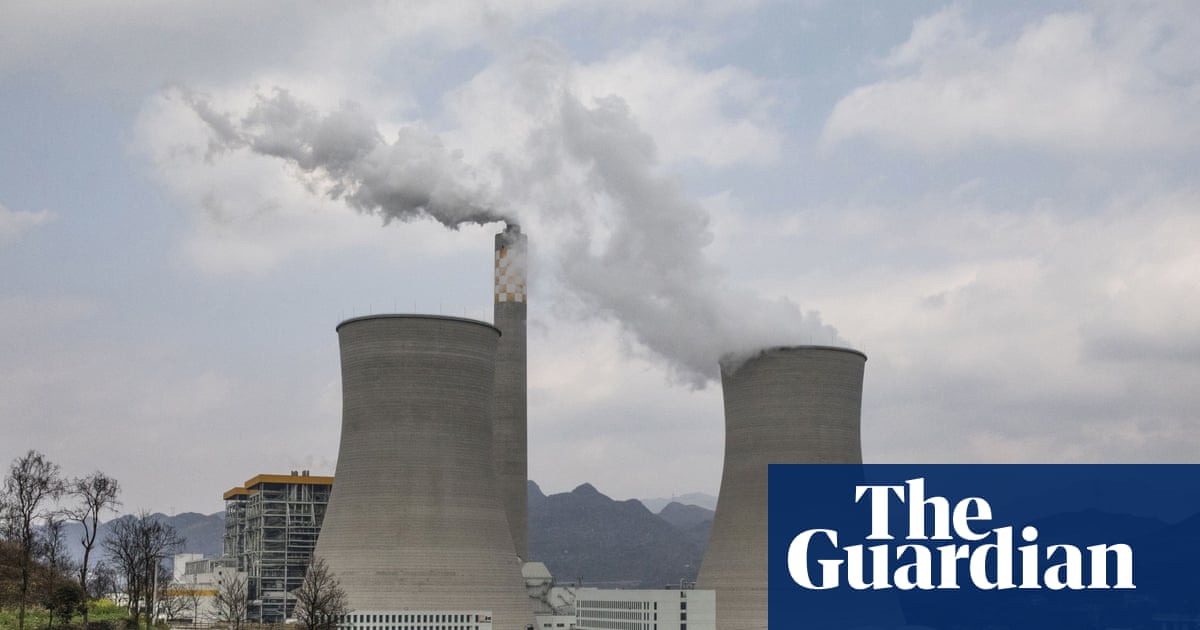
In late 2025, Interpol coordinated a global operation across 134 nations, seizing roughly 30,000 live animals, confiscating illegal plant and timber products, and identifying about 1,100 suspected wildlife traffickers for national police to investigate. Wildlife trafficking is one of the most lucrative illicit industries worldwide. It nets between US$7 billion and $23 billion per year, according to the Global Environment Facility, a group of nearly 200 nations as well as businesses and nonprofits that fund environmental improvement and protection projects.
Environment
[ Load more ]