#contemporary-table-lamps
#contemporary-table-lamps
[ follow ]
#interior-design #architecture #design #lighting-design #home-decor #furniture-design #product-design #lighting


#furniture-design
Design
fromYanko Design - Modern Industrial Design News
2 days agoOne Week Design's Squares Furniture Is Built on a Bricklayer's Memory - Yanko Design
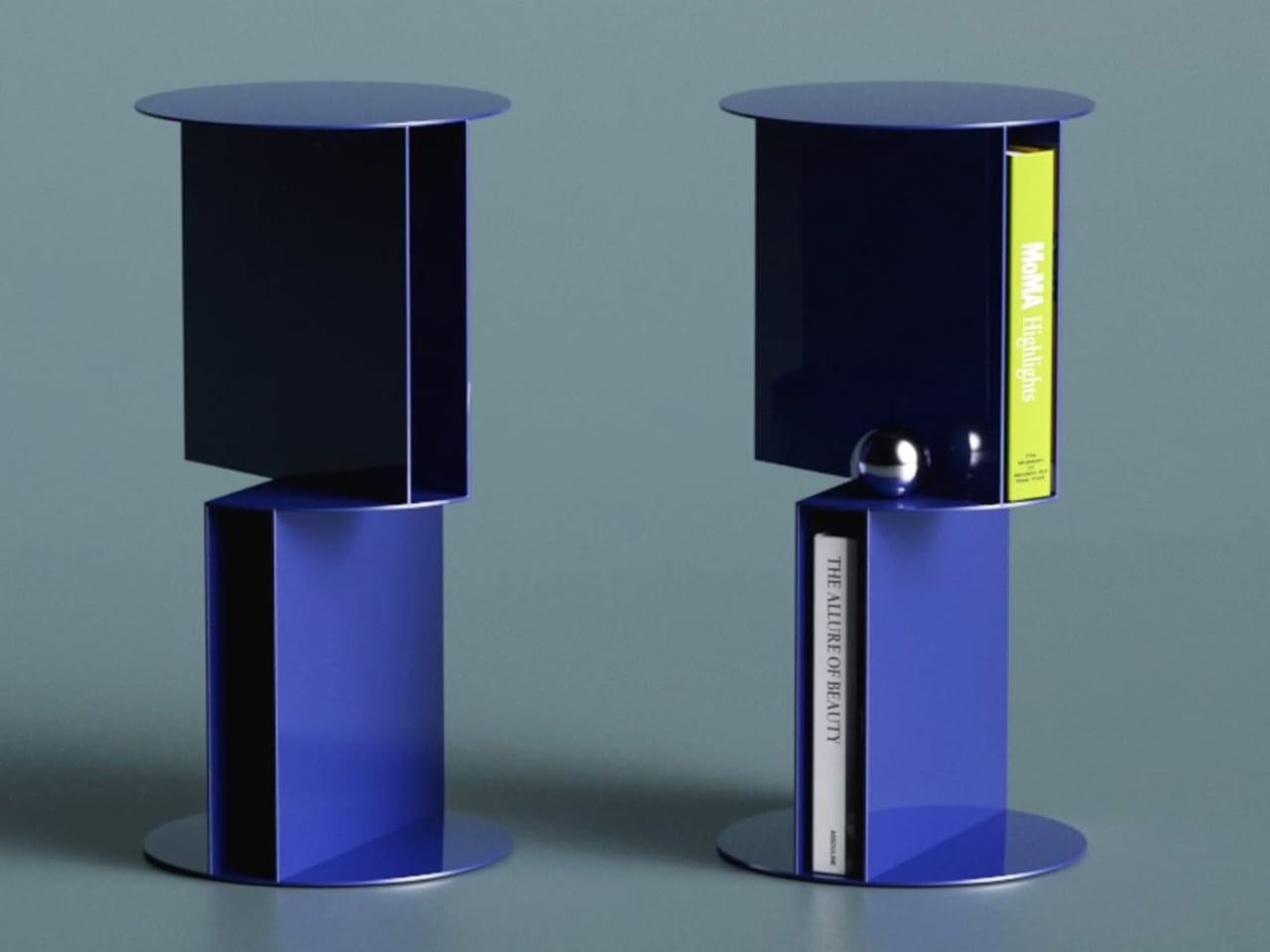
The Squares collection by Xiaoya Wang and Jian Ni embodies personal memory and design restraint, creating furniture that resonates emotionally.
fromArchitectural Digest
2 days agoI'm Done Sourcing So Much Online. Here's Why
The convenience of sourcing online is fraught with more pitfalls than most of us want to admit. Try finding adequate photos of a vintage piece's condition-close-ups of the fabric, video of damaged areas, any images of a piece's rear or underside!
UX design
UX design
fromYanko Design - Modern Industrial Design News
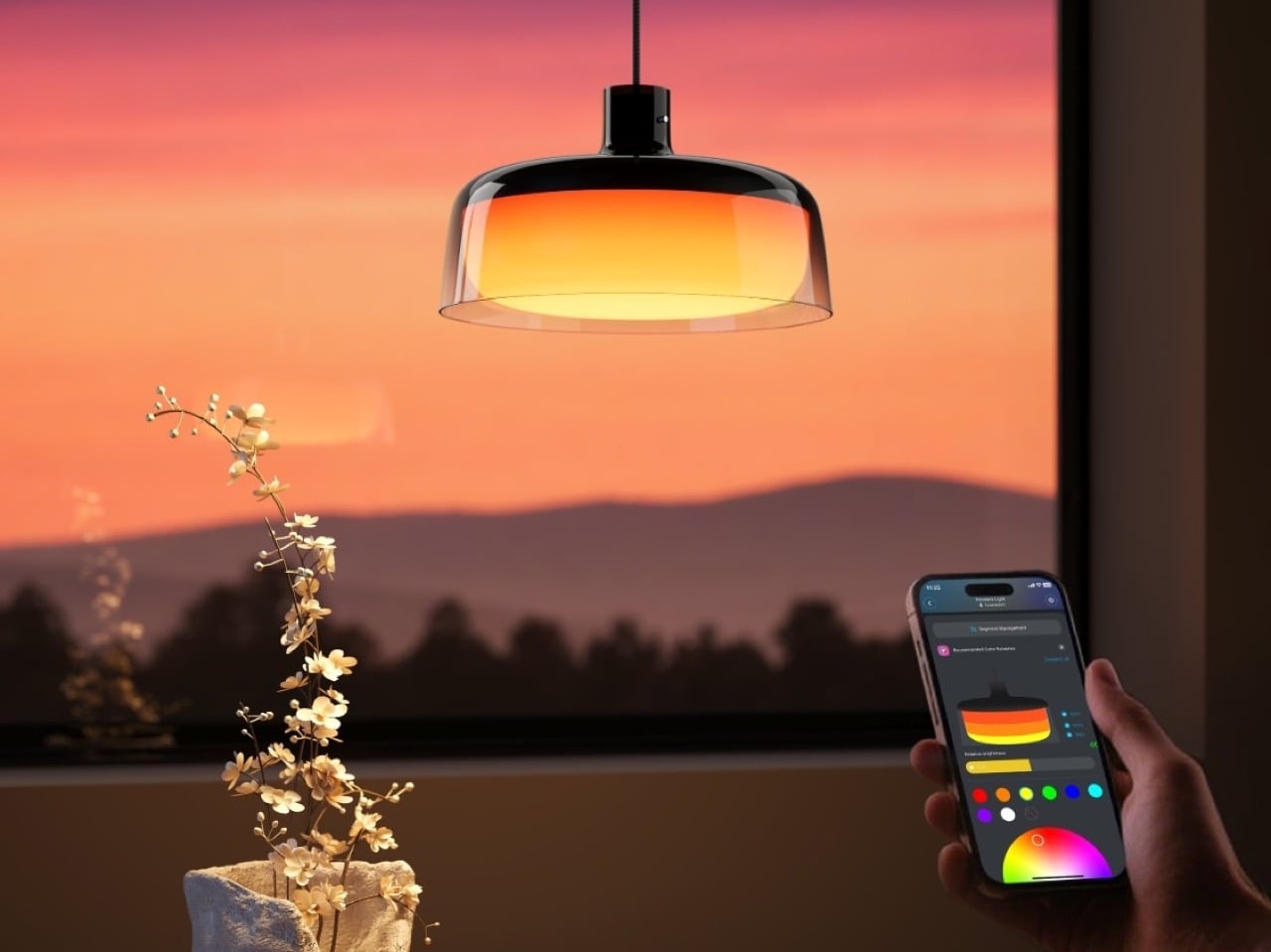
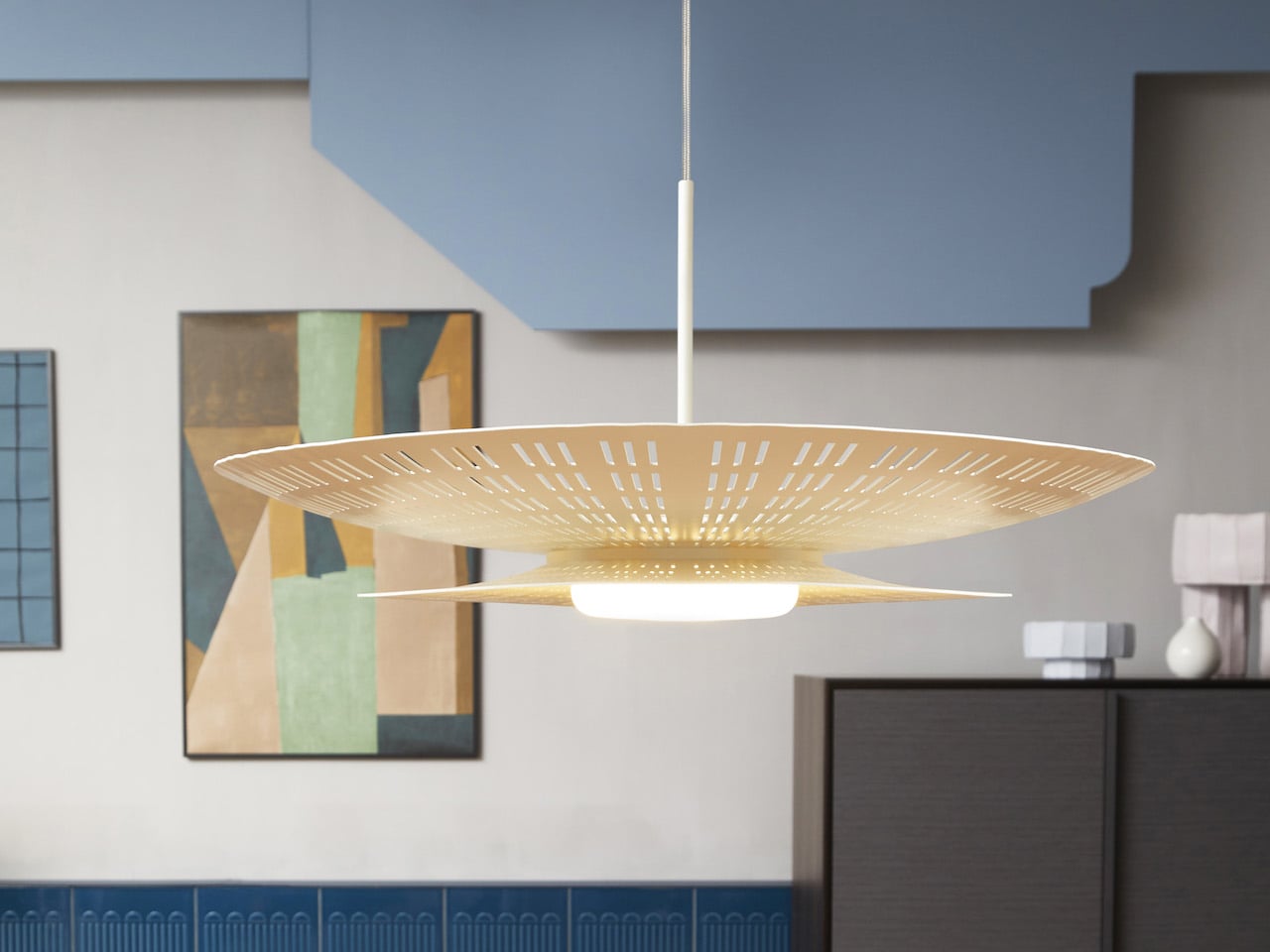
1 week agoYour Light Switch Is the Worst-Designed Thing in Your House. Inkslab Offers An Alternative - Yanko Design
Inkslab panel series transforms wall switches into a visually striking interface using irregular polygonal designs inspired by classical Suzhou gardens.

UX design
fromYanko Design - Modern Industrial Design News
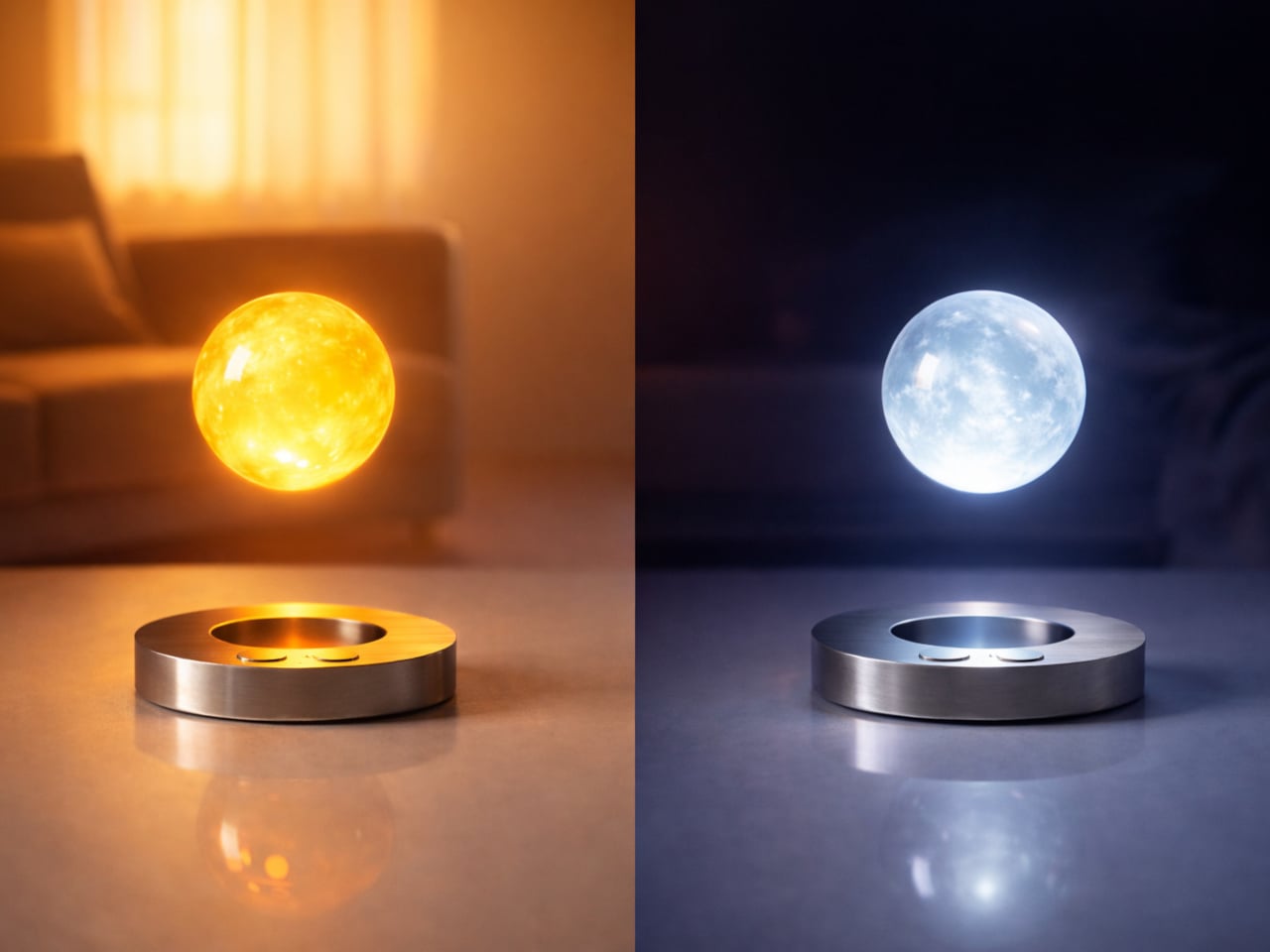
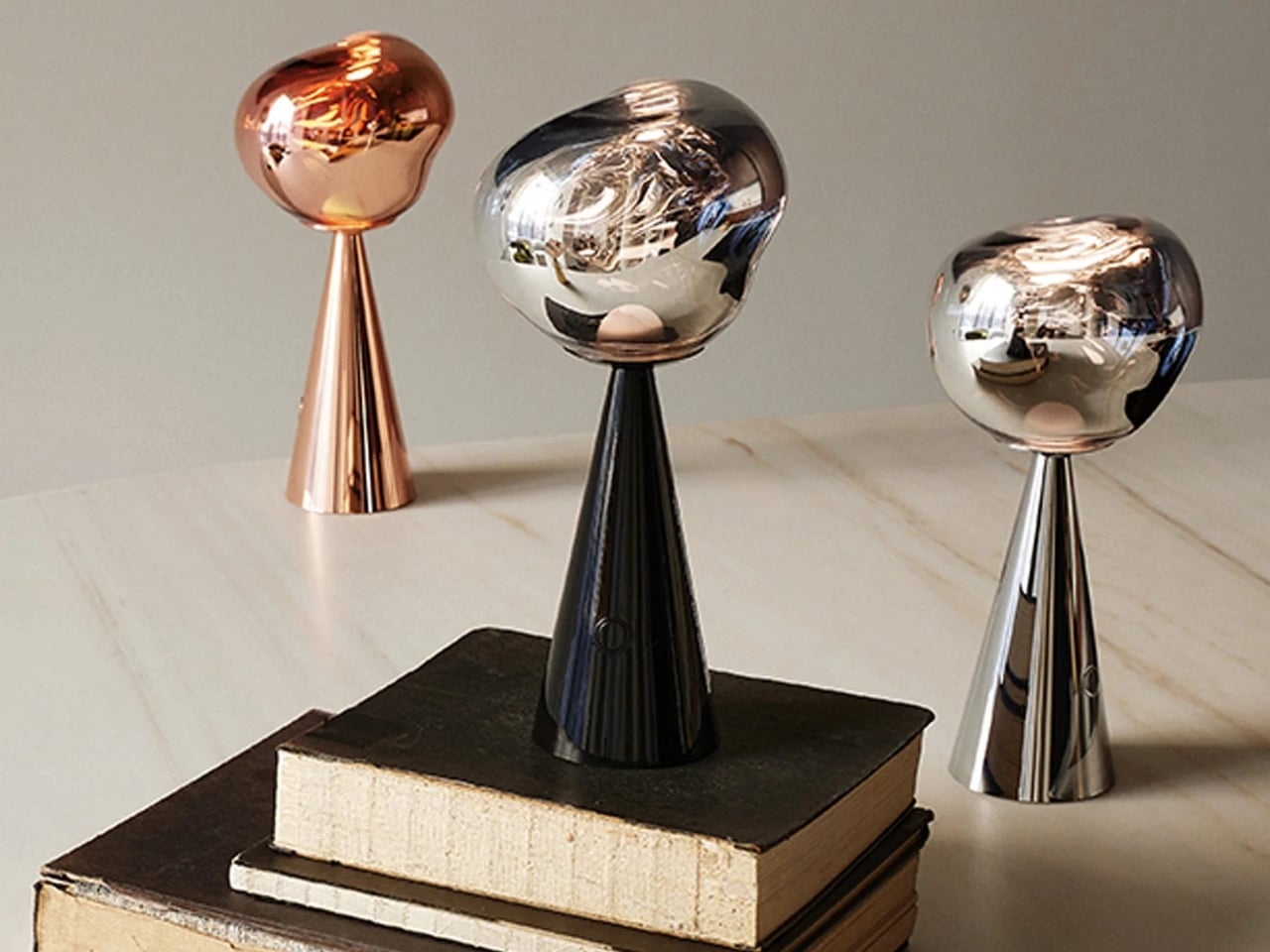
2 weeks agoBuddy's Wind-Up Mood Lamp Is the Anti-App We All Need - Yanko Design
A portable mood lamp with a single mechanical winding key eliminates unnecessary technology complexity while providing eight science-informed light modes for different moods and activities.
#lighting-design


Renovation
fromRedfin | Real Estate Tips for Home Buying, Selling & More
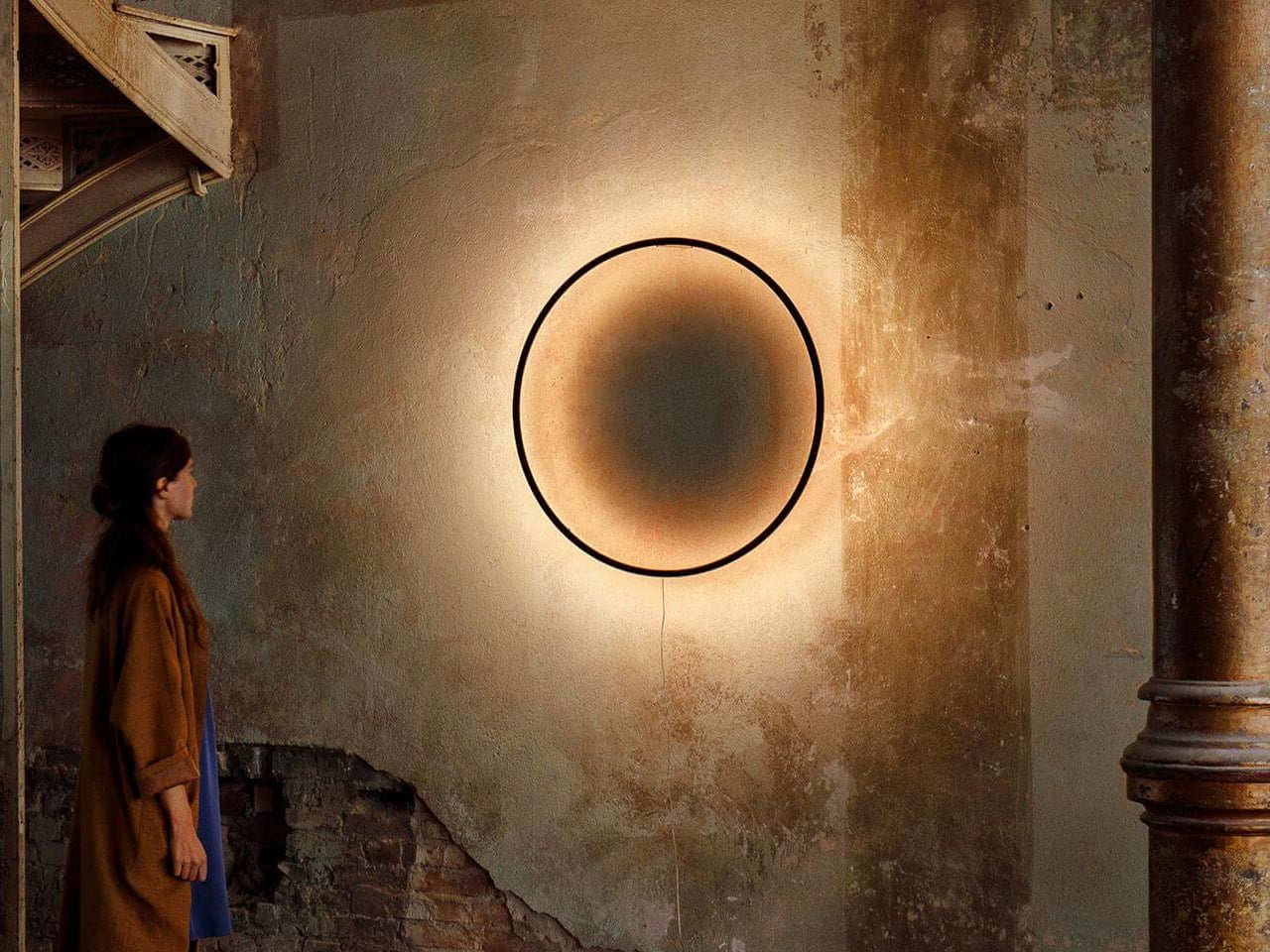
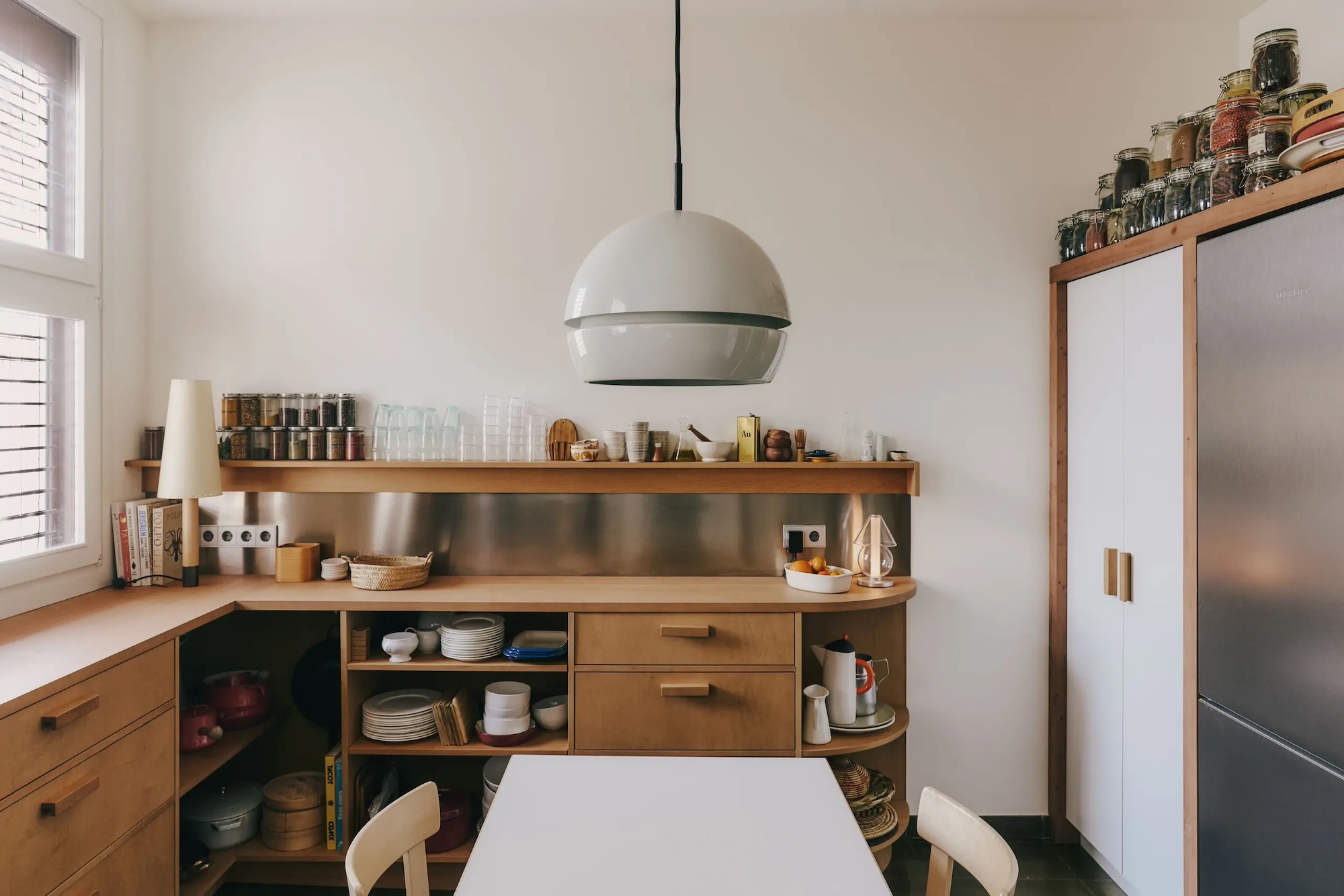
3 weeks ago5 Reasons Why Lighting Design Matters More Than You Think in Home Interiors
Thoughtful lighting design enhances home comfort, style, and well-being by supporting circadian rhythms and transforming how spaces feel and function.
Gadgets
fromYanko Design - Modern Industrial Design News
1 month ago5 Best Desk Lamps That Light Your Workspace Better Than Any Overhead Light Ever Could - Yanko Design
Targeted desk lamps provide intentional, focused lighting that reduces strain and improves concentration better than overhead fixtures, with five distinct models addressing different workspace needs and preferences.
fromColossal
1 month agoIn Collaboration with Indigenous Artisans Around the World, PET Lamp Emphasizes Sustainability
Tons upon tons of these single-use plastics end up in landfills or even floating in the ocean. Spanish design firm PET Lamp set out give another purpose to these otherwise short-lived materials. Partnering with artisans in communities from Chile to Ethiopia to Australia, the company celebrates both Indigeneity and sustainability, drawing upon time-honored global craft traditions while supporting local economies and recycling discarded materials.
Arts
fromYanko Design - Modern Industrial Design News
5 days agoThe Side Table That Folds a Bookshelf Into Its Own Top - Yanko Design
The Boca table by designer Deniz Aktay is not interested in that conversation at all. At first glance, it reads as a straightforward piece: a circular metal top, slim tubular legs bent into a smooth C-shaped base, a warm terracotta finish.
Design
fromYanko Design - Modern Industrial Design News
2 weeks agoThis Jellyfish-Inspired Lamp Transforms When You Switch It On - Yanko Design
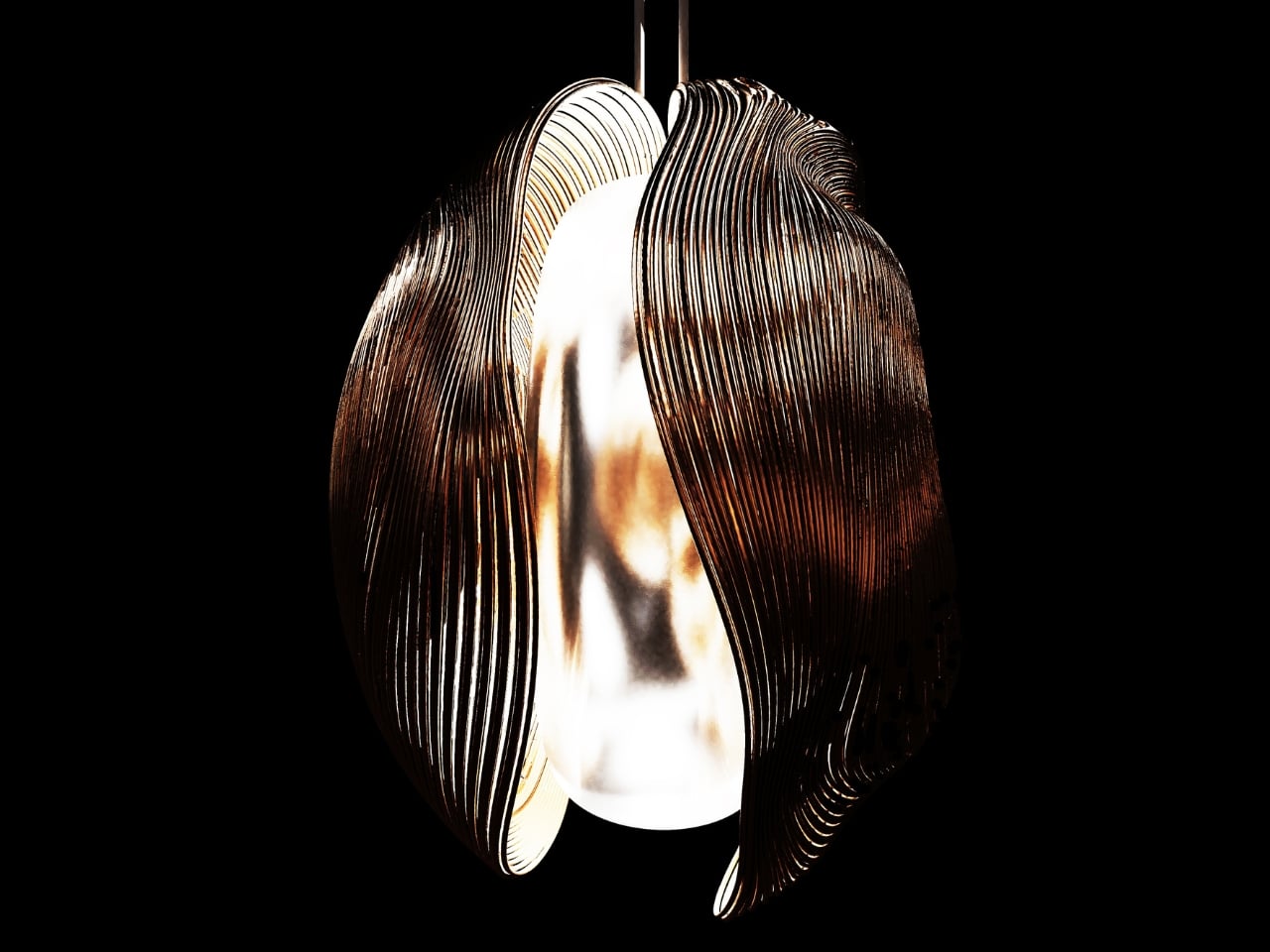
The reference point is specific, not from a general impression of the ocean, but from the particular way jellyfish tentacles move: slow, layered, and almost meditative in repetition. That quality informs the lamp's layered construction and the dense organic lattice etched across its translucent shade. The pattern reads quietly in a lit room. Switch the lamp on and the whole surface activates, casting warm amber light through the texture in a way that feels atmospheric rather than task-driven.
Design
fromYanko Design - Modern Industrial Design News
3 weeks agoBeanue Mini Is the Lamp Your Body Has Been Waiting For - Yanko Design
As you dim the lamp, it does not just reduce brightness. It simultaneously shifts the color temperature from a crisp, clear white toward a warm amber tone. During the day, the light is sharp and cool, the kind that supports focus and keeps you alert. As evening arrives and you begin dimming down, it moves into amber territory, which is the spectrum that does not interfere with melatonin production.
Design
Design
fromYanko Design - Modern Industrial Design News
3 weeks agoThese Shell-Inspired Lamps Cast Wing-Like Shadows on Your Walls - Yanko Design
Pelk lamps prioritize sculptural form over functional invisibility, using shell-inspired curved metal arcs to create dramatic lighting effects and shadows that extend the fixture's visual presence.
Remodel
fromTasting Table
2 months ago12 Kitchens With Lighting Ideas You'd Never Think To Try - Until Now - Tasting Table
Statement lighting transforms kitchens from functional to striking, defining ambience and style; choose fixtures like iron chandeliers or natural woven lamps for cohesive, budget-friendly impact.
fromArchitectural Digest
1 month agoYour Living Room Needs a Floor Lamp With a Table Attached
Floor lamps with tables attached pull double duty without taking up valuable floor space. Shine a light on your living room and create a home for your remote and evening cocktail without needing to precariously balance everything on your couch cushions, or worse, the floor.
Design
fromDesign Milk
1 month agoThe Aplat Table Lamp by CPRV Is Light As Paper
The human eye can only focus on one thing at once. As much as we might insist otherwise, we are meant to see this way - evolutionarily, it hasn't been worth it to change. This helps our balance as bipeds, and lessens workload on the brain, parsing out information in a way we can truly understand. We process visual data similarly, and can extend this function even further to product.
Design
fromArchDaily
2 months agoFrom Industry to the Living Room: Metal Furniture in Interior Architecture
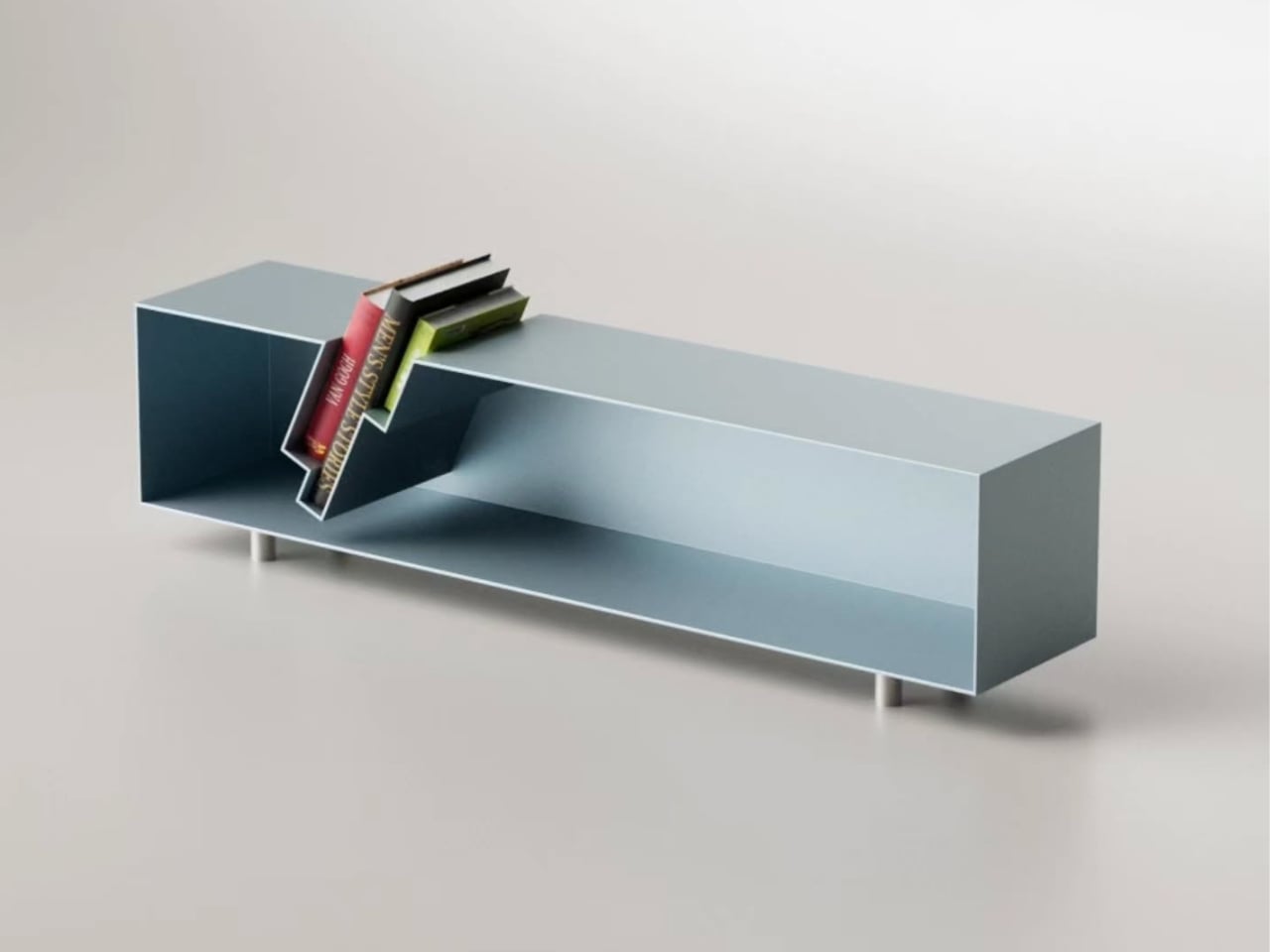
How did a material conceived for bridges, factories, and large-scale structures make its way to the living room bench, the apartment bookshelf, the café table? For centuries, metal was associated with labor, machinery, and monumentality-from the exposed structures of 19th-century World's Fairs to the productive logic of modern industry. Its presence in domestic interiors is not self-evident but rather a cultural achievement: the transformation of an industrial material into an element of everyday, intimate use, in close proximity to the body.
Design
Design
fromYanko Design - Modern Industrial Design News
2 months agoILO Lamp Lets Soft Light Wander Between Rooms - Yanko Design
A portable lamp with a luminous donut and weighted base provides cordless, sculptural, induction-charged ambient light that follows people’s movements without visible cables.
[ Load more ]