#control
#control
[ follow ]
Relationships
fromIndependent
1 month agoModern Morals: I've never had an orgasm - how do I tell my boyfriend I've been lying without wounding his pride?
Persistent inability to orgasm coexists with a strong need to control sexual experiences; enjoys sex but reports never orgasming and tells partner orgasms are subtle.
fromPsychology Today
2 months agoFinessing Fate: Living With Two Forms of Power
An old definition of the word fate is "the will of the gods." We might say that it is a fitting metaphor, as it suggests that fate comes from a source much larger than ourselves. Its immensity will stretch way beyond what is in our control. We can ask: How can we create a life that reflects our dreams and what we hold to be important, when so much lies outside our sphere of influence?
Philosophy
fromSilicon Canals
2 months agoPsychology says people who fold their towels one specific way and can't stand when others don't display these 6 traits about control that show up everywhere - Silicon Canals
The truth is, those seemingly innocent preferences about towel folding, dishwasher loading, or desk organization often reveal deeper patterns about how we relate to control in every aspect of our lives. And according to psychology, there are specific traits that tie these behaviors together in fascinating ways. 1) They need predictability in their environment to feel safe Have you ever met someone who gets anxious when their morning routine gets disrupted?
Psychology


fromFast Company
2 months ago5 habits that are sabotaging your happiness
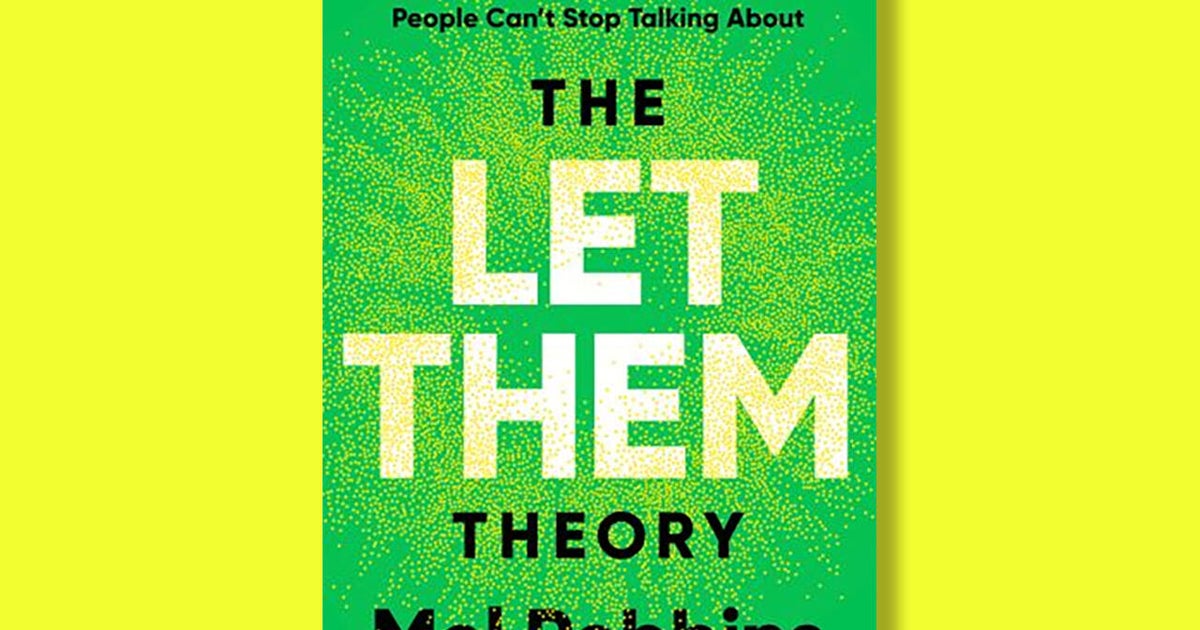
What's the big idea? Why do we fall into the same patterns-whether that's people-pleasing, perfectionism, or emotional numbing-even when we know they're not good for us? These strategies help us feel safe, but replacing that armor with inner strength lets us move with freedom instead of fear. Listen to the audio version of this Book Bite-read by Kati herself-in the Next Big Idea App. 1. Control is a survival strategy.
Mental health

fromPsychology Today
3 months agoThe Three Cs of Change for Eldest Daughters
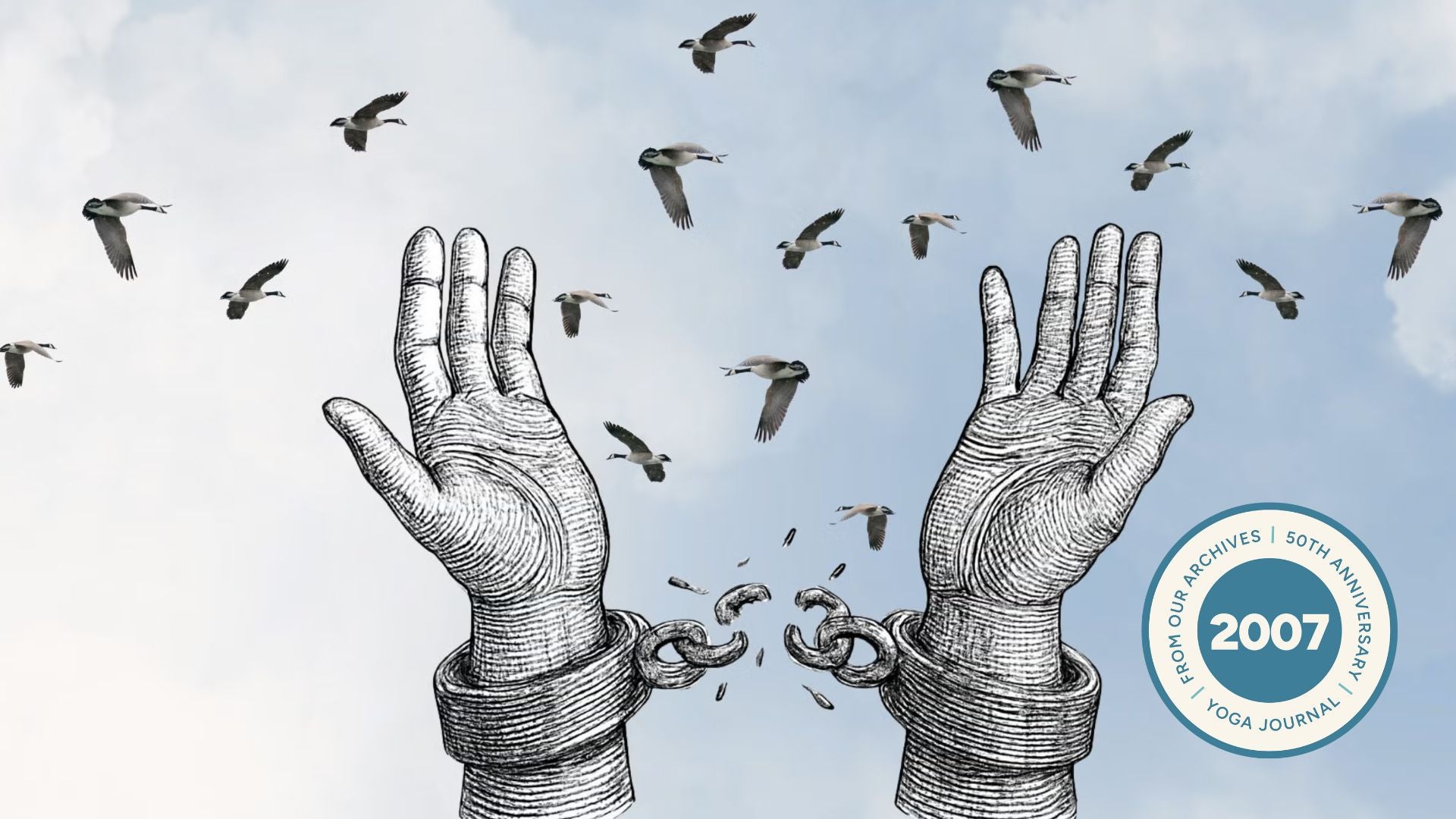
When you're the one who organizes the family vacation, calls the plumber for your parents, and coordinates every Mother's Day gift, it's easy to feel resentful that nobody else is stepping up to help. Often, the eldest daughter is the one who notices-and in noticing, begins to believe she's responsible. Family researchers have long described this as intergenerational vigilance (Miller-Ott et al., 2017), a sense of watchfulness passed down through gendered expectations.
Relationships
fromPsychology Today
3 months agoCan a Non-Conformist and a Rigid Personality Get Along?
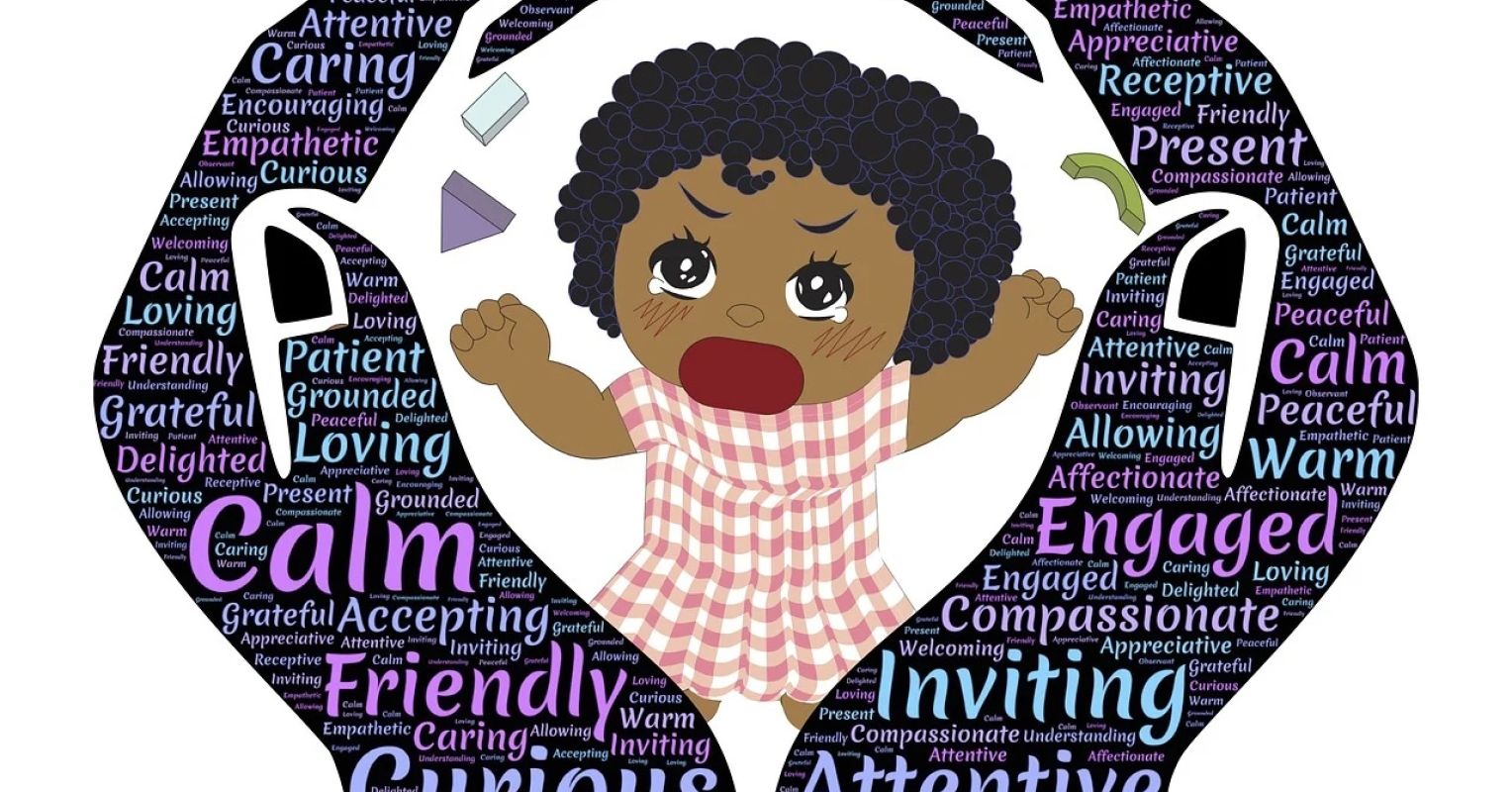
At the core of OCPD is a pervasive preoccupation with order, control, and perfectionism, governed by a strict set of internal rules about how things should be done. These rules are not seen as preferences but as objective truths.· Non-conformists directly violate these rules. Their behavior signals that the OCPD individual's "correct" way is not the only way, which can feel destabilizing and threatening to their entire worldview.
Mental health




fromTiny Buddha
6 months agoThe Power I Now Carry Because of My Illness - Tiny Buddha
For years, I thought strength meant pushing through. Getting on with it. Holding it together no matter what. Not showing weakness. Not needing help. Not slowing down. Even when I was diagnosed with a chronic illness, I wore that mindset like armor. I was determined not to let it define me-let alone derail me. But eventually, it did. Not because I was weak. But because I was human. And that was the beginning of a different kind of strength.
Mindfulness
fromEntrepreneur
9 months agoWhy Letting Go of Control Was the Hardest - and Smartest - Move I Made | Entrepreneur
I've learned that vulnerability actually opens more doors than it closes. It's soft, it's relatable, it makes me more human and less robotic, which diminishes toxic boss vibes.
Growth hacking
fromGame Informer
9 months agoFBC: Firebreak Preview - Hands-On With A Game Taking The "Opposite Approach" Of Fortnite - Game Informer
This lighthearted tone permeates every aspect of the game. Director Mike Kayatta says that if Control is 80 percent atmospheric horror and 20 percent absurdity, FBC: Firebreak flips that ratio, leaning into the silliness.
Video games
[ Load more ]