#controlled-burn
#controlled-burn
[ follow ]
#climate-change #wildfires #public-health #palisades-fire #evacuations #wildfire #california #sustainability



fromHigh Country News
4 days agoForest Service overhaul sows confusion, concern - High Country News
"Nobody is asking for this. None of the farm groups want this. No one in conservation wants this. Nobody." Robert Bonnie, former Forest Service undersecretary, highlights widespread opposition to the reorganization.
Washington DC


Online marketing
fromSocial Media Explorer
3 weeks agoScrolling for Shade: What Homeowners are Actually Searching for Regarding Tree Care - Social Media Explorer
Social media tree-trimming trends prioritize aesthetics over proper arboriculture; professional pruning serves biological functions like wind resistance, not just visual appeal.
fromMail Online
4 days agoBritain has just 20 years to save its wildlife, experts warn
'Our results show that the next 20 years are critical,' lead author Dr Rob Cooke told the Daily Mail. 'By around 2050, we reach a point where the choices we make on emissions and land use will largely determine whether Britain moves towards a much more degraded or a much more nature‑positive future.'
Environment
Non-profit organizations
fromKqed
4 weeks agoThe Eaton Fire Destroyed Altadena's Lush Greenery. These Volunteers Are Growing It Back | KQED
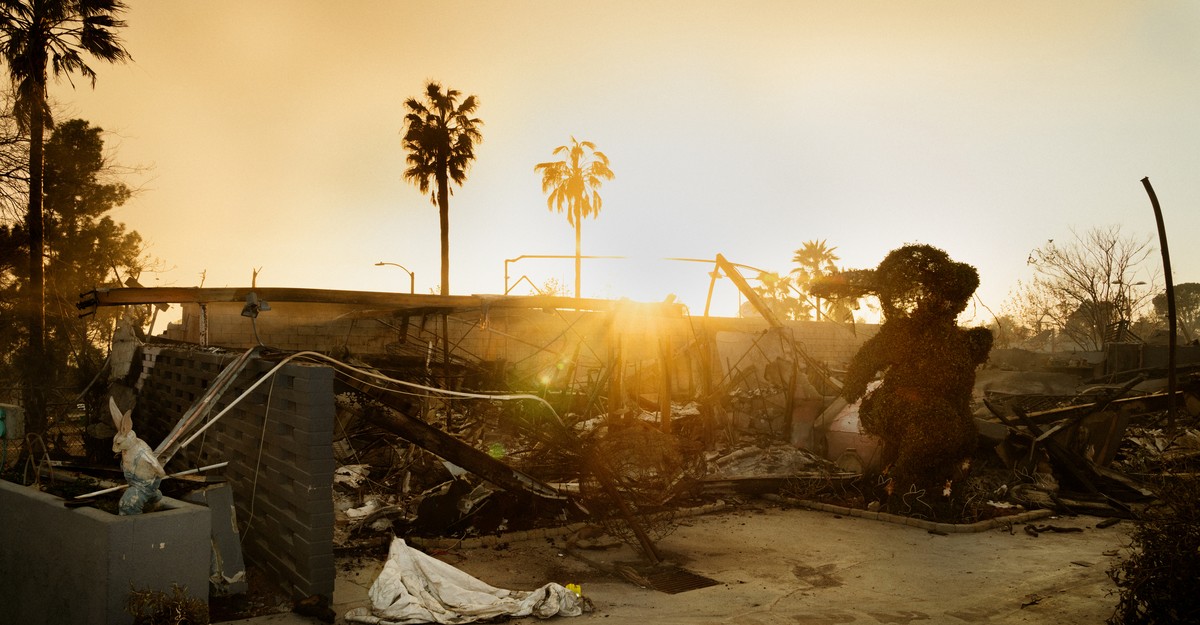
Community-led reforestation efforts and partnerships are restoring Altadena's green spaces after the devastating 2025 Eaton Fire destroyed homes and native vegetation.
#wildfire-prevention
California
fromLos Angeles Times
1 month agoLegislators eye new prevention efforts in fire-scarred California: 'A tipping point'
California legislators introduced a dozen bills to prevent wildfires and reduce damage following devastating January fires that killed 31 people and caused $250 billion in losses.
Environment
fromwww.theguardian.com
2 weeks agoCan culling your garden slow a wildfire? A California city pins its hopes on a contested plan
Homeowners in high-risk wildfire areas must remove flammable vegetation near their homes, including beloved plants, as part of new Zone 0 fire safety regulations requiring cleared space around structures.
Environment
fromEarth911
1 month agoGuest Idea: The Wildfire Season You're Not Prepared For
Extreme wildfire conditions caused by heat, drought, and wind alignment have nearly tripled globally over 45 years, with human-caused climate change responsible for over half this increase, making simultaneous extreme fire weather across multiple regions increasingly common.
fromLos Angeles Times
2 months agoA push to end a fractured approach to post-fire contamination removal
The patchwork efforts to identify and safely remove contamination left by the 2025 Eaton and Palisades fires has been akin to the Wild West. Experts have given conflicting guidance on best practices. Shortly after the fires, the federal government suddenly refused to adhere to California's decades-old post-fire soil-testing policy; California later considered following suit. Meanwhile, insurance companies have resisted remediation practices widely recommended by scientists for still-standing homes.
Public health


fromHigh Country News
1 month agoIt's time to rethink how we care for our public lands and waters - High Country News
Wildlife populations are in decline. Recreation sites are crowded and often underfunded. Wildfires are larger, more destructive and harder to control. Climate change is reshaping natural systems, from ocean fisheries to mountain snowpacks, faster than institutions can respond. At the same time, communities are being asked to host new energy projects, transmission lines and mineral development - often without clear processes, adequate resources or trust that decisions are being made in the public interest.
Environment


fromLos Angeles Times
2 months agoLeaked memo reveals California debated cutting wildfire soil testing before disaster chief's exit
One year ago, Nancy Ward, then the director of the California Governor's Office of Emergency Services (Cal OES), petitioned the Federal Emergency Management Agency to spearhead the cleanup of toxic ash and fire debris cloaking more than 12,000 homes across Los Angeles County. Although Ward's decision ensured the federal government would assume the bulk of disaster costs, it came with a major trade off.
California
fromLos Angeles Times
2 months agoClashing with the state, L.A. City moves to adopt lenient wildfire 'Zone Zero' regulations
Critics of Zone Zero, who are worried about the financial burden and labor required to comply as well as the detrimental impacts to urban ecosystems, have been particularly vocal in Los Angeles. However, wildfire safety advocates worry the measures endorsed by L.A.'s City Council will do little to prevent homes from burning.
California
fromKqed
2 months agoMaidu Tribes Reignite Ancestral Fire Stewardship in the Sierra Foothills | KQED
Before burning the meadow, Herrera urged everyone to think about those who would gather materials in the coming months. "It's going to be a place where our people can gather food, fibers and medicines," she said. "We want to make sure all of that stuff stays really clean." Basket weavers often hold materials in their mouths, and it's long been a challenge to find plants free of fuel or herbicides. Here, the tribe can tend its garden as it chooses.
Environment
[ Load more ]