Cooking
fromTasting Table
1 day agoThe Quick 2-Ingredient Glaze For Chicken With Sweet Southern Flavor - Tasting Table
Honey butter sauce enhances chicken flavor, adding richness and sweetness, and can be easily modified for various taste profiles.
The average oven broiler generally reaches 500 to 550 degrees Fahrenheit. As well as being an incredibly tough material and, despite its malleability, aluminum foil is well within its range to handle the high heat of a broiler. At 1,220 degrees Fahrenheit, it has a melting point over double the average temperature your broiler can reach.
Bones give the broth body, and dark meat adds richness. While white meat chicken, say from the breast of leftover rotisserie chicken, may be easy to add to your soup, it won't give you great depth of flavor like a drumstick would. She prefers to keep the skin on and the bones in as the meat cooks in the soup, noting that any excess fat can be skimmed off prior to serving.
When asked, 'Is pre-minced garlic ever okay?' Flay succinctly responds that the ingredient is, in fact, 'never okay.' Pre-minced garlic comes in jars packed in oil, to be spooned into dishes as needed. This might seem particularly appealing when staring down the barrel of larger-batch recipes (finely mincing two cups' worth of fresh garlic demands a sizable chunk of time, to be sure).
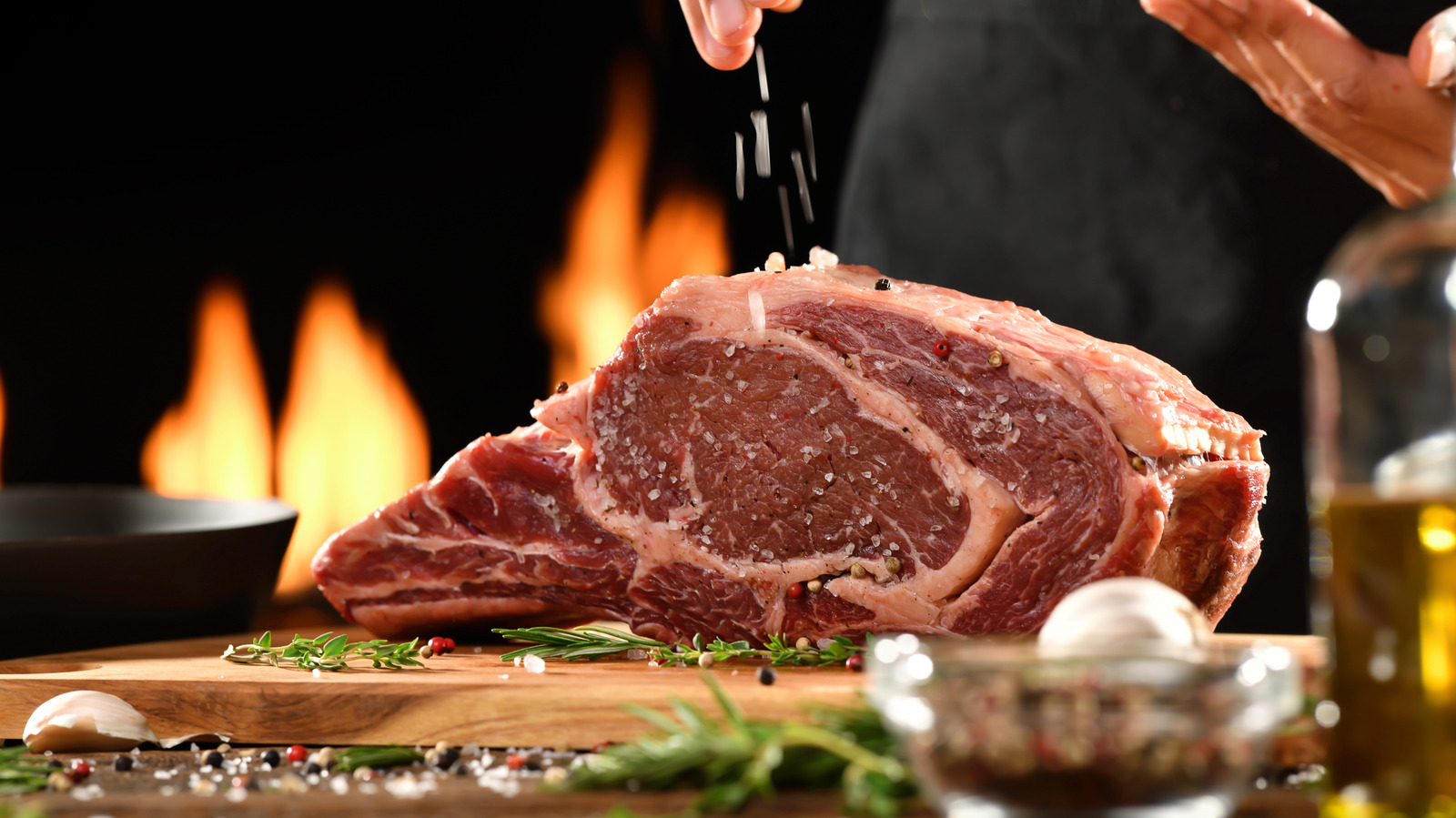
Cooking prime rib on the grill rather than in the oven will give you more smoky flavor and that signature char of a steak - just on a juicy, thick cut like prime rib. It's important to note that this method works best for rib steaks that are about 2 inches thick and weigh about 2 pounds.
The behind-the-scenes look at the kitchen shows how the chef prepares the meatballs - first by chopping and stuffing frozen veal into a meat grinder. White Italian bread, milk, and egg - classic meatball ingredients - pair with sheep's milk cheese, scallions, caramelized onions, Italian seasonings, and more to form the base of the meatballs.
Ever heat up canned soup and find the flavor off, like it's not tasting quite right? Well, you've probably made one of the most common mistakes everyone makes with canned soup: not heating it enough in the microwave. When canned soup is lukewarm or cold, the flavors often taste muted, underdeveloped, and even tinny, like you're tasting the can itself.
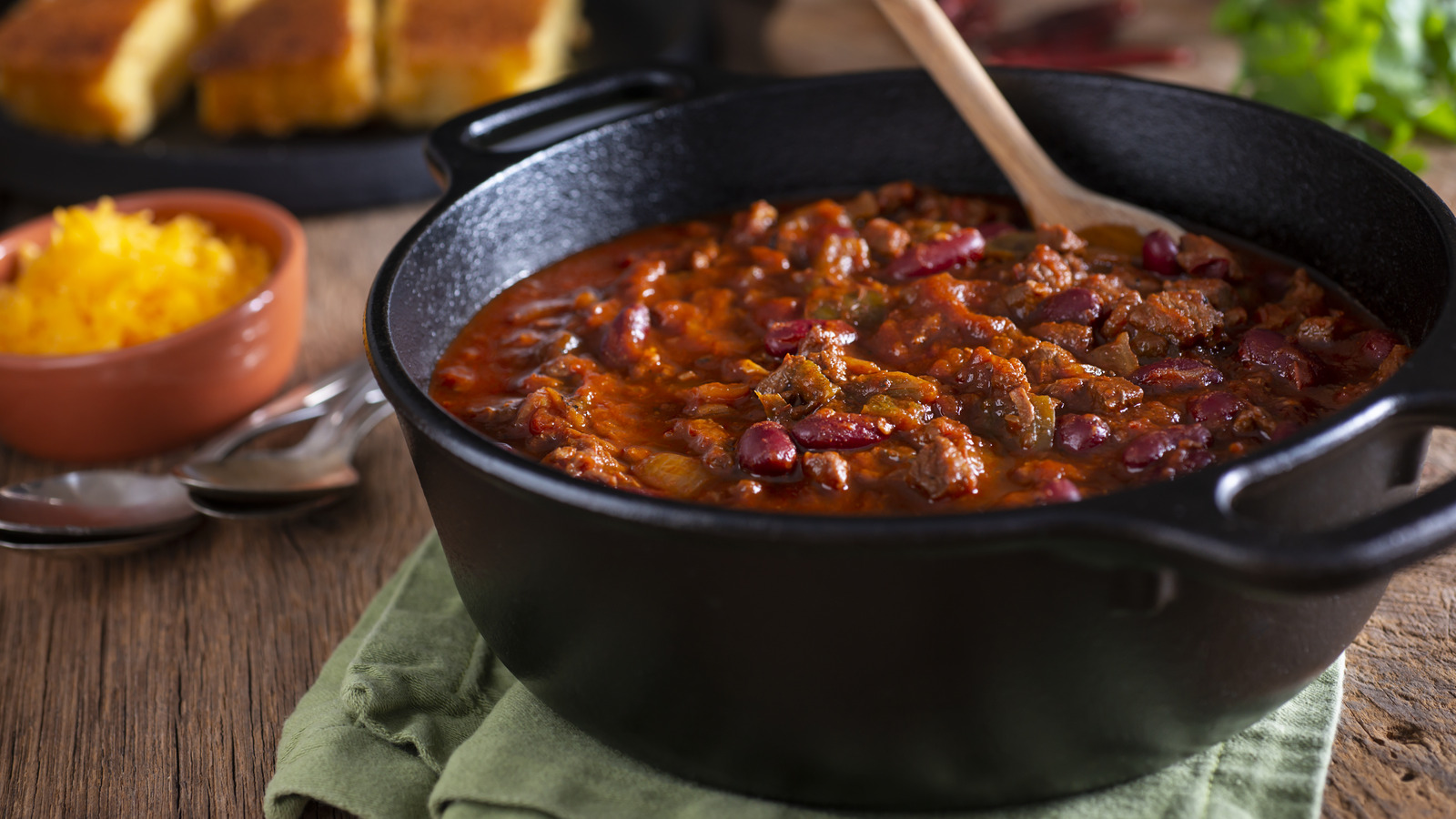
Topped with cheese, sour cream, and a handful of scallions, there's nothing cozier than a warm bowl of chili during the height of winter. Whether you prefer yours con carne or vegetarian-friendly, there are types of chili to fit virtually every palate, sensitivity, or dietary preference. If you're looking for a version with an extra hit of protein - or for a vegan or gluten-free option - look no further than quinoa, the humble super food that's packed with magnesium, zinc, iron, and fiber.
Does a delicious steak always have to be drop-dead expensive? The short answer is no. You can find deep flavor, slice-like butter tenderness, and even beautiful marbling without breaking the bank. The long answer is that there's a lot more that goes into crafting a truly great steak-no matter the price point. You have to consider the source, beef grade, specific cut, seasonings, and diverse cooking methods, from grilling and reverse searing to techniques like sous vide.
To properly caramelize an onion, you need to have some patience. We have some tips to avoid common mistakes. Caramelized onions are not often used as a burger topping because they take time to prepare. However, you can speed up the process and have them ready in 20 to 30 minutes instead of as long as an hour. Cook them over low heat with butter and add some brown sugar and soy sauce.
On busy weeknights, whipping up something quick and convenient for dinner is the goal, and frozen veggies are the perfect tool for keeping things hassle-free. Bringing color, texture, and nutrients to your plate, these freezer staples come in multiple varieties, and they're wonderfully simple to prepare. Often ready to eat in just a few minutes, the veggies can be served as a side for roasted meats or tossed into one-pan dinners, and cooked correctly, they'll be just as delicious as their fresh counterparts.
If you watch food shows on TV, you'll see a lot of talk from chefs and restaurateurs about working with the freshest in-season ingredients. Which is true, up to a point; we all want to do that. But in practice, we often end up working with what we can get or what we have on hand. The name of the restaurant game is turning a profit, after all.
Among a plethora of different types of apples, using the right varieties is crucial for the very best flavor and texture. Tasting Table chatted with cookbook author Mark Filippelli to get his must-know tips for the tastiest apple fritters and he strongly recommended avoiding overly ripe apples as well as varieties such as Red Delicious or Fuji as their tender texture will not stand up to the cooking process.
Obviously, in a dish with as few ingredients as aglio e olio, that bitter, burnt garlic is going to stand out front and center, and throw everything off. But even when it is hidden by other ingredients, such as in a tomato-based sauce, bitter garlic is a flavor best avoided. The root of good cooking is getting the best out of every ingredient, after all.
Between sky-high grocery prices and a need to reduce waste and clutter, downsizing your kitchen to the essentials is now more important than ever. When it comes to appliances, basics such as a toaster, microwave, kettle, and the like are certainly vital. Though it was once America's favorite kitchen appliance, it seems that the air fryer has waned in popularity to the point where some critics - including this writer - deem it a waste.