Fundraising
fromFast Company
17 hours agoHow giving starts progress and leadership scales it
Volatility and accountability are transforming philanthropy, requiring leadership to drive impactful change.
I'm incredibly proud of the firm and what we've accomplished in the last year. We had certainly, the year before, a historic year financially, and this year was also historic in being one of our best financial years in history.
Modern scientific societies are increasingly vulnerable due to their dependence on membership fees and journal subscriptions, which are being challenged by the rise of virtual networking and open-access publishing.
The labor of this kind of organizing was invisible and deeply exhausting. In a precarious workplace, where a so-called 'performance review' could amount to job loss, organizing meant building a bridge while standing on it.
Most for-profit companies still confine nonprofit relationships to corporate philanthropy. Donations flow through foundations, annual reports highlight community contributions, and nonprofit engagement is framed as evidence of corporate responsibility.
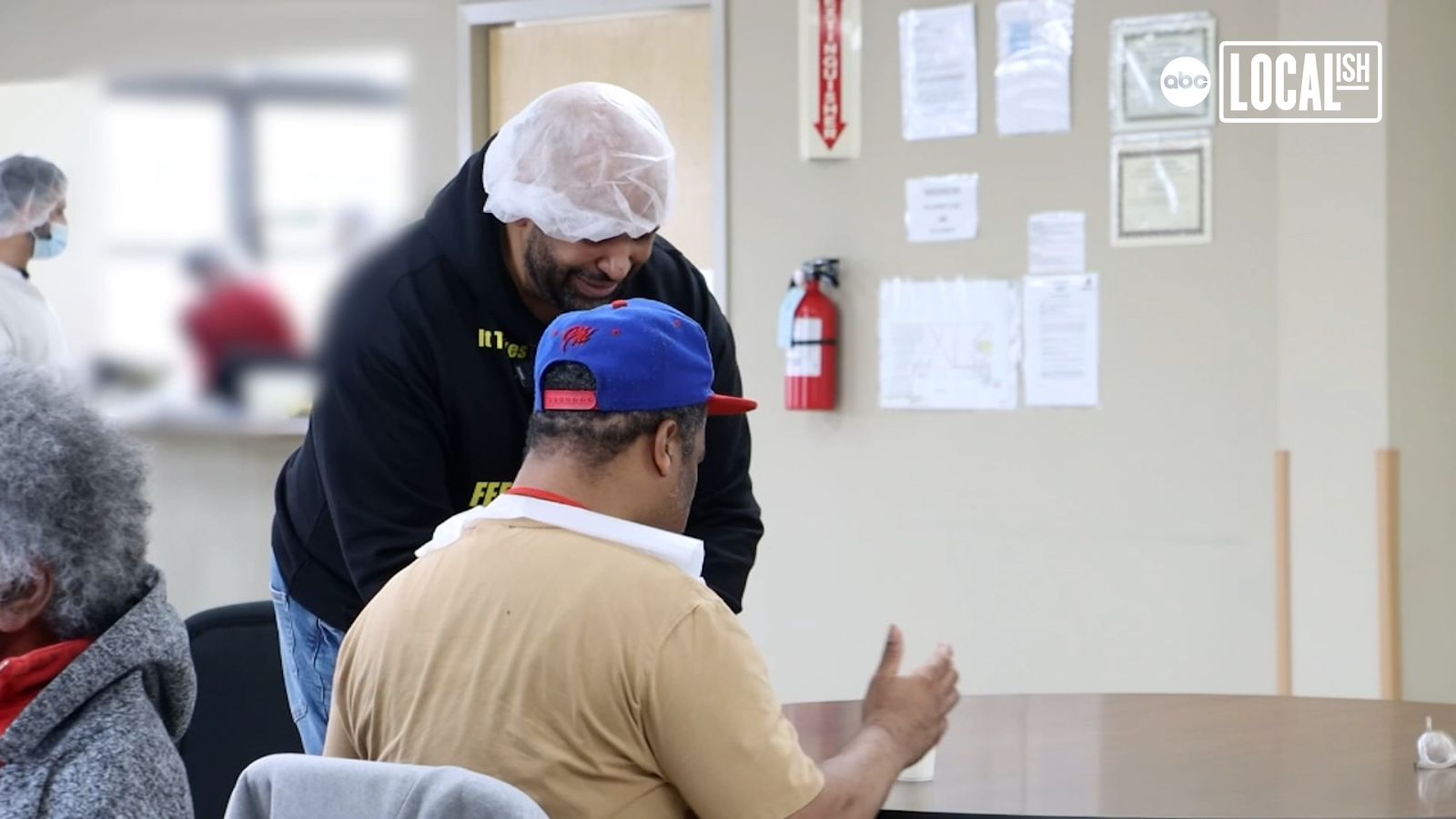
Why do I get to be the runner, and these guys get to be the homeless guys on the corner? Why can't we all be runners? She didn't have an answer. It would've been easy to let that question dissolve with her footsteps. Most people would have. But Mahlum saw something in those men that others had missed.
Losing staff could be detrimental to the projects we worked on, and there was a growing dissatisfaction with how meetings were run. These mostly one-sided discussions left the quieter half of us feeling pushed aside, like our thoughts didn't matter much. If things stayed this way, I worried the good people on our team would start quitting one by one.
You must be a TalkNats Subscriber to access this content. Subscribers have access to exclusive content on the TalkNats website and can engage in discussions with other Nats fans. First two weeks are free and then you will be billed $3.99/month. Cancel anytime. Secure payments using Stripe. If you are already a subscriber, simply log in using the form below.
The change in the administration's tactics in Minneapolis is not a retreat. Instead, they are regrouping and planning another mode of attack, with the hopes that their repression might be met with resistance that is easier to control and contain. People who garner their relevancy and power through the dehumanization and oppression of others will do whatever it takes to cling to their soulless sense of self.
"Are you okay?" These were Alex Pretti's last words, said to a woman after ICE agents had tackled and pepper-sprayed her. Videos from bystanders show Pretti holding up a phone, attempting to document what was happening before he himself was pepper-sprayed, wrestled to the ground, and killed by those officers. He lost his life not for committing violence, but for documenting it, and stepping in to protect someone facing it.
There's a myth in our society that real change requires force, strength, and domination. We celebrate athletes, CEOs, and politicians who crush their opponents. But history tells a different story. Lasting social change has often been triggered by humble people whose weapons were passion, principle, and an unwavering commitment to justice and the truth - not the truth we see on TV or read in print media, but rather the truth that we feel deep inside ourselves.
I've seen this before-many times, in fact. What you're describing is not unheard of in the nonprofit sector. Founder energy is one of the most powerful forces driving new missions into the world. It can also be one of the riskiest. Many organizations, especially those built from lived experience, passion, and necessity, begin with little more than a vision, a problem to solve.