#democracy
#democracy
[ follow ]
#protests #authoritarianism #human-rights #venezuela #trump #trump-administration #supreme-court #no-kings



Left-wing politics
fromNonprofit Quarterly | Civic News. Empowering Nonprofits. Advancing Justice.
4 days agoHow to Undermine Authoritarian Control: On Empowering Parallel Institutions | Nonprofit Quarterly | Civic News. Empowering Nonprofits. Advancing Justice.
Civil society must demonstrate the necessity of democratic institutions and social services to protect them from dismantling efforts by ultra-elites.




World politics
fromwww.theguardian.com
5 days agoThe Guardian view on Myanmar's forgotten war: the military cosplay democracy but people demand the real thing | Editorial
China's support for Myanmar's junta highlights the ongoing struggle for democracy amid military control and widespread violence against civilians.
fromwww.amny.com
6 days agoThe right to exist: Voter identification, democracy and creating an infrastructure of citizenship | amNewYork
The right to vote is often described as the cornerstone of American democracy. Yet the ability to exercise that right depends on something more basic: whether citizens possess the practical means to participate in the systems that govern their lives.
NYC politics
World politics
fromSan Francisco Bay Times
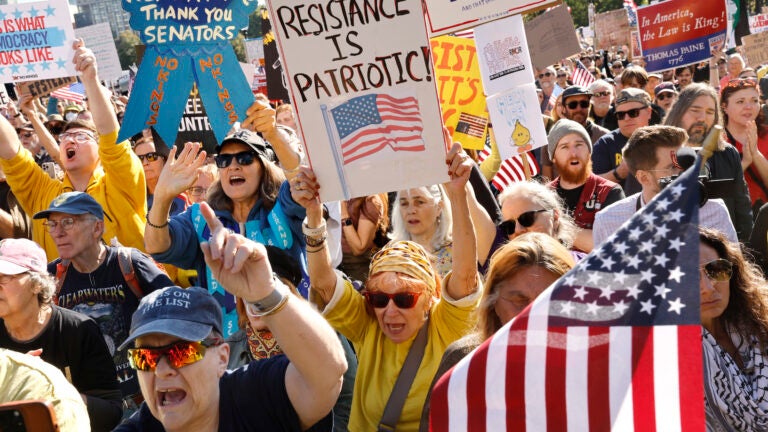
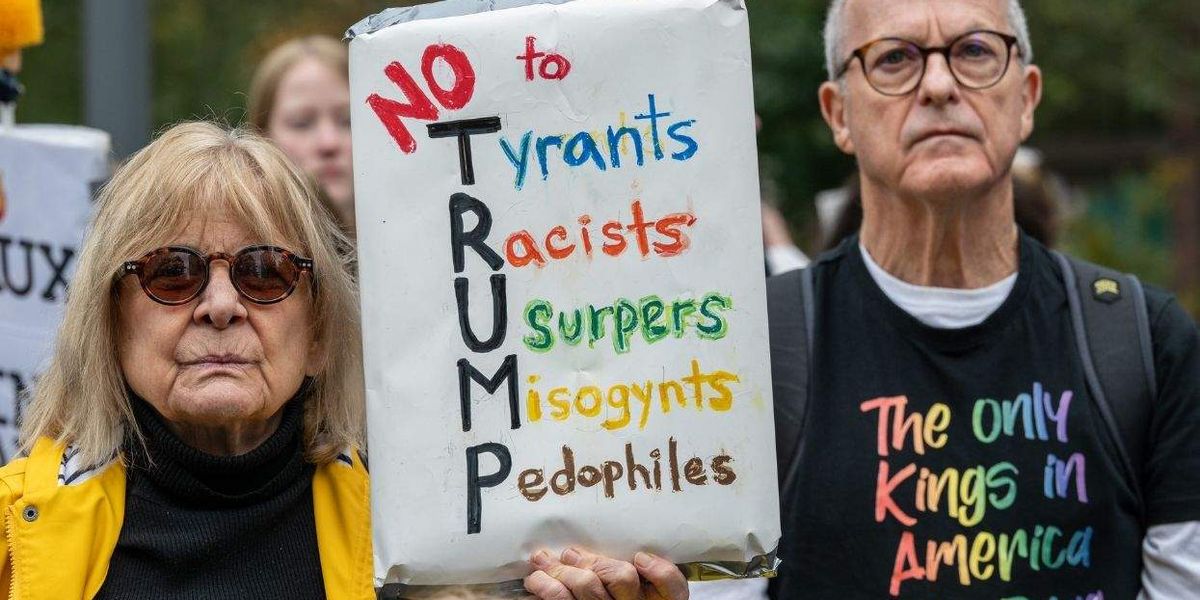
1 week agoDemocracy Under Trump Administration Is Deteriorating at Unprecedented Rate, New Report Finds - San Francisco Bay Times
Democratic backsliding is accelerating in established democracies, with significant declines in freedom of expression and rule of law globally.


Social justice
fromNonprofit Quarterly | Civic News. Empowering Nonprofits. Advancing Justice.
1 week agoHope in the Dark: Four Tests for the Pro-Democracy Movement in 2026 | Nonprofit Quarterly | Civic News. Empowering Nonprofits. Advancing Justice.
Active hope is essential for shaping a brighter future for democracy amidst current challenges.
UK politics
fromwww.theguardian.com
1 week agoHow will we know Labour is really cleaning up party funding? When Reform and the Tories fight like hell to stop it | Polly Toynbee
Government actions on political funding reforms are positive but insufficient, with calls for stronger measures against foreign influence.
#supreme-court

Right-wing politics
fromThe Burton Book Review
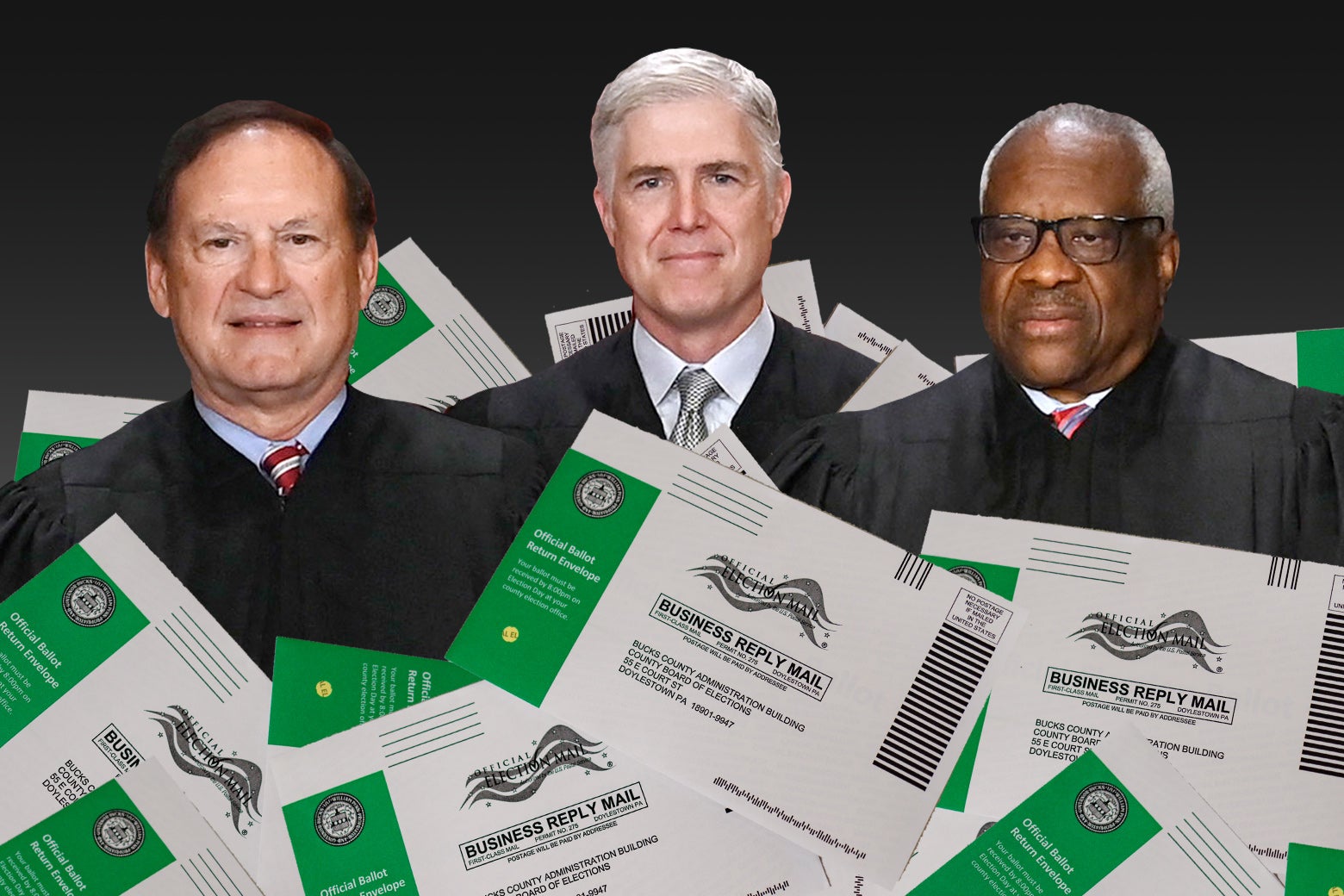
1 week agoLeah Litman, Lawless: How the Supreme Court Runs on Conservative Grievance, Fringe Theories, and Bad Vibes (Simon & Schuster, 2025) - The Burton Book Review
The current Supreme Court is advancing a conservative agenda that undermines democracy and marginalizes historically disadvantaged groups.
fromwww.theguardian.com
1 week agoBreaking the Cycle review meet the charismatic Thai politician striving to change his country's history
Thanathorn Juangroongruangkit's central message cut through the noise of electoral politics: secure a brighter future by correcting the wrongs of the past. His party specifically reached out to those whose concerns often go unheard: students, working-class and rural voters.
Film


fromwww.dw.com
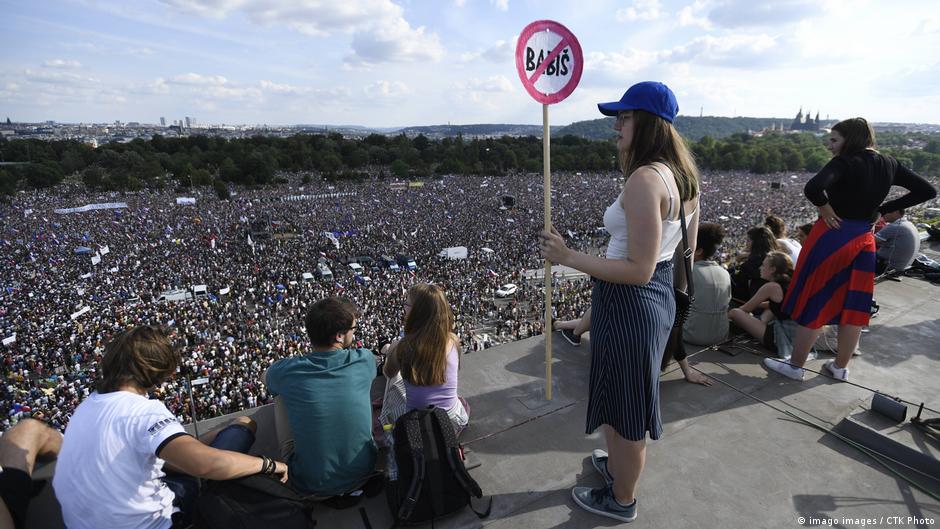
2 weeks agoNiger rejects EU's call to free ousted President Bazoum
The EU resolution stated that it 'strongly condemns the continued arbitrary detention of democratically elected President Bazoum and his wife.' The EU further demanded their 'immediate and unconditional release.'
France politics
fromCornell Chronicle
1 month agoBret Stephens and Seth Klarman in conversation, March 6 | Cornell Chronicle
Pulitzer Prize-winning New York Times columnist Bret Stephens , a Zubrow Distinguished Visiting Journalist, and Seth Klarman '79, CEO and portfolio manager of The Baupost Group and 2026 Hatfield Fellow, will offer "On Democracy, Conservatism and Journalism: A Conversation with Bret Stephens" March 6 at 4:30 p.m. in the Rhodes-Rawling Auditorium in Klarman Hall.
US politics
fromwww.dw.com
1 month agoGermans approve of democracy, but say it doesn't work well
Worldwide, autocracies are on the rise, populists are gaining momentum, democratic societies are under pressure. Wars, inflation, fear of economic decline are causing great uncertainty. The "Germany-Monitor 2025" shows that the vast majority of Germans believe in democracy, and that support for democracy as a form of government is increasing, especially in the east of the country. This was announced by the Federal Government Commissioner for Eastern Germany, Elisabeth Kaiser, in Berlin on Thursday this week:
Miscellaneous

US politics
fromLGBTQ Nation
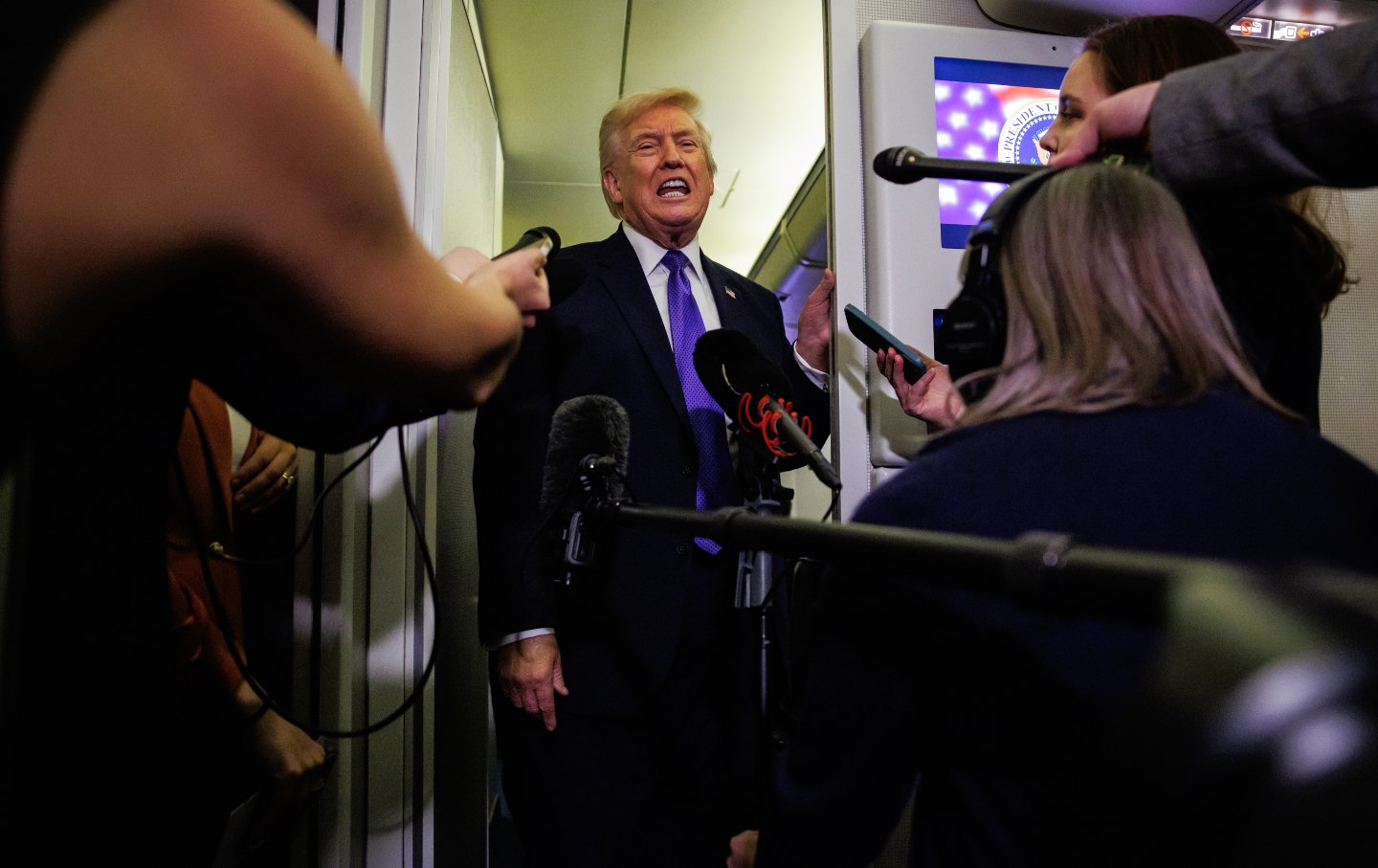
1 month agoWorld human rights report says U.S. is undermining LGBTQ+ rights worldwide - LGBTQ Nation
U.S. policies under President Trump, alongside China and Russia, are weakening the rules-based international order, fueling a global democratic recession and threats to LGBTQ+ rights.
fromwww.theguardian.com
1 month agoGrind the country to a halt': Democrat urges national strike if Trump meddles in midterms
We're not going to keep going to work and boosting the world's greatest economy in exchange for us to give up on democracy. If we have to destroy the stock market to save democracy, we need to accept that and, more importantly, the richest and the most powerful people in the world and in this country need to understand that that is a real possibility. There is no economic stability without democratic stability. If you take away our democratic stability, we will take away
US politics


fromFortune
2 months agoThe great power gap: Billionaires are 4,000 times more likely to hold office than you are, and Oxfam warns it's ruining democracy | Fortune
According to Oxfam International's "Resisting the Rule of the Rich: Protecting Freedom from Billionaire Power" report this week, a billionaire boom has coincided with the rise of the richest exerting political influence, with billionaires 4,000 times more likely to hold office than less wealthy people globally. And if those billionaires aren't running for office, they're pouring money into campaigns. Per Oxfam, one in six dollars spent by all U.S. candidates, parties, and committees in the 2024 elections came from 100 billionaire families.
US politics
fromThe Nation
2 months agoClimate Stories Are Everywhere
"Protecting the climate and protecting our democracy are inextricably linked," veteran climate reporter and activist Bill McKibben said last week at a Covering Climate Now press briefing on covering the climate story in 2026. President Donald Trump "is in many ways operating as a political arm of the oil industry," McKibben added, "and coming to grips with his authoritarian impulse is going to be crucial to ever getting any climate action."
Environment
fromFast Company
2 months agoMillionaires are sounding the alarm about democracy - and blaming people like themselves
As wealth inequality widens and billionaires become increasingly enmeshed with politics, the public is growing more and more disillusioned with the ultra-wealthy, and the role they play in society. It's not just those with low or median incomes who feel that way. A majority of millionaires now say that extreme wealth is a threat to democracy; that the ultra-rich buy political influence; and that political leaders should do more to tackle extreme wealth, like increasing taxes.
World news
US politics
fromAxios
2 months agoHow Trump's ruthless first year erased the Biden presidency
Trump is reversing Biden-era priorities—rolling back democratic accountability, racial-equity initiatives, expert-driven governance, and climate action while promoting racial grievance, immigration crackdowns, and fossil fuels.
UK politics
fromLondon Business News | Londonlovesbusiness.com
2 months agoBritish democracy under attack as more local elections cancelled - London Business News | Londonlovesbusiness.com
Dozens of local elections have been postponed, allowing councillors to serve up to seven years without re-election and prompting accusations that Labour is undermining democracy.
fromwww.amny.com
2 months agoPainting history: Upper West Side artists commemorate Jan. 6 Capitol riots with powerful artwork
For two artists from NYC, the occasion means it is time to, once again, whip out their paintbrushes. Lesley Friedman Rosenthal and Brigitte Bentele of the Upper West Side in Manhattan mark the anniversary of the Jan. 6, 2021, insurrection in Washington, DC, with powerful and somewhat unsettling works of art. Their hope is to document a pivotal moment in American history and spark necessary conversations around politics and democracy.
US politics
fromwww.theguardian.com
2 months agoReaders reply: should we turn the internet off?
The internet has turned fringe belief into mainstream politics and policy from authoritarianism to vaccines. With democracy itself threatened, is it time to go back to a previous world of landlines, letters and face-to-face-contact, audiotapes and Ansaphones? What would we miss about the online world that is worth the risk to liberal culture and basic freedoms? Should we turn the internet off?
Digital life
UK politics
fromwww.theguardian.com
3 months agoWhat is Keir Starmer doing to push back the populists? Not nearly enough. We have a plan to take them on | Chris Powell
A populist surge threatens democratic norms and demands an urgent, large-scale UK counter-plan to stop Reform UK becoming a credible governing force.
UK politics
fromwww.theguardian.com
3 months agoThe BBC tells the story of Britain in a way Netflix simply cannot. In the year to come, please remember that | Tony Hall
The BBC should defend its independence after a broadcasting error while remaining central to national democracy, cultural life, and trusted news provision.
fromwww.dw.com
3 months agoGermany's far-right AfD may seize regional power in 2026 DW 12/24/2025
At the BKA conference, she was discussing democracy in Germany. "At dinners with perfectly ordinary colleagues and friends who love their country, I often hear them say after the second glass of wine, that they're considering whether they should leave the country," Buyx said. "Should leave," meaning they don't want to. Buyx didn't name the particular threat. But every police officer in the room knows who she's talking about: the far-right Alternative for Germany (AfD) party.
Right-wing politics
fromThe Conversation
3 months agoIs democracy always about truth? Why we may need to loosen our views to heal our divisions
The nervousness of democrats before this epistemic crisis is partly based on a widespread assumption that the idea of democracy depends on the value of truth. But even this assumption has a cost. Sadly, the democratic tendency to overemphasise the value of truth enters into conflict with other democratic demands. This leads us into contradictions that become fodder for the enemies of open societies.
Philosophy
Media industry
fromStreetsblog
3 months agoOff-Topic Tuesday: Streetsblog Joins Campaign for Public Financing of Non-Profit Media - Streetsblog New York City
Journalism is vital for democracy but its business model is collapsing, threatening local reporting; public support and grants for nonprofit newsrooms are needed.
fromNonprofit Quarterly | Civic News. Empowering Nonprofits. Advancing Justice.
3 months agoGathering for Democracy: Dispatches from Chicago | Nonprofit Quarterly | Civic News. Empowering Nonprofits. Advancing Justice.
"What prepares men for totalitarian domination in the non-totalitarian world is the fact that loneliness, once a borderline experience usually suffered in certain marginal social conditions like old age, has become an everyday experience," wrote Hannah Arendt in her 1951 book, The Origins of Totalitarianism. I was born and raised in Chicagoland. Even during stints of travel and education, I have always considered myself a Chicagoan.
US politics
fromSlate Magazine
3 months agoWhy Are Democrats So Afraid to Even Mention the Source of Trump's Political Power?
Discussions of race are everywhere and nowhere in 2025. On one hand, President Donald Trump is openly insulting Somali immigrants, describing entire nations as "shithole" countries, and insisting that the most persecuted class of humans are white South Africans. On the other, none of this is actually registering as anything other than Trump being Trump, and so when the Supreme Court agrees to revisit a foundational doctrine like birthright citizenship, too many of us shrug it off.
US politics
fromwww.npr.org
3 months agoBelieve it or not, this book makes taxes fascinating
While, as Benjamin Franklin quipped, it may be that nothing is certain but death and taxes, only the former can be considered the great equalizer. Death comes for us all, regardless of our social or economic status. Taxes, on the other hand, have always been far more complicated. Vanessa S. Williamson's new book, The Price of Democracy: The Revolutionary Power of Taxation in American History, takes us on a fascinating journey through the history of taxation from colonization to the present day.
US politics
[ Load more ]