Design
fromPsychology Today
12 hours agoThe Future of Brain Health Is Architecture
The built environment significantly influences mental health, mood, and performance, with neuroscience guiding design for improved well-being.
"This project is symbolic of what we've done over the last 12 years, reshaping the streets and the city," Christophe Najovski, the city's deputy mayor in charge of green spaces, stated during the opening ceremony.
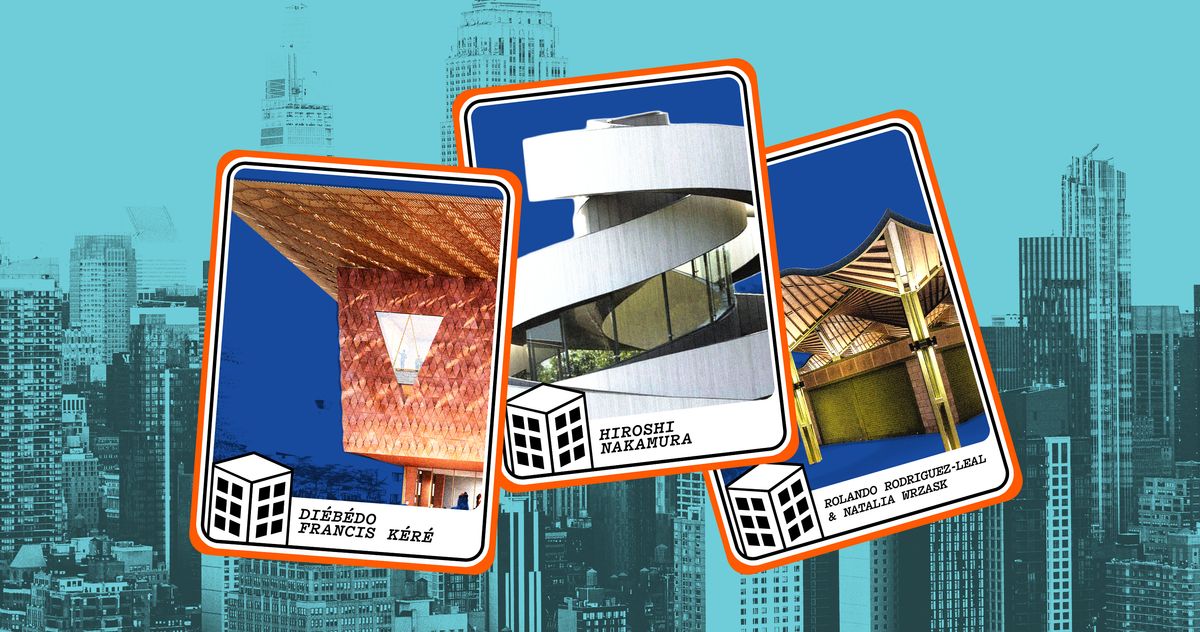
The original intent of pilotis was to create a sense of lightness that would allow circulation and light to flow beneath a structure, but contemporary requirements render thin columns insufficient for large-scale civic projects.
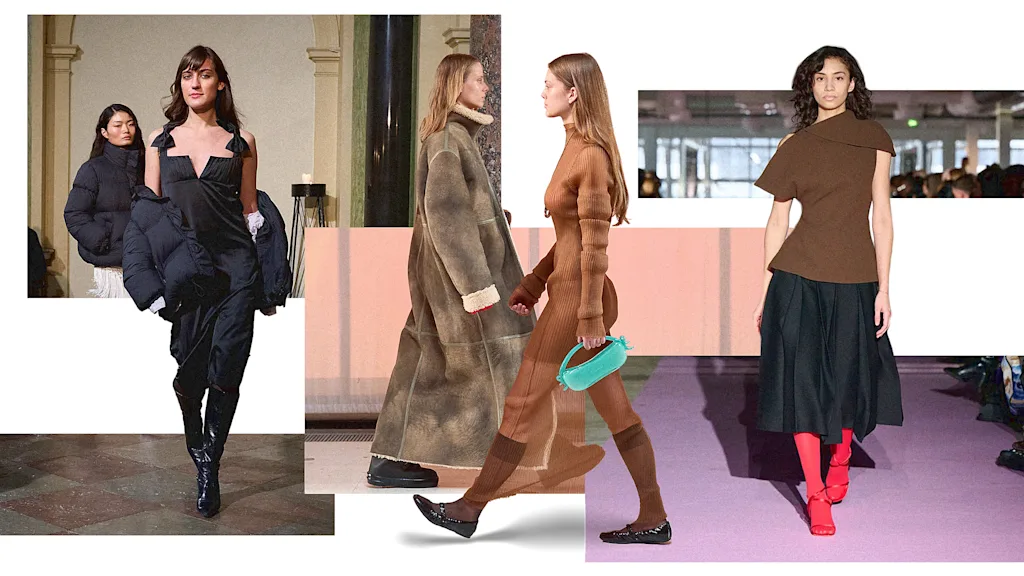
Although I often write about packing and have it down to a science, I decided to try a little travel experiment. Before our trip, I asked ChatGPT to create a packing list for seven days in Copenhagen. At first glance, it appeared to have great suggestions, and ones that were pretty aligned with my tried-and-true list. However, upon further inspection, there were some recs that I immediately threw out-plus, a few that I didn't realize were off-base until visiting Copenhagen for myself.
Our transport is always being upgraded to make travel smoother, our neighbourhoods are always getting new homes and community spaces, and fresh cultural offerings like restaurants and theatre shows are always popping up. So naturally, 2026 will be full of new openings. We've put together a list of all of the most exciting new projects set to alter London over the next 12 months.
The next phase of the council's wide-ranging transport plan for the city centre is due to come into effect over the course of the year. A major focus will be on cycling infrastructure, with Dublin City Council (DCC) planning to begin construction on 13 new active travel projects by the end of the year. These include the final section of the Dodder Greenway from Milltown Road to Dundrum Road, on which works will begin in the summer,
Though they're individually tiny, parking spots quietly play a dominant role in shaping urban landscapes. Most US cities dedicate at least 25% of their developable land to them. Some, even more. That land usage doesn't only determine the way a city looks. It also means covering large swathes of urban areas in heat-absorbing asphalt, which contributes to making summers hotter and heightens the risk of flooding since it prevents drainage during storms and heavy rainfall.
The sweeping changes include extensive greening and seating, two major water features, and a large paved events space in front of Trinity College. Early sketches for the space were revealed in June last year, but Dublin City Council (DCC) have refined them on foot of two rounds of public consultation and more than 2,800 written submissions. Extensive seating and a play space are also part of the project, with the council promising "an environment that encourages people to stop, relax and connect with the city around them."
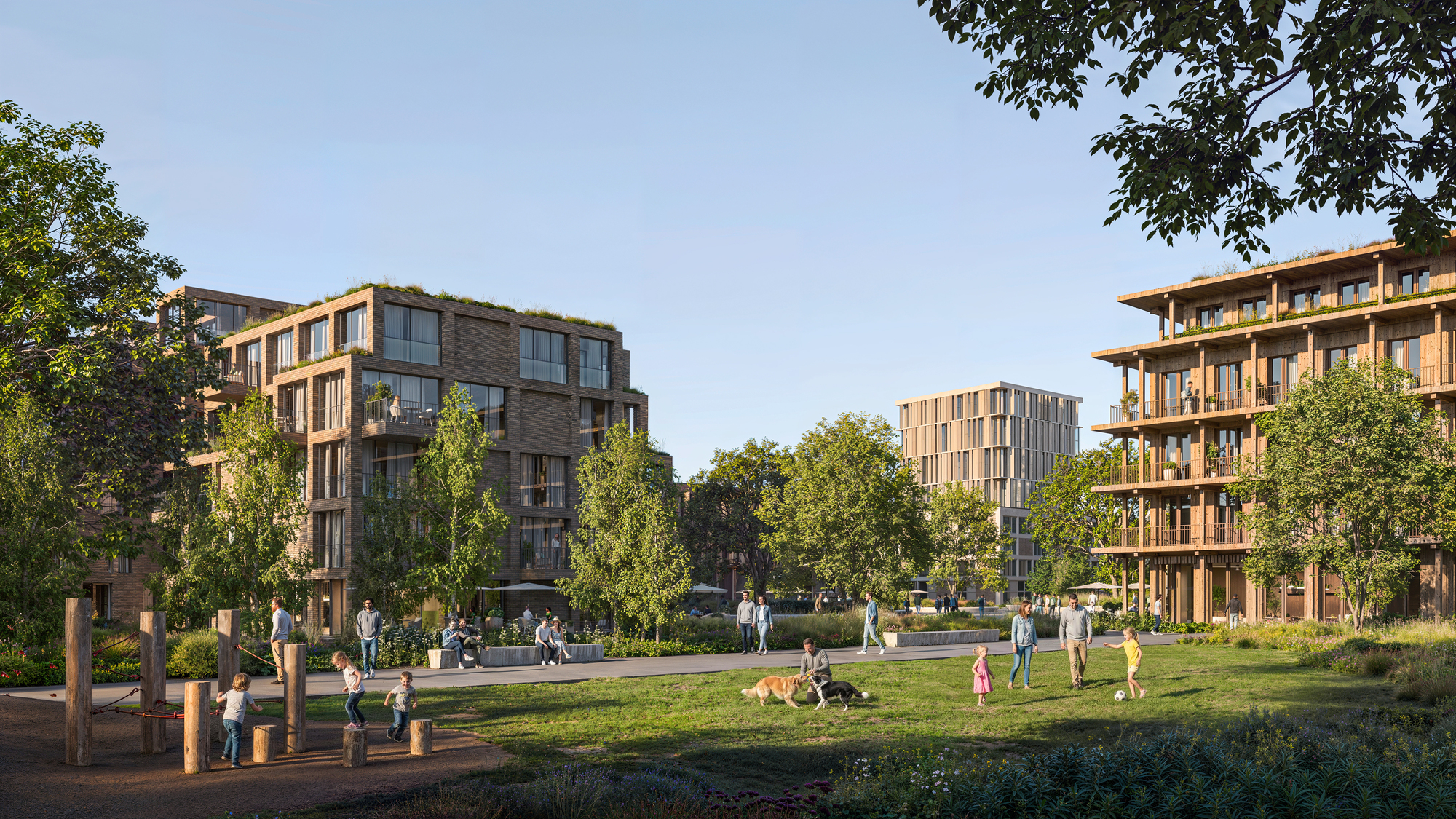
Cities around the world share a common goal: to become healthier and greener, supported by civic infrastructure that restores ecosystems and strengthens public life. The question is how to reach this. Global climate targets, local building codes, and municipal standards increasingly guide designers and planners toward better choices. Still, many cities struggle to translate these frameworks into everyday, street-level comfort and long-term ecological protection.

:max_bytes(150000):strip_icc()/tal-chatgpt-to-make-a-packing-list-tout-06d7783f62e14ca8b450e959ea74c611.jpg)