#critic-integrity
#critic-integrity
[ follow ]
#journalism #youtube #social-media #mental-health #ai-in-journalism #meta #publishing #fact-checking #misinformation
Psychology
fromSilicon Canals
2 hours agoPeople who grew up being told they were too sensitive didn't become less sensitive. They became editors. Every reaction now passes through a filter that decides whether the feeling is proportionate enough to be allowed out, and that filtering process is so automatic they genuinely believe they're calm when they're actually curating. - Silicon Canals
Sensitive children often suppress their emotions, leading to automated behaviors that mask true feelings.






UK politics
fromPinkNews | Latest lesbian, gay, bi and trans news | LGBTQ+ news
2 days agoScott Mills breaks silence on police probe after BBC axe
Scott Mills was fired by the BBC following a police investigation into historical sexual offence allegations, which were ultimately closed due to insufficient evidence.
fromFast Company
2 days agoYouTube blasted by hundreds of experts over 'AI slop' videos served up to kids
"This 'AI slop' harms children's development by distorting their sense of reality, overwhelming their learning processes and hijacking their attention, thereby extending time online and displacing offline activities necessary for their healthy development."
Education
fromEast Bay Express | Oakland, Berkeley & Alameda
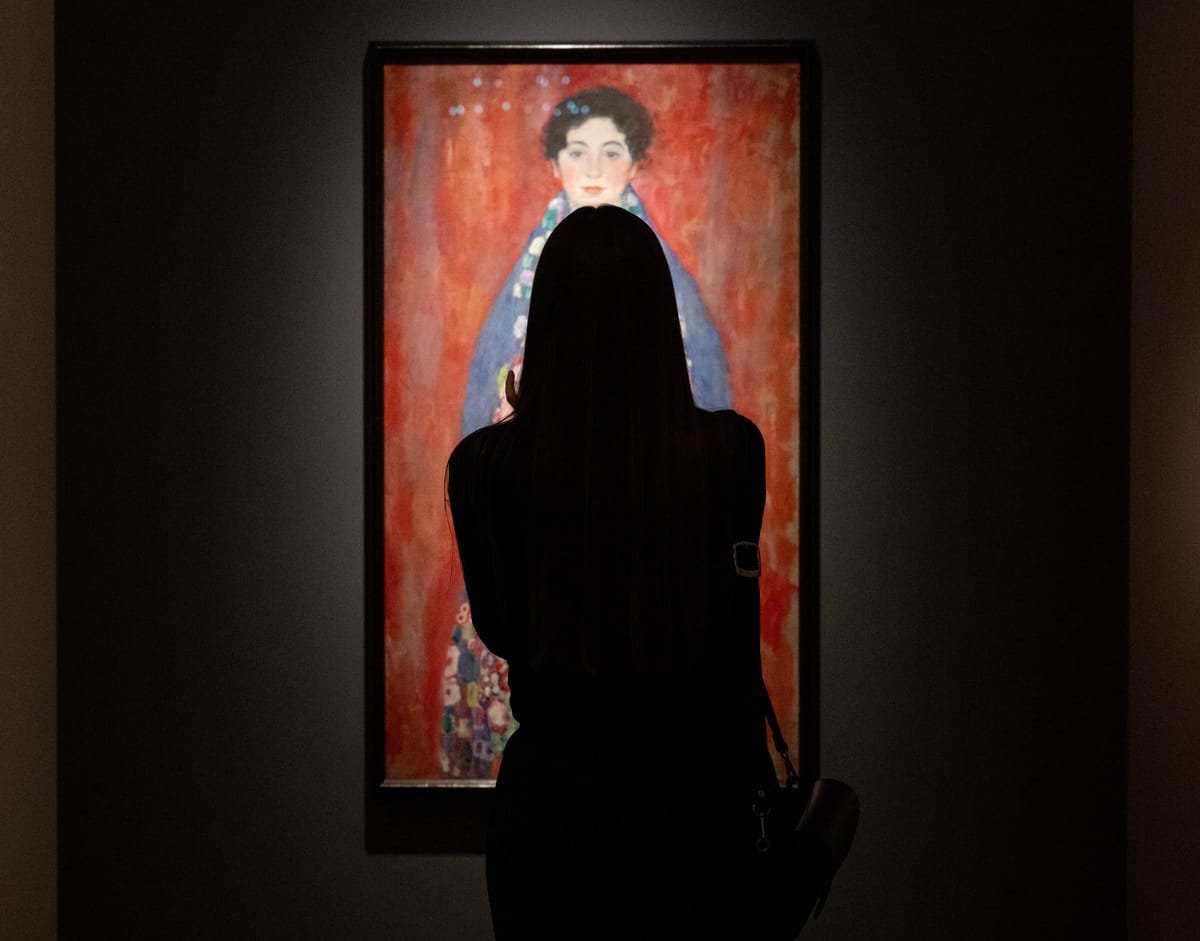
3 days agoHistory is no joke ... or is it?
On this site birthed in 1963 lays lain layed lies the location original whereabouts around here of the Berkeley Copywriter's Guild, A place where word geeks were often found with their smug understanding of grammar and their tiny worn-down blue pencils marking up all the fun words for boring ones.
East Bay food
SF politics
fromFuturism
5 days agoLaw Seeks to Ban Public Officials From Making Polymarket Bets on Upcoming Bloodshed, Because Apparently We Live in a Complete Dystopia
Efforts are underway in the US to ban public officials from betting on prediction markets using nonpublic information related to military actions.
#social-media

Law
fromMuse by Clios | Discover the latest creative marketing and advertising news. Muse by Clio is the premier news site covering creativity in advertising and beyond.
3 days ago2 Rough Social Media Rulings Could Actually Improve the Platforms | Muse by Clios
Recent jury verdicts against Meta and YouTube signal a shift in accountability for social media platforms regarding child safety and mental health.
Books
fromwww.theguardian.com
3 days agoDoes anyone think Matt Goodwin's book on Britain's demise is a publishing sensation? I mean, other than him | Marina Hyde
Liz Truss's book quickly sold out but fell to No 223 in sales, while Matt Goodwin's book faced controversy over AI assistance and publicity tactics.
fromwww.theguardian.com
2 days agoEx-Alex Jones employee reflects on job at Infowars: It was nonsense. It was lies'
Owens described how Infowars aimed to create a cinematic experience, stating, 'We would go out there, we would shoot videos like we were in the weeds, we were showing what was really going on. But it was nonsense. It was lies.'
Media industry
Television
fromPsychology Today
3 weeks agoThe Trouble with Review Bombing
Review bombing—coordinated negative ratings of well-made media—reflects cultural fault lines, with shows like Starfleet Academy and Shrinking attacked as 'woke' despite thoughtful storytelling exploring accountability and grief.
fromPoynter
3 weeks agoWhat are your favorite nonfiction books by journalists? - Poynter
"Race Against Time: A Reporter Reopens the Unsolved Murder Cases of the Civil Rights Era" quickly became one of my favorite nonfiction books written by a journalist. I appreciated how he showed the grueling, day-to-day work local journalism requires, and how many layers of people fought him in revealing the despicable work of the Ku Klux Klan.
Books
fromwww.mediaite.com
2 weeks agoThe New York Times Hires Editor Who Reportedly Covered Up His Pal's Child Porn Scandal
Shachtman, then serving as the top editor at the publication, reportedly instructed Siegel not to turn in a story with the words child pornography in it; and then took advantage of Siegel leaving work to tend to her dying mother by going back on an agreement to note that the FBI raid pertained to possible criminal behavior outside the scope of Meek's work in her article, according to an NPR investigation.
Media industry


fromApaonline
2 months agoWhy We Should Doubt that Academic Philosophy Benefits the Broader Public
A professional philosopher outside the academy walls can act as a popularizer (the goal here is to make philosophy more accessible to the general public), an applied ethicist (the major task is to offer an analysis of various specific moral issues that arise within a society), and a public intellectual (I limit this role to questions that have political connotation). Of course, there are overlaps between these roles and they certainly do not exhaust all possible forms of public engagement of a professional philosopher.
Philosophy
fromwww.mediaite.com
2 months agoCBS News Announces We Love America' Revealing Lost Authority
One has drawn outsized attention: We love America. And we make no apologies for saying so. That reaction is the story, not the value itself. For most of broadcast history, such a declaration would have been unnecessary. Patriotism was implied. It lived in the authority of the anchor chair, the cadence of the broadcast, and the institutional confidence of the networks. Love of country was not a value statement. It was the background condition.
Media industry
[ Load more ]