Europe news
fromThe Local France
16 hours agoEuropean drivers choke on rising diesel prices
Diesel prices in Europe have surged over 30% due to the Middle East war, highlighting dependence on imported energy.
"We worked hard," WTO Director-General Ngozi Okonjo-Iweala said, adding that the US and Brazil in particular "need more time" to work out their differences over the agreement to impose levies on cross-border online orders.
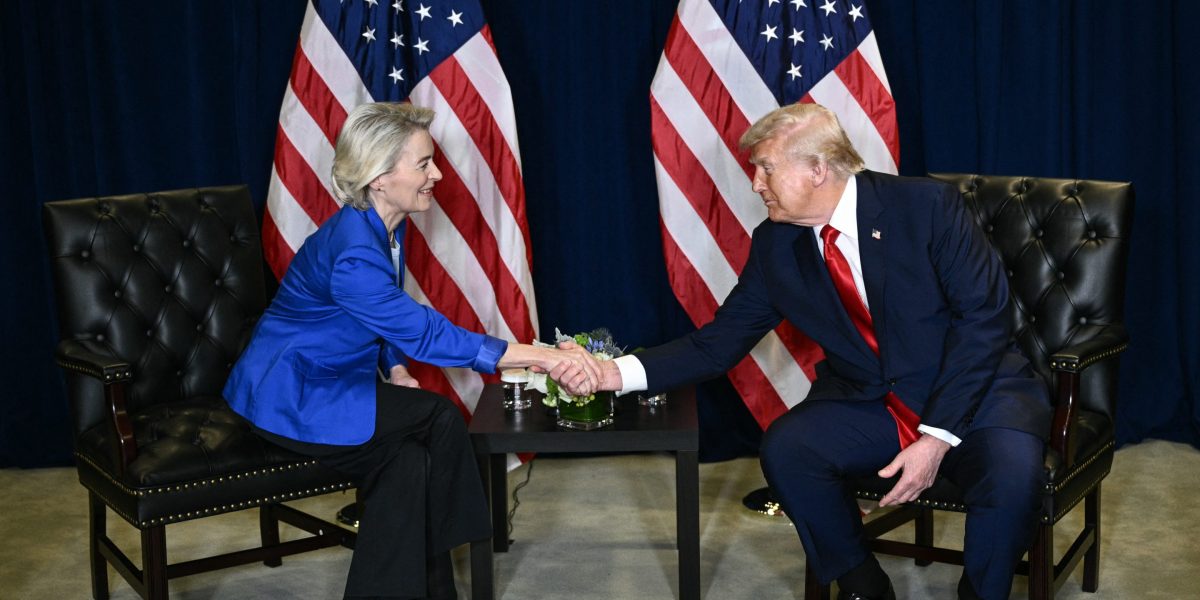
After Trump ended the de minimis exemption last year, purchasing an item straight from an international vendor, regardless of the item's value, meant incurring International Emergency Economic Powers Act tariffs. Now, thanks to a ruling by the Supreme Court that overturned Trump's IEEPA tariffs, and a ruling by the Court of International Trade ruled that all tariffs paid under IEEPA must be returned, buyers may be able to collect a refund.
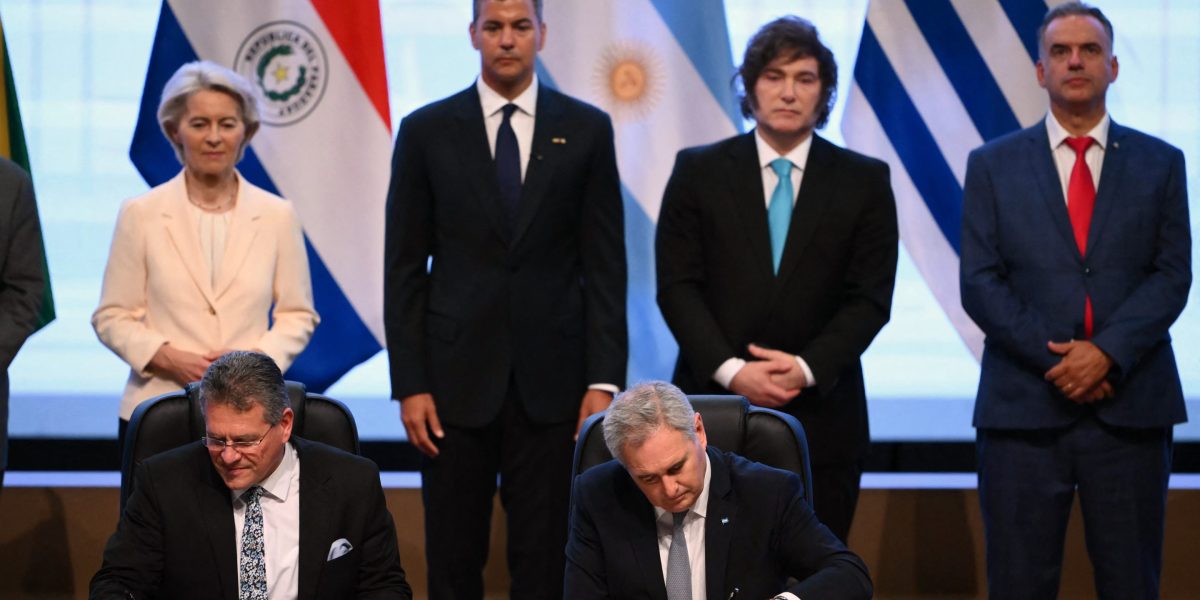
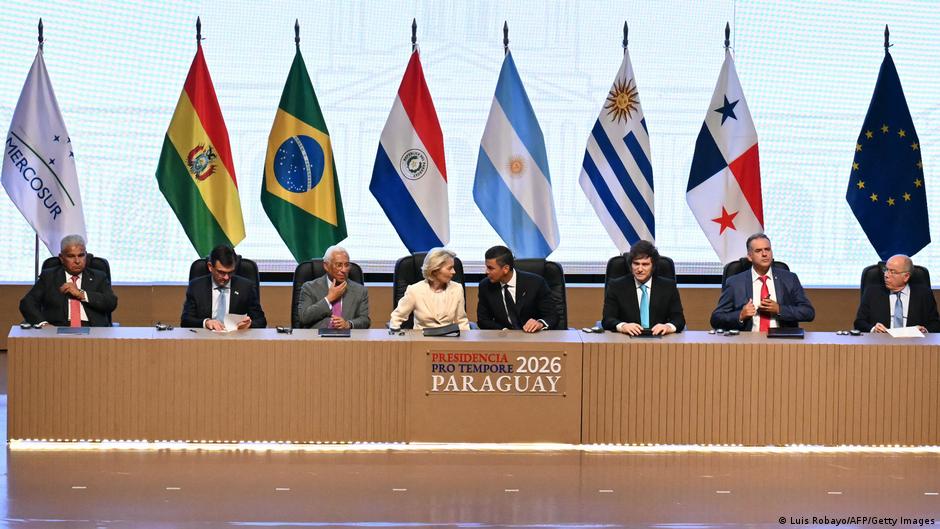
The European Union will on Saturday sign a deal 25 years in the making with the South American trade bloc Mercosur, creating one of the world's largest free trade areas at a time of growing protectionism and volatility. The long-awaited agreement comes amid the sweeping use of tariffs and trade threats by US President Donald Trump's administration, which has sent countries scrambling for new partnerships.
The European Commission has launched a new antitrust probe into Google, expanding its long-running scrutiny of the tech giant's advertising practices. Regulators suspect the company may be manipulating the pricing of its search ad auctions, potentially inflating clearing prices "to the detriment of advertisers," according to a February 9 letter sent to affected businesses and seen by Bloomberg. The investigation marks the latest in a series of EU actions against Google,
The agreement will "drive a massive reshoring of America's semiconductor sector," the US Commerce Department said. In an interview to news channel CNBC, US Commerce Secretary Howard Lutnick said the objective was to bring 40% of Taiwan's entire chip supply chain and production to the United States. Had Taipei not agreed to manufacture in the US, the tariffs would likely be 100%, Lutnick added.
Stability. Consistency. Ever-changing complexity. With language like that, deployed in separate meetings in three Asian capitals this week, government leaders forged closer ties driven in part by a figure halfway around the world: the president of the United States. And much of the time, they didn't even mention Donald Trump's name. IN BEIJING: The U.K. and Chinese leaders called Thursday for a "long-term, stable, and comprehensive strategic partnership" between their two countries. The important words are long-term and stable. The two countries committed a decade ago to building a comprehensive strategic partnership but progress has been halting at best.
The upgrade places the EU on the same diplomatic footing as the United States, China and Russia and was announced during a visit to Hanoi by European Council President António Costa. "At a moment when the international rules-based order is under threat from multiple sides, we need to stand side by side as reliable and predictable partners," Costa said, adding that the partnership is about "developing spheres of shared prosperity."
China has been flooding Latin American markets with low-priced exports, especially autos and e-commerce goods, as its exporters adjust to U.S. President Donald Trump's tariffs and geopolitical moves. The world's second-largest economy has become a major trading partner for many Latin American nations, seeking access to their abundant natural resources and growing markets while expanding its influence in a region Trump views as America's Backyard.
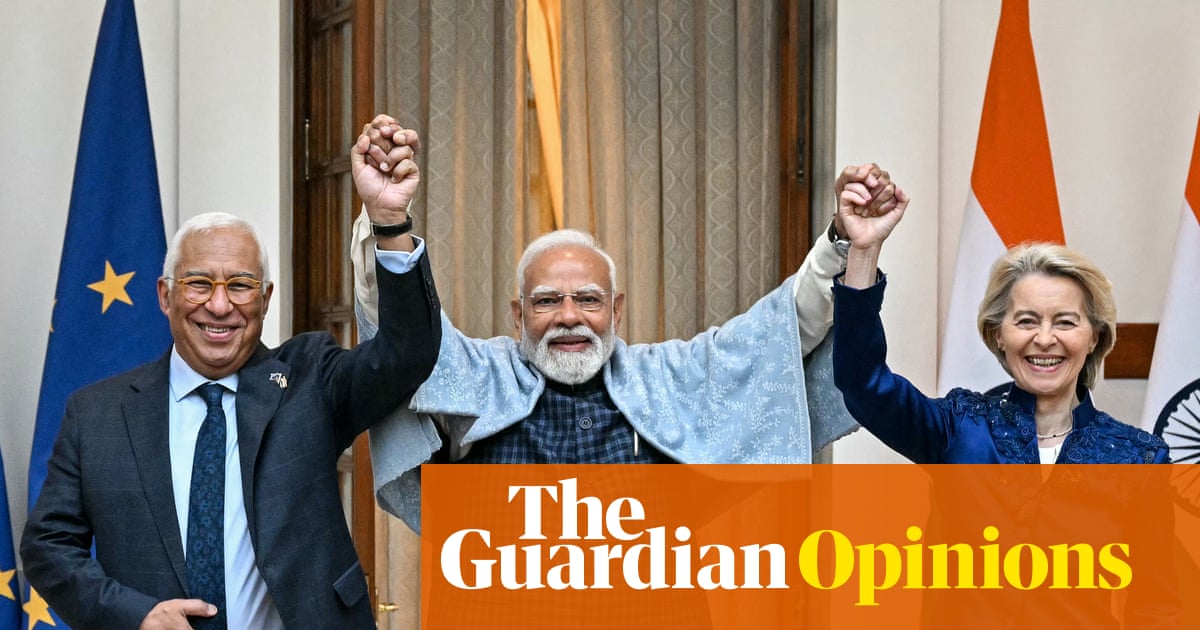
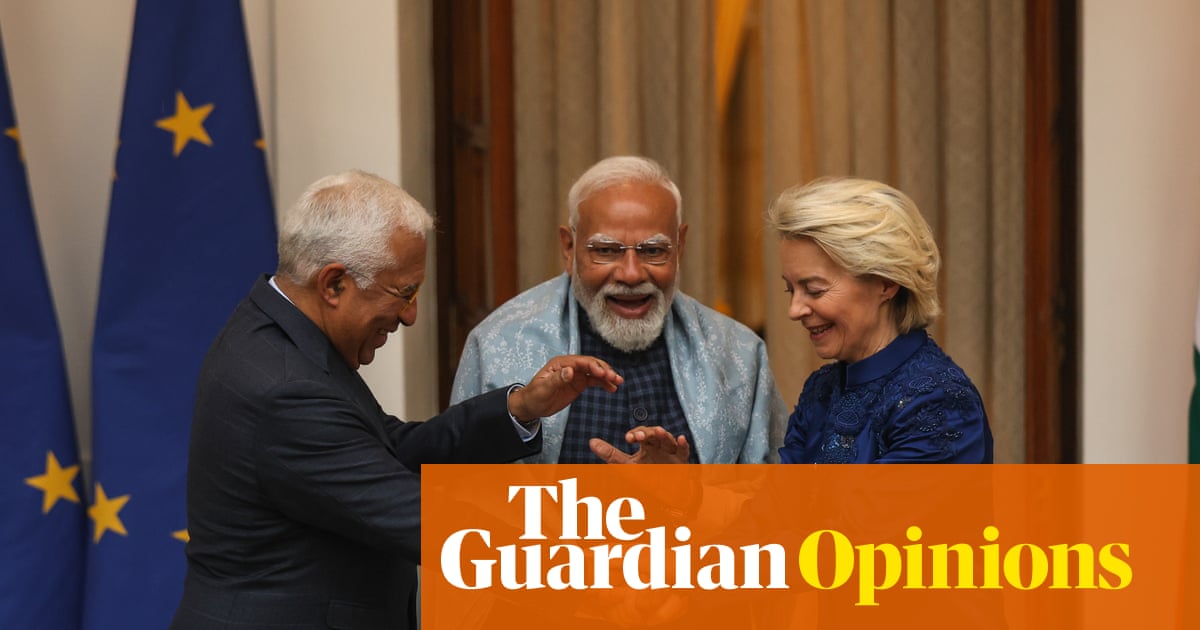
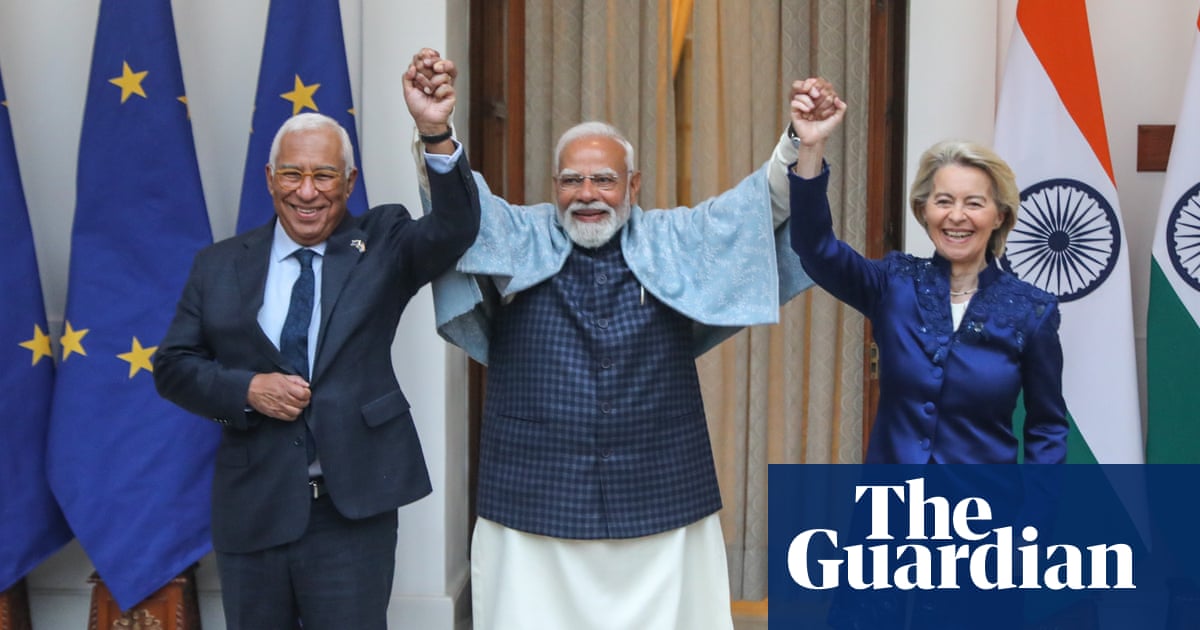
After nearly two decades of negotiations, India and the European Union announced Tuesday they have reached a free trade agreement to deepen economic and strategic ties. The accord, which the EU chief described as the "mother of all deals," could affect as many as 2 billion people. The deal between two of the world's biggest markets comes as Washington targets both India and the EU with steep import tariffs, disrupting established trade flows and pushing major economies to seek alternate partnerships.
The deal would forge a market of two billion people and nearly a quarter of global GDP, according to the European Commission. Follow DW for more. EU and India conclude trade negotiations after nearly two decades of on-off negotiationsImage: Altaf Hussain/REUTERS Skip next section What you need to know EU and India have finalized a trade deal after nearly two decades of negotiations
The European Commission, which concluded negotiations a year ago, and countries such as Germany and Spain argue it is a vital part of an EU push to unlock new markets to offset business lost from U.S. tariffs and to reduce reliance on China by securing access to critical minerals. Opponents led by France, the European Union's largest agricultural producer, say the agreement will jack up imports of cheap food products, including beef, poultry and sugar, undercutting domestic farmers.
Brussels would be willing to discuss closer trade ties with the UK, including the possibility of cooperation on a customs union, a senior European commissioner has said, signalling the clearest openness yet from the EU to re-engage with Britain.Speaking to the BBC after high-level talks in London, Valdis Dombrovskis, the European Commissioner for Economy, said the EU was "ready to engage with an open mind" if the UK wanted to explore deeper economic alignment.