#cross-border-settlements
#cross-border-settlements
[ follow ]
#tariffs #trade-agreements #trade-policy #supreme-court-ruling #free-trade-agreement #eu #geopolitical-risk
fromLondon Business News | Londonlovesbusiness.com
2 days agoUS dollar rose amid a rebound in geopolitical concerns - London Business News | Londonlovesbusiness.com
The US dollar returned to the upside as geopolitical fears rebounded after US President Trump's address to the nation. The rhetoric fuelled risk aversion and flows toward the dollar while oil prices surged.
US Elections
#international-expansion

Bootstrapping
fromLondon Business News | Londonlovesbusiness.com
3 weeks agoFive international expansion tips for businesses to expand sustainably - London Business News | Londonlovesbusiness.com
International expansion requires thorough market research, local partnerships, localized marketing strategies, and technology infrastructure to succeed.
Cryptocurrency
fromnews.bitcoin.com
4 days agoRipple Expands Cross-Border Payments With Faster, Reliable Settlements in Convera Collaboration
Rising demand for efficient international settlements is driving blockchain-based payment models, exemplified by Ripple and Convera's partnership for crypto-enabled solutions.
fromwww.dw.com
5 days agoWTO talks end in stalemate over e-commerce
"We worked hard," WTO Director-General Ngozi Okonjo-Iweala said, adding that the US and Brazil in particular "need more time" to work out their differences over the agreement to impose levies on cross-border online orders.
World politics
fromLondon Business News | Londonlovesbusiness.com
5 days agoGlobal markets react to geopolitical tensions and rising energy costs - London Business News | Londonlovesbusiness.com
U.S. financial markets experienced a volatile week, largely influenced by geopolitical developments in the Middle East and fluctuations in energy prices. Investor sentiment was driven primarily by external events rather than domestic fundamentals.
Business
#tariffs
Law
fromAbove the Law
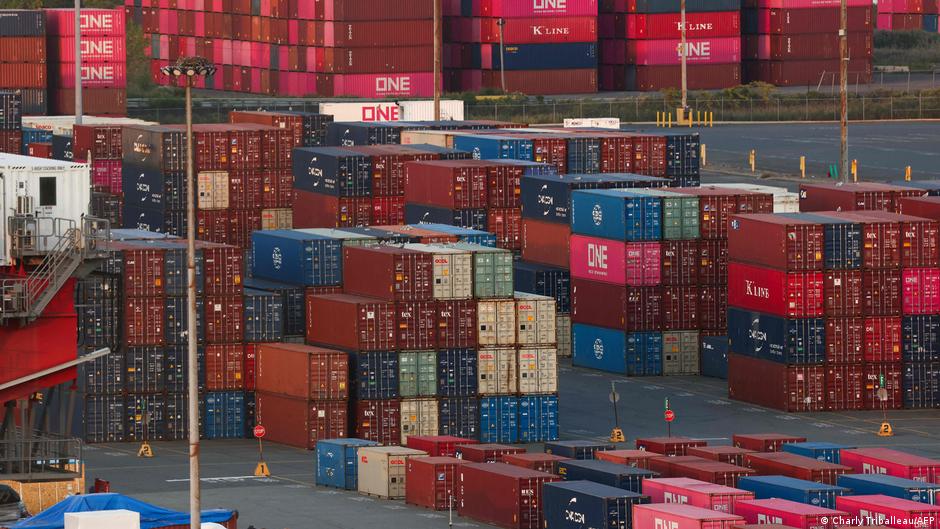
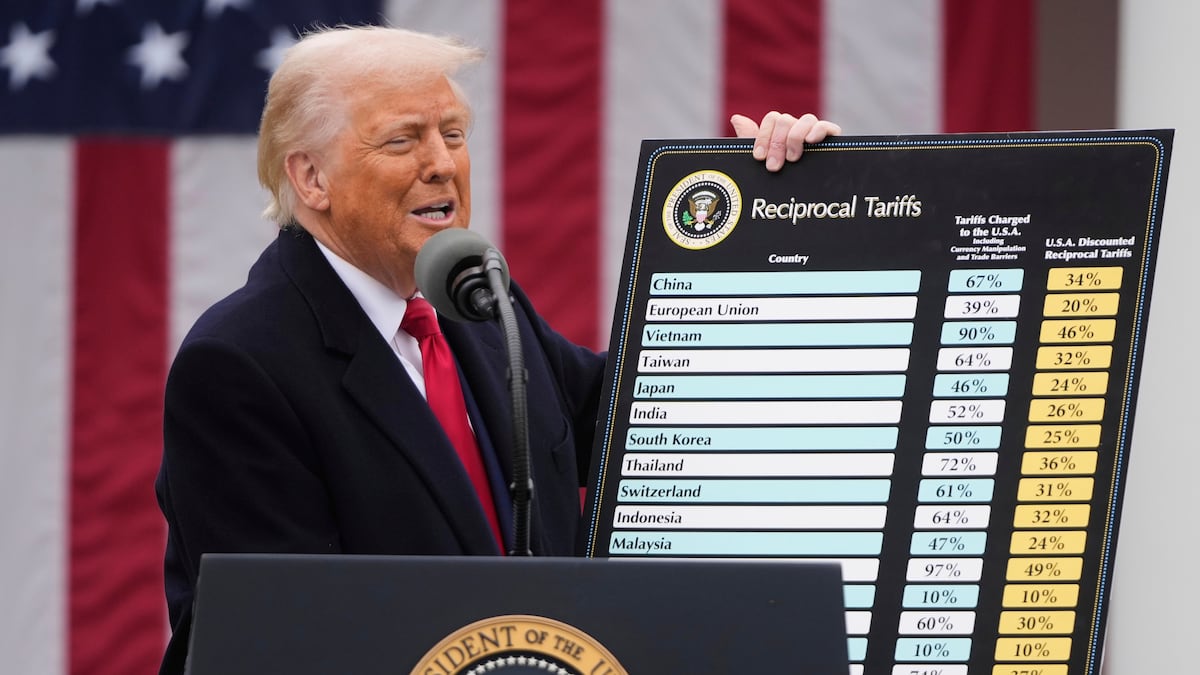
2 months agoWhat If Tariffs Go Away - Or Don't? Navigating Uncertainty With Contract Intelligence - Above the Law
Clear visibility into contract terms and AI-enabled contract intelligence are essential to manage tariff-driven refund risk, tariff reinstatements, and supply-chain cost volatility.
US politics
fromFortune
1 month agoHow Trump created a trade deal bonanza-for all of America's former allies who realized they needed new partners | Fortune
Allies and global investors are diversifying away from the United States due to President Trump's unpredictable tariffs, reducing U.S. influence and raising costs.
fromBusiness Insider
2 weeks agoPaid IEEPA tariffs on overseas purchases? Here is what shipping companies are saying about refunds
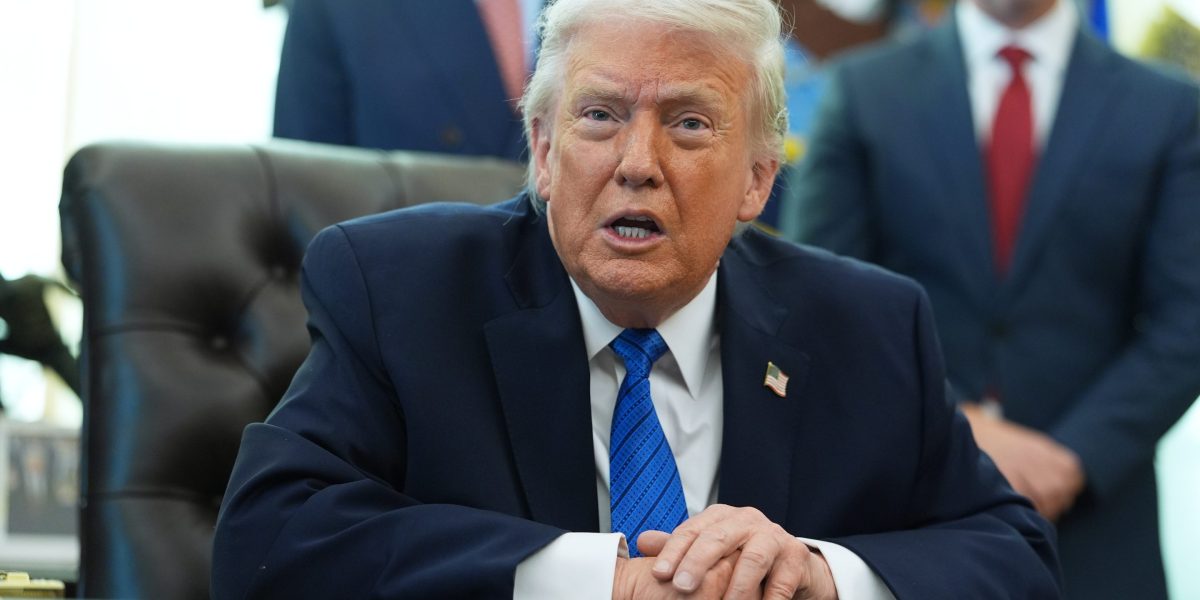
After Trump ended the de minimis exemption last year, purchasing an item straight from an international vendor, regardless of the item's value, meant incurring International Emergency Economic Powers Act tariffs. Now, thanks to a ruling by the Supreme Court that overturned Trump's IEEPA tariffs, and a ruling by the Court of International Trade ruled that all tariffs paid under IEEPA must be returned, buyers may be able to collect a refund.
European startups
fromLondon Business News | Londonlovesbusiness.com
2 weeks agoThe significant events in the global economy over the past week - London Business News | Londonlovesbusiness.com
Weak performance in several service sectors offset gains in retail and wholesale trade, reinforcing concerns about the pace of economic recovery. Japan relies heavily on oil imports from the Middle East, making it particularly sensitive to disruptions in the region.
UK news
#trade-investigations

European startups
fromwww.dw.com
3 weeks agoUS trade probes could lead to new tariffs for EU, China
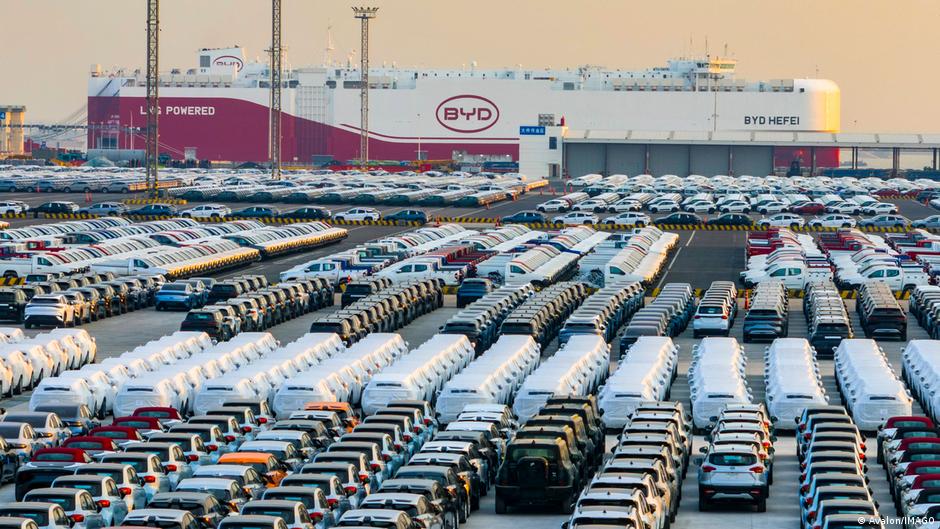
The US launched two trade investigations targeting excess industrial capacity and forced labor imports, potentially leading to new tariffs on major trading partners after the Supreme Court limited Trump's tariff authority.
#eu-mercosur
Europe politics
fromFortune
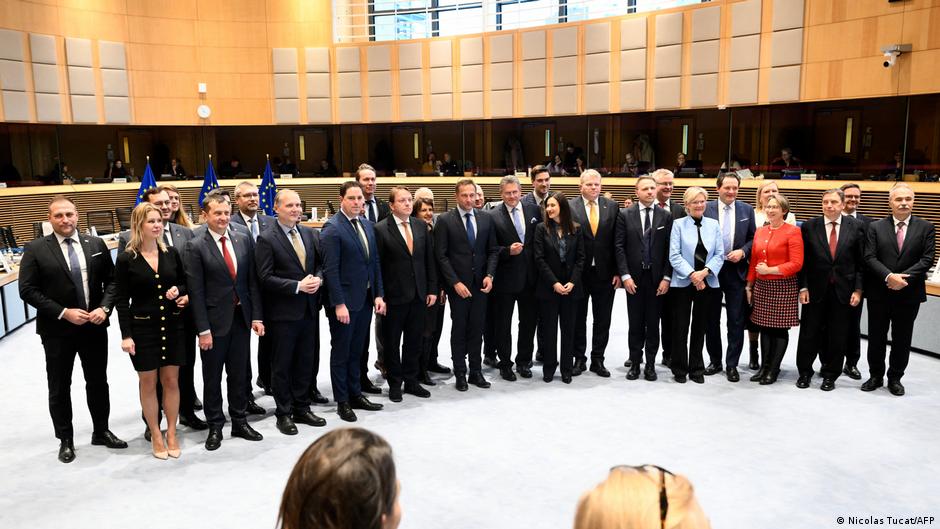
1 week agoAfter 25 years of negotiations, the EU finally signs the EU-Mercosur deal, the biggest trade deal in history linking 700 million people | Fortune
The EU-Mercosur free trade deal will begin on May 1, enhancing trade among 700 million people and reducing dependency on China and the US.
Europe politics
fromFortune
1 week agoAfter 25 years of negotiations, the EU finally signs the EU-Mercosur deal, the biggest trade deal in history linking 700 million people | Fortune
The EU-Mercosur free trade deal will begin on May 1, enhancing trade among 700 million people and reducing dependency on China and the US.
US Elections
fromwww.npr.org
4 weeks agoNo lawsuits required: U.S. Customs is working on a system to refund tariffs
U.S. Customs is developing a streamlined refund system for unconstitutional tariffs, expecting completion within 45 days, avoiding individual lawsuits for the $166 billion owed to over 330,000 businesses.
Bootstrapping
fromEntrepreneur
1 month agoAvoid These Tax Pitfalls When Expanding Your Startup Overseas
U.S. entrepreneurs expanding internationally must plan early and obtain expert advice to avoid unexpected tax obligations, compliance requirements, and permanent establishment issues in foreign countries.
fromFortune
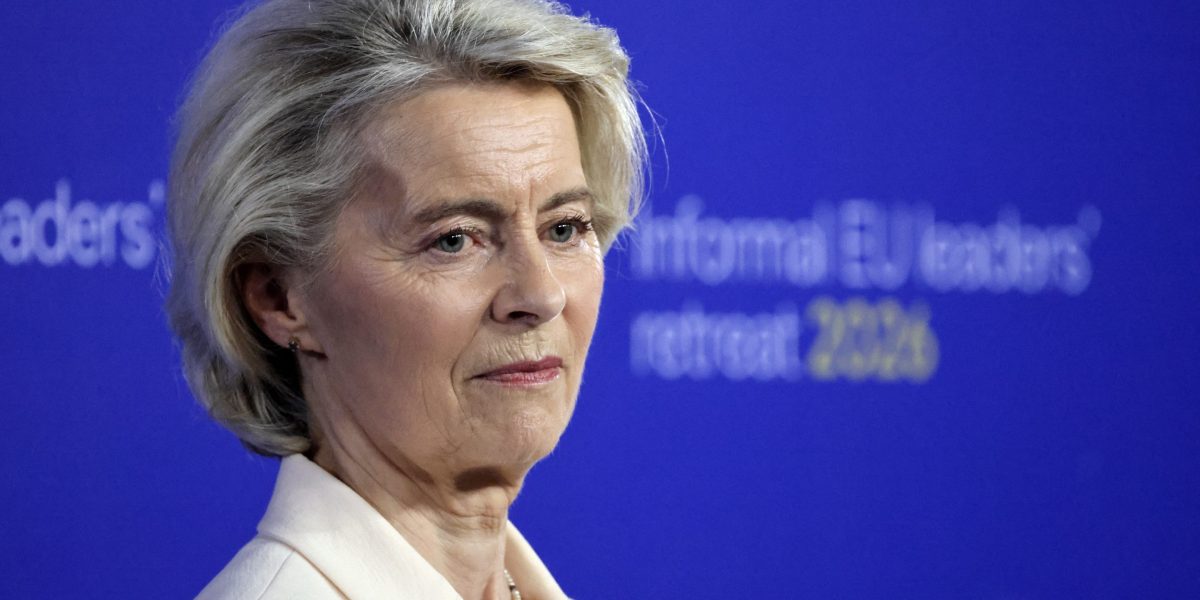
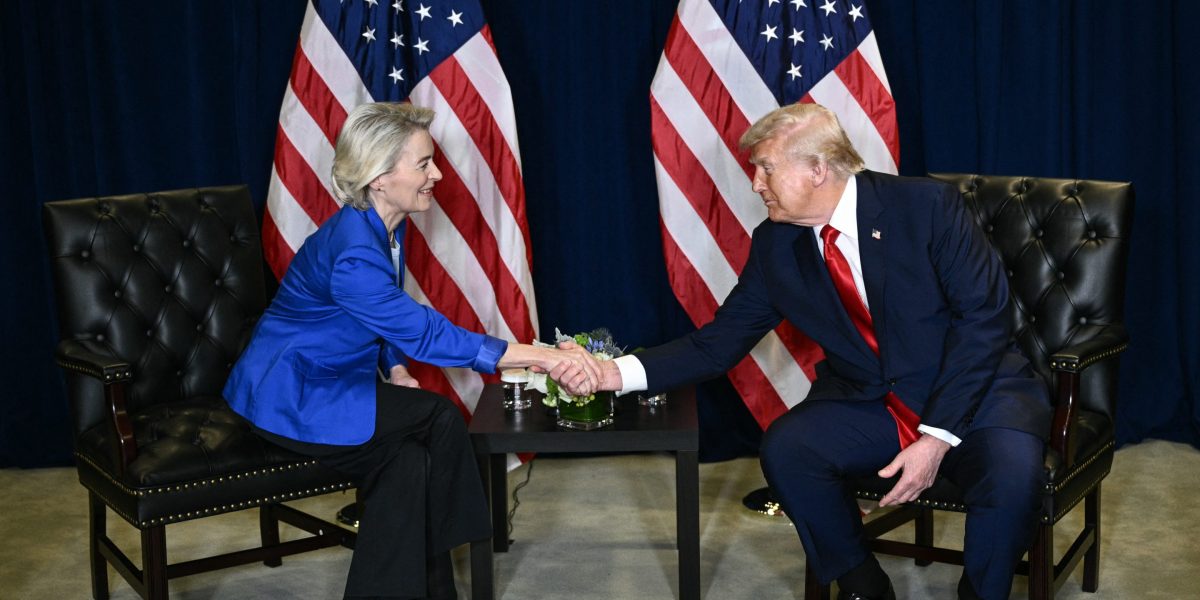
1 month agoSupreme Court limits Trump tariffs, but CFOs still face a volatile trade landscape | Fortune
Good morning. The Supreme Court's ruling on President Trump's tariff authority did more than redraw the boundaries of executive power. It also potentially shifted the operating environment for finance chiefs and manufacturers managing sustained trade-policy volatility. In a 6-3 decision on Friday, the justices ruled that Trump overstepped by using the International Emergency Economic Powers Act to levy tariffs throughout much of 2025, striking down portions of the duties on steel, aluminum, and some Chinese imports.
US politics
fromwww.aljazeera.com
1 month agoHong Kong-linked company decries search of Panama Canal port offices
Panama Ports Company (PPC), part of the Hong Kong conglomerate CK Hutchison, said the Panamanian government acted in disregard for the rule of law. It decried what it called the latest steps to invade and take the property of PPC during a search on Thursday. It also accused authorities of entering a private storage site without notice and ignoring requests to safeguard sensitive corporate data.
World politics

fromThe Local France
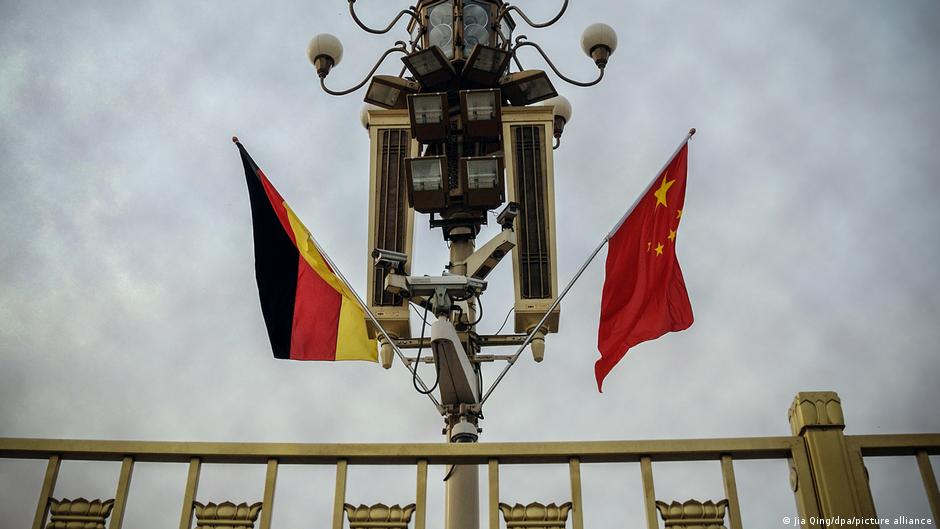
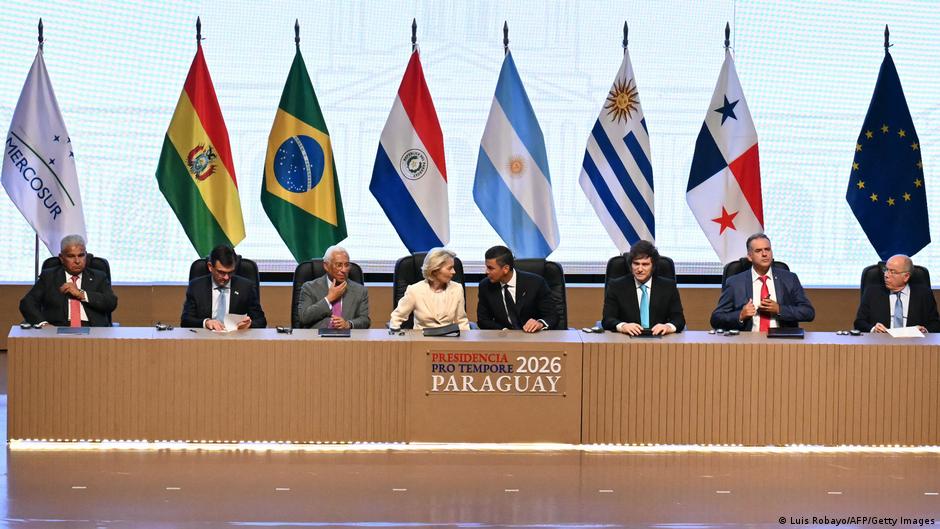
2 months agoEU to ink long-awaited trade deal with South American bloc
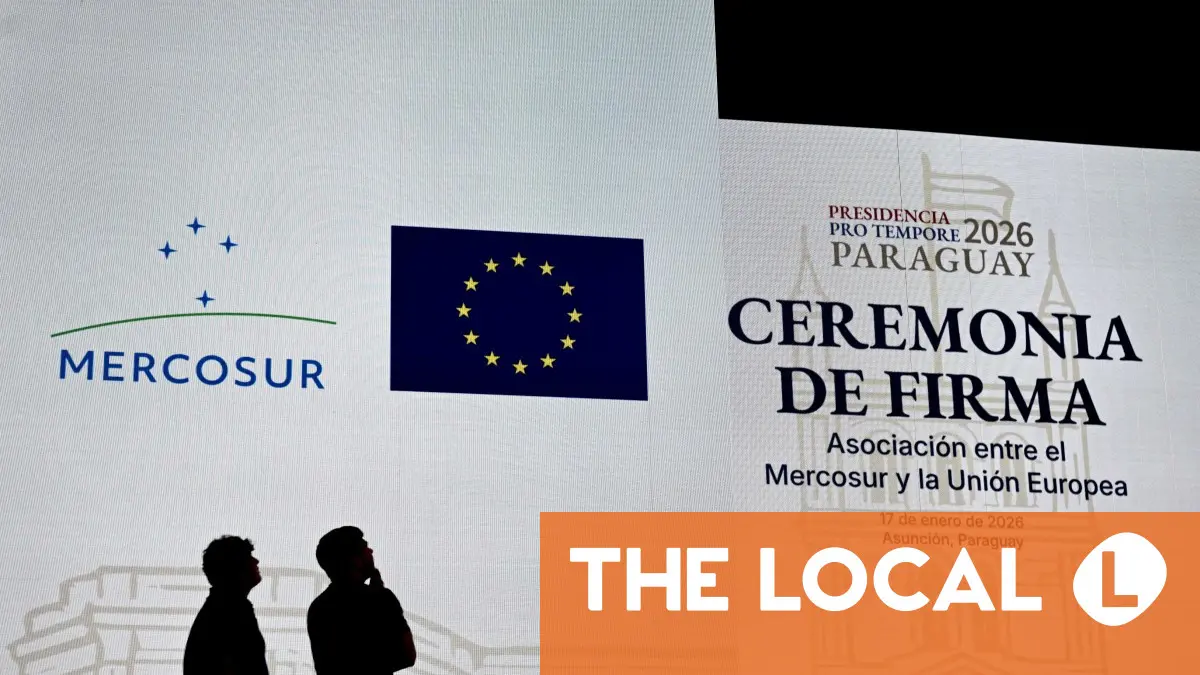
The European Union will on Saturday sign a deal 25 years in the making with the South American trade bloc Mercosur, creating one of the world's largest free trade areas at a time of growing protectionism and volatility. The long-awaited agreement comes amid the sweeping use of tariffs and trade threats by US President Donald Trump's administration, which has sent countries scrambling for new partnerships.
France news
from24/7 Wall St.
2 months agoThe Cross-Border Specialist Posts 25% Growth but Its Platform Rival Delivers Better Returns
Global-E posted $220.8 million in revenue, up 25.5% year-over-year, with gross margins at 45.1%. The company generated $13.2 million in net income, but profit margin remained razor-thin at 0.83%. Operating margin reached 7.7%, showing the business model works operationally, but capital efficiency remains a problem. Return on equity sits at just 0.81%, meaning the company barely generates returns on deployed capital. That's the core issue Wall Street keeps circling back to.
E-Commerce


fromBusiness Matters
2 months ago162bn of UK exports at risk as firms struggle to collect payments from US, China and India
Almost £162 billion of British exports are at heightened risk because UK firms are shipping goods to markets where collecting payment is most difficult, according to new analysis. Research from Allianz Trade shows that nearly a quarter (24%) of all UK exports are destined for three countries, the United States, China and India, which pose the greatest challenges for debt collection among the UK's top 20 export markets.
Business
Business
fromLondon Business News | Londonlovesbusiness.com
1 month agoA look at the significant events in the global economy over the past week - London Business News | Londonlovesbusiness.com
U.S. markets rotated away from large-cap technology toward smaller and value stocks amid cooling labor-market signals, mixed economic activity, and falling bond yields.
Business
fromHarvard Business Review
2 months agoFor Multinational Companies, Localization Matters More Than Ever
Global companies must localize core operations, duplicating supply chains and integrating regional suppliers to meet data-sovereignty and local sourcing mandates, sacrificing scale for resilience.
fromFortune
2 months agoA spectre is haunting Europe - the spectre of Trump. Cue the Asian trade deals | Fortune
Stability. Consistency. Ever-changing complexity. With language like that, deployed in separate meetings in three Asian capitals this week, government leaders forged closer ties driven in part by a figure halfway around the world: the president of the United States. And much of the time, they didn't even mention Donald Trump's name. IN BEIJING: The U.K. and Chinese leaders called Thursday for a "long-term, stable, and comprehensive strategic partnership" between their two countries. The important words are long-term and stable. The two countries committed a decade ago to building a comprehensive strategic partnership but progress has been halting at best.
World politics
Europe politics
fromwww.theguardian.com
2 months agoThe Guardian view on Europe's payments problem: sovereignty starts at the till | Editorial
Europe needs a sovereign, state-backed payment infrastructure like India's UPI to avoid dependence on US-controlled card networks and vulnerability to sanctions.


fromFortune
2 months agoIndia, EU reach 'mother of all' trade agreements after nearly 20 years of talks | Fortune
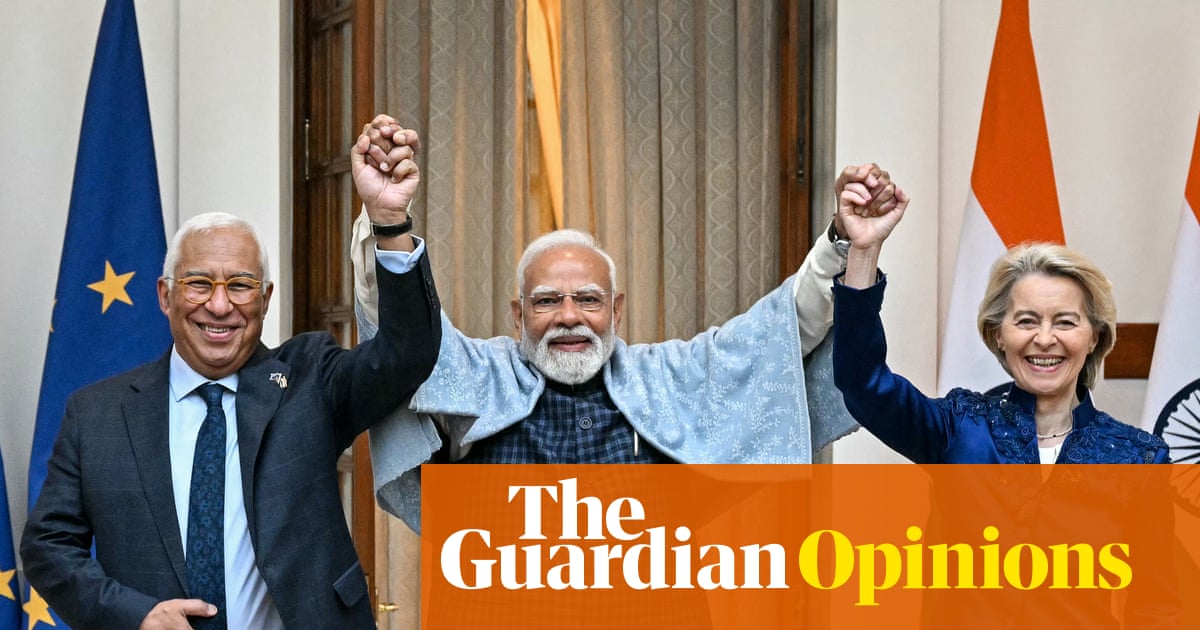
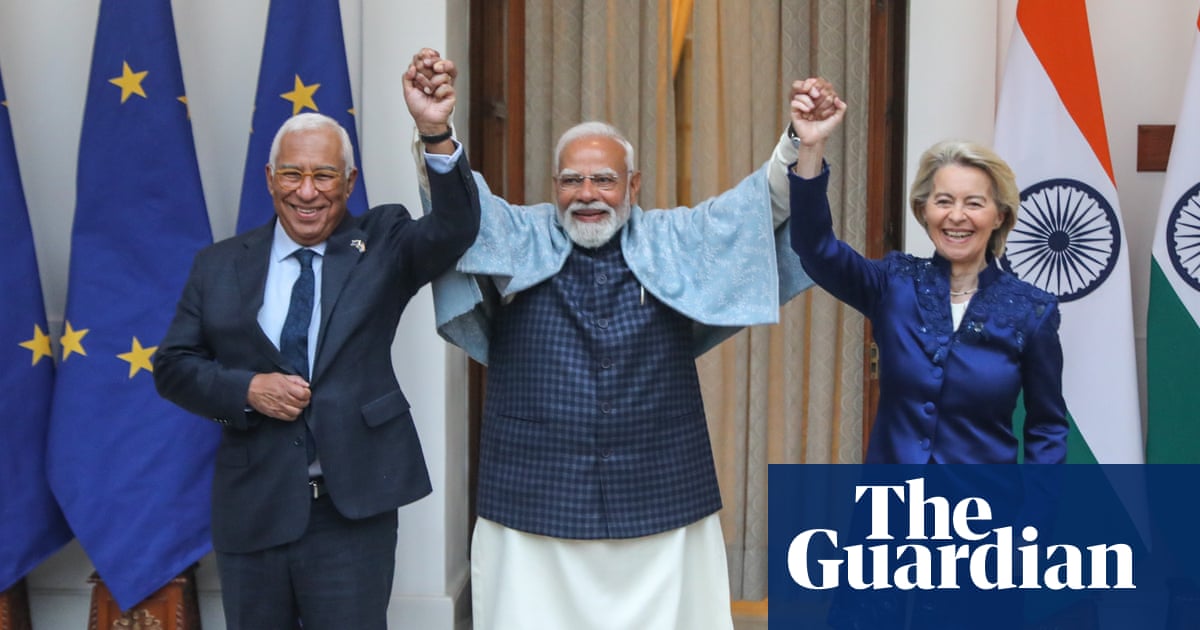
After nearly two decades of negotiations, India and the European Union announced Tuesday they have reached a free trade agreement to deepen economic and strategic ties. The accord, which the EU chief described as the "mother of all deals," could affect as many as 2 billion people. The deal between two of the world's biggest markets comes as Washington targets both India and the EU with steep import tariffs, disrupting established trade flows and pushing major economies to seek alternate partnerships.
Miscellaneous
Miscellaneous
fromLondon Business News | Londonlovesbusiness.com
1 month agoHow much could closer UK-EU ties add to the economy? - London Business News | Londonlovesbusiness.com
UK quarterly growth stalled at 0.1%; deeper UK–EU trade alignment could lift GDP by roughly 1–2% and help reverse Brexit-related economic losses.
fromwww.dw.com
2 months agoEU, India secure historic free trade agreement
The deal would forge a market of two billion people and nearly a quarter of global GDP, according to the European Commission. Follow DW for more. EU and India conclude trade negotiations after nearly two decades of on-off negotiationsImage: Altaf Hussain/REUTERS Skip next section What you need to know EU and India have finalized a trade deal after nearly two decades of negotiations
Miscellaneous

fromBusiness Matters
1 month agoEU has 'open mind' on UK customs union talks, commissioner says
Brussels would be willing to discuss closer trade ties with the UK, including the possibility of cooperation on a customs union, a senior European commissioner has said, signalling the clearest openness yet from the EU to re-engage with Britain.Speaking to the BBC after high-level talks in London, Valdis Dombrovskis, the European Commissioner for Economy, said the EU was "ready to engage with an open mind" if the UK wanted to explore deeper economic alignment.
Miscellaneous
[ Load more ]