#geopolitical-risk
#geopolitical-risk
[ follow ]
#strait-of-hormuz #energy-markets #market-volatility #oil-prices #federal-reserve-policy #iran-conflict
#oil-markets

World politics
fromLondon Business News | Londonlovesbusiness.com
2 days agoCrude oil between geopolitical escalation and dollar pressure - London Business News | Londonlovesbusiness.com
Geopolitical factors and monetary conditions are significantly influencing global oil prices, reflecting uncertainty rather than traditional supply and demand.
World news
fromFortune
2 weeks ago'Peak war panic' will likely hit financial markets in 1-3 weeks, strategist predicts, as the U.S. and Iran dig in for prolonged escalation | Fortune
The S&P 500 remains resilient despite U.S.-Israel conflict with Iran, but prolonged war and oil supply disruptions could trigger market corrections as economic pressures mount on both sides.
fromLondon Business News | Londonlovesbusiness.com
2 days agoUS dollar rose amid a rebound in geopolitical concerns - London Business News | Londonlovesbusiness.com
The US dollar returned to the upside as geopolitical fears rebounded after US President Trump's address to the nation. The rhetoric fuelled risk aversion and flows toward the dollar while oil prices surged.
US Elections
from24/7 Wall St.
2 days agoGE Aerospace Is Down 14% This Month While Its $190 Billion Backlog Keeps Growing
The Islamic Revolutionary Guard Corps (IRGC) has threatened to strike 18 US technology and defense-related companies operating in the Middle East, including GE, which has contributed to a bearish sentiment among investors.
Business
fromLondon Business News | Londonlovesbusiness.com
4 days agoUS dollar stable near recent highs - London Business News | Londonlovesbusiness.com
Escalating geopolitical risk continued to dominate global markets' concerns, with safe-haven demand keeping the dollar index anchored near a multi-week high.
World politics
fromwww.housingwire.com
1 week agoHomebuyer affordability improves in February
The February PAPI declined over the month and is nearly 10% lower than a year ago, reflecting both reduced payments and steady income growth, Edward Seiler said. While affordability conditions remain challenging in many markets, these incremental gains felt across more than half of states are an encouraging sign for prospective buyers, particularly those seeking lower-payment options.
Boston real estate
fromRealagriculture
1 week agoBiofuels, Brazil, and the cost of war: Suderman outlines key forces shaping grain markets
"I think it surprised me how easily people are swayed by headlines," says Suderman, noting that wartime information flows are often strategic and conflicting. "You have to learn in a wartime to take everything with a grain of salt in the context of what you observe."
World politics
Europe news
fromIrish Independent
2 weeks agoSimon Harris says energy supports coming 'very shortly' as gas prices soar after strikes on Middle East energy infrastructure
European natural gas prices surged approximately one-third in a single day following Iranian missile strikes on Qatar's major LNG export facility, with analysts assessing potential long-term supply disruptions.
fromLondon Business News | Londonlovesbusiness.com
2 weeks agoUS futures slide as inflation fears and Fed outlook weigh on risk appetite - London Business News | Londonlovesbusiness.com
Rising inflation concerns, hawkish monetary policy signals, and escalating geopolitical tensions weighed on risk assets. Energy markets are adding to the pressure. Oil prices surged following renewed attacks on energy infrastructure in the Middle East, intensifying concerns about inflationary pressure.
Business
UK news
fromLondon Business News | Londonlovesbusiness.com
2 weeks agoBoE warns inflation will soar due to the escalating Middle East crisis - London Business News | Londonlovesbusiness.com
The Bank of England raised its CPI inflation forecast to 3.5% for Q3 2026, attributing the increase to Middle East conflict causing energy market shocks, and maintained interest rates at 3.75% while signaling unlikely rate cuts in 2026.
UK news
fromLondon Business News | Londonlovesbusiness.com
2 weeks agoBank of England holds base rate amid Middle East war - London Business News | Londonlovesbusiness.com
The Bank of England held the base interest rate at 3.75% due to Middle East conflict uncertainty and rising energy prices threatening inflation expectations.
fromwww.aljazeera.com
2 weeks agoCould oil hit $200 a barrel? Analysts no longer think it's far-fetched
Analysts widely agree that prices have room to move much higher if the Strait of Hormuz, the conduit for about one-fifth of global oil supplies in peacetime, remains effectively closed in the coming weeks. The only real point of contention is by how much.
World news
World politics
fromFortune
2 weeks agoIt's almost inexplicable why oil prices aren't much higher. But here's why markets are 'resilient' so far despite the biggest energy supply shock ever | Fortune
Despite a historic energy supply shock from the Iran war and Strait of Hormuz disruption affecting 20% of global oil and gas flows, oil prices remain below theoretical highs due to reduced Middle Eastern dependence, strategic reserves, and optimism about conflict resolution.
fromLondon Business News | Londonlovesbusiness.com
2 weeks agoFTSE 100 Opens Higher Amid Positive Energy Market - London Business News | Londonlovesbusiness.com
The FTSE 100 has made another tentative step in early trade to recover losses sparked by the outbreak of war with Iran. Stocks on Wall Street are also set to resume a rally as investor sentiment recovers. Iraq has clinched a deal with Turkey to resume exports through the port of Ceyhan, instead of using the dangerous Strait of Hormuz. This is leading to hopes that a severe, prolonged oil shock will not materialise, as more crude supplies are able to filter out of the region through other routes.
Europe news
#oil-price-surge
World news
fromLondon Business News | Londonlovesbusiness.com
2 weeks agoCrude oil remains elevated as supply risks turn into actual disruptions - London Business News | Londonlovesbusiness.com
Oil prices have surged 40-50% since late February due to actual Middle East supply disruptions, with Brent at USD 103.6 and WTI near USD 95, as Iran's attacks on production facilities materialize real supply losses rather than anticipated risks.
Business
from24/7 Wall St.
3 weeks ago4 ETFs That Are Worth Buying For $100 Oil
Oil futures reached $100 per barrel amid Iran's threat to close the Strait of Hormuz, prompting the IEA to declare it the biggest oil supply disruption ever, with four distinct ETFs offering different energy sector exposures for investors.
#bitcoin-price-action
Cryptocurrency
fromLondon Business News | Londonlovesbusiness.com
2 weeks agoBitcoin rally exhibits signs of fragility and could be reversed by the Fed - London Business News | Londonlovesbusiness.com
Bitcoin trades sideways at $74K facing rejection at $76K, with geopolitical tensions and higher interest rates reducing Federal Reserve rate-cut expectations to 46.1% before September.
Cryptocurrency
fromLondon Business News | Londonlovesbusiness.com
3 weeks agoBitcoin steady as ETF demand counters headwinds - London Business News | Londonlovesbusiness.com
Bitcoin trades near $70,000 amid consolidation, facing headwinds from Middle East tensions and rising Treasury yields, but supported by institutional inflows and positive regulatory developments.
fromInfoQ
2 weeks agoWar in Iran Damages Multiple AWS Data Centers, Challenging Multi-AZ Assumptions
In the ME-CENTRAL-1 (UAE) Region, two of our three Availability Zones (mec1-az2 and mec1-az3) remain significantly impaired. The third Availability Zone (mec1-az1) continues to operate normally, though some services have experienced indirect impact due to dependencies on the affected zones. In the ME-SOUTH-1 (Bahrain) Region, one facility has been impacted.
DevOps
US Elections
fromFortune
2 weeks agoA market correction of 10% could be on the cards as consumer psychology shifts due to gas prices, says top economist | Fortune
Consumer visibility of gasoline prices, not crude oil costs, determines economic impact and inflation expectations through wage-price spirals.
fromLondon Business News | Londonlovesbusiness.com
2 weeks agoSilver under Fed pressure and geopolitical support - London Business News | Londonlovesbusiness.com
The current decline in silver prices is not merely a temporary correction, but a deeper repricing of market expectations regarding the path of U.S. interest rates, which remains the most influential factor in the short term for non-yielding assets.
Business
#strait-of-hormuz
World politics
fromLondon Business News | Londonlovesbusiness.com
2 weeks agoOil prices in times of instability: Fortrade review and analysis - London Business News | Londonlovesbusiness.com
Middle East military tensions threaten the Strait of Hormuz, a critical shipping corridor for one-fifth of global oil, creating uncertainty in crude oil prices through perceived supply disruption risks.



World politics
fromLondon Business News | Londonlovesbusiness.com
2 weeks agoOil prices in times of instability: Fortrade review and analysis - London Business News | Londonlovesbusiness.com
Middle East military tensions threaten the Strait of Hormuz, a critical shipping corridor for one-fifth of global oil, creating uncertainty in crude oil prices through perceived supply disruption risks.
#bitcoin-price-movement
Cryptocurrency
fromLondon Business News | Londonlovesbusiness.com
2 weeks agoBitcoin maintains uptrend as institutional flows return - London Business News | Londonlovesbusiness.com
Bitcoin gained 12% since late February amid geopolitical tensions, with spot ETF inflows totaling $767 million over five sessions, though profit-taking pressure and modest institutional flows may limit near-term gains.
Business
from24/7 Wall St.
2 weeks agoHere Are Monday's Top Wall Street Analyst Research Calls: Alnylam Pharmaceuticals, Circle Internet, Fifth Third Bancorp, Intuit, ServiceNow, Qualcomm, Trade Desk, and More
Stock markets declined for the third consecutive week despite opening higher, with tech stocks leading losses while Treasury yields mixed and oil prices rose due to geopolitical tensions.
fromSilicon Canals
2 weeks agoThe AI boom's hidden weakness: how Iran's conflict exposed a helium bottleneck for chip manufacturing - Silicon Canals
Geopolitical instability in the Middle East threatens helium supply, which is critical for semiconductor manufacturing and AI infrastructure with no viable substitutes.
Europe news
fromLondon Business News | Londonlovesbusiness.com
2 weeks agoEuro hit as Iran war escalates, investors urged to take action - London Business News | Londonlovesbusiness.com
Middle East geopolitical tensions are weakening the euro as investors flee to the dollar, exploiting Europe's structural vulnerability to energy price shocks.
fromLondon Business News | Londonlovesbusiness.com
2 weeks agoStrait of Hormuz escalation exposes growing risks to commercial shipping - London Business News | Londonlovesbusiness.com
The recent incidents in the Strait of Hormuz show how quickly maritime risk can escalate from geopolitical tension to operational disruption. For shipping operators, the challenge is not only the threat environment itself, but also maintaining reliable situational awareness as navigation signals degrade and vessel activity becomes harder to interpret.
World news
fromFortune
2 weeks agoThe closed Strait of Hormuz is testing Asia's energy security. The answer lies across the Pacific-in Canada | Fortune
The U.S. Energy Information Administration estimated that, in 2024, over 80% of the crude and LNG that transited Hormuz went to Asian markets. China, India, Japan, and South Korea accounted for nearly 70% of all Hormuz crude flows. Saudi Arabia and the UAE can only send about 2.6 million barrels of crude oil a day through bypass pipelines, not enough to offset the 20 million barrels per day now stuck.
Canada news
Cryptocurrency
fromCointelegraph
2 weeks agoHow Bitcoin and Gold Reacted Differently to the Iran War Shock
The 2026 Iran conflict triggered global market volatility, prompting investors to reassess safe-haven assets including gold and Bitcoin, revealing divergent responses between traditional and digital stores of value.

Real estate
fromwww.housingwire.com
2 weeks agoHousing demand still positive, but for how long with rising rates?
Mortgage rates surged above 6.41% amid increased volatility and widened spreads, driven by Iran conflict escalation, threatening the year's low-rate environment while housing demand remains positive but historically fades near 7% rates.
Business
from24/7 Wall St.
2 weeks agoU.S. supplies a third of world's LNG but only 3% of global oil exports
The U.S. dominates global LNG exports at one-third of supply but exports only 3% of global oil, creating structural price insulation for natural gas while leaving oil prices vulnerable to geopolitical disruptions.
fromBitcoin Magazine
3 weeks agoBitcoin Price Reclaims $73,000, Outperforming Gold And Stocks
Bitcoin price rising about 8% since the first strikes against Iran, reaching a one-month high above $73,000. The move placed the digital asset ahead of several traditional safe-haven and risk assets during a period of geopolitical stress.
Cryptocurrency
Business intelligence
from24/7 Wall St.
3 weeks agoLive Nasdaq Composite: Markets Face Inflation, Lofty Oil and Slower Economic Growth
U.S. stock markets show resilience with all three major averages gaining in pre-market trading despite rising oil prices and Middle East tensions, while technology and financial stocks face pressure.

fromLondon Business News | Londonlovesbusiness.com
3 weeks agoIs the oil shock reshaping risk dynamics on Wall Street? - London Business News | Londonlovesbusiness.com
The sharp decline witnessed in U.S. equity markets signals an important shift in global market sentiment, after the Dow Jones Industrial Average lost more than 700 points to close below the 47,000 level for the first time in 2026. At the same time, both the S&P 500 and Nasdaq Composite also fell to their lowest levels this year.
US politics
from24/7 Wall St.
3 weeks agoDespite VIX Spikes and $100 Oil, Traders Are Surprisingly Bullish on SPY Right Now
Oil WTI crude climbed from $71 a barrel on March 2 to $94.65 by March 9 in a single week, after the Strait of Hormuz was effectively closed and Iranian energy infrastructure was struck. Brent briefly touched elevated intraday highs before pulling back when Trump signaled the conflict was winding down.
Business intelligence
World news
fromLondon Business News | Londonlovesbusiness.com
3 weeks agoUS inflation held at 2.4% in February, but significant price pressures loom in March - London Business News | Londonlovesbusiness.com
US inflation stabilized at 2.4% year-on-year in February, but Middle East disruptions to energy supplies create uncertainty about future Fed rate cut decisions.


Europe news
fromLondon Business News | Londonlovesbusiness.com
3 weeks agoGold consolidates as markets weigh oil-driven inflation risks and economic data - London Business News | Londonlovesbusiness.com
Gold trades near USD 5,180 as macroeconomic factors and geopolitical risks create conflicting pressures on the precious metal's price direction.
#energy-markets


World news
fromLondon Business News | Londonlovesbusiness.com
3 weeks ago'Double whammy' as oil surges again and trade tensions escalate - London Business News | Londonlovesbusiness.com
Markets face dual pressures from surging energy prices driven by Iran-related geopolitical tensions and new trade investigations initiated by the Trump administration.
UK news
fromLondon Business News | Londonlovesbusiness.com
3 weeks agoExpectations for UK interest rate cuts shift dramatically - London Business News | Londonlovesbusiness.com
Geopolitical tensions are pushing markets toward higher interest rates and oil prices, benefiting energy and defence sectors while shifting investment away from growth stocks.
Digital life
fromCoda Story
3 weeks agoThe influencer bubble: Can content creators continue to airbrush the Gulf? - Coda Story
Dubai attracts thousands of influencers with tax incentives and creator support, but geopolitical tensions reveal the risks of building careers in politically volatile regions.
US Elections
fromwww.mediaite.com
3 weeks agoJoe Rogan Says He's Spooked' By Trump Turning 80: Scary to Have Old Leaders' Making Decisions When Their Death is Imminent'
Joe Rogan expressed concern that President Trump, turning 80 this year, and other elderly leaders make consequential global decisions despite imminent mortality and potential cognitive decline.
fromRealagriculture
3 weeks agoMarch WASDE leaves grain markets searching for direction
USDA estimates for major crops were largely unchanged from the previous month, resulting in muted market reactions. For wheat, the USDA maintained its U.S. production, supply, and ending stocks forecasts with no revisions. Global wheat production was adjusted slightly higher, largely due to increased output estimates in Ukraine and Kazakhstan, partially offset by a smaller Australian crop.
Agriculture
from24/7 Wall St.
3 weeks agoKeyBanc Flags AeroVironment (AVAV) as Top Iran Conflict Winner
KeyBanc lowered its price target to $295 from $330 and kept its Overweight rating after adjusting estimates post-earnings. The firm attributes the target reduction to recent changes to the SCAR program and timing in contract awards. Despite the revision, KeyBanc's broader conviction on AeroVironment is unchanged: the firm maintains that AeroVironment is positioned to capitalize on the proliferation of UAS/cUAS and increased government spending in defense and space-related programs.
Venture
fromLondon Business News | Londonlovesbusiness.com
3 weeks agoGold remained in a consolidation range ahead of key data - London Business News | Londonlovesbusiness.com
Persistent tensions in Eastern Europe and the Middle East sustain the demand for safe-haven assets. However, the surge in oil prices raised concerns about inflationary pressures, pushing up inflation expectations and lifting Treasury yields, which could continue to weigh on gold.
Europe news
World news
fromFortune
3 weeks agoLIV Golf CEO Scott O'Neil on how stuck golfers got out of a besieged Gulf: 'Precise planning, excellent resources and tremendous leadership' | Fortune
LIV Golf successfully evacuated eight players, broadcasters, and caddies stranded in Dubai during Iranian missile strikes, using Jon Rahm's private jet to reach the Hong Kong tournament on time.
fromFast Company
3 weeks agoWhy is Volkswagen suddenly planning one of the biggest job cuts in auto industry history?
Growth prospects are also weighed down by continuing geopolitical tensions and conflicts. Risks stem in particular from the Russia-Ukraine conflict, the confrontations in the Middle East, as well as growing uncertainties regarding the policy stance of the USA and the global increase of geoeconomic measures, which could further exacerbate geopolitical tensions.
Cars
from24/7 Wall St.
3 weeks agoMetals on the Move: Hycroft Mining Soars 12%, Silvercorp Metals Up 7%
When geopolitical stress spikes, gold and silver are where nervous capital runs. And right now, there's plenty to be nervous about. Geopolitical tensions, including the ongoing Iran war reshaping energy markets, U.S. actions related to Venezuela, and global trade and tariff uncertainty, are pushing investors into gold and silver as stores of value.
Business
UK news
fromLondon Business News | Londonlovesbusiness.com
3 weeks agoOBR warns Middle East war could push UK inflation higher - London Business News | Londonlovesbusiness.com
Middle East conflict could increase UK inflation by one percentage point by year-end, with oil prices up 20% and gas prices up 50%, potentially raising inflation to 3% instead of the expected 2%.
Business
from24/7 Wall St.
3 weeks agoApplied Materials Q1 2026 Free Cash Flow Hit $1.04 Billion, So Why Is the Stock Sliding
Applied Materials faces valuation debate as stock declines 11% despite strong earnings guidance, with bulls citing AI semiconductor demand and bears questioning peak-cycle pricing amid revenue decline.
fromwww.dw.com
3 weeks agoEU chief: Phasing out nuclear power was 'strategic mistake'
Europe had turned its back on a reliable, affordable source of low-emission power. For fossil fuels, we are completely dependent on expensive and volatile imports. They are putting us at a structural disadvantage to other regions.
Europe news
#oil-price-volatility


World politics
fromwww.theguardian.com
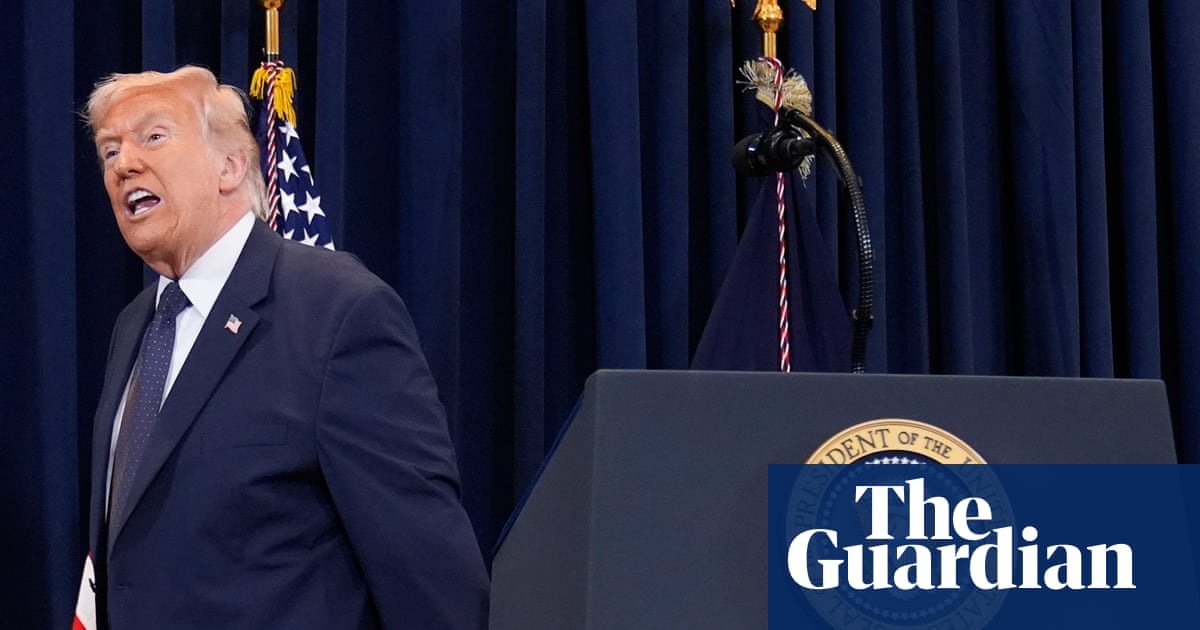
3 weeks agoOil prices drop sharply after Trump moves to reassure markets over Iran war
Oil prices fluctuated dramatically following Trump's conflicting statements about US-Iran conflict resolution, with Brent crude swinging from $119.50 to $91.58 per barrel amid threats to Strait of Hormuz shipping.
from24/7 Wall St.
3 weeks agoCCL, RCL, NCLH Stocks Slammed as Oil Prices Surge and Geopolitical Tensions Roil Cruise Sector
For cruise lines, fuel is one of the single largest operating expenses. But not all three major operators are equally exposed. Carnival does not hedge its fuel purchases. That means every dollar oil climbs hits Carnival's margins directly, with no buffer. Royal Caribbean and Norwegian Cruise Line both have fuel hedges in place, which is exactly why they are holding up comparatively better today.
Business
from24/7 Wall St.
3 weeks agoFinance Guru: Geopolitical conflicts typically trigger 4% S&P declines that recover within a month, but this time is different
For the 25 major episodes going back to 1950, we typically see a decline in the S&P of around 4%. Now, usually after a month, the S&P tends to recover that entire decline. Then he immediately walked it back. The playbook, he said, does not apply here.
US politics
fromFortune
3 weeks agoInvestors priced in a 6-week Iraq War but it lasted 8 years and cost $3 trillion. They're doing it again | Fortune
When the U.S. invaded Iraq in March 2003, Defense Secretary Donald Rumsfeld famously predicted the conflict would last "six days, six weeks-I doubt six months." It lasted eight years, injured nearly 40,000 Americans, killed 4,500, and drained what Brown University's Costs of War project calculates as nearly $2 trillion in direct spending-with veterans' medical and disability payments projected to add $1 trillion more over 40 years.
World news
fromwww.theguardian.com
3 weeks agoUK interest rate cuts unlikely this year amid Iran war and a rise could be ahead
Before the Iran war began, a rate cut at the Bank's next meeting on 19 March had been an 80% chance, but policymakers are now expected to wait to see how the conflict develops with a 99% probability of a hold at the meeting and no rate cuts for the rest of 2026, markets indicate.
UK news
London startup
fromLondon Business News | Londonlovesbusiness.com
3 weeks agoFTSE 100 tumbles as conflict in the Middle East turns into an economic war - London Business News | Londonlovesbusiness.com
London's FTSE 100 fell 1.8% as Iran's Strait of Hormuz blockade triggered a global oil crisis, with Brent crude surging 25% to $120 per barrel.
Miscellaneous
from24/7 Wall St.
3 weeks agoOil Could Break its All-Time Record and Hit $148 Per Barrel This Week
WTI crude oil futures surged to $120 per barrel in March 2026, a 30% spike in three weeks, approaching the 2008 record of $147.27 amid Iran-US military tensions and threats to close the Strait of Hormuz, significantly impacting energy stocks and broader markets.
#oil-market-crisis
World news
fromFortune
3 weeks agoOil prices soar past $100 while Dow futures sink 900 points as Iran war spirals into worst-case fears and U.S. eyes special forces mission | Fortune
Wall Street prices in prolonged U.S.-Israeli conflict with Iran as oil surges past $100 per barrel, threatening $4 pump prices and broader market instability.

[ Load more ]