#cultural-legacy-and-exhibitions
#cultural-legacy-and-exhibitions
[ follow ]
#contemporary-art #art #san-francisco #cultural-heritage #exhibition #cultural-institutions #museums #architecture



Design
fromdesignboom | architecture & design magazine
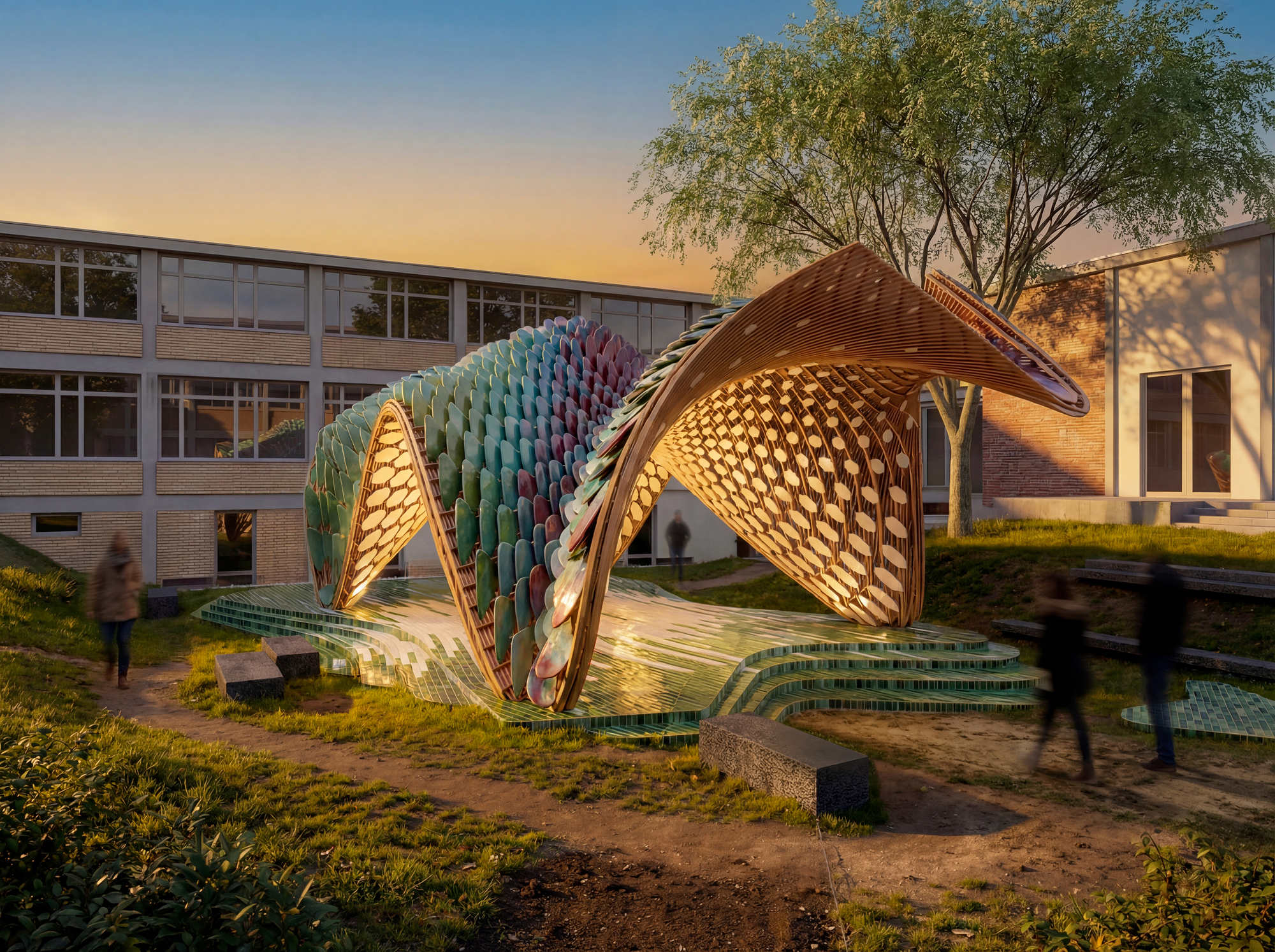
3 days agoreversible cultural pavilion activates public space in frankfurt 2026
Spain's pavilion for World Design Capital 2026 emphasizes reversible cultural infrastructure and sustainable design through innovative materials and construction methods.

fromArchDaily
1 month agoArchiving the Technosphere: How Museum Architecture Mediates Human-Made Systems
The contemporary technology museum has emerged as a performative participant in the systems it seeks to document. The architecture of these institutions has become increasingly fluid and bold, often mirroring the velocity and complexity of the systems it houses. They operate as mediators between the human, the ecological, and the technological realms, transforming from encyclopedic warehouses into active educational engines.
Science
Design
fromdesignboom | architecture & design magazine
5 days agoartwork uses floating fabric corridor and bodily movement to visualize climate change
Ryo Yamada's Perception Corridor is an immersive installation in Edinburgh that explores perception and environmental awareness through a 40-meter fabric corridor.
Arts
fromThe Art Newspaper - International art news and events
2 days agoShould English museums charge tourists? Plus, Raphael at the Met and Senga Nengudi at the Whitechapel Gallery-podcast
The UK government is considering charging tourists for entry to national museums, challenging the current policy of free admission.
Miscellaneous
fromThe Art Newspaper - International art news and events
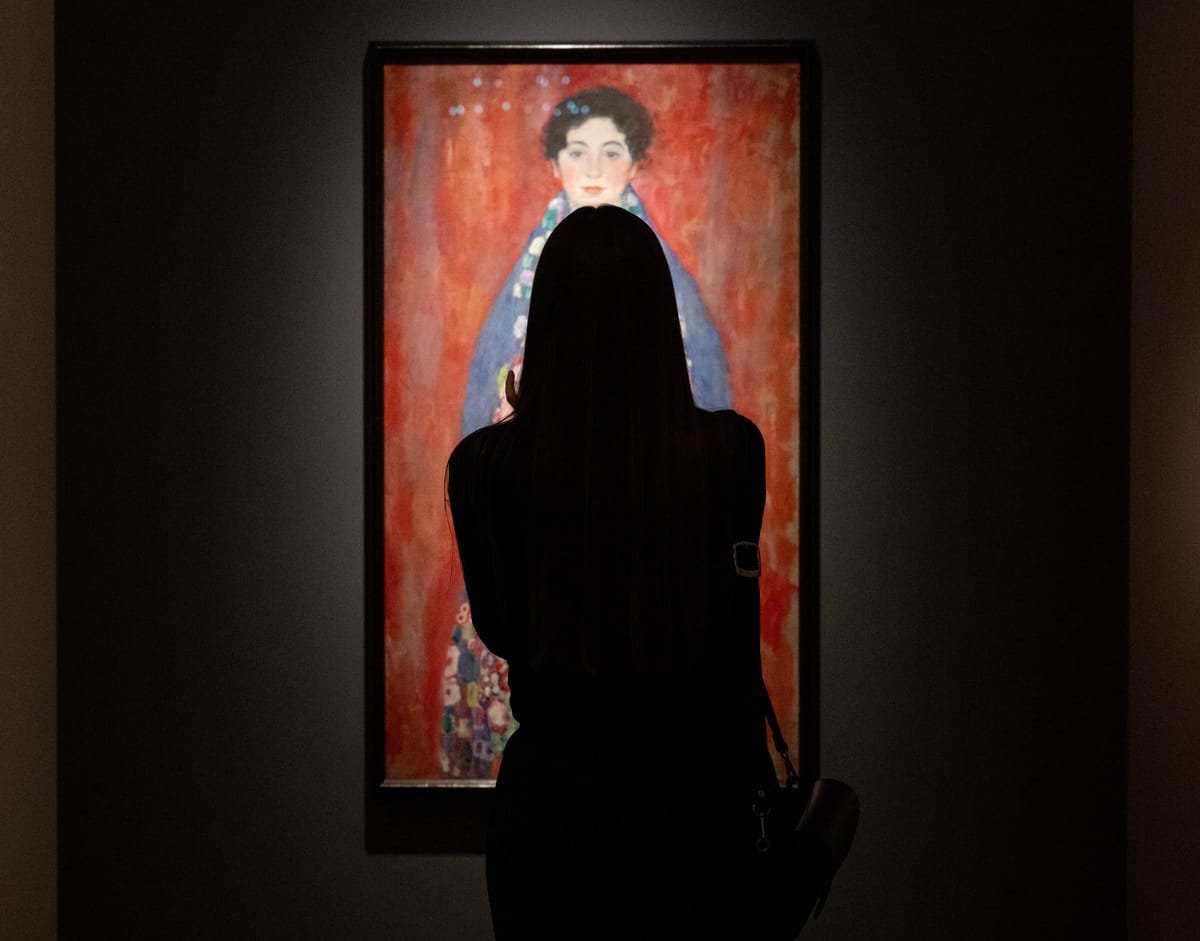
1 month agoComment | Art is more than its original context
Understanding art's original context enriches appreciation, yet modern viewing conditions and lost contexts require adapting how we engage with artworks across different settings and time periods.
#art
Arts
fromIrish Independent
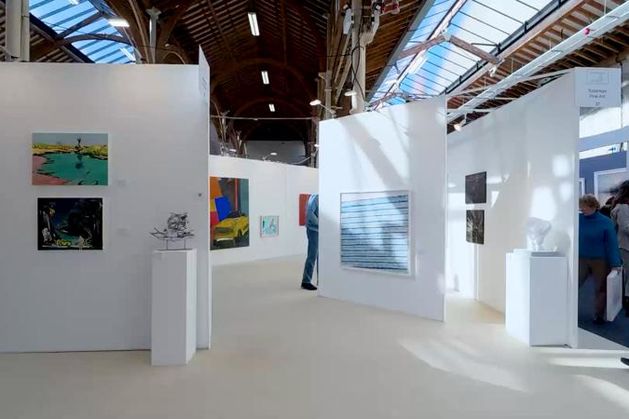
5 days ago'You have to step in and experience it' - artists on the rise of AI-generated art and the 'essential' gallery visit
Miriam Fitzgerald Juskova's exhibit combines paper quilling with mathematics, showcasing intricate art that engages viewers and emphasizes the value of handmade creations.

fromHyperallergic
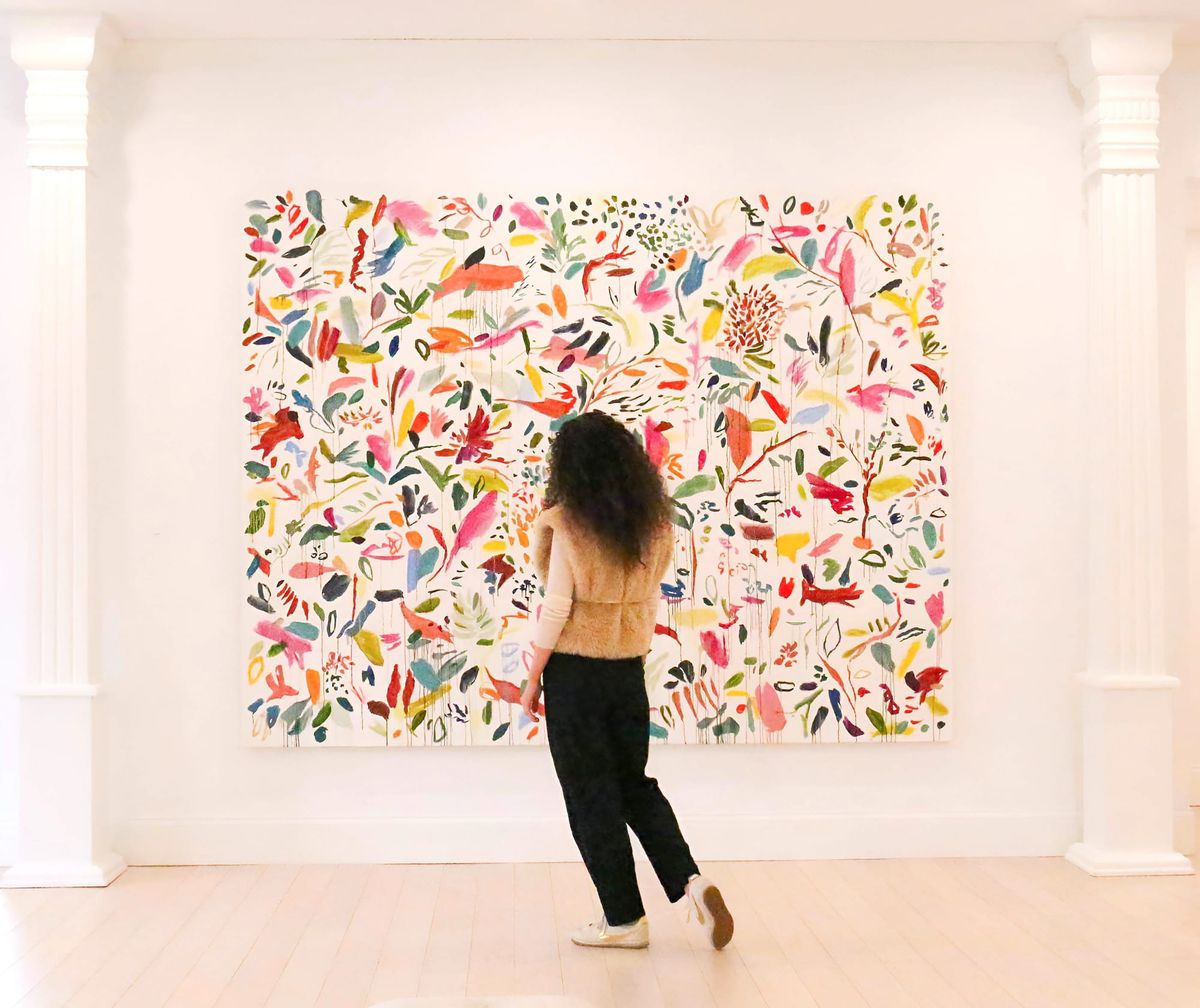
3 days agoThe Art World Is a Joke
Kamrooz Aram is everywhere this year, from Mumbai Art Week to the Whitney Biennial, and critic Aruna D'Souza is grateful. She pens a beautiful meditation on his work, reading his abstract paintings as not simply a denunciation of Western modernism nor a reassertion of Islamic visual motifs, but something else entirely - something gestural, exuberant, riotous, and incomparably his own.
Arts
fromCornell Chronicle
5 days agoEaster egg exhibit showcases Ukrainian program, culture at Cornell | Cornell Chronicle
"Bringing this exhibition to Cornell is important because it allows students to encounter Ukrainian culture not only through current events, but through a symbolic language that has been preserved for centuries."
Arts
Arts
fromThe Art Newspaper - International art news and events
5 days agoMexico's art community calls for greater transparency in management of treasured collection
The Gelman Collection's future is uncertain, prompting calls for transparency from cultural professionals regarding its management and adherence to heritage laws.
fromThe Art Newspaper - International art news and events
1 week agoComment | Museums must be the leaders in a moral revolution
Bregman claims, 'Today the whole of Europe risks turning into one big Venice, a beautiful open-air museum. A great destination for Chinese and American tourists. A place to admire what was once the centre of the world.' This statement encapsulates the concern that Europe is losing its cultural significance.
Arts
fromHyperallergic
2 weeks agoWhat Do We Really Think of the New New Museum?
The new New Museum is many things: contemporary, perhaps, but also a science, history, anthropology, and many other museums in one. It echoes the desire of its patron class to own the world and its affiliated courtier class to deliver it to them on a silver platter, or encased in perforated metal, in this case.
Arts
fromThe Art Newspaper - International art news and events
3 weeks agoInfluential collection of Indigenous art hires former Whitney curator, will open exhibition space in New York
I've been aware of the Gochman Family Collection for a number of years through my work with artists in the collection, including during the organisation of Jaune Quick-to-See Smith: Memory Map. What drew me to the role was the chance to focus on the parts of curatorial work that excite me most--supporting living artists and helping them realise their visions.
Arts
Arts
fromThe Art Newspaper - International art news and events
2 months agoMuseum wall texts are an art in their own right-but will they survive the digital age?
Museums should balance providing contextual wall text and inviting wordless, personal interpretation to make art accessible and meaningful to diverse visitors.
[ Load more ]