#curt-johnson
#curt-johnson
[ follow ]
#contemporary-art #art-exhibition #art-exhibitions #photography #art #sculpture #new-york-city #surrealism
fromHi-Fructose Magazine - The New Contemporary Art Magazine
3 days agoKyle Cobban Draws From The Unknown - Hi-Fructose Magazine
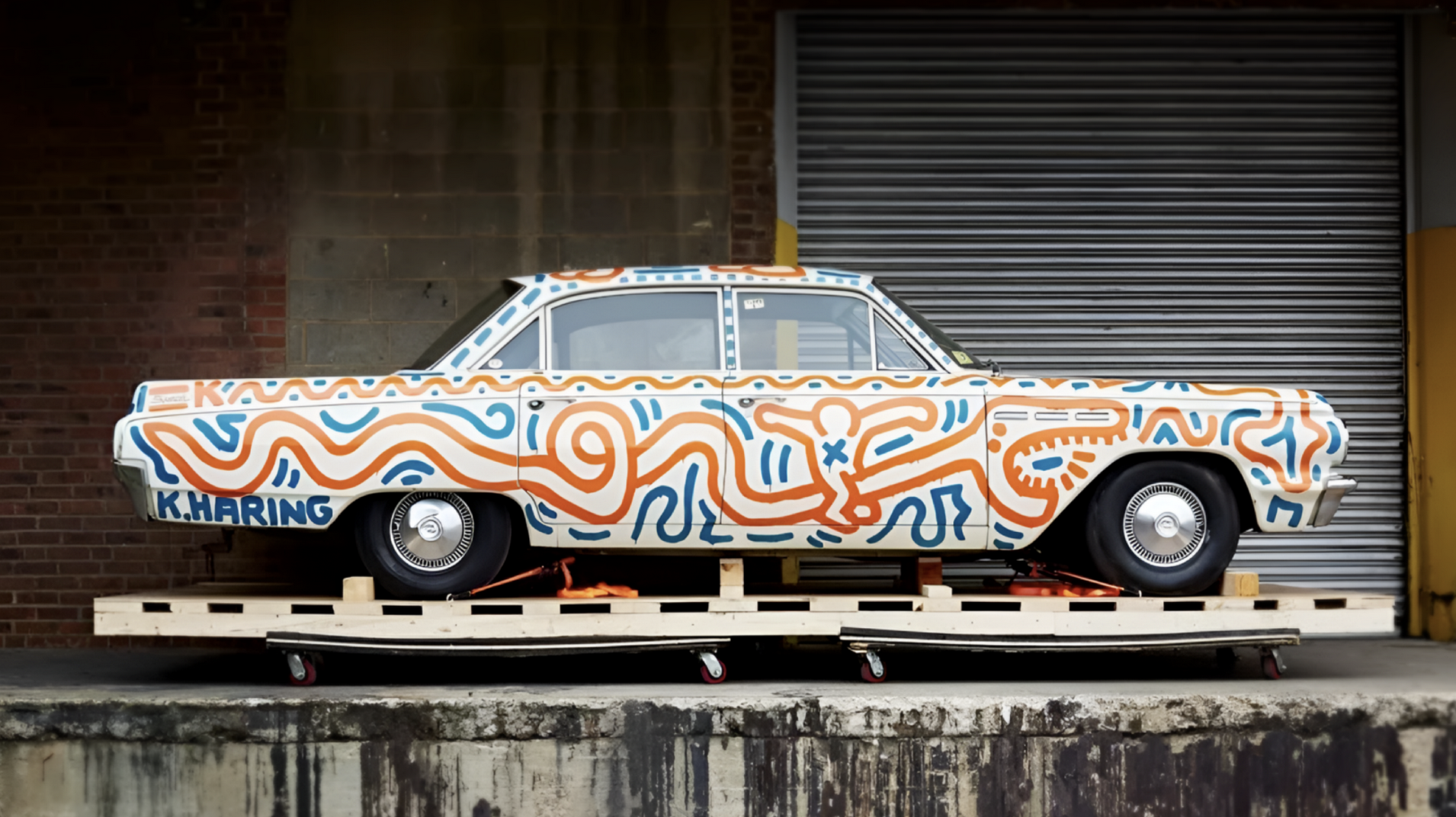
"It's an amalgamation of the Chicago neighborhood aesthetic with a Bulls fan, quite literally. It's kind of on the nose, but that's how I juxtapose the elements of my work, with the structure of a home and then a figure who is around or in the home."
Chicago Bulls


fromThe Washington Post
2 weeks agoCalvin Tomkins, who narrated the rise of contemporary art, dies at 100
When I started, there was no art coverage in the news magazines and there was no regular coverage, even in Time ... Contemporary art, particularly, was considered a ridiculous and foolish aberration. It didn't have anything to do with art, according to a lot of people.
US news
fromSPIN
2 weeks agoWhitney Johnson, Lia Kohl, and Macie Stewart Go Beyond the Chamber - SPIN
All but one of the song titles on Body Sound, the debut album from experimental string trio Whitney Johnson, Lia Kohl, and Macie Stewart, line up nicely-a few words, usually two, usually nouns, separated by a vertical line. The straight line in the middle means different things in different disciplines. In computing, it's called a 'pipe' and serves as a conduit. In poetry, it denotes a pause or break. In music, it marks the beginning and end of measures.
Music
Graphic design
fromHi-Fructose Magazine - The New Contemporary Art Magazine
3 weeks agoIn Blob We Trust: The Art of KRK Ryden - Hi-Fructose Magazine
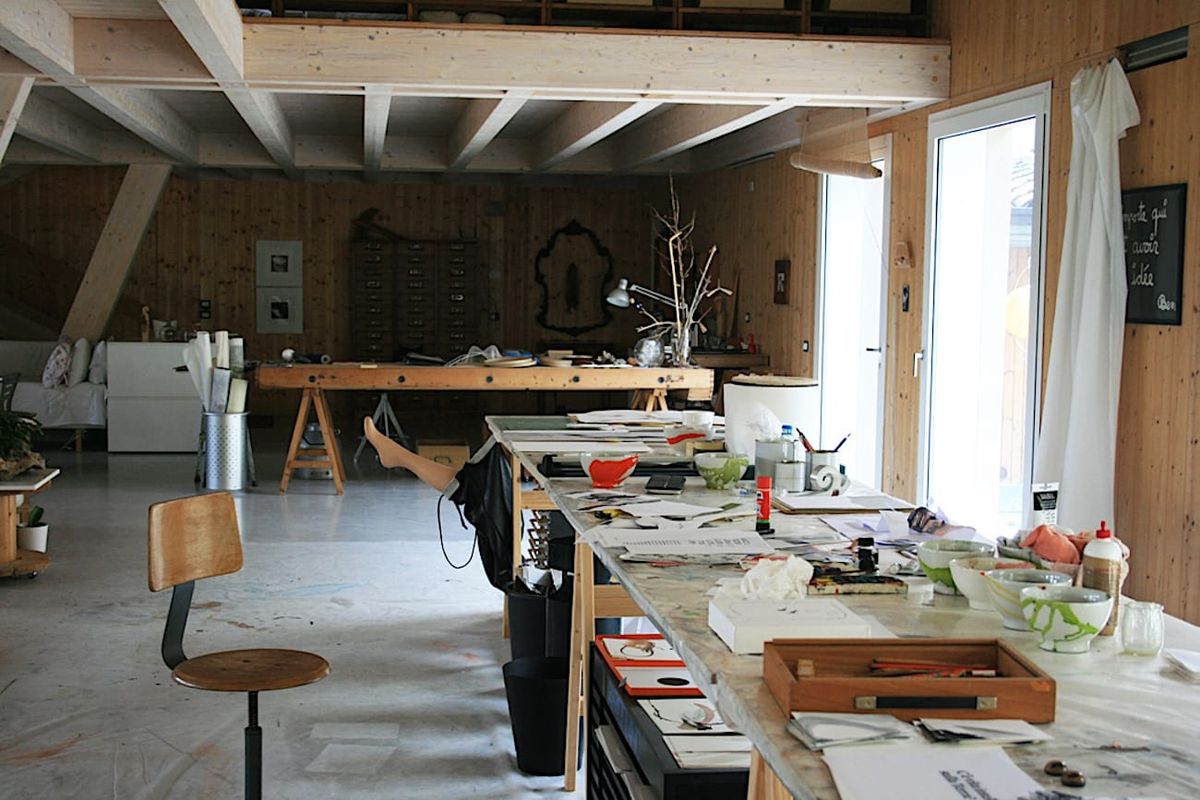
KRK Ryden's vibrant, chaotic home studio and colorful paintings reflect his artistic philosophy of controlled chaos organized by color, pattern, and theme.
fromJuxtapoz
6 days agoJuxtapoz Magazine - Last Days to See Kate Meissner's New Paintings @ Lyles & King's Project Space, NYC
"These works are an exploration of the human body's elasticity and capacity to metamorphose. Informed by my own experience of pregnancy and the birth of my first child last year, these paintings are a meditation on physiological transformation and the body's underlying animalistic and mammalian nature."
Arts
Arts
fromThe Art Newspaper - International art news and events
3 days agoPaul Pfeiffer will be inaugural artist-in-residence at Brooklyn's Barclays Center arena
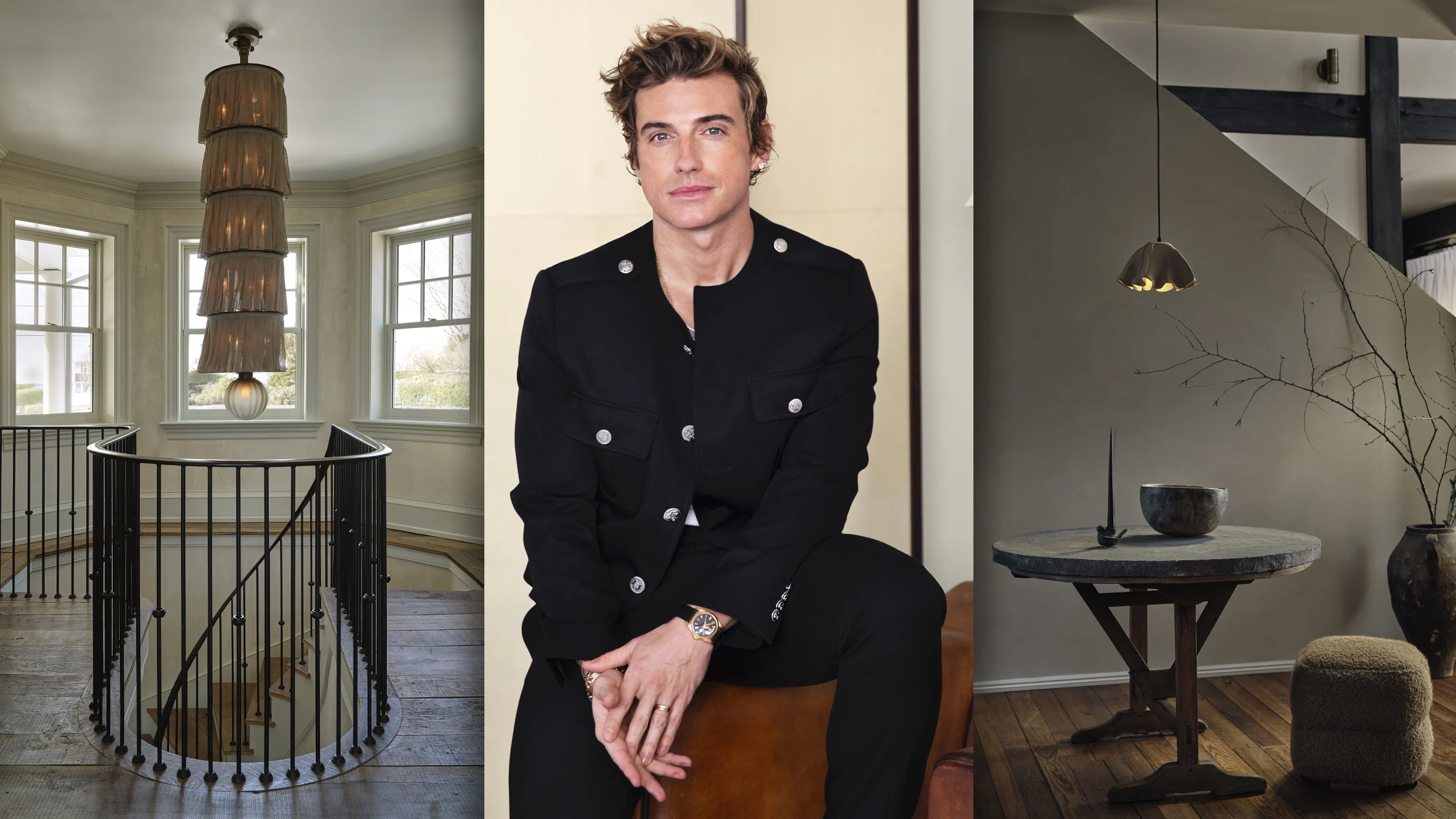
Paul Pfeiffer will be the inaugural artist-in-residence at Barclays Center, focusing on media workshops for those affected by the criminal-justice system.




Arts
fromwww.theguardian.com
2 weeks agoAbsolutely transformative': Willem de Kooning exhibition uncovers raw intensity of early work
Willem de Kooning's 1948 solo exhibition at Charles Egan Gallery launched his international career, establishing him as a pre-eminent painter by the 1950s through his innovative exploration of figuration and abstraction.
fromOregon ArtsWatch * Arts & Culture News
2 weeks agoEven the edges: Jason Gubbiotti at RecRoom * Oregon ArtsWatch
The first things that struck me about Jason Gubbiotti's paintings at RecRoom were the small dimensions of the work, the relationship of their modest size to the artist's elaborately precise, often lattice-like geometric compositions, and their brilliant beguiling color. The work is also audaciously, unapologetically beautiful, and deeply pleasurable to look at.
Arts
fromHyperallergic
3 weeks agoEmbracing Friction in the Art World
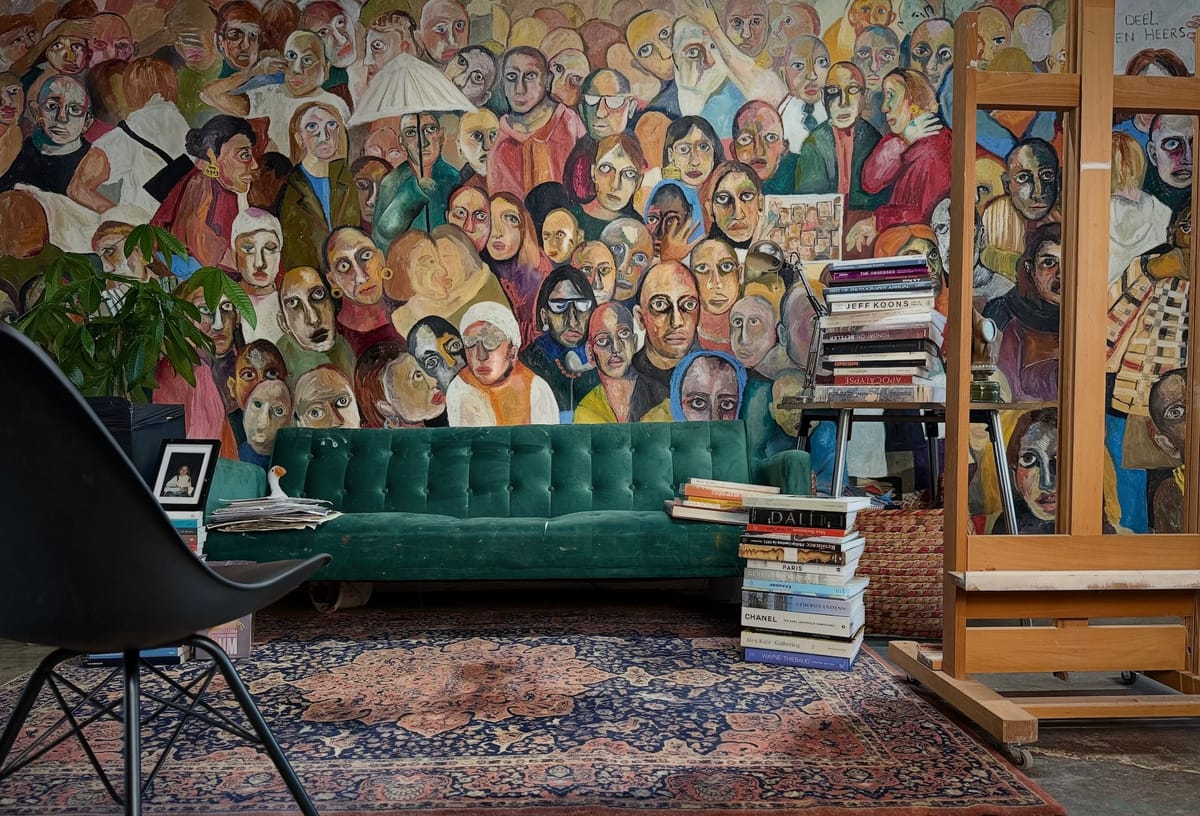
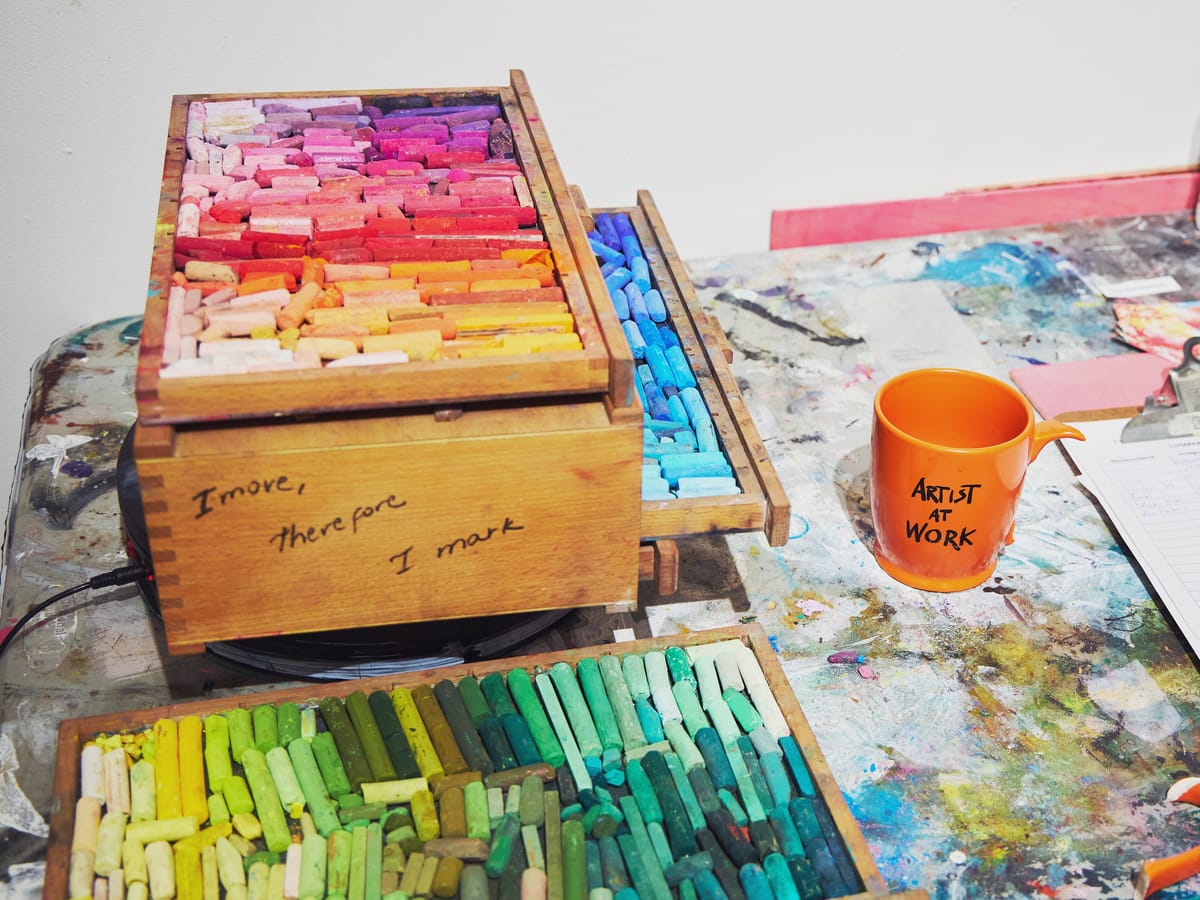
On Franklin Street in Brooklyn's Greenpoint neighborhood, one non-commercial gallery fosters 'a small, stubbornly human space for friction.' Friction—the ubiquitous buzzword that captures the simultaneous delight and discomfort of doing things the slow way—is at the heart of artists Pap Souleye Fall and Char Jeré's current show at Subtitled NYC. It also reflects the overall spirit of this little exhibition space and of a burgeoning movement to reject our culture of optimization in favor of a bumpier, more intimate, less alienating experience.
Arts
Arts
fromArtnet News
3 weeks agoBlink and You'll Miss It! 3 New York Shows With Painfully Short Runs | Artnet News
Gallery exhibition runs have lengthened from weeks to five or six weeks due to increased competition and high mounting costs, though a countermovement of brief, limited-time shows is emerging.
fromHyperallergic
3 weeks agoArt Problems: How Do I Get Gallery Representation?
Dealers like artists with established sales records because it lowers their already considerable financial exposure. Renting a gallery space in Tribeca costs anywhere between $8,000-30,000 a month on top of staff, marketing, and daily operations. With that kind of overhead, very few business owners can afford to take on the financial risk of untested artists.
Arts


#mixed-media-painting
Arts
fromJuxtapoz
4 weeks agoJuxtapoz Magazine - Melissa Brown "Window Shopping" @ Derek Eller Gallery, NYC
Melissa Brown creates mixed-media paintings of New York City store windows, combining screen-printed photographs with impasto and airbrush techniques to explore sites of commerce, longing, and urban fantasy.

#mixed-media-sculpture
Arts
fromJuxtapoz
1 month agoJuxtapoz Magazine - Rise above it: John Rivas @ Francois Ghebaly New York
Salvadoran-American artist John Rivas expands his mixed-media practice into hand-carved wooden sculpture, exploring cultural identity, family labor, and personal memory through material resourcefulness and collaborative processes.
Arts
fromJuxtapoz
1 month agoJuxtapoz Magazine - Rise above it: John Rivas @ Francois Ghebaly New York
Salvadoran-American artist John Rivas expands his mixed-media practice into hand-carved wooden sculpture, exploring cultural identity, family labor, and personal memory through material resourcefulness and collaborative processes.
fromHyperallergic
2 months agoJeff Koons's Trumpian Reflections
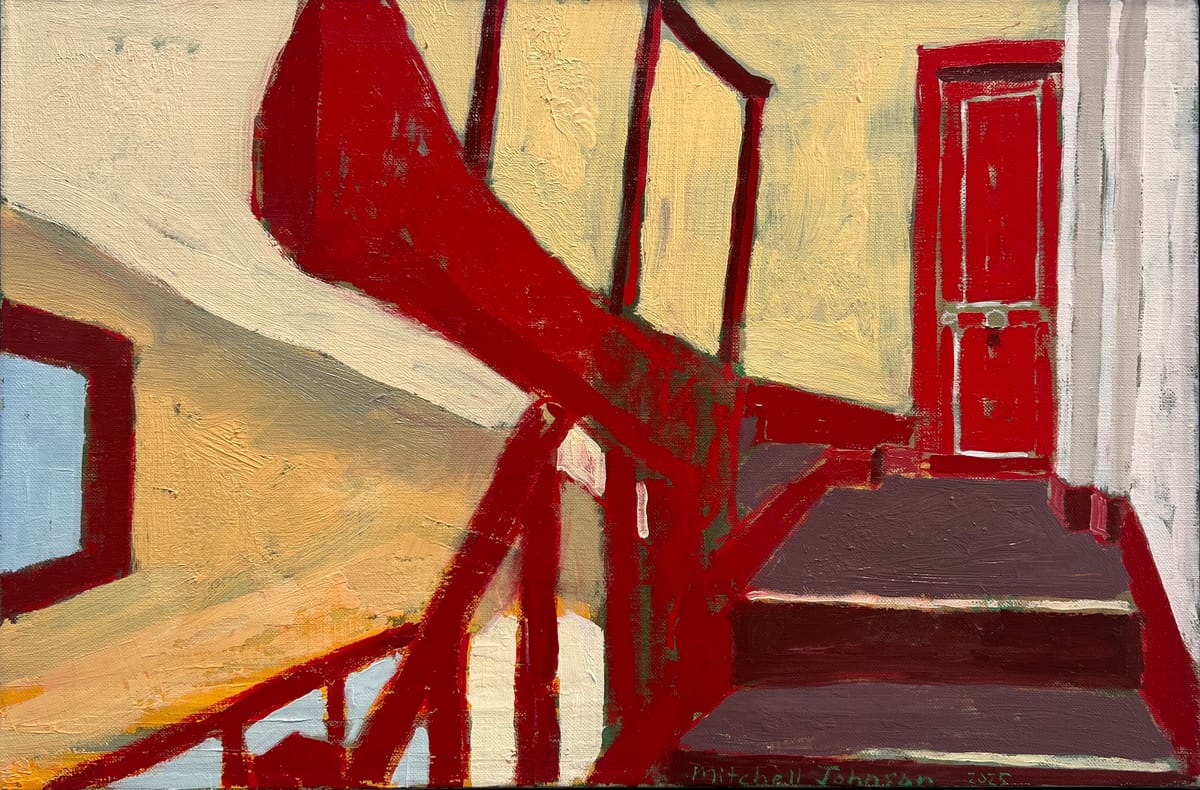
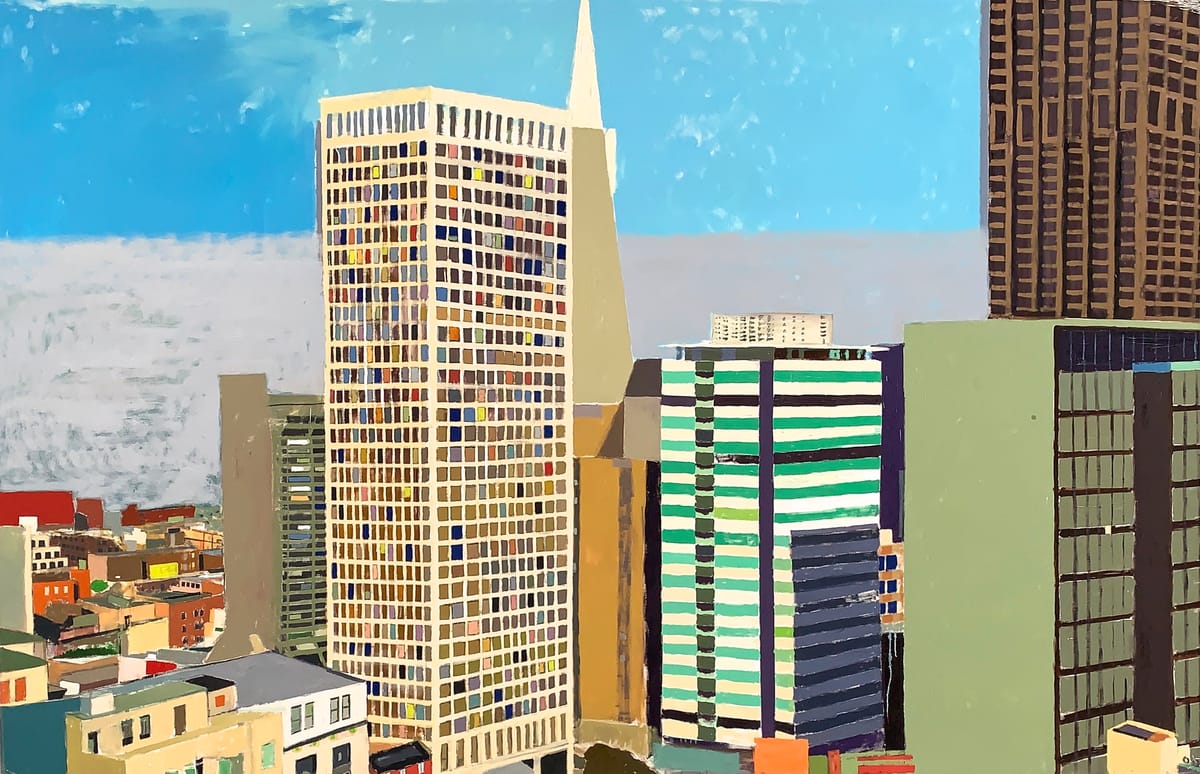
"As I stood and looked at it on a drizzly gray day," John Yau writes of looking at a radiant painting by Edward Zutrau, "I forgot that it was raining." That's what art can do - stop you in your tracks, make you forget absolutely everything save for that essential encounter between you and the work.
Arts
fromHyperallergic
2 months agoA View From the Easel
Mornings are best for concentrated work. In the winter, I turn on the heat at 8am and get started around 10am. Summer, I start around 9am. I have two areas in the studio for projects. The large, heavy wood sculptures are carved in the front section of the studio, closest to the roll-up wide door. Smaller sculptures are placed on a hydraulic workbench. Before I start, I focus, connect with the Source, and ask for guidance.
Arts
Arts
fromHi-Fructose Magazine - The New Contemporary Art Magazine
2 months agoPainting From The Inside Out With Christian Van Minnen - Hi-Fructose Magazine
Paintings juxtapose bruised, tumorous flesh with forbidden fruits and gummy forms to create disorienting, alluring yet repulsive surrealist imagery.
fromColossal
2 months agoDrawn to Synbols, Michael McGrath Conjures Uncanny Narratives
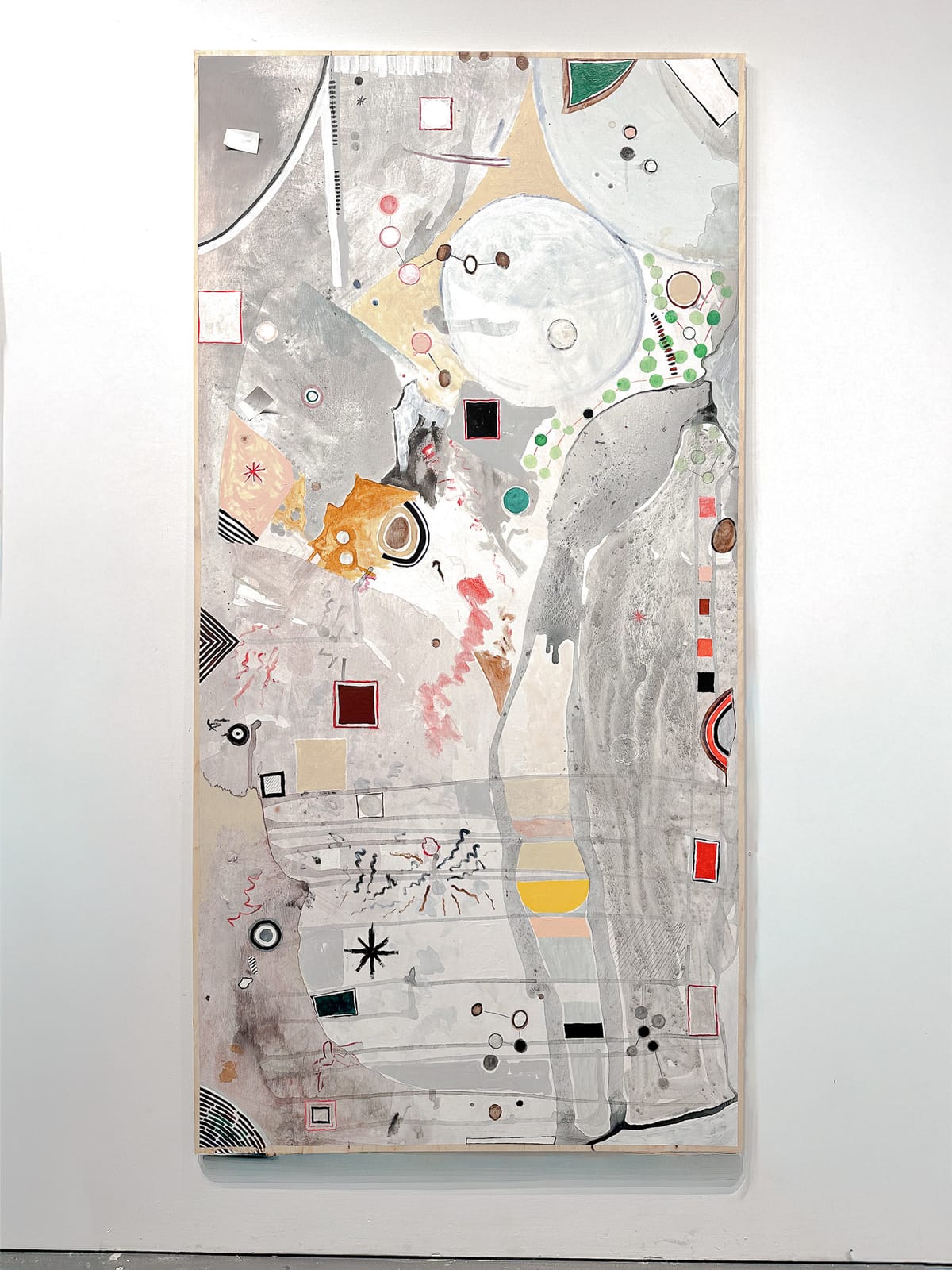
Disembodied heads, eyes, and hands meet spindly trees, dragonflies, and vibrant blossoms in the folk-art inspired works of Michael McGrath. Based in Rhinebeck, New York, McGrath melds a variety of media-most pieces contain a mixture of graphite, ink, and oil and acrylic paints-into dynamic compositions suffuse with mystery. Recurring symbols and objects lend themself to a distinctive visual language that captures both the wondrous and puzzling.
Arts
fromHyperallergic
2 months agoHow Joan Miro and America Fell in Love
Six months before his momentous first trip to the United States, Joan Miró sent a letter to his New York City gallerist, Pierre Matisse. Writing from repressive Francoist Spain in the austere aftermath of the Second World War, the Catalan artist was searching for new frontiers. "In the future world, America, with its energy and vitality, must play a leading role," he told Matisse." I have to be in New York to be in direct, personal contact with your country; my work will benefit from that shock."
Arts
fromHyperallergic
1 month agoA View From the Easel
I work outside, carving and shaping the stone. Outside my house, I have a table, an extension cord, and tools. It's very cold and I have to wear all my winter clothes. When it's too cold, I do the filing and finishing work inside after I shape it outside. I listen to all kinds of music. I listen to Eminem all the time; his albums are all my favorites. For drawings, I work at Kinngait Studios or at home on my kitchen table.
Arts
fromJuxtapoz
2 months agoJuxtapoz Magazine - Polygrapher: Joseph Yaeger @ Modern Art, London
Modern Art is pleased to present Polygrapher, the first solo exhibition by Joseph Yaeger since announcing his representation by the gallery, and the inaugural exhibition at their Bennet Street gallery. Polygrapher denotes both the exhibition title and a text written by the artist, published in the exhibition's accompanying booklet. Taking the form of an interrogation the artist underwent attached to a Stoelting UltraScribe--and in which only the answers have been transcribed--it creates a framework for the experience of the subsequent paintings.
Arts
fromHyperallergic
2 months agoArt Movements: The Brooklyn Museum's New Top Contemporary Art Curator
Brooklyn Museum Fills Its Top Contemporary Curator Spot Robert Wiesenberger was named senior curator of contemporary art at the Brooklyn Museum, a post that has been vacant since the departure of Eugenie Tsai in 2023. He comes from the Clark Art Institute in Williamstown, Massachusetts, where he was curator of contemporary projects, and was previously a curatorial fellow at the Harvard Art Museums.
Arts
[ Load more ]