UX design
fromMedium
3 hours agoWho are we really designing for?
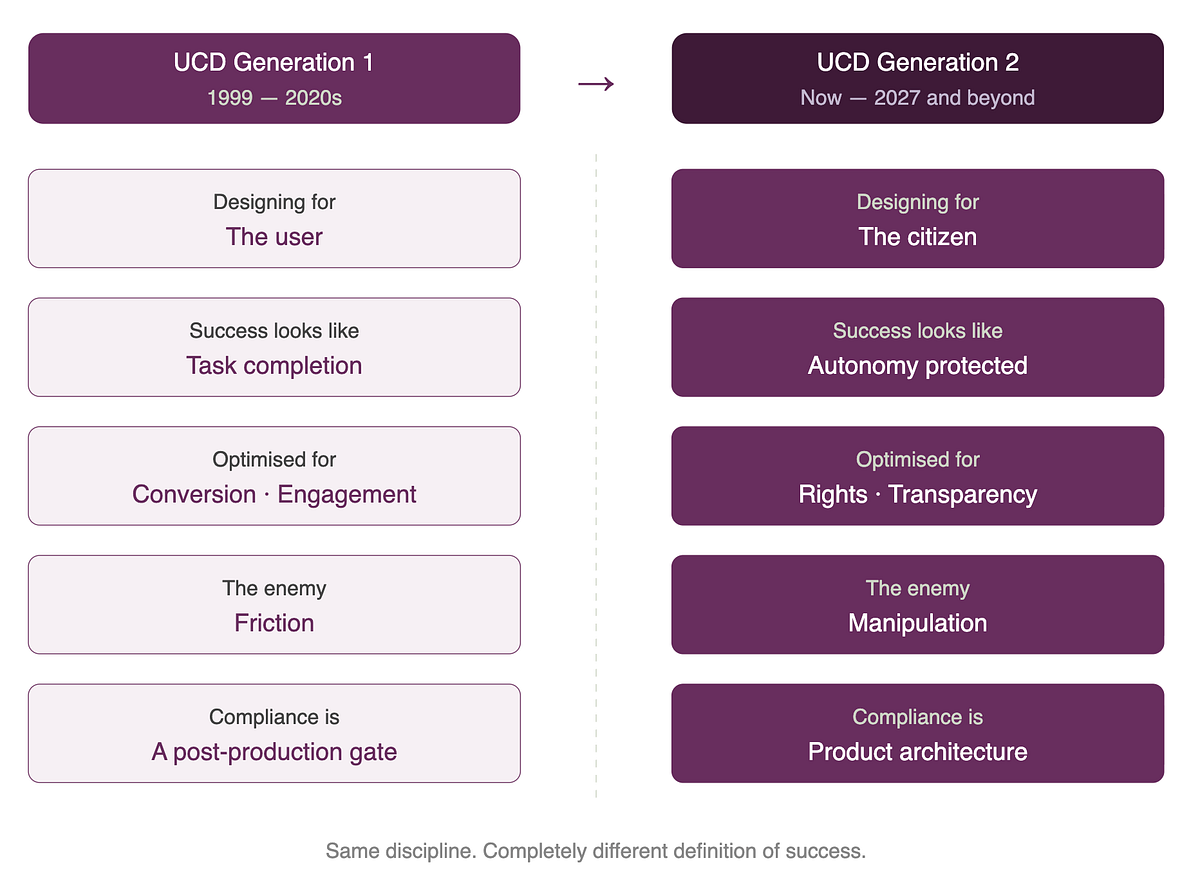
Designing effectively requires distinguishing between the individual User and the collective Customer.
Santa Cruz de Tenerife is one of the most idyllic cities in the Canary Islands. At its heart stands the jewel - the Auditorio. It's a place where talent from both worlds, New and Old, comes together. A theatre, opera, dance, and music heaven.
Capacity Planning is the process of right-sizing the 'Total Project Demand' with the forecasted Team Capacity. Most UX teams have no idea what their capacity is. Fewer still have a process for calculating it and using it during quarterly planning activities with their counterparts in Product Management & Engineering to ensure teams don't commit to more work than they can handle.
Instructions I created. Instructions I am continuing to hone - instructions that required me to study my own old essays, identifying what I do when I write. The sentence rhythms. The way I move between timescales. The zooming in and out from concept to detail. The instructions tell Claude how I would like ideas composed. I pull together concepts and experiences from my lived expertise to formulate a point of view - in this case, on this new AI technology.
Her payment form wasn't connecting to the payment processor, and every attempt ended in an error message that made no sense. I understood her frustration. As a founder myself, I was acutely aware of the pain of trying to run a business and feeling like nothing was going your way. When I dug into her form, I found the problem a few minutes later: a mismatch between test mode and live credentials.
The normative form for interacting with what we think of as "AI" is something like this: there's a chat you type a question you wait for a few seconds you start seeing an answer. you start reading it you read or scan some more tens of seconds longer, while the rest of the response appears you maybe study the response in more detail you respond the loop continues
At some point, every UX learner realizes that having a portfolio isn't the same as having a convincing portfolio. You may have screens, wireframes, and prototypes. You may even have multiple projects. But when your work is reviewed, the feedback feels vague. "Tell me more about your process." "Why did you make this decision?" "What was the impact?" That's because a strong UX case study isn't a gallery of designs. It's an argument.
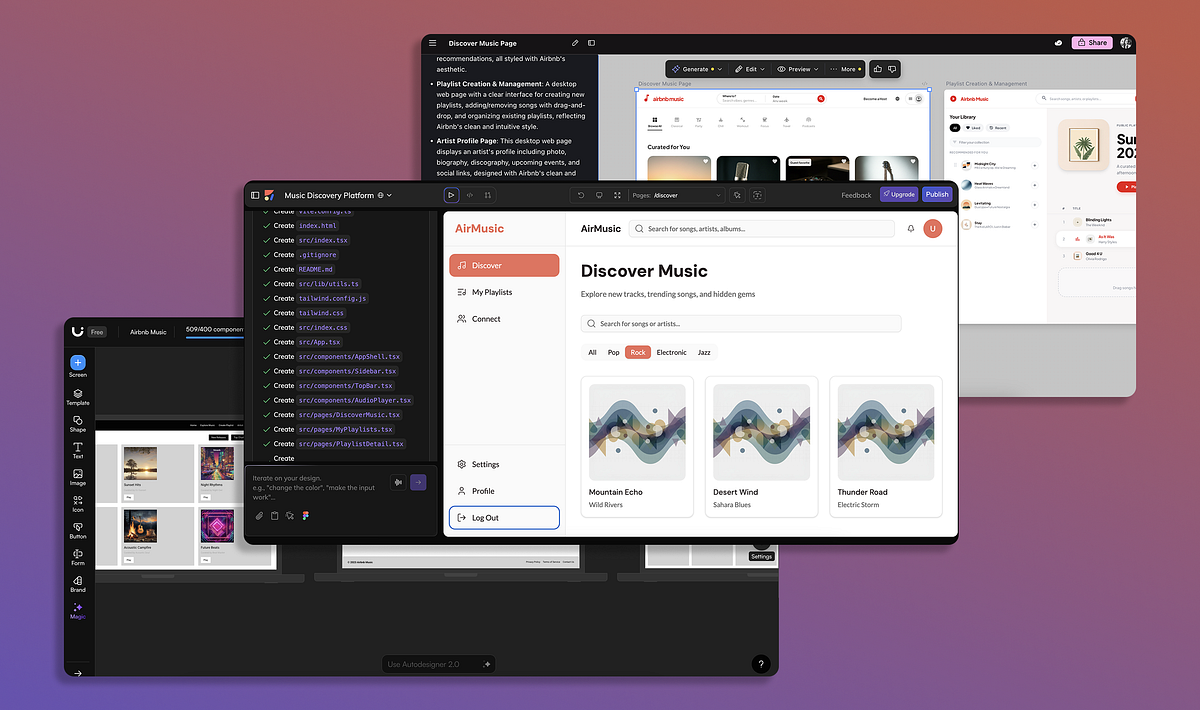
Your junior designer spins up a prototype in Lovable before lunch. Your PM shows you a "working" MVP built entirely with Cursor within a day. And your CEO forwards you a LinkedIn post about how AI will replace 80% of UI work by 2026. And it seems like anyone can now make an app to solve a specific problem. Has the graphical interface really died, as Jakob Nielsen provocatively suggests?
Something's been slowly shifting in the design zeitgeist. I've been watching my feed on X and the vibe has changed. More and more, I see designers sharing finished experiments or prototypes they coded themselves, rather than static Figma files. Moving from working on a canvas to talking to an LLM. The conversation isn't "here's a design I made" anymore... it's "here's something I shipped this afternoon."