#dada-and-surrealist-collage
#dada-and-surrealist-collage
[ follow ]
#surrealism #contemporary-art #art #photography #salvador-dali #fashion #sculpture #art-history #conceptual-art

fromItsnicethat
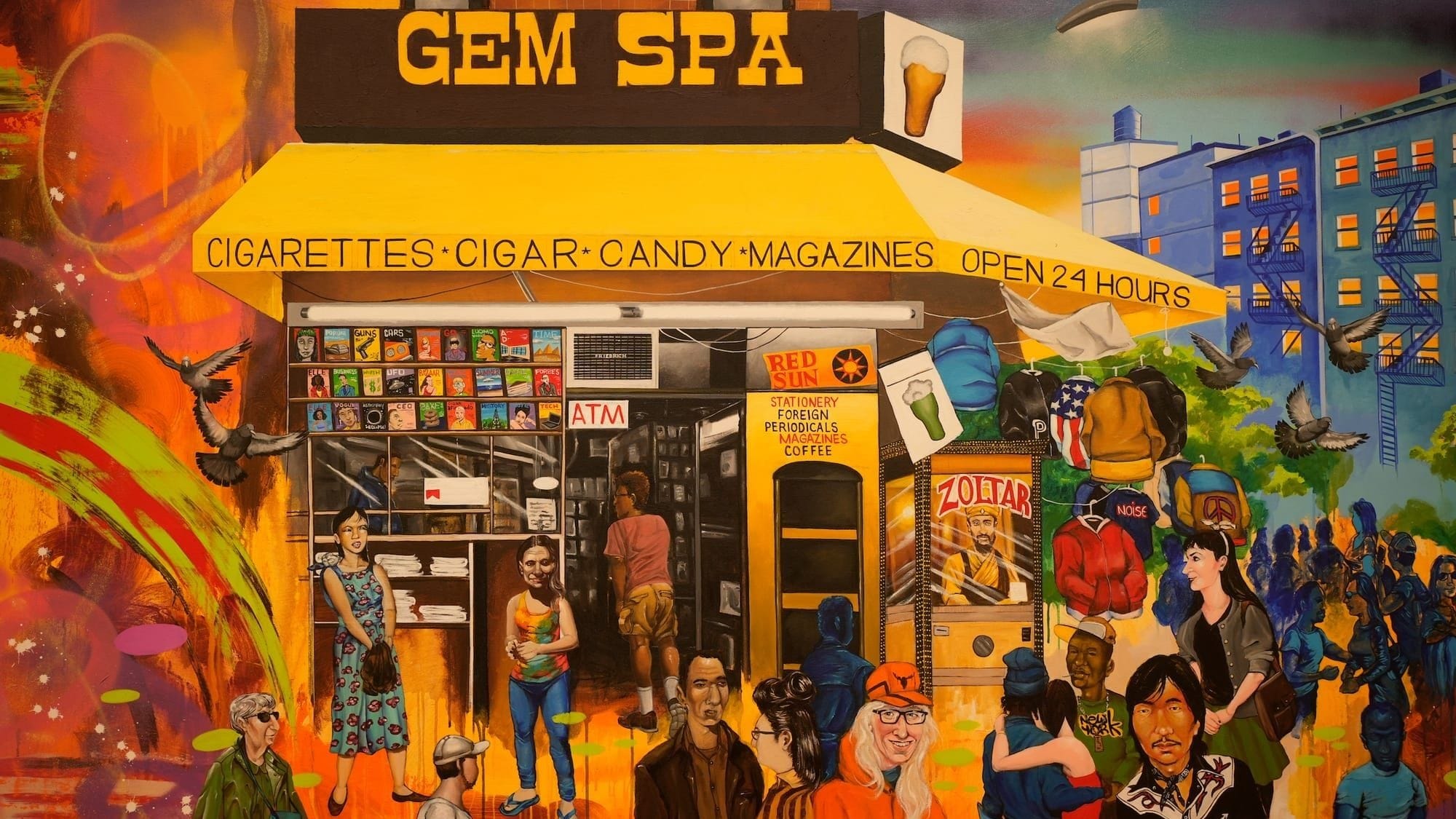
2 days agoBravas Graphix are the rave connoisseurs behind some of Brussels' most explosive posters
"We're constantly striving to strike a balance between work that respects academic rules of composition, established visual codes and good readability, with something more spontaneous, adventurous, playful, even naive."
Typography
#art
Arts
fromIrish Independent
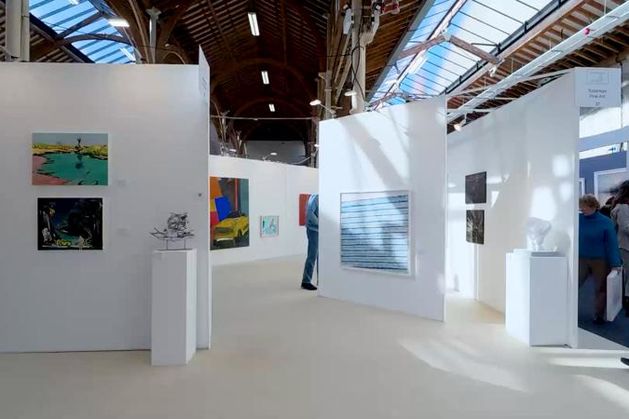
4 days ago'You have to step in and experience it' - artists on the rise of AI-generated art and the 'essential' gallery visit
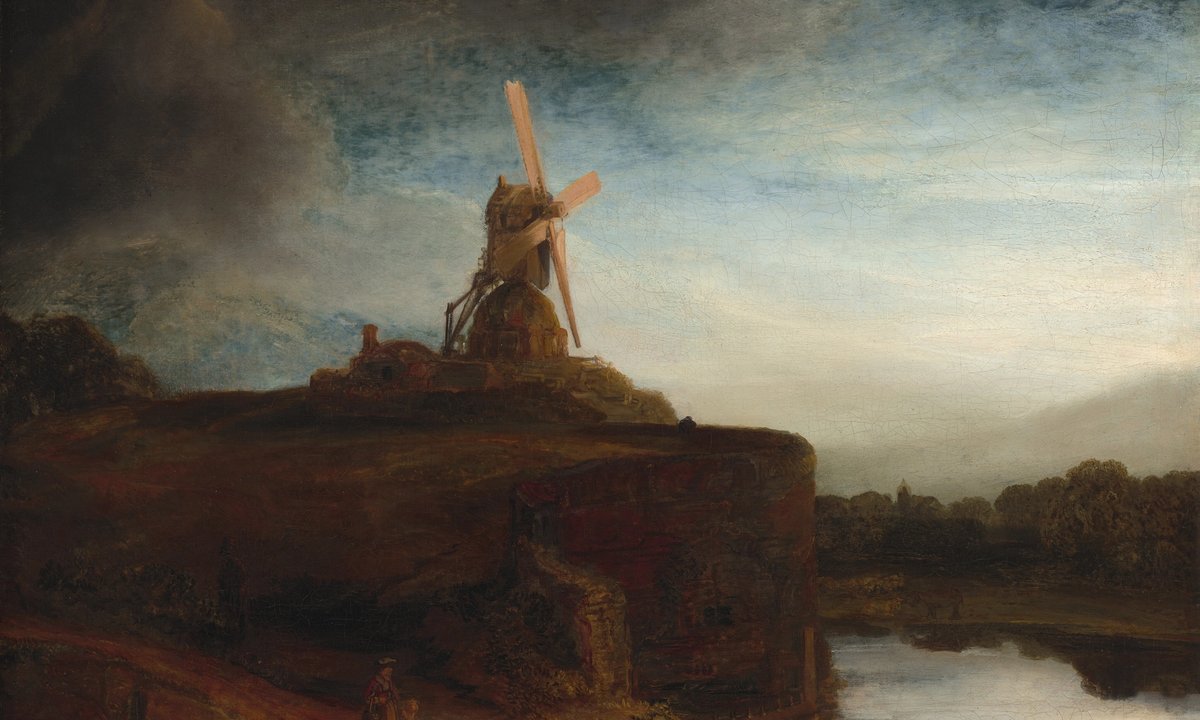
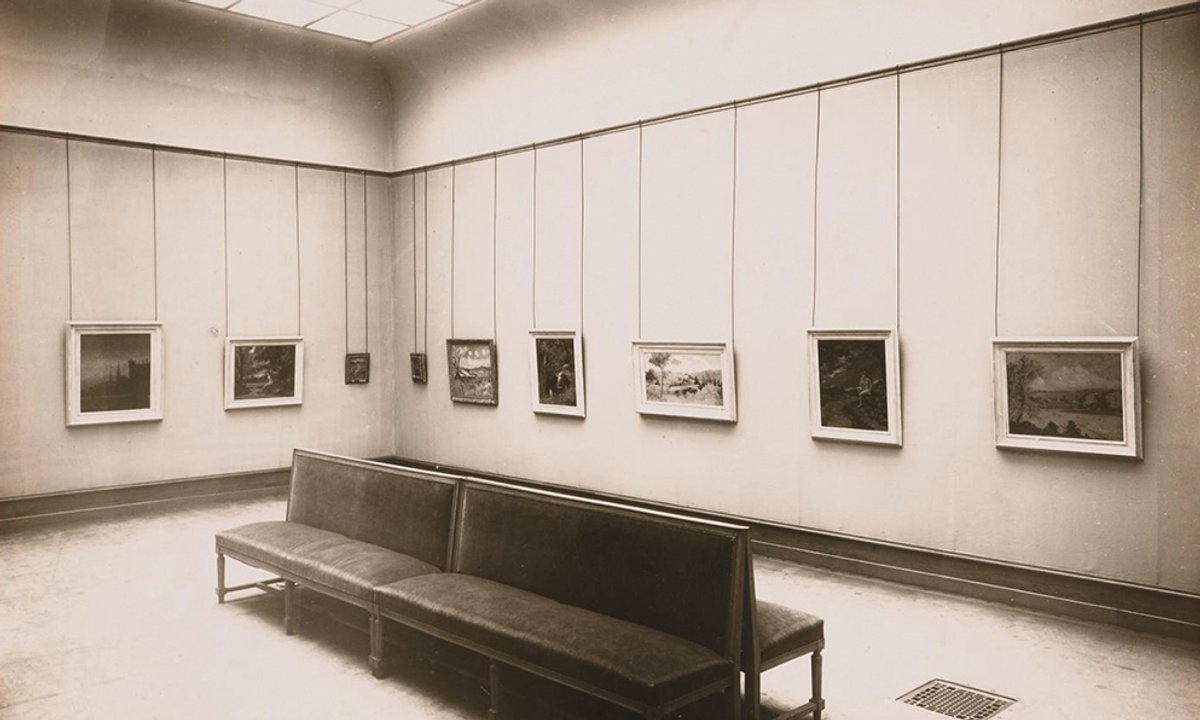
Miriam Fitzgerald Juskova's exhibit combines paper quilling with mathematics, showcasing intricate art that engages viewers and emphasizes the value of handmade creations.

Arts
fromThe Art Newspaper - International art news and events
2 days agoGagosian chooses Paris location to present three important late paintings by Francis Bacon
Three late paintings by Francis Bacon will be exhibited in Paris, showcasing his significant connection to the city and his artistic evolution.
Music
fromwww.theguardian.com
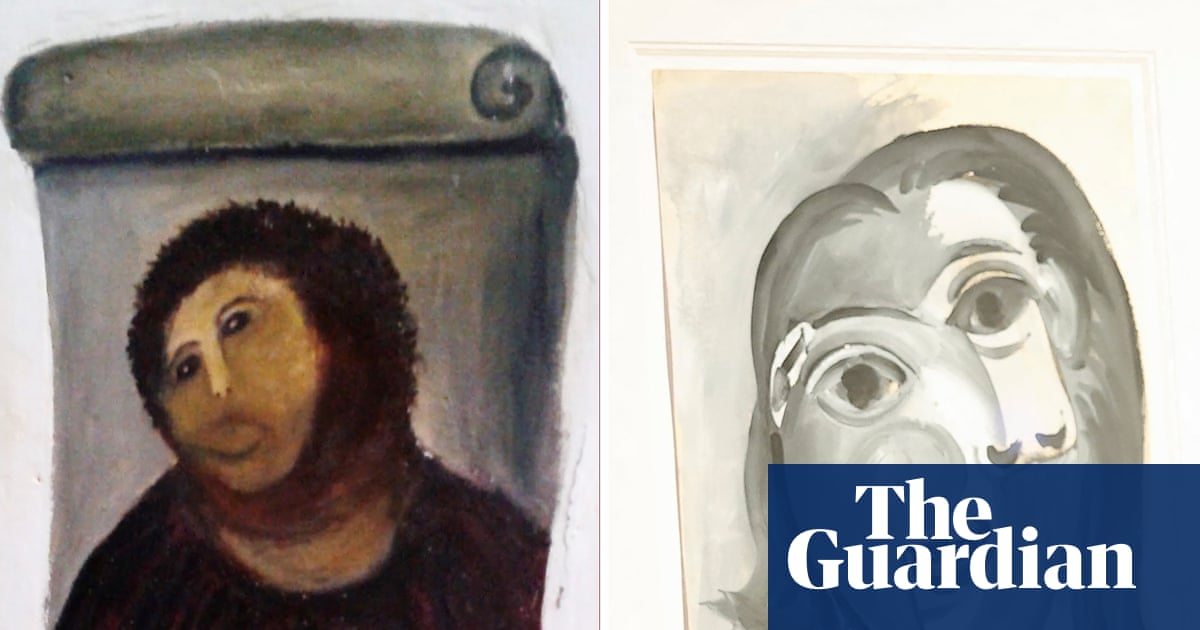
3 weeks agoAdd to playlist: the dadaist cubist racket of Angine de Poitrine and the week's best new tracks
Angine de Poitrine is a Quebec duo creating absurdist mantra-rock dada music that blends metal shredding with microtonal guitar, world music influences, and hypnotic grooves while performing in elaborate papier-mache costumes.
fromThe Art Newspaper - International art news and events
1 month agoThe year of Andre Malraux: France salutes its pioneering intellectual with exhibitions and more
At the official launch last November, the current culture minister Rachida Dati described the imperative behind the programme as not just celebrating an uncommon visionary but the "burning relevance" of his legacy: "a commitment to continuing to nurture this demanding idea of what culture is".
France news
fromThe Art Newspaper - International art news and events
1 month agoParis to host first museum devoted to Alberto Giacometti with more than 10,000 artworks and objects
The foundation's collection is exceptionally large, encompassing more than 10,000 items-including thousands of drawings, over 400 sculptures, 100 paintings, a whole collection of decorative objets d'art, prints, everything that was in the studio, all the archives. Most of the collection has never been exhibited.
Paris food
fromwww.theguardian.com
1 week agoSchiaparelli review it's cocktail o'clock with fashion's surreal goddess who out-lobstered Dali and turned a polar bear pink
Naked mermaids and prancing horses, silk carrots and unshelled peanuts, gilded elephant trunks, drums and masks are just a few of the buttons. The V&A's lavish spring show is a weird and wonderful tumble down the rabbit hole that is Schiaparelli, fashion's house of surrealism.
Arts
#surrealism


Arts
fromThe Art Newspaper - International art news and events
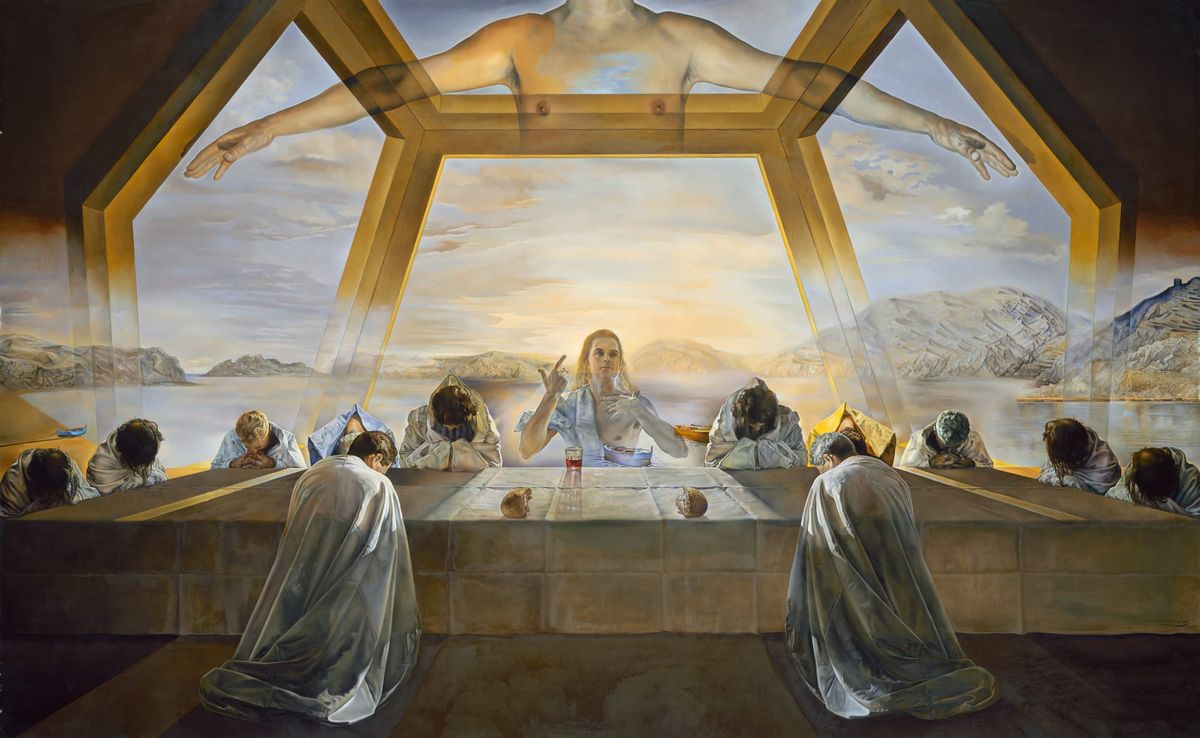
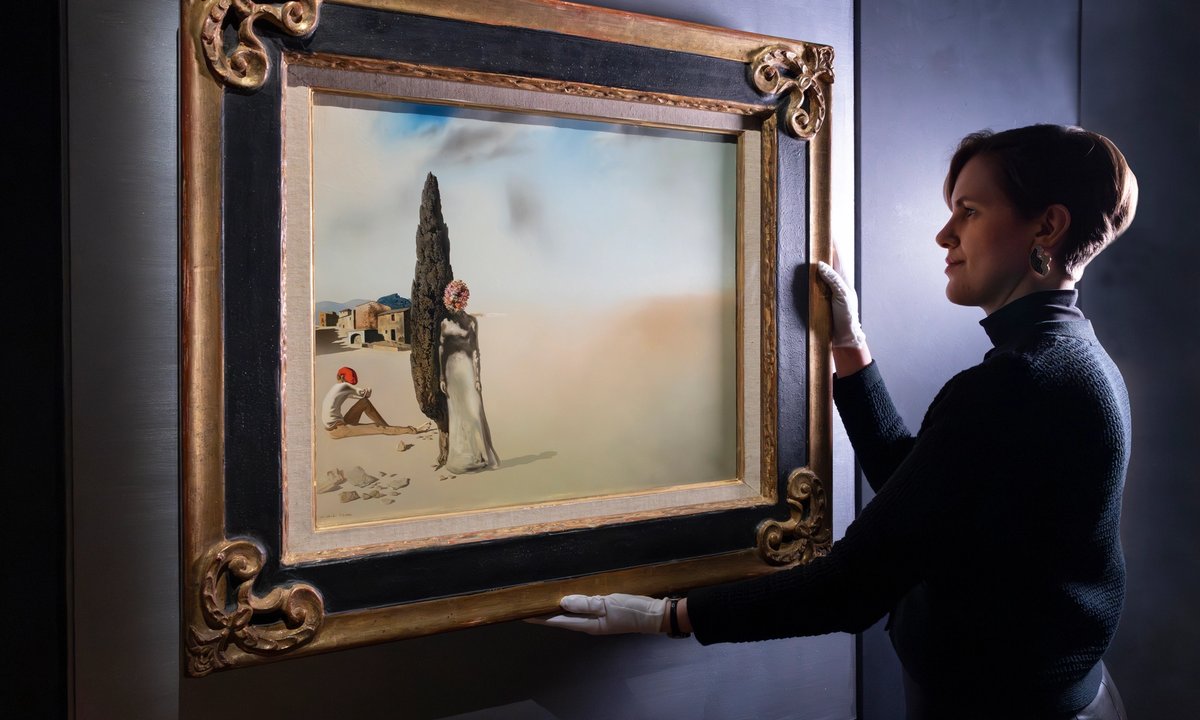
2 weeks agoDali painting that inspired Schiaparelli dress to be shown in UK for first time
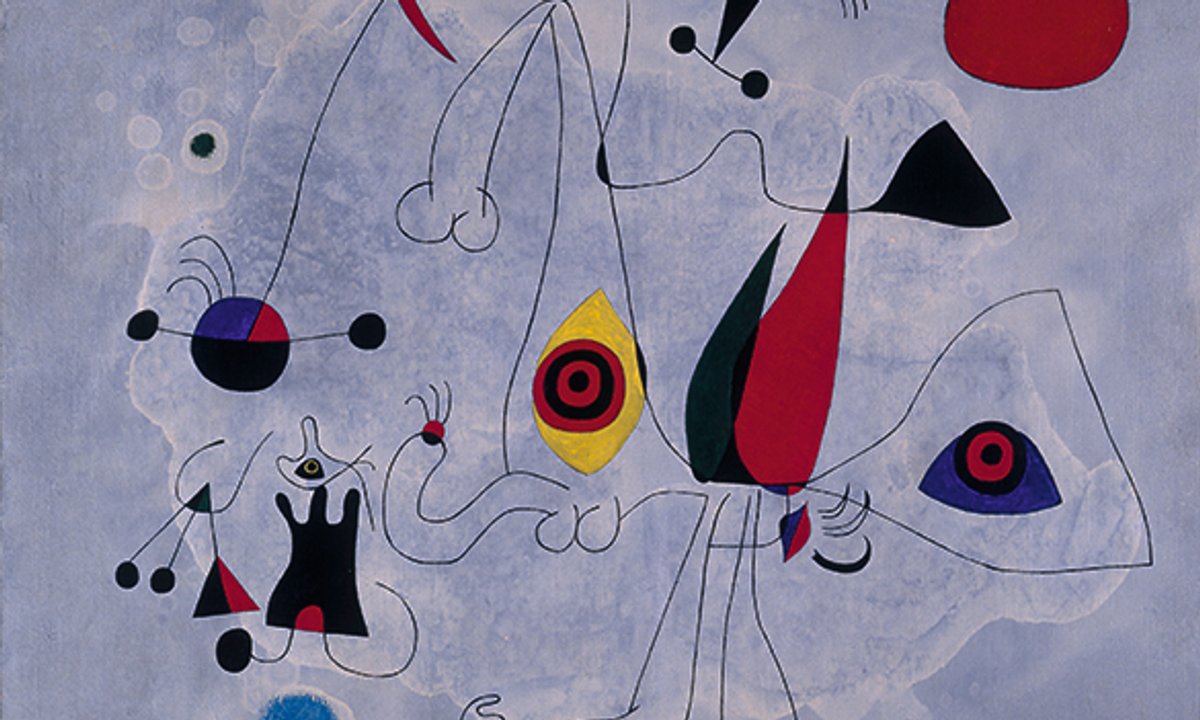
Salvador Dalí's Necrophiliac Spring (1936), previously unseen in the UK, debuts at the V&A's Schiaparelli exhibition, having inspired her iconic Tears Dress (1938).
Photography
fromThe Art Newspaper - International art news and events
1 month agoDora Maurer, 'towering figure' of the Hungarian art scene, has died aged 88
Dóra Maurer, Hungarian painter, printmaker and filmmaker, died aged 88; her work explored form, time and movement using systematic processes and influenced Central European conceptual art.
fromwww.theguardian.com
2 months agoSix great reads: Mondrian's hidden inspiration, the friendship secret and heat for Heated Rivalry
One day during his first term, Donald Trump summoned a top aide to discuss a new idea. Trump called me down to the Oval Office,' John Bolton, national security adviser in 2018, told the Guardian. He said a prominent businessman had just suggested the US buy Greenland ' The US president's friend Ronald Lauder, heir to the Estee Lauder cosmetics fortune, is now making deals in the island. Guardian investigations correspondent Tom Burgis explored the reasons behind Trump and Lauder's fixation with Greenland. Read more
US politics
fromThe Art Newspaper - International art news and events
2 months agoNew book offers fresh perspectives on why Cubism came into being
Cubism and Reality is his return to the works by Georges Braque, Pablo Picasso and Juan Gris that define early Cubism. The book has many strands but turns around a highly informed reconstruction of the processes by which their interactions with reality resulted in physical works of art, what Green terms "material things to be looked at". The revolutionary works discussed remain visually difficult; as he acknowledges, they are "most often only slowly penetrated by looking, imagining, reflecting and looking again".
Books
fromHyperallergic
3 weeks agoEmbracing Friction in the Art World
On Franklin Street in Brooklyn's Greenpoint neighborhood, one non-commercial gallery fosters 'a small, stubbornly human space for friction.' Friction—the ubiquitous buzzword that captures the simultaneous delight and discomfort of doing things the slow way—is at the heart of artists Pap Souleye Fall and Char Jeré's current show at Subtitled NYC. It also reflects the overall spirit of this little exhibition space and of a burgeoning movement to reject our culture of optimization in favor of a bumpier, more intimate, less alienating experience.
Arts
fromThe Art Newspaper - International art news and events
3 weeks agoVictor Vasarely's crumbling Aix legacy to be restored
The longer we wait, the more difficult it will become to remedy the damage. Since 2019, state funding had all but dried up, forcing the foundation to auction works to raise funds to continue the restoration of both the iconic building and its many site-specific works.
Arts
History
fromColossal
1 month agoA Major Survey in Paris Chronicles Leonora Carrington's Esoteric Surrealism
Leonora Carrington created dreamlike Surrealist imagery, defied upper-class expectations, engaged with Parisian Surrealism, and rejected being a muse while developing an independent artistic career.
fromAnOther
2 months agoInside a New Exhibition of David Lynch's Paintings and Photographs
Before he was a filmmaker, David Lynch was a painter and, if you're familiar with his esoteric filmmaking practice - peppered as it is with some of cinema's most indelible imagery - it all makes a lot of sense. A year after the auteur's passing, a newly opened show at Pace Gallery's Berlin space, Die Tankestelle, foregrounds Lynch's career-spanning fine art practice and its inextricable link to his cinematic oeuvre.
Film
fromwww.kaltblut-magazine.com
1 month agoUnion of Opposites
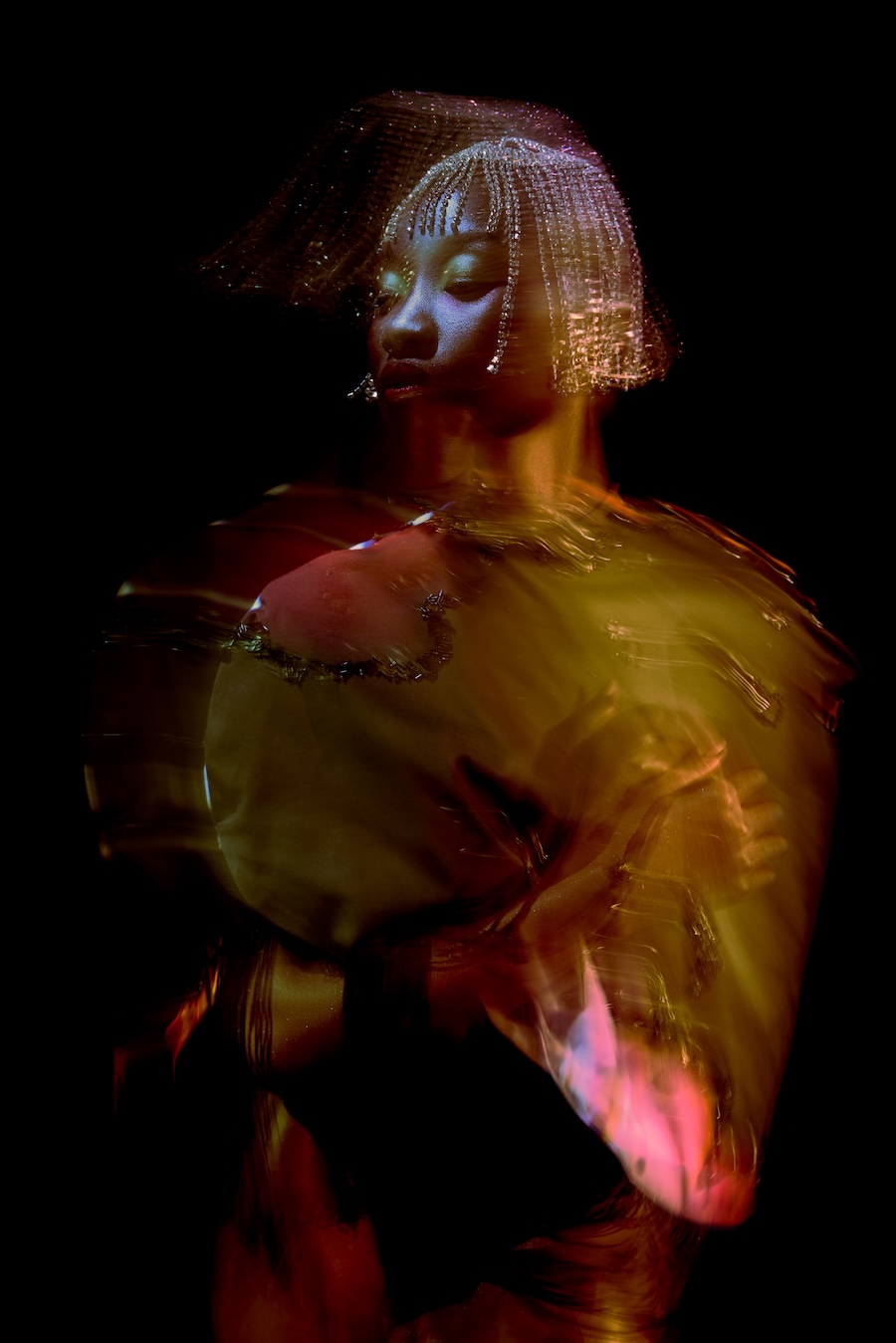
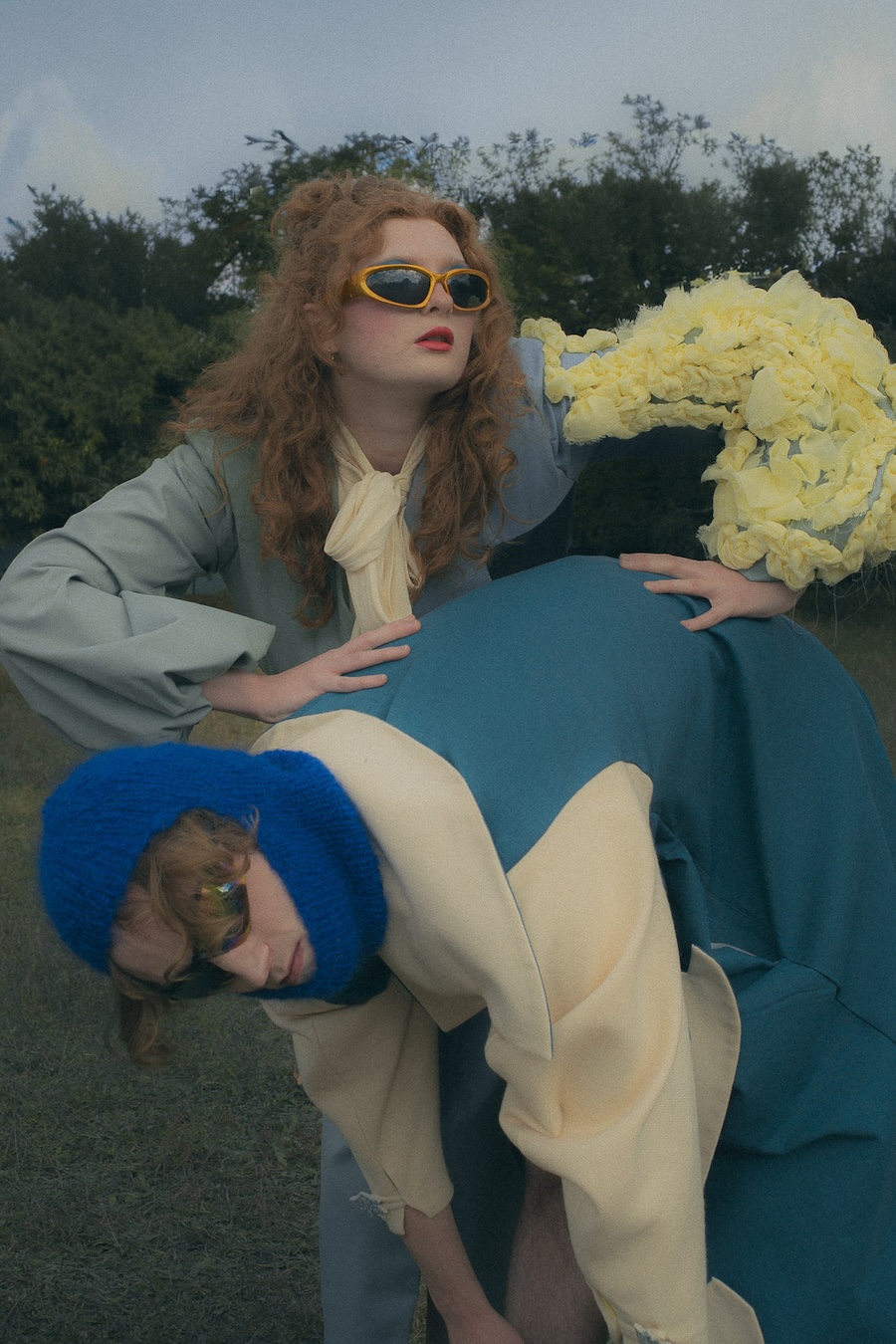
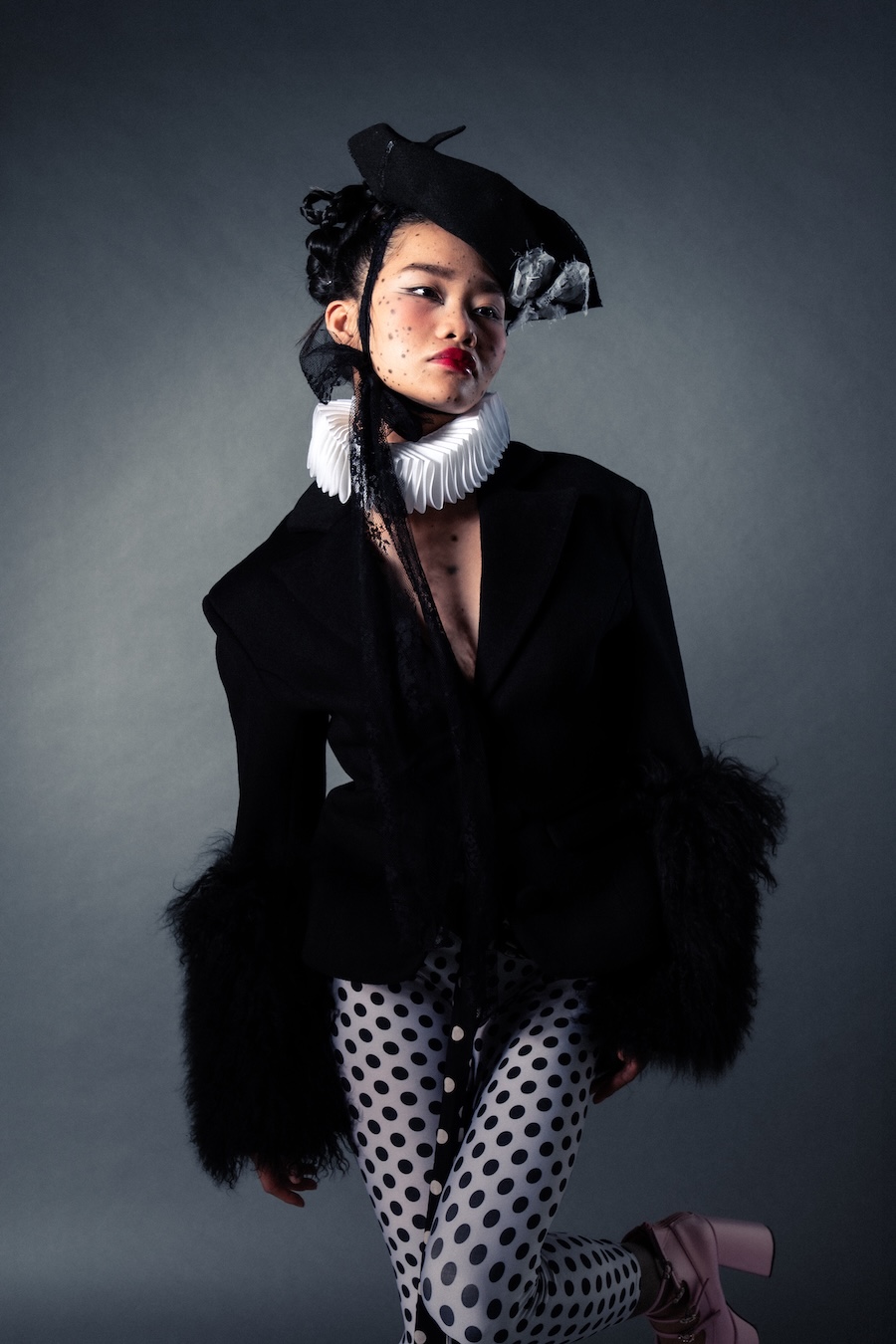
Originally from Dallas and now based in New York City, I approach photography as an exercise in atmosphere, trust, and control. Trained in the discipline of film and later in fashion photography, I work with both natural and artificial light to construct images that feel cinematic and psychologically charged. Moving fluidly between studio and location, I transform spaces into environments that heighten mood and presence.
Fashion & style
Arts
fromThe Art Newspaper - International art news and events
1 month agoA short guide to the hidden meanings in great paintings
Historic paintings contain symbolic meanings and motifs that convey spiritual, moral, and philosophical messages through objects like apples, angels, books, butterflies, and candles.
fromArtnet News
1 month agoHow Wifredo Lam Made Surrealism More Surreal Than the Surrealists | Artnet News
An exhibition of Wifredo Lam is about as safe a bet as the Museum of Modern Art can place and still plausibly say that it's a bet on expanding the canon. The Cuban artist is one of the most famous painters of the 20th century, featured in almost every single key show about Surrealism. MoMA acquired his famous painting The Jungle in 1946, a few years after he made it.
Arts
fromHyperallergic
1 month agoSpain's Cosmic Mother of Modernism
MADRID - The most famous portrait of Maruja Mallo depicts the artist covered from head to toe in seaweed. She is crowned and draped with long, rope-like strands of kelp, her arms raised triumphantly like an all-powerful marine goddess. This unconventional photograph, snapped in 1945 by the poet Pablo Neruda on a Chilean beach, was no doubt carefully orchestrated by the Spanish artist, who viewed herself as an extension of her unique work, where female energy is a conduit for natural and even cosmic forces.
Arts
fromHyperallergic
2 months agoNo One Was "Picasso's Woman"
As an editor, you learn to pay attention to the nuances of language. How we phrase something can speak volumes about our perspectives. Some words are fine in one context, but in another they might be detrimental. "Victim" is an example - who wants "victimhood" to encompass their whole person? And possessives are a minefield of power relationships; for instance, a person experiencing mistreatment at the hands of a partner should be defined by neither the treatment nor the tormenter
Arts
fromColossal
2 months agoAbsurd Scenarios Stretch Across Paco Pomet's Uncanny Canvases
From figures with multiple legs and noodles for arms to frolicking trees, Paco Pomet summons the absurd. Known for his uncanny oil paintings rendered mostly in monochrome and enlivened by colorful details of overly stretchy limbs or celestial objects, a sense of nostalgia greets surreal scenarios. The artist often derives his imagery from vintage black-and-white photographs, adding an absurd dimension to history.
Arts
Arts
fromThe Art Newspaper - International art news and events
2 months agoDrawn to home: how landscape and locals inspired Alberto Giacometti
Alberto Giacometti balanced his Parisian avant-garde career with an enduring, distinct artistic practice rooted in his Swiss Alpine hometown, producing intimate family portraits and landscapes.
Arts
fromHi-Fructose Magazine - The New Contemporary Art Magazine
2 months agoPop Surrealist Todd Schorr Paints the Unusual & The Arcane - Hi-Fructose Magazine
A surreal, exuberant collage mixes apes, hot rod and surfer culture, cartoons, monsters, and nuclear-age symbols to celebrate unconscious imagination and playful daydreaming.
fromThe Art Newspaper - International art news and events
2 months agoThe must-see exhibitions of 2026: from Duchamp in New York to Baldessari in Beijing
Cezanne Fondation Beyeler, Basel, 25 January-25 May Paul Cezanne (1839-1906) represented a powerful inspiration for the artists who came after him; as Pablo Picasso famously put it, he was "the father of us all". Now, an ambitious exhibition focusing on the French artist's later works, when he was at the height of his powers, will open at Basel's Fondation Beyeler in January.
Arts
Arts
fromdesignyoutrust.com
2 months agoArtist Paints Smoky Lounges And Quiet Strangers, Letting Halffinished Details Turn Viewers Into Coauthors Of The Scene
A wide-ranging visual roundup showcases creative reinterpretations, vintage design, activist art, photography, illustration, and humorous cultural works spanning contemporary and historical styles.
fromdesignyoutrust.com
2 months agoIncredible Scanner Glitch Collages Exploring Emotional Fragmentation and Digital Distortions by Alg Eventual
Alg Eventual is an Ohiobased audio/visual new media artist creating glitch art, digital collages and abstract mixed media works with a reference to the roots of the early 2000s. His works feature scanner experiments, layered textures and titles like Exterior, Interwind, Articulation, Overthinking and Everything leads back to you, blending digital manipulation with tactile, fragmented aesthetics. More: Instagram
Arts
Arts
fromSilicon Canals
1 month ago8 signs you appreciate art, music, and culture on a deeper level than most people - Silicon Canals
Some people experience art deeply, reacting emotionally and perceiving subtle artistic cues that reveal heightened sensitivity and meaningful connections to creative expression.
fromwww.theguardian.com
2 months agoHer time has come': did Mondrian owe his success to a crossdressing lesbian artist who lived in a Cornish cove?
Why the volte-face? Because it is now widely recognised in the art world that it was as much Moss who influenced Mondrian as the other way round, at least when it came to the double or parallel lines he started using in the 1930s to add tension to his harmonious abstract paintings, one of which hammered last May for $48m.
Arts
[ Load more ]