#dana-awartani
#dana-awartani
[ follow ]
#gaza #palestine #displacement #eid-al-fitr #community #iran #conflict #art #cultural-heritage #nowruz #gaza-conflict








fromThe Art Newspaper - International art news and events
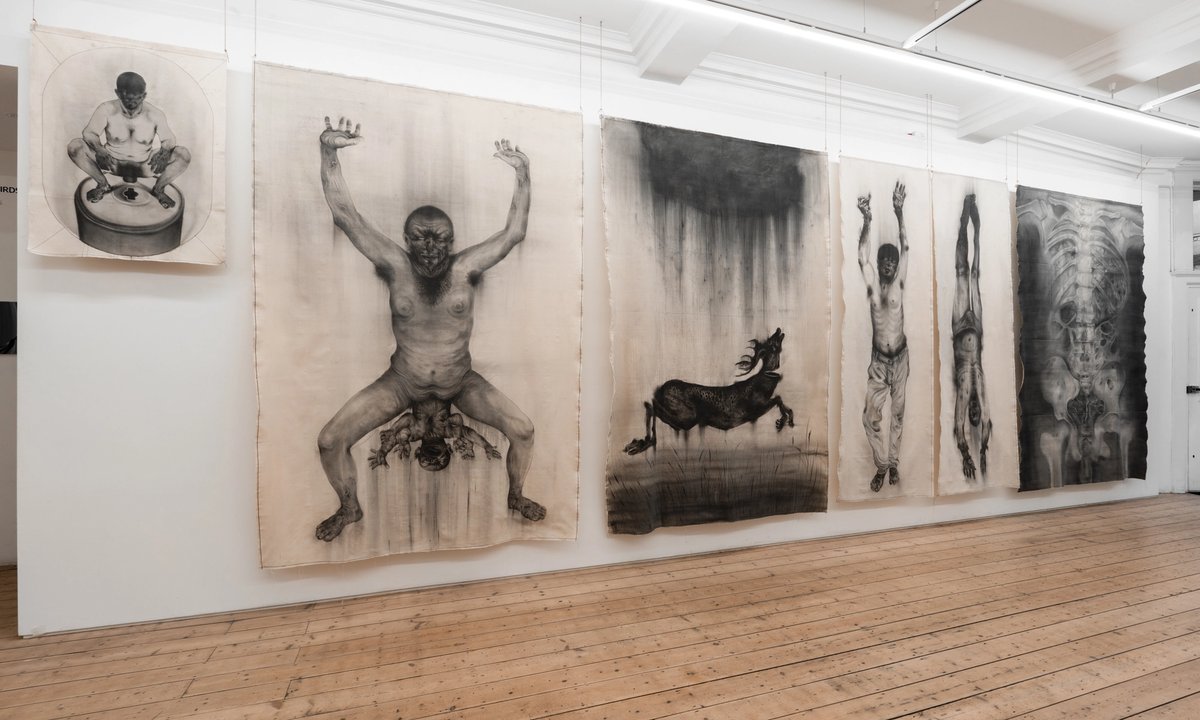
1 week agoTextiles weave tales of Palestine's rich but troubled history
Textiles are a window into the communities that created them, with every motif and line signalling a different memory, tradition or identity. Often seen as folk art, these pieces of embroidery and weaving bring together dozens of narrative threads, from Japan to South America. But nowhere is it more fraught with meaning than in Palestine.
Arts
Berlin food
fromwww.aljazeera.com
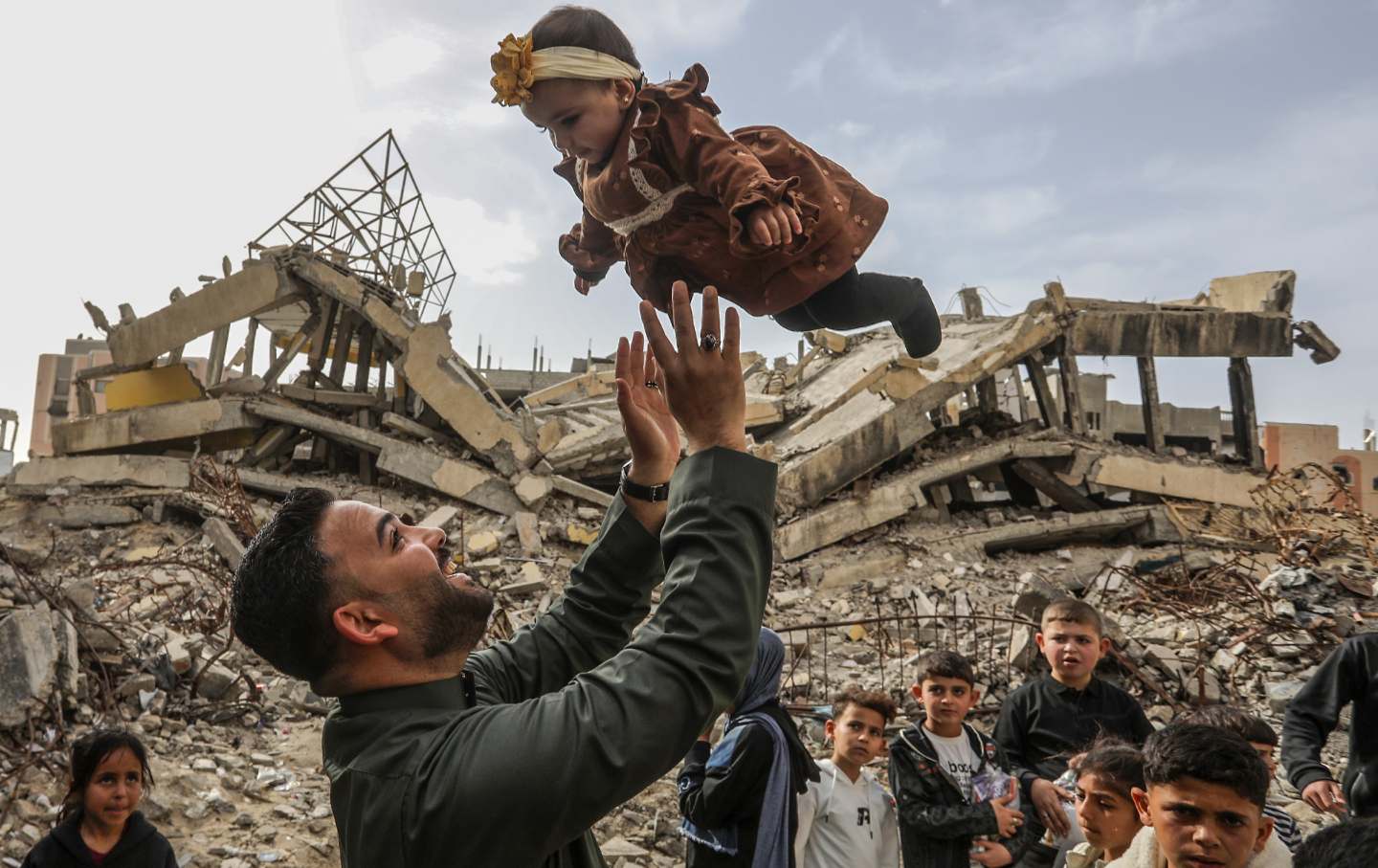
2 weeks agoBaking in rubble: Gaza woman keeps Eid traditions alive despite shortages
Gazans persist in baking traditional Eid cookies despite border closures, ingredient shortages, and lack of cooking gas, maintaining cultural traditions while generating income for families.
World politics
fromArchDaily
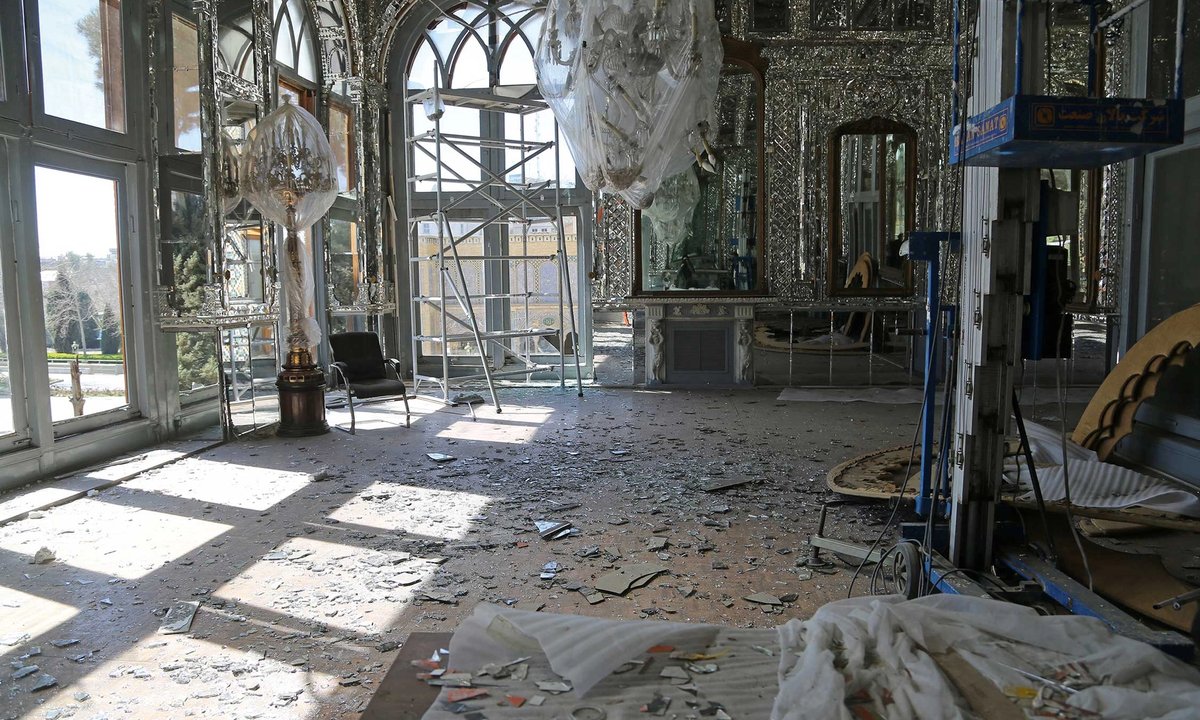
3 weeks agoCultural Heritage Sites in the Middle East Damaged as War Strikes Historic Urban Areas
US-Israeli military attacks on Iran in February 2026 initiated a new Middle East conflict zone, joining multiple global armed conflicts causing widespread destruction of cultural and infrastructure assets.
fromHyperallergic
1 week agoLebanese Artist Ali Sbeity Reportedly Killed in Israeli Strike
Ali Sbeity painted vibrant portraits and landscapes of his rural hometown in Southern Lebanon, often sharing his works on his Facebook. He participated in numerous local arts exhibitions and created murals for schools in Beirut.
Arts
fromwww.aljazeera.com
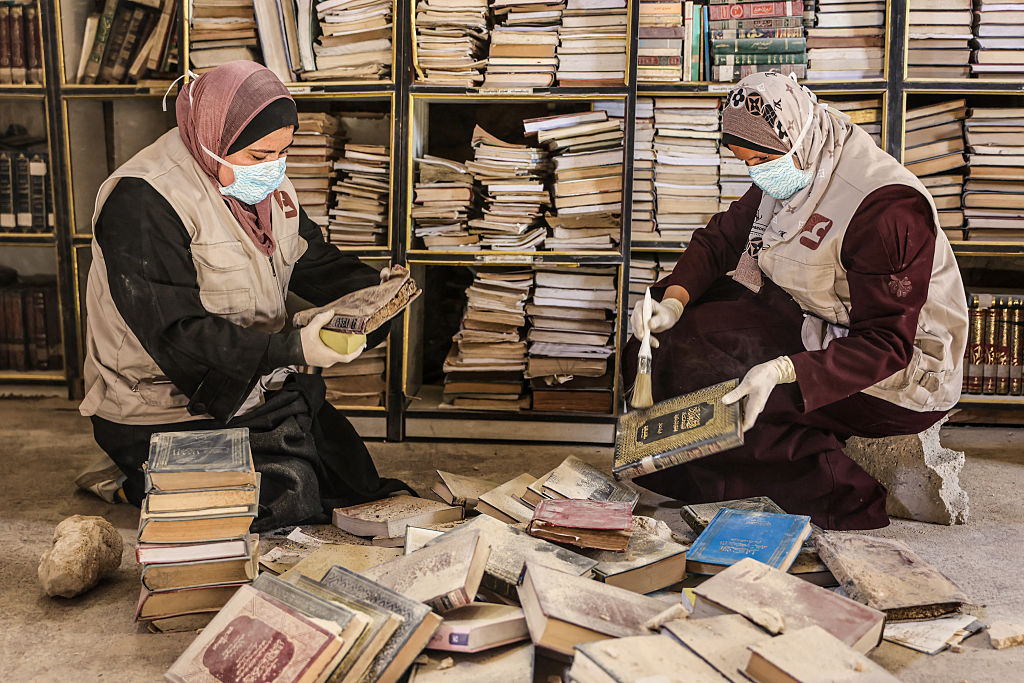
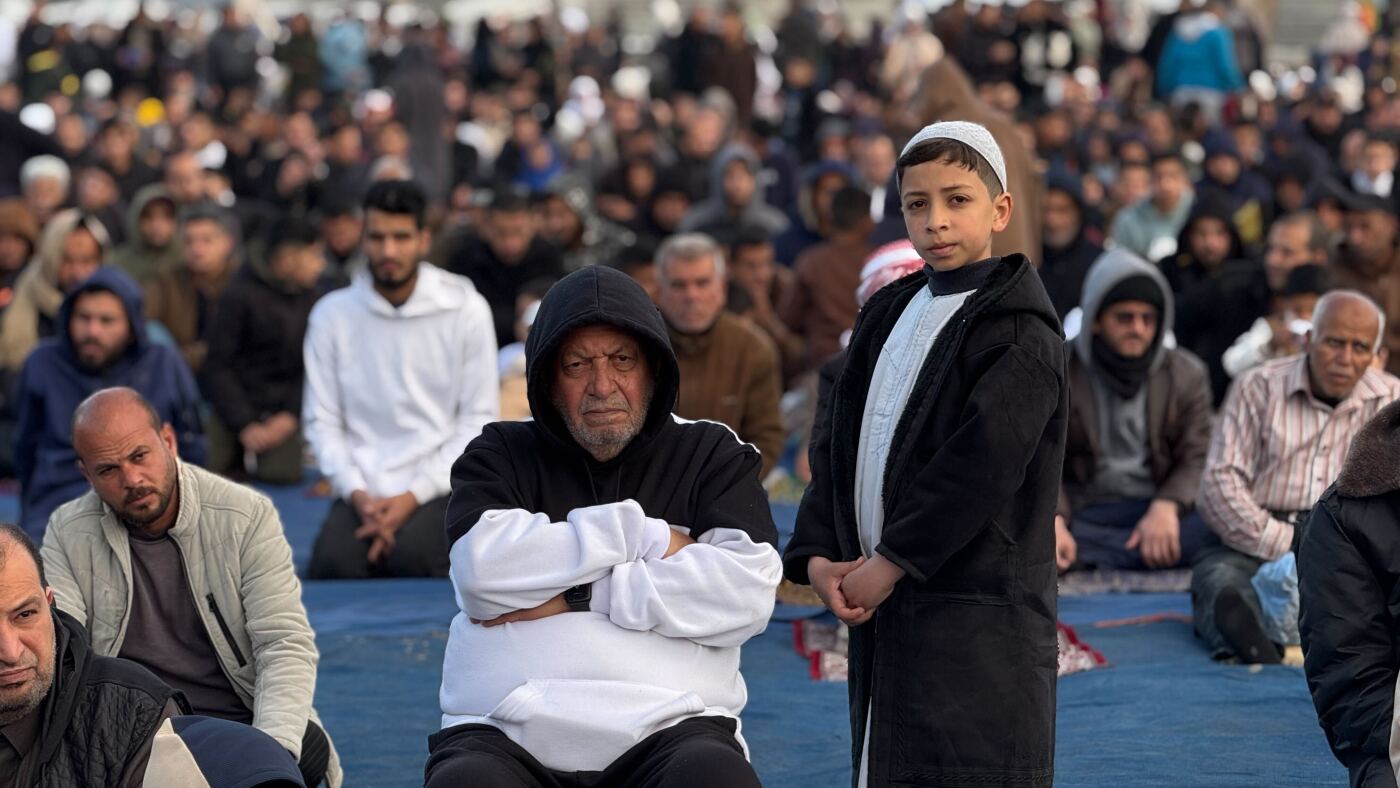
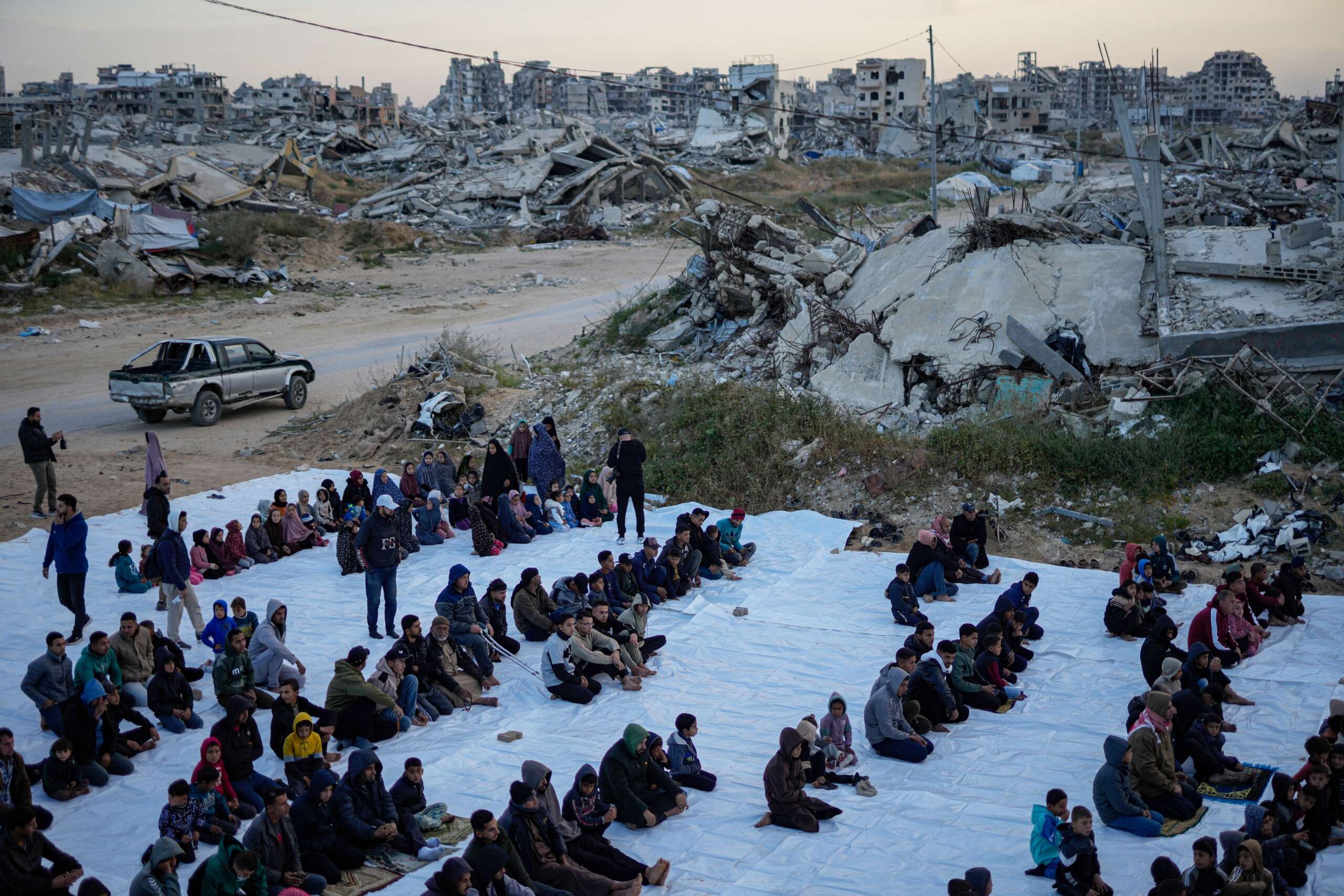
2 weeks agoQuran echoes loudly as Palestinian reciters gather in Gaza
Two hundred and fifty-six Quran memorisers—Palestinians who have committed the entire holy book to memory—sat in the place while companions beside them listened attentively, following each word carefully to ensure the recitation remained flawless. The gathering, titled Safwat Al-Huffaz—The Elite of Quran Memorisers, has become a special collective way of observing Ramadan in Gaza.
World news
Writing
fromKqed
1 month agoA Glimpse of Iran Through the Eyes of its Artists and Journalists
Iranian-American artists and writers explore diaspora, identity, and historical trauma through poetry, fiction, and documentary, examining the lasting impact of political upheaval and U.S. intervention on Iranian communities.
Independent films
fromConde Nast Traveler
4 weeks agoWhat It Took for Film Director Cherien Dabis to "Find Palestine Everywhere But Palestine"
Palestinian-American filmmaker Cherien Dabis promotes her Oscar-shortlisted film about Palestinian displacement, exploring intergenerational trauma shaped by movement restrictions and border constraints.
fromwww.theguardian.com
1 month agoPalestine Comedy Club review roving performance collective finds light in darkness
They are exploring the nature of comedy and standup as a response to being a Palestinian now. This documentary follows the group as they attempt to put together a national tour, with shows in Ramallah, Nablus, Haifa, Nazareth and Jerusalem. In so doing, they encounter the basic problem of struggling through roadblocks, and sheer dismay and horror at the wholesale destruction of the war between Israel and Hamas.
Film
fromHyperallergic
2 weeks agoWhen a Palestinian Artist Asserts Her Own Humanity
There is a scene in "Morgenkreis | Morning Circle" (2025), a 16-mm film by Berlin-based Palestinian artist Basma al-Sharif, that unfolds at the threshold of a daycare center. A young boy clings to his father, his fists locked into the fabric of his coat, his arms wrapped tightly around him. The father gently tries to pry himself free while a daycare worker crouches nearby, attempting to distract the child and coax him inside. It is an ordinary moment, one that anyone who has ever been a child - or cared for one - recognizes instantly, as well as the gut-wrenching feeling it provokes.
Arts
fromHyperallergic
2 weeks agoFlying Back With the Birds to My Hometown of Tehran
Distance does not soften the terror. It only deepens my helplessness. In moments like this, I realize that geography is not measured in miles, but in attachment. War rearranges distance. These days I find myself returning to "The Conference of the Birds," the 12th-century poem by Attar of Nishapur, seeking meaning through ancient wisdom about spiritual journeys and transformation.
Arts
Berlin food
fromTruthout
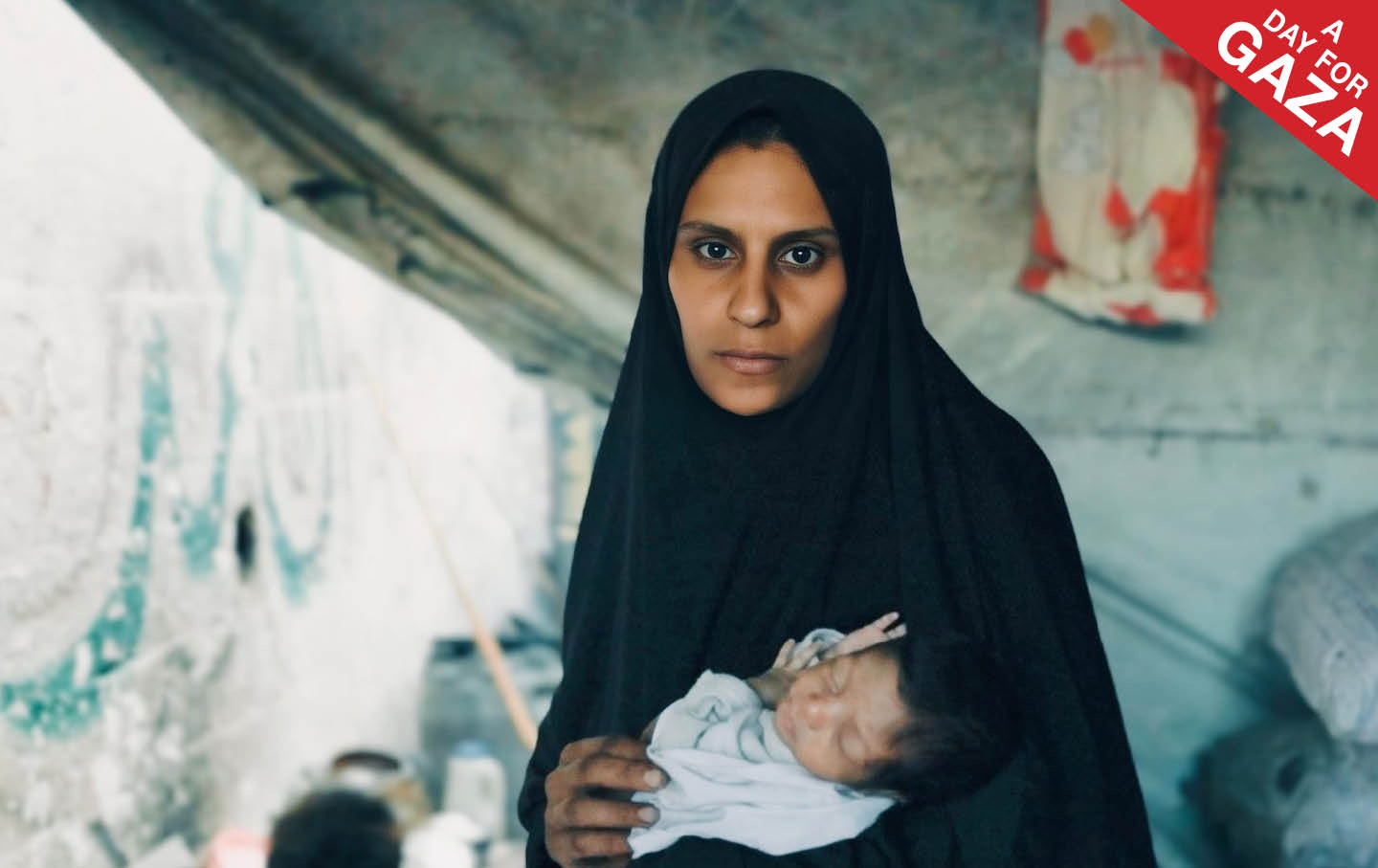
3 weeks agoRamadan Revolved Around My Grandma. Bombs Took Her House. Famine Took Her Life.
A Palestinian family's Ramadan traditions centered on their grandmother are forever altered after her death during famine conditions in Gaza, leaving an irreplaceable absence in their annual observance.
Arts
fromThe Art Newspaper - International art news and events
3 weeks agoArt communities and heritage in Iran, moderate recovery in the art market, Sydney Biennale-podcast
Cultural communities in Iran and Lebanon respond to Middle East conflict while heritage sites face damage, alongside global art market recovery and contemporary art installations addressing regional tragedies.
fromemptywheel
2 months agoHow Do You Want Your Family to Remember You? - emptywheel
The Stasi, the secret police, were legendary for their data files. Their work was based on instilling fear, and they induced stunningly amazing numbers of East Germans into informing on their neighbors. Something along the lines of 1 in 6 East Germans were informants, whether out of fear or out of approval of what the East German government was doing.
US politics
fromHyperallergic
1 month agoEveryday Traces of NYC's SWANA Diaspora
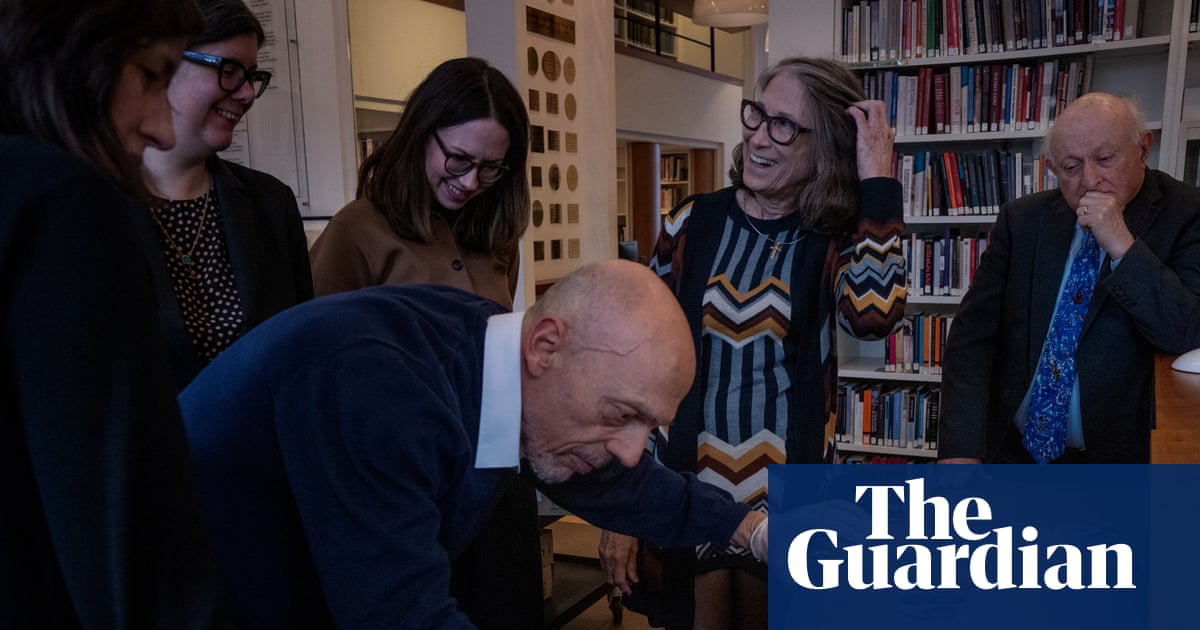
Unlike virtually all other non-European ethnicities, SWANA - or Middle Eastern/North African (MENA), as used in the show - is grouped under "White" on the US census. It's not just the census, though. It's medical forms, college applications, just about anything with a check box for ethnicity. Efforts have been made to change this, with some success. More institutions are adding a separate category on forms - and one might appear on the 2030 census.
Arts
fromwww.aljazeera.com
2 months agoWhat ICE is doing to America is familiar to me as a Palestinian
Today Americans are getting a taste of what Palestinians have experienced for decades: state terror. The escalation of state violence in the United States has been unprecedented. In the span of three weeks, two people were shot dead in Minneapolis during anti-immigration raids. Both were branded domestic terrorists. Meanwhile last week, Immigration and Customs Enforcement (ICE) agents used five-year-old Liam Ramos as bait to get his asylum-seeking father to come out of their home;
US politics
fromwww.aljazeera.com
2 months agoLooking for My Mum
Twenty-one-year-old Moez al Shreiti was given up by his Tunisian mother at birth but is absolutely determined to find out where he comes from. His search takes him on a roller-coaster journey to find answers to the question that's dominated his young life. This observational film follows his sometimes painful search with all its obstacles, going to courts and hospitals and trying to get hold of official records.
Film
World politics
fromwww.theguardian.com
1 month agoSeven of my relatives were killed in Gaza. For me, Herzog's visit was never an abstract debate | Shamikh Badra
Australian state prioritized conferring legitimacy on a leader accused of incitement while suppressing peaceful protest and failing to address genocide-related legal obligations.
fromHyperallergic
1 month agoThe Irish Do It Best
The Irish government will give 2,000 artists unrestricted weekly stipends in a program officials described as a "recognition, at government level, of the important role of the arts in Irish society." After a successful three-year pilot, the Irish government made its basic income program for artists permanent. Similar pilots have been launched here in the United States, but they're supported primarily by the nonprofit sector.
Arts
fromwww.aljazeera.com
1 month agoTo Die for Palestine Ep 2
A Chadian chemist and a British activist, both born in Jerusalem, vow to fight for Palestine by any means necessary even if it costs them death. Two men devoted their lives to the Palestinian resistance but paid the ultimate price. Bashir Jibril, born in Jerusalem to a Chadian family, joined the Popular Front for the Liberation of Palestine (PFLP) after the 1967 Arab-Israeli war. He trained military cadres and took part in the 1970 airliner hijackings, before being killed in a car bomb explosion in Athens in 1978.
World news
fromwww.theguardian.com
2 months agoA violation of our history': Palestinian uproar over Israel's plan to seize historic West Bank site
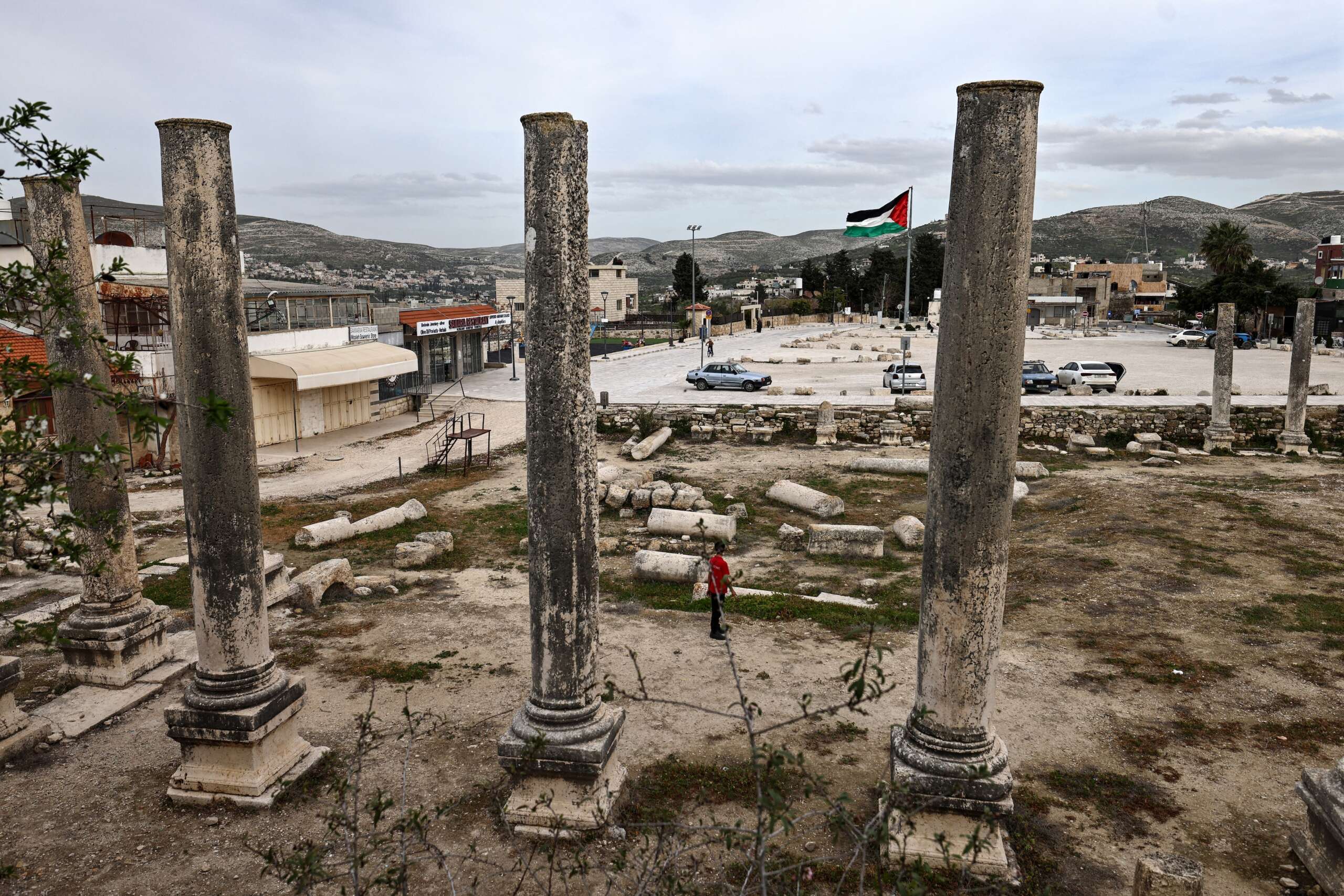
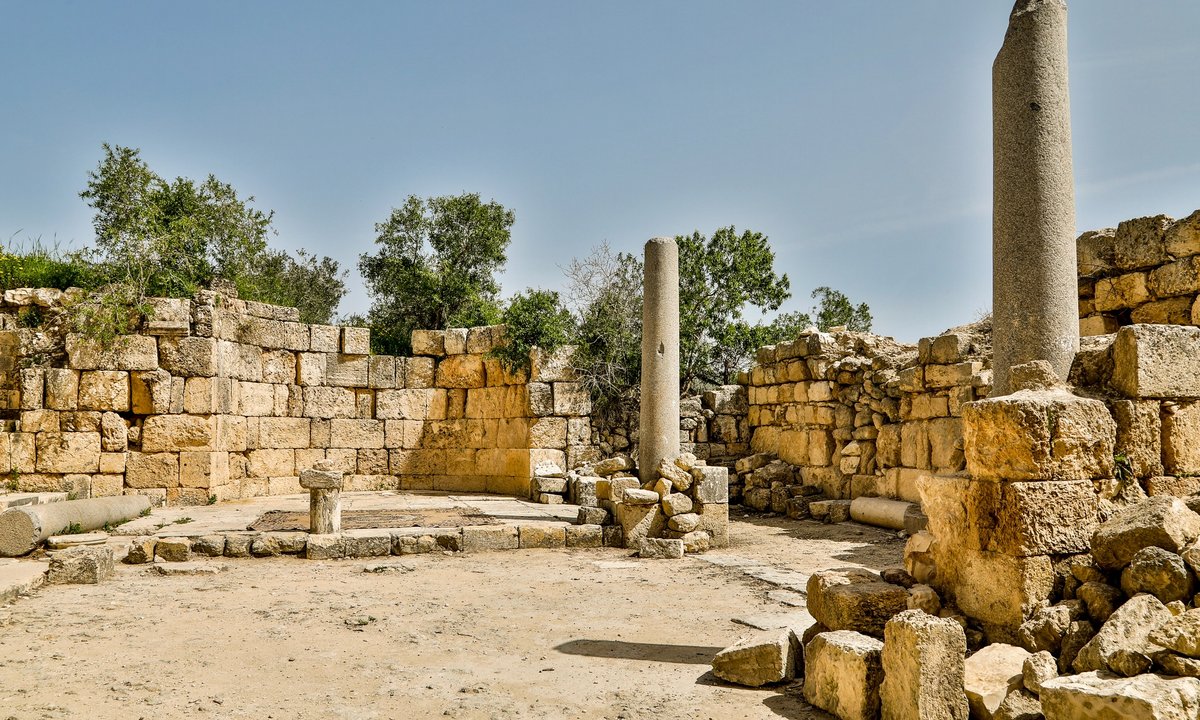
The Byzantine-era church lies half hidden in the shade. Roman columns rise from among the olive trees, even older ruins linked to Israelite kings are overgrown. To the west, the Mediterranean is just visible on the horizon. To the north and south are the hills of the occupied West Bank. In the small town of Sebastia, a hundred metres or less east of the ruins, everyone is very worried.
World news
fromHyperallergic
2 months agoPalestinian Embroidery Today
The ongoing repression of dissidents in Venezuela following the US attacks reminds us that President Trump never had the interest of the nation's people at heart. The painful reality of many immigrants is one of being caught between dehumanizing forces in their native countries and in exile, and reduced to abstractions in an increasingly unnuanced "discourse" that flattens lived experience.
Arts
fromHyperallergic
1 month agoQueer Arab Artists on Their Own Terms
"The show is about giving the pen back to the writer, giving the paintbrush back to the artist, during this time of genocide," the Ridikkuluz told Hyperallergic in an interview at the gallery. "And when there's been so much censorship, these are artists that might not have been able to do this anywhere else."
Arts
fromHyperallergic
2 months agoMs. Rachel Sells Artworks by Children From Gaza
In her latest effort to raise funds for Palestinian children, Rachel Accurso, the early childhood educator and YouTuber best known as Ms. Rachel, will present an exhibition and sale of artworks by children from Gaza in New York City this week. Accurso, whose joyful educational videos have surpassed as many as one billion views, has vocally opposed Israel's genocide in Gaza, and particularly the killing of children, on her popular social media platforms, drawing significant right-wing backlash and harassment.
Arts
[ Load more ]