#david-soto
#david-soto
[ follow ]
#contemporary-art #photography #vintage-photography #contemporary-painting #art-exhibition #illustration
#photography

Photography
fromwww.theguardian.com
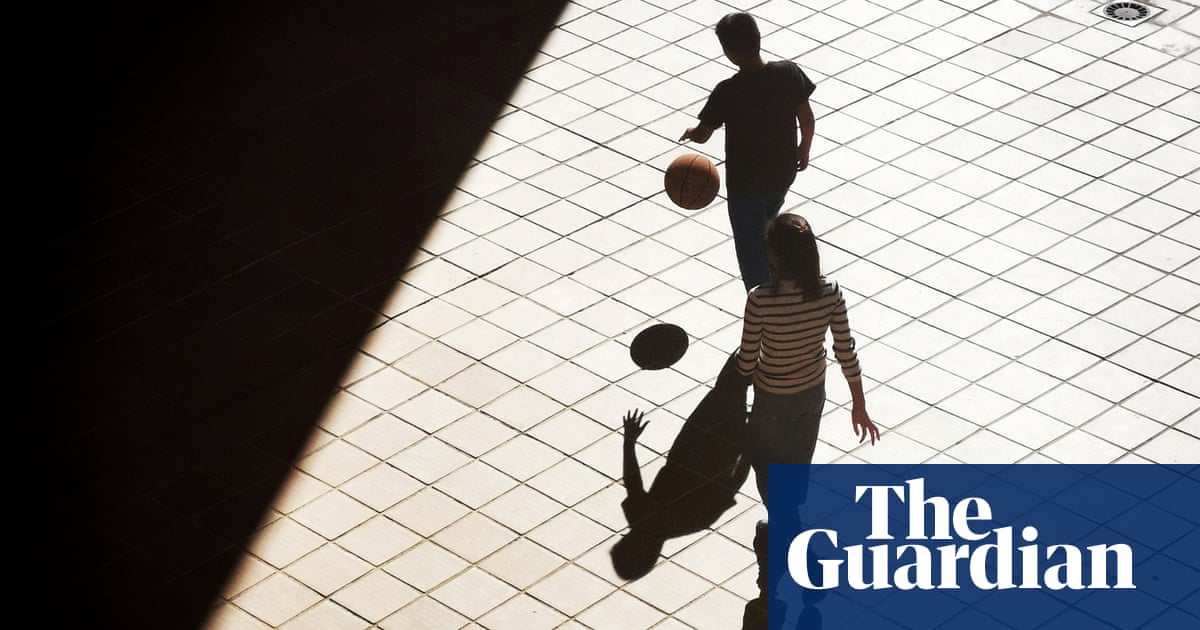
21 hours agoThe shadows, the figures playing basketball I waited for the magic to appear then it did': Jose Luis Morales Martin's best phone picture
Jose Luis Morales Martin captures the interplay of architecture and photography, emphasizing the emotional connection and artistry in both fields.


Design
fromdesignboom | architecture & design magazine
2 weeks agowith a pavilion crafted through collective embroidery, izaskun chinchilla tests urban utopia
Utopian thinking emerges through small-scale collective craft practices like embroidery rather than ambitious masterplans, creating tangible contributions to better communities.
Graphic design
fromItsnicethat
3 weeks agoDiogo Potes' paintings take poetic licence to a whole new level
Diogo transitions from two decades of client-focused graphic design to liberated painting, abandoning narrative cohesion and readability constraints for experimental, textured, and visually transgressive work.
fromThe Art Newspaper - International art news and events
3 weeks agoTomas Saraceno and Indigenous communities build art complex in Argentine salt flats
We don't eat batteries. They take away the water; they take away life. This pronouncement, in Spanish, appears in a photograph that the artist Tomás Saraceno sent via WhatsApp last month from Salinas Grandes, a high-altitude salt flat in northern Argentina. There, in one of the world's largest lithium reserves, the artist is working alongside 11 Indigenous communities to build El Santuario del Agua (The Water Sanctuary), a monumental work about the global energy transition.
SOMA, SF
#art
Arts
fromIrish Independent
4 days ago'You have to step in and experience it' - artists on the rise of AI-generated art and the 'essential' gallery visit
Miriam Fitzgerald Juskova's exhibit combines paper quilling with mathematics, showcasing intricate art that engages viewers and emphasizes the value of handmade creations.
Miscellaneous
fromenglish.elpais.com
1 month agoLAM, the museum that displays a portrait made with sausages and a sculpture of moldy grapes
The Lisser Art Museum in Lisse, Netherlands houses the world's largest collection of art related to food, drink, and consumption, featuring multidimensional works that explore everyday culinary themes in extraordinary ways.
fromArtforum
1 month agoFoto Estudio Luisita
For the Escarrias-petite sisters of African descent born ten months apart in Cali, Colombia-commercial photography was in their family DNA. Their parents established a studio in their hometown that was overseen by their mother after their father's early demise. The siblings learned the family trade, and when they fled the country's civil war in 1958, they quickly reestablished the studio in Buenos Aires.
Photography
Design
fromdesignboom | architecture & design magazine
1 month agoluis barragan's la cuadra san cristobal reopens to the public with two exhibitions in mexico
La Cuadra, Luis Barragán's 1968 equestrian complex, reopens as a public cultural campus under Fernando Romero's direction, launching with exhibitions dedicated to Barragán and Felix Gonzalez-Torres.
Arts
fromThe Art Newspaper - International art news and events
2 weeks agoTate announces major David Hockney, Edvard Munch and Sonia Boyce exhibitions for 2027
Tate announces its 2027 programme featuring major exhibitions including Lynda Benglis and Edvard Munch at Tate Modern, Sonia Boyce retrospective at Tate Britain, and David Hockney celebrations across multiple sites.
fromArtnet News
3 weeks agoA New Show on Picasso's Religious Roots Opens in a Spanish Cathedral
At first glance, this curatorial oversight is hardly surprising. After all, Picasso was an atheist and Communist supporter whose ever-shifting practice seemed to chafe against centuries of religious art. Indeed, in a well-known episode from the 1940s, Picasso personally confronted Henri Matisse for accepting the Vence chapel commission.
Arts
fromwww.theguardian.com
1 month agoMadrid museum shuffles its pack charting decades of rapid change in Spain
The Reina Sofia's new rehang opens, quite pointedly, with a painting of a detained man sitting, head bowed and wrists shackled, as he waits for the arbitrary hand of institutional bureaucracy to decide his fate. The picture, Document No , was painted by Juan Genoves in 1975, the year Francisco Franco died and Spain began its transition to democracy after four decades of dictatorship.
Miscellaneous
fromArchDaily
1 month agoBetween Materials and Memory: Three Madrid Architecture Practices on Heritage Rehabilitation
Ba-rro: "Our starting point is always the context and what already exists." We are interested in recognizing the value of things simply because they are there, without assuming that everything must be preserved as a matter of principle. The question isn't what can be kept, but what deserves to be kept in each specific project. The decision to preserve, reveal, or remove doesn't stem from universal values or a nostalgic impulse, but from a situated interpretation:
Renovation
fromBoard Game Quest
1 month agoSand Art Review
Sand Art is a game by Kory Jordan and published by 25th Century Games for two to four players ages 10 and up. It takes about an hour to play, and has you collecting resources and then coloring in a bottle, making art in a bottle out of sand, in case the name didn't give away the plot. Gameplay Overview: Sand Art has you gathering and mixing sand, which is used to fill your bottle.
Board games

Arts
fromThe Art Newspaper - International art news and events
1 month agoArco Madrid's 45th edition benefits from influx of Latin Americans to the 'new Miami'
Arco Madrid's 45th edition features 206 galleries amid Spanish galleries' protest against Europe's highest 21% VAT on art, which undermines international competitiveness.
fromdesignboom | architecture & design magazine
1 month agosordo madaleno to design new collection centre for hungarian museum of natural history
The Centre's staff are stewards of the objects, and the architecture becomes an extension of that stewardship. Within this layered ecology of care, the object is framed not as an isolated artefact but as an embodiment of life-worlds and landscapes that nourish reciprocal relationships,
Miscellaneous
fromDesign Milk
1 month agoInside Lee Broom's Latin American Exhibition at Diez Company
Now, he celebrates his first major presentation in Latin America, in congruence with Mexico City Art Week 2026 and ZSONAMACO, showcasing on an ideal stage inside one of the city's most architecturally layered interiors. Titled The Resident, the site-responsive installation, created during a residency at the Diez Company house, transforms the historic showroom into an immersive tableau where more than 50 works negotiate the boundaries between collectible design, contemporary art, and spatial theater.
Design
Arts
fromMiami Herald
1 month agoCarlos Alfonzo and Belkis Ayon Unite in 'Odyssey' at Freedom Tower
Two significant 20th-century Cuban artists, Carlos Alfonzo and Belkis Ayón, are exhibited together for the first time at Freedom Tower, revealing shared interests in mythology and artistic influences despite their stylistic differences.
fromJuxtapoz
1 month agoJuxtapoz Magazine - Oscar Murillo: "el pozo de agua" @ kurimanzutto, Mexico City
OSCAR MURILLO (b. 1986, La Paila, Colombia) has developed a multifaceted and challenging practice that spans painting, collaborative projects, video, sound and installation. Through each body of work, the artist probes ideas of collectivity and shared culture, demonstrating a commitment to the power of material presence alongside complex meditations on contemporary society. A focus on the social dimension that sits on the border between performance and events is also central to Murillo's practice.
Arts
Arts
fromHi-Fructose Magazine - The New Contemporary Art Magazine
1 month agoIn Plain Site: Isaac Cordal Creates Tiny Worlds Which Mirror Our own - Hi-Fructose Magazine
Small sculpted businessmen embody social complacency and systemic contradictions, showing technological obsession, environmental neglect, and coerced conformity amid crisis.
Arts
fromJuxtapoz
2 months agoJuxtapoz Magazine - Preview: Imon Boy's "Un poco distraido" @ Yusto / Giner Gallery, Madrid
Imon Boy's solo exhibition transforms diary-like, graffiti-rooted imagery into playful visual narratives blending street energy with gaming, internet culture, cinema, travel, humor and identity.
fromdesignyoutrust.com
1 month agoDark Humor Decals For Everyday Absurdity: Amazing Acrylic Paintings by Javier Mayoral
Handcrafted Artful Embroideries of Everyday Products by Alicja Kozowska Well of Eternity: Stunning Sci-Fi Concept Artworks of Sung Choi Traveller's Joy The Key To The Countryside Beautiful Shell Adverts From The Mid-1950s These Animal Illustrations Accurately Express Our Monday Blues And Friday Feels Dark, Surreal And Moody Photo Works By Simon Kerola Artist Replaces Jurassic Park Dinosaurs With Those From The Show Dinosaurs "Deathmask Divine": The Superb Dark Paintings of Bahrull Marta
Arts
fromColossal
2 months agoAbsurd Scenarios Stretch Across Paco Pomet's Uncanny Canvases
From figures with multiple legs and noodles for arms to frolicking trees, Paco Pomet summons the absurd. Known for his uncanny oil paintings rendered mostly in monochrome and enlivened by colorful details of overly stretchy limbs or celestial objects, a sense of nostalgia greets surreal scenarios. The artist often derives his imagery from vintage black-and-white photographs, adding an absurd dimension to history.
Arts
Arts
fromJuxtapoz
2 months agoJuxtapoz Magazine - Sayre Gomez "Precious Moments" @ David Kordansky Gallery, Los Angeles
Sayre Gomez's Precious Moments presents photorealistic paintings, sculpture, and video exploring Los Angeles, nostalgia, youth fetishization, late capitalism, and built environments shaping memory.
fromHi-Fructose Magazine - The New Contemporary Art Magazine
2 months agoPedro Pedro transforms The Everyday into Vibrant Inanimate Portraits - Hi-Fructose Magazine
One of the great things about making art is discovering something that sprang from seemingly nowhere. In retrospect it looks logical but in the moment it's an epiphany and suddenly it's exciting to explore it. My studio is across the street from Creative Woodworking and they have a box where they put scrap wood for anyone who wants it and it's irresistible to me.
Arts
fromThe Mercury News
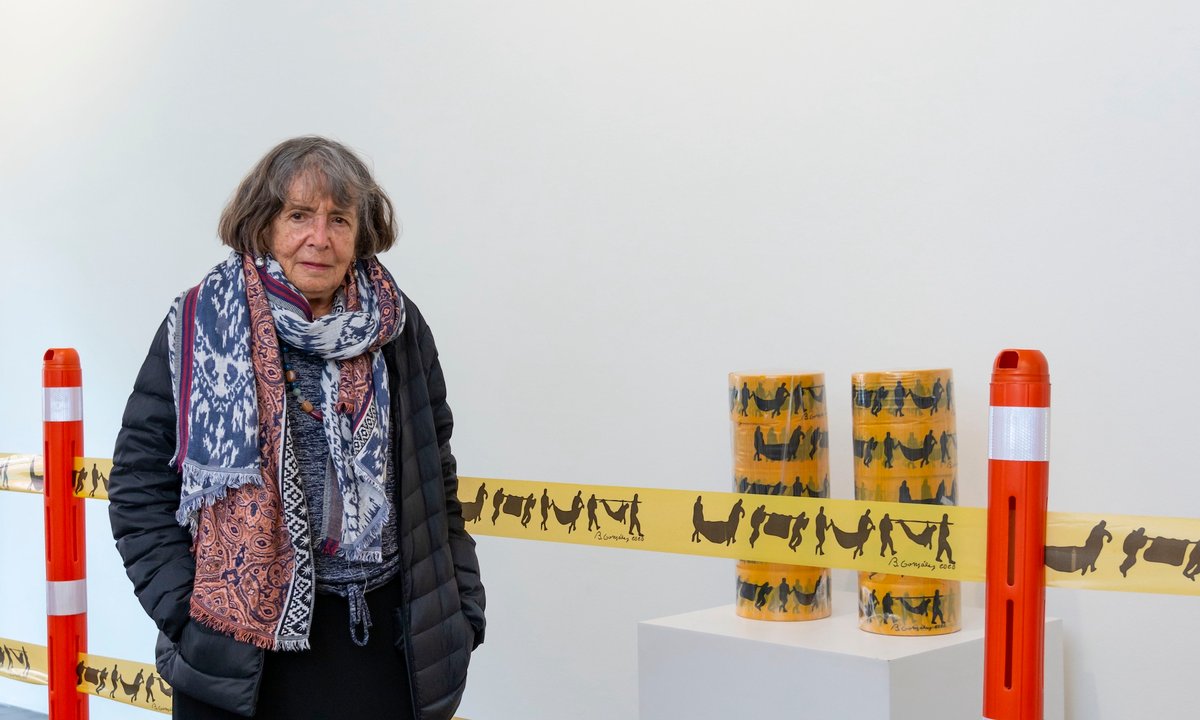
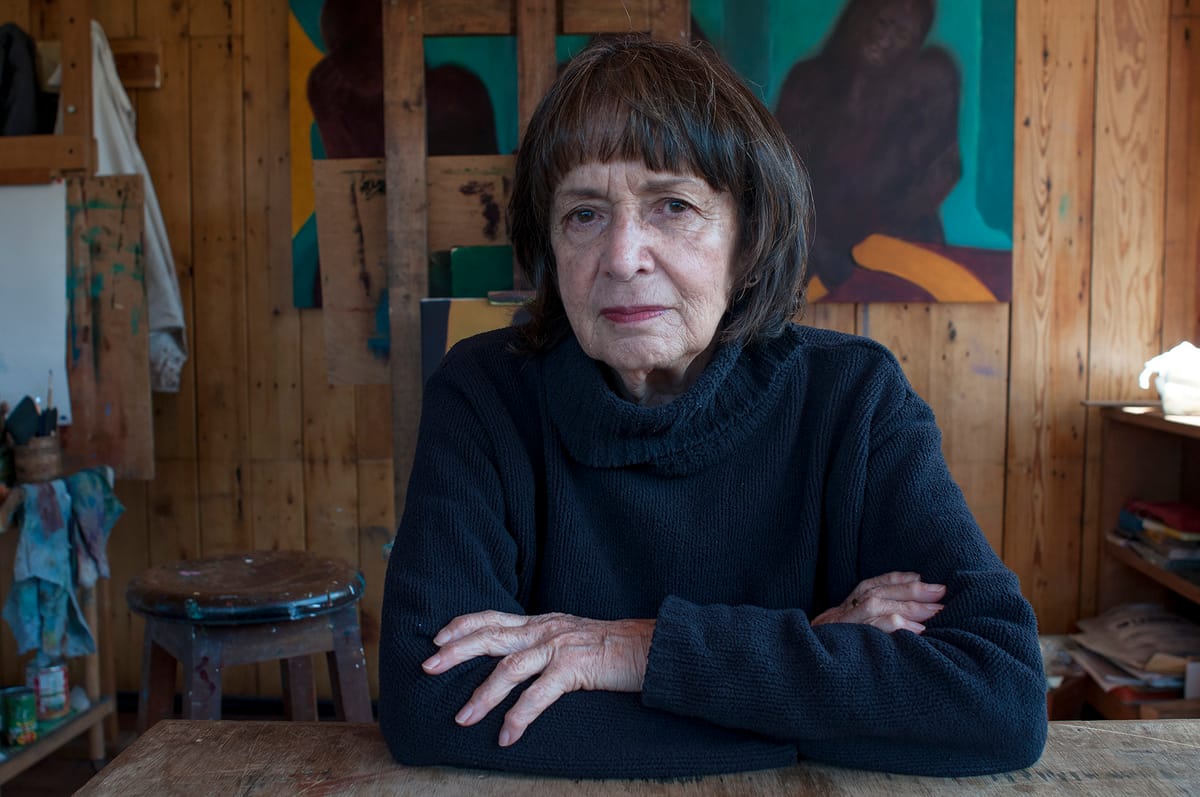
1 month agoSan Jose artist brings wind, light to bear in her paintings
Artist Ayelet Gal-On does not just paint; she builds, layering oil, acrylic and plaster on canvas. Gal-On's signature subjects for "Taken by the Wind, Swept by the Light," her upcoming solo exhibition at Gallery 9 in Los Altos, are white dresses that appear to hang on a line, defying the stillness of the canvas. "I love the process of playing with color," says the artist.
Arts
fromJuxtapoz
2 months agoJuxtapoz Magazine - Misfits: Daniel Nunez Explores a New Freedom @ GR Gallery, New York
"The four large-scale canvases that constitute the core of ' Misfits' maintain the fundamental elements of the artist's visual lexicon while radically reconfiguring compositional structure and spatial organization. These works advance a design freedom that is simultaneously forceful and controlled, achieving a balance between expressive intensity and formal restraint. As such, the series marks a decisive moment in Nuñez artistic evolution and possibly an initial step toward a more profound and transformative reorientation of his practice."
Arts
fromCurbed
2 months agoThe Cuban House of Spirits
The artists José Parlá and Claudia Hilda, his wife, live in a former fire station in Fort Greene surrounded by memories of Cuba, which Parlá's ­family fled in 1970 and where ­Hilda lived until recently. "There's a lot of magical realism here, a big mix of Cuban traditions and religion," says Parlá, pointing to an icon of la Caridad del Cobre, the island's patron saint, in the kitchen. "We cannot move her!"
Arts
fromThe New Yorker
2 months agoPeter Doig's Histories of Ink
One recent weekday morning, the British painter Peter Doig arrived at a bonded warehouse-a cavernous brick building-about a mile south of the River Thames, but not subject to the import taxes of the United Kingdom. He buzzed through security and entered a windowless white room, where he settled in for a long day. Awaiting him were a series of etching prints that had been brought over from the United States to be signed by Doig before being put up for sale.
Arts
fromThe Art Newspaper - International art news and events
1 month agoAt Mexico City's Material and Salon Acme fairs, artists find hope in nature
"The new venue has allowed us to develop the experience of the fair-it lends itself to being more of a destination," Brett W. Schultz, the co-founder and director of Material, tells The Art Newspaper. The fair features over 70 exhibitors this year, with an especially strong contingent of Mexico City galleries that, like Material, have been around for a little over a decade.
Arts
Arts
fromThe Art Newspaper - International art news and events
2 months agoMexico City's Zona Maco fair finds a 'balance between continuity and renewal'
Zona Maco anchors Mexico City Art Week 2026, showcasing over 220 galleries and introducing 40+ new exhibitors from Latin America, North America, Europe and Asia.
Arts
fromThe Art Newspaper - International art news and events
1 month agoCelebrations at Mexico's Museo Experimental El Eco
Museo Experimental El Eco, designed by Mathias Goeritz, reopened twenty years ago and is now gaining national heritage recognition while showcasing new commissions and performances.
Arts
fromThe Art Newspaper - International art news and events
1 month agoMexico City's art scene gravitates to Santa Maria la Ribera neighbourhood
Santa María la Ribera has become a growing hub for contemporary Mexican artists, offering affordable studios, large Porfirian-era spaces, and new exhibition venues.
fromCurbed
2 months agoThe Cuban House of Spirits
The artists José Parlá and Claudia Hilda, his wife, live in a former fire station in Fort Greene surrounded by memories of Cuba, which Parlá's family fled in 1970 and where Hilda lived until recently. "There's a lot of magical realism here, a big mix of Cuban traditions and religion," says Parlá, pointing to an icon of la Caridad del Cobre, the island's patron saint, in the kitchen. "We cannot move her!"
Arts
fromHyperallergic
1 month agoSpain's Cosmic Mother of Modernism
MADRID - The most famous portrait of Maruja Mallo depicts the artist covered from head to toe in seaweed. She is crowned and draped with long, rope-like strands of kelp, her arms raised triumphantly like an all-powerful marine goddess. This unconventional photograph, snapped in 1945 by the poet Pablo Neruda on a Chilean beach, was no doubt carefully orchestrated by the Spanish artist, who viewed herself as an extension of her unique work, where female energy is a conduit for natural and even cosmic forces.
Arts
[ Load more ]