#dermal-denticles

[ follow ]
fromwww.scientificamerican.com
4 days ago

See these ziti-sized fish scale a 50-foot waterfall

During major floods, thousands of tiny fish convene at Luvilombo Falls in the upper Congo River Basin to undertake a peculiar vertical migration, described for the first time today in Scientific Reports.
OMG science
fromSFGATE
1 week ago

Woman finds over a dozen dead baby leopard sharks on La Jolla trail

"Not only are acts like that illegal, but it's really harming a very important, like, a biodiversity hotspot that we have right out here," Brent Fish, an aquarist with Birch Aquarium, stated.
San Jose Sharks
fromBig Think
1 week ago

One of the most radical reinventions in evolutionary history

Few transformations in the history of life have been as extreme as the embrace of the ocean by seagrass. Like whales and dolphins, modern seagrasses descend from land-dwelling ancestors.
OMG science
Psychology
fromwww.scientificamerican.com
2 weeks ago

These fish can tell when you're staring

Fish can perceive when they or their offspring are being watched and respond with increased aggression, demonstrating attention attribution abilities previously documented mainly in primates, birds, and domestic animals.
Science
fromNature
3 weeks ago

No such thing as a shark? Genomes shake up ocean predator's family tree

Sharks may not form a natural biological group; hexanchiformes might be more closely related to rays and skates than to other sharks, making sharks a paraphyletic group.
OMG science
fromNature
3 weeks ago

Daily briefing: Genomes shake up the shark family tree

Doom's cultural impact extends beyond gaming into scientific research, with neurons playing the game and developers porting it to unexpected devices, while shark taxonomy may require reclassification based on genomic analysis revealing Hexanchiformes as a distinct evolutionary lineage.
fromArs Technica
1 month ago

Why are vertebrate eyes so different from those of other animals?

We think that in this early deuterostome, the median eye contained both ciliary and rhabdomeric cells. As a result, both cellular lineages were incorporated into a single, ancient, cyclopean eye, which later evolved into the vertebrate eyes.
Science
OMG science
fromThe Washington Post
3 weeks ago

What Earth's longest-lived animals can teach us about aging better

Studying exceptionally long-lived animals across the kingdom reveals genetic and biological mechanisms that could unlock human antiaging interventions and extend human lifespan.
Environment
fromwww.theguardian.com
1 month ago

Chronic ocean heating fuels staggering' loss of marine life, study finds

Chronic ocean warming reduces fish biomass by 7.2% per 0.1°C of seabed warming per decade, with marine heatwaves masking long-term decline through temporary population booms in cold-water regions.
Science
fromNature
1 month ago

Echinoderm stereom gradient structures enable mechanoelectrical perception - Nature

Sea urchin spines possess previously unknown mechanoelectrical perception abilities, responding to mechanical stimuli within 88 milliseconds through rapid spine rotation.
Science
fromDefector
1 month ago

Finally! An Ancient Fish That Understood Life's Terrors | Defector

Haikouichthys, an early Cambrian fish, possessed four eyes and lacked jaws, reflecting distinctive sensory and feeding adaptations among early vertebrates.
Science
fromNature
2 months ago

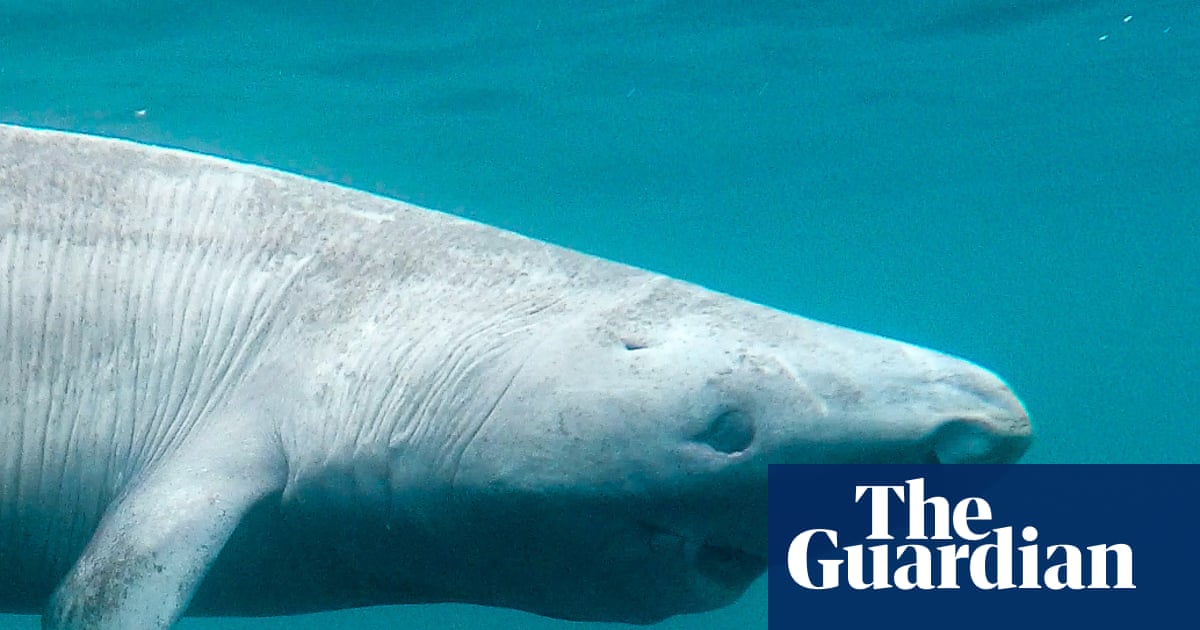
Daily briefing: How 400-year-old sharks keep their vision sharp

Greenland sharks retain functional vision into extreme old age, offering potential insights into human age-related vision loss.
#greenland-shark
fromwww.scientificamerican.com
2 months ago

Scientists Catch Jellyfish and Sea Anemones Behaving in Surprisingly Human Ways

The animals do, however, have neuronsnerve cells that appear interconnected throughout their body. And now a new study shows that how these animals sleep is surprisingly similar to humans, suggesting that sleep may have evolved before even the most primitive brains. The findings, published on Tuesday in Nature Communications, also help answer one of science's prevailing mysteries: Why do animals sleep?
Science
fromwww.scientificamerican.com
1 month ago

How do deep-sea fish see in dark water? This new study could hold the clue

Some deep-sea fish may be able to see light in a different way from most other vertebrates, according to a new study. The fish, found in the Red Sea, have what the scientists behind the new study describe as hybrid photoreceptorslight-sensing cells in the retina that combine elements of two distinct kinds of photoreceptors, cones and rods. In human retinas, cone cells enable us to see in bright environments, detecting color and fine detail,
Science
Science
fromInsideHook
2 months ago

Environmental Changes May Make Sharks Less Dangerous

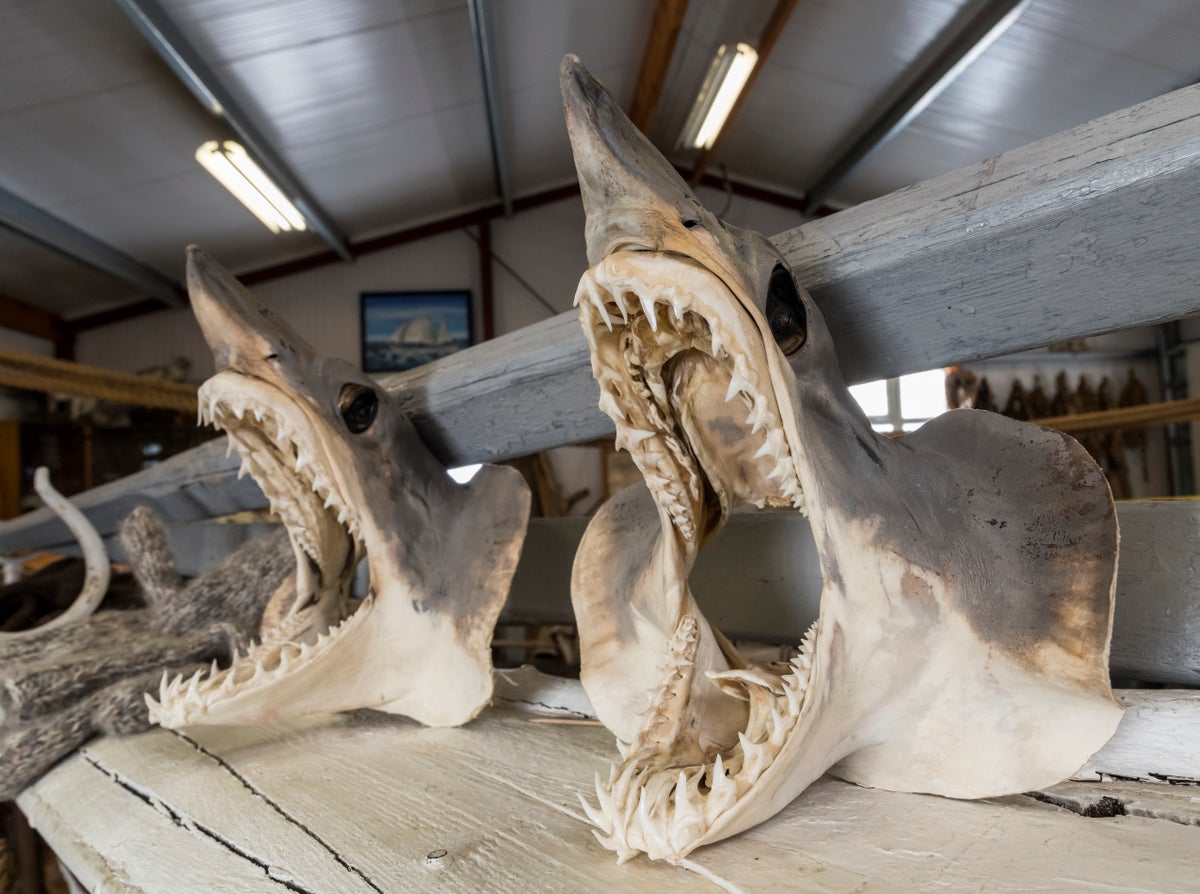
Ocean acidification can corrode and degrade shark teeth, reducing serrations and root structures and threatening foraging efficiency, energy uptake, and elasmobranch fitness.
fromNature
2 months ago

What were the first animals? The fierce sponge-jelly battle that just won't end

Which animals came first? For more than a century, most evidence suggested that sponges, immobile filter-feeders that lack muscles, neurons and other specialized tissues, were the first animal lineages to emerge. Then, in 2008, a genomic study pointed to a head-scratching rival: dazzling, translucent predators called comb jellies, or ctenophores, with nerves, muscles and other sophisticated features. That single study ignited a debate that has raged for nearly 20 years, sparking fierce arguments about how complexity evolved in animals.
Science
Science
fromwww.nature.com
2 months ago

Four camera-type eyes in the earliest vertebrates from the Cambrian Period

Vertebrate vision evolved via diversification of phototransduction components and eye structures, documented by molecular data and exceptional fossil evidence from Cambrian to mammalian ancestors.
Science
fromwww.scientificamerican.com
2 months ago

Dolphins age more slowly with a little help from their friends

Strong, lifelong social bonds among male Shark Bay bottlenose dolphins are associated with slower biological aging measured via DNA methylation.
fromNature
2 months ago

Plastic landmark anchoring in zebrafish compass neurons - Nature

A simple example of space-tuned cells is HD cells, which persistently fire when animals are facing a particular direction8. Because the head direction of an animal is typically not directly provided to the sensory system, HD cells need to integrate the history of rotational movements that animals make, a process called angular path integration. As a simple, yet biophysically plausible mechanism to implement angular path integration, a class of dynamical models called ring attractors has been proposed9.
Science
[ Load more ]