#deroche-projects
#deroche-projects
[ follow ]
#architecture #sustainability #affordable-housing #design #sustainable-architecture #interior-design

NYC real estate
fromwww.businessinsider.com
1 day agoWe bought a house that's too small so we could afford our dream neighborhood. A $300,000 third-party loan will help us renovate.
The Feinbergs purchased a small home in Wayne, Pennsylvania, and planned to expand it using RenoFi financing based on future value.
Barcelona
fromArchDaily
5 days agoSANAA, David Chipperfield Architects, and Snhetta Among Five Finalists for Barcelona's New Waterfront Cultural Venue, Liceu Mar
Barcelona selects five finalist teams for the Liceu Mar cultural venue competition at Port Vell, aiming to enhance accessibility and civic engagement.

fromArchDaily
4 weeks agoBuildner and Kingspan Launch MICROHOME 2026 With 100K in Awards and Announce 10th Edition Winners
Participants are challenged to design a modular, self-sufficient, and energy-efficient microhome with a maximum footprint of 25 m². Proposals should push the boundaries of innovation, functionality, and sustainability while addressing real-world challenges such as urban density, affordability, and environmental responsibility.
Miscellaneous
fromArchDaily
1 month agoHariri Pontarini Architects and Snhetta to Design New Ontario Science Centre in Toronto
The architectural proposal organizes new construction and heritage structures into a cohesive campus, establishing visual and physical connections between the city and Lake Ontario. By consolidating the five existing Pods, the Cinesphere, and the new building into a unified spatial framework, the design reinforces the waterfront's civic identity while reinterpreting Ontario Place's original ambition as a landscape for public learning, innovation, and recreation.
Toronto
Canada news
fromOregon ArtsWatch * Arts & Culture News
3 weeks agoVancouver mayor: Building downtown performing arts venue 'a legacy opportunity' * Oregon ArtsWatch
Vancouver is prioritizing arts and culture development, including constructing a performing arts venue and expanding the Vancouver Arts Hub with a grants program potentially raising $7 million.
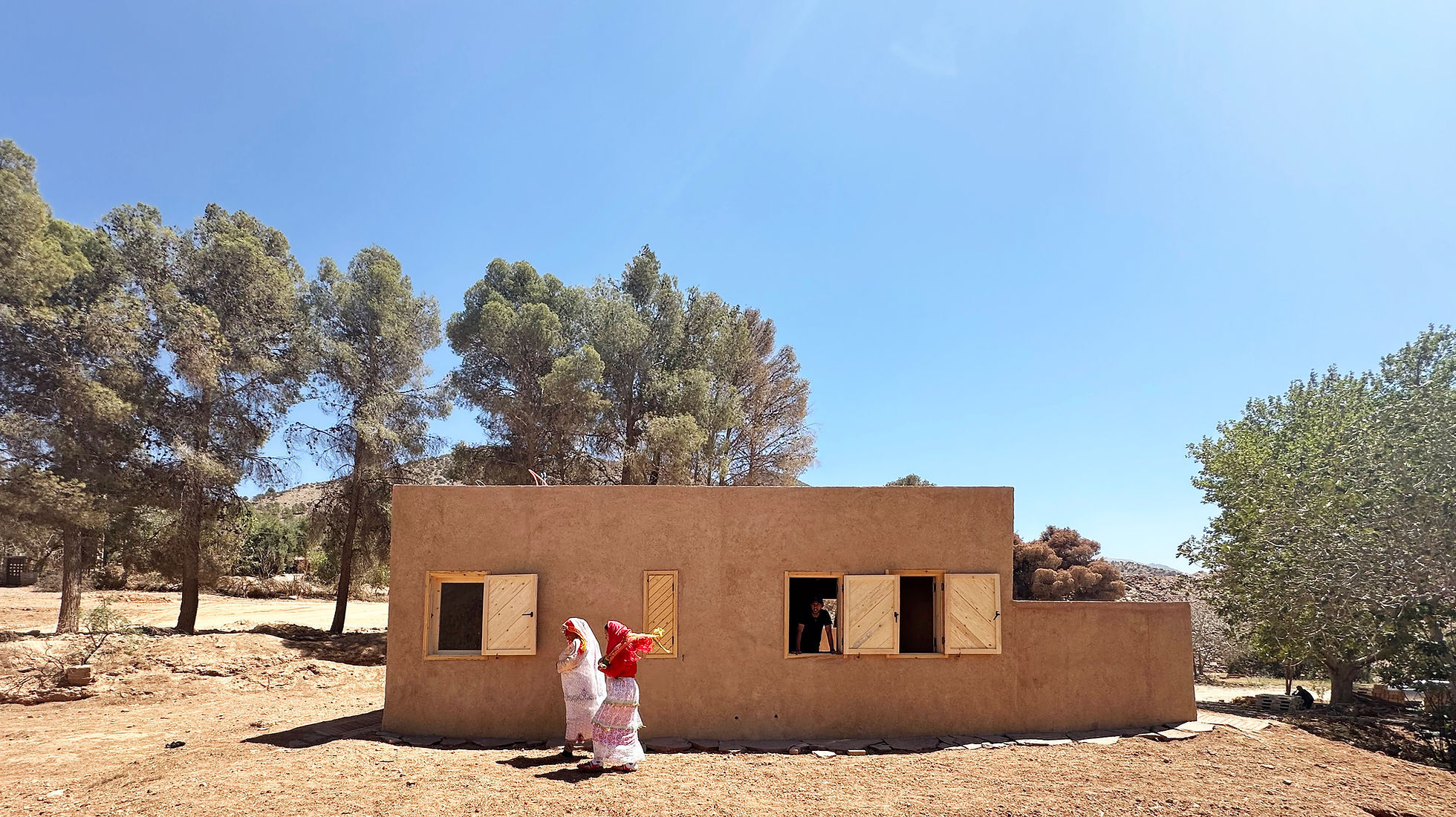
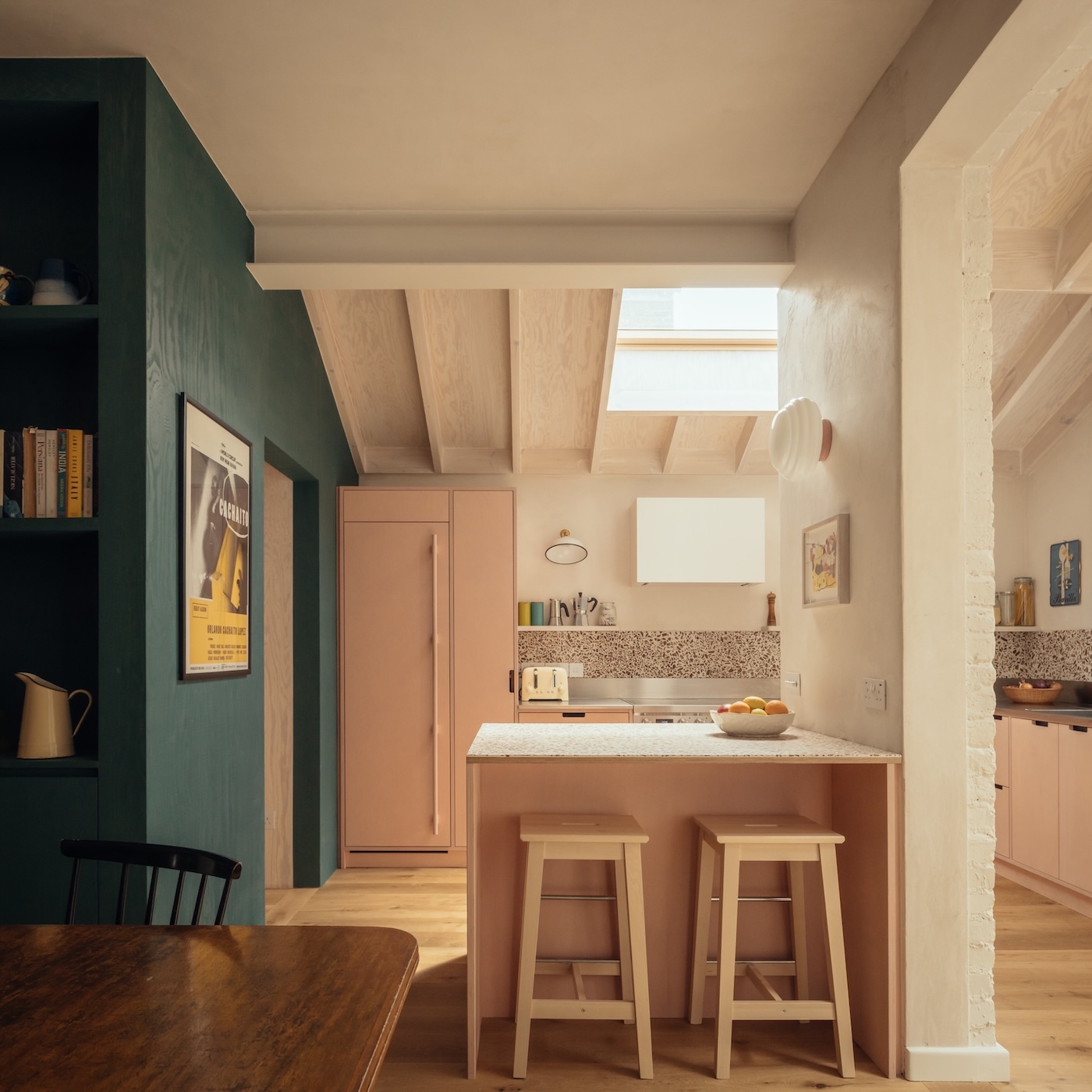

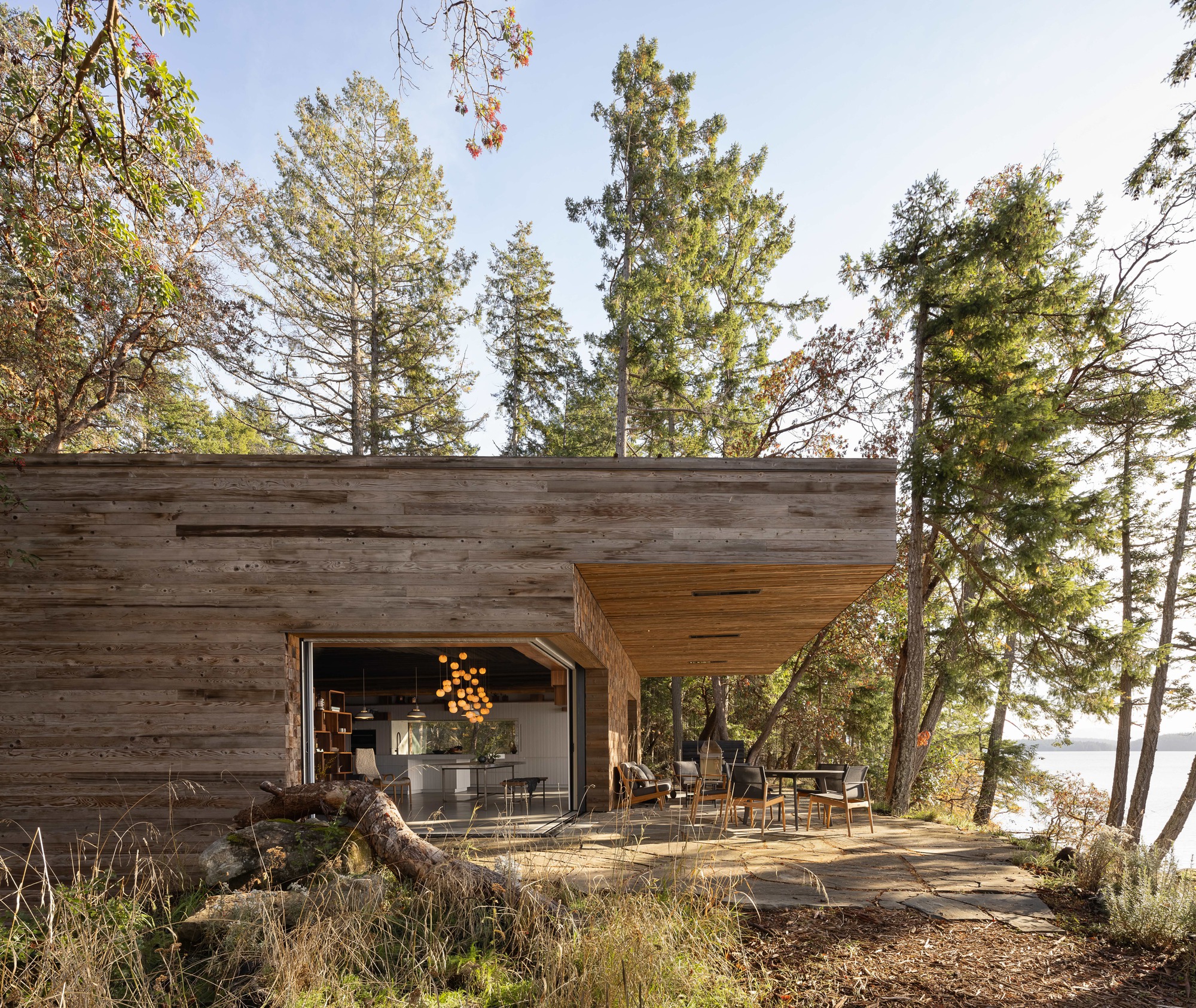
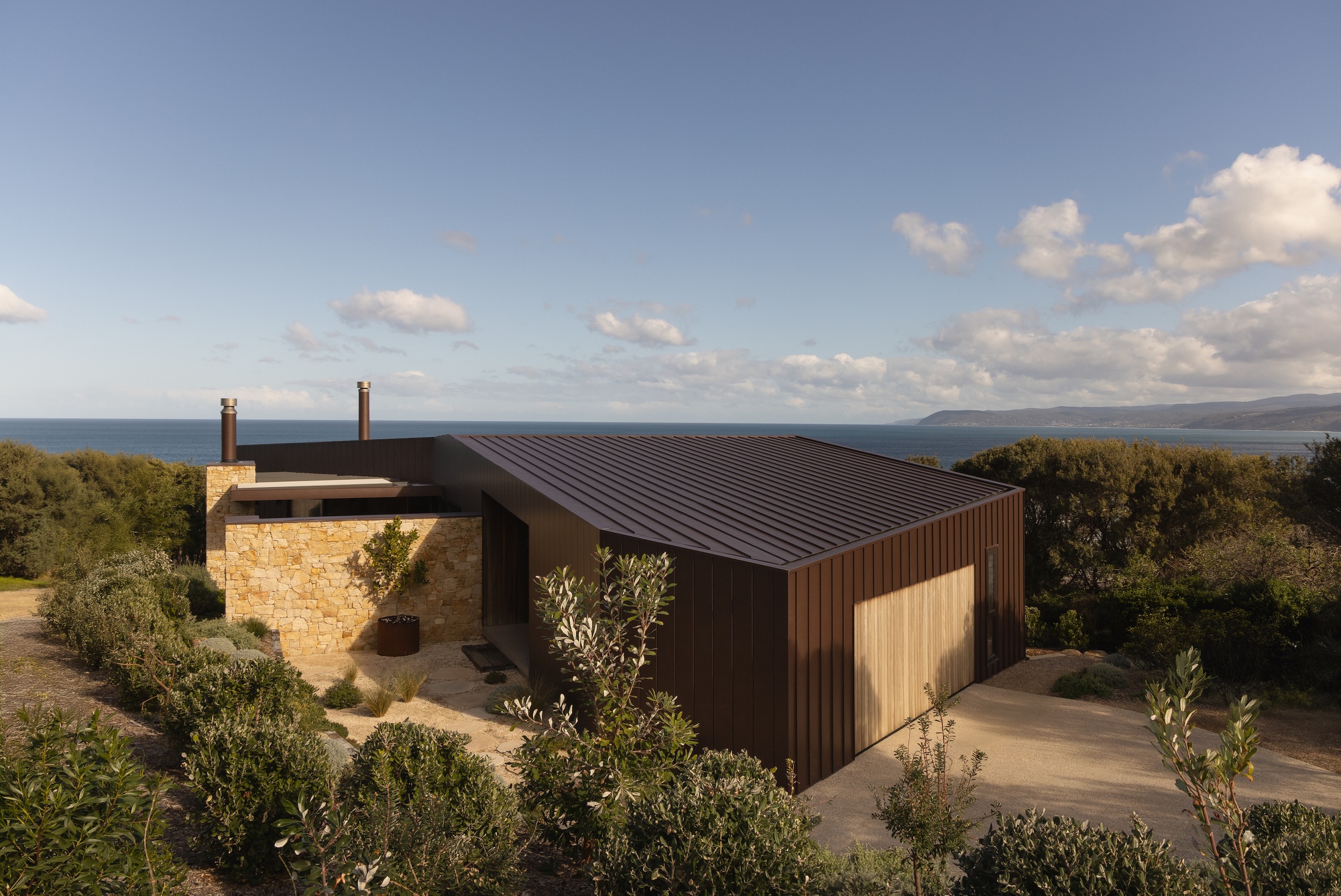
fromYanko Design - Modern Industrial Design News
1 week agoThe Award-Winning Playground Built to Never Be Replaced - Yanko Design
The collection, created for Polish manufacturer Nolmo, recently took home a win at the European Product Design Award 2025, earning recognition in the Outdoor category.
Design
Miscellaneous
fromArchDaily
1 month ago7 Unbuilt Masterplans Reimagining Urban Futures Through Ecology and Collective Space
Unbuilt urban masterplans explore adaptive spatial frameworks that recalibrate mobility, ecology, and collective life through climate-responsive design and public space integration across diverse global contexts.
fromdesignboom | architecture & design magazine
2 weeks ago400-foot installation turns climate pledge arena into a living environmental interface
Inside Climate Pledge Arena, a large-scale media installation titled Turn the Tide transforms two interior walls into an architectural interface combining environmental imagery, and . Designed by Digital Kitchen within the arena by , the installation spans nearly 400 feet across the building's east and west walls. The intervention is integrated into the spatial environment of the arena, which is recognized as the world's first net-zero carbon certified arena.
Renovation
Renovation
fromDesign Milk
3 weeks agoA North Vancouver Residence and Pool House Connected by Landscape
Two combined North Vancouver lots create a unified landscape where a main residence, pool house, and greenhouse function as integrated moments within continuous terrain rather than separate structures.
Environment
fromTravel + Leisure
2 months agoThis Coastal City Was Just Named the 'Greenest' in the World-and It's an Eco-friendly Dream for Nature-loving Travelers
Vancouver ranks as the world's most eco-friendly city due to abundant green space, high renewable energy use, clean air, efficient public transportation, and strong bikeability.
fromwww.archdaily.com
3 weeks agoRehabilitation of Casa P. Colina / DARP - De Arquitectura y Paisaje
The rehabilitation project of Casa P. Colina is based on a regenerative view of architecture, understood as a process of transformation that reconciles the natural, the built, and the existing. Rather than replacing, the intervention rewrites the house from its own material, integrating structures, materials, and memories as active components of the new spatial system.
Renovation
fromwww.cbc.ca
2 months agoSupreme Court to hear coalition's challenge to Ontario Place redevelopment | CBC News
The Supreme Court of Canada will hear an appeal from a coalition challenging the constitutionality of legislation that opens the door to major changes at Ontario Place. The urban park on the Toronto waterfront, opened in 1971, included a theatre that showed movies on a huge screen, children's play areas and several pavilions suspended above the water. The Ontario government plans to redevelop Ontario Place to include an elaborate spa operated by a private company.
Canada news
fromwww.archdaily.com
1 month agoValckensteyn - Timber Residential Building / Powerhouse Company
Valckensteyn, the first mass timber residential building in Rotterdam, has been officially delivered. Designed by Powerhouse Company and commissioned by housing corporation Woonstad Rotterdam, the project merges innovative timber construction with a strong social mission: providing 82 affordable rental homes in an iconic post-war district.
Renovation
fromwww.archdaily.com
1 month agoWaterfrom Design's Office / Waterfront Design
Studio Millspace Text description provided by the architects. Throughout eight months of design and on-site work, we realized that what truly matters is not the completeness of drawings, but the intuition shaped by being present. Around 70% of the layout was defined early on, while the remaining 30% was deliberately left without a set functionallowing light, behaviors, and moods to participate in forming the space.
Design
fromwww.archdaily.com
1 month agoSentier Offices / COVE Architectes + CALQ Architecture
Maxime Verret + 25 Office Lead Architects: Arthur Boustouller (CALQ Architecture), Axel Cornu, Gabriel Verret (COVE Architectes) Design Team: COVE Architectes, CALQ Architecture Architecture Offices: CALQ Architecture Interior Design: Ramy Fischler Studio Engineering & Consulting > Other: Mazet & Associes, Ceef BET Engineering & Consulting > Structural: Egitura Engineering & Consulting > Electrical: Pollen Engineering & Consulting > Environmental Sustainability: Citae
Renovation
fromDesign Milk
2 months agoResidence Designed to Weather Along British Columbia Coastline
Seven years of development allowed Openspace Architecture and landscape designer Paul Sangha Creative to thread a 10,000-square-foot single-story home through mature forest without sacrificing the canopy that defines the site's character - a constraint that ultimately generated the building's gently curving plan and its sequence of connected spaces opening to Saanich Inlet views. The design draws from mid-century West Coast Modernism's timber traditions while incorporating Japanese structural principles that extend beyond aesthetic reference.
Design
[ Load more ]