#dexter-dalwood
#dexter-dalwood
[ follow ]
#contemporary-art #surrealism #photography #art-exhibition #sculpture #salvador-dali #salvador-daliacute #art

fromHi-Fructose Magazine - The New Contemporary Art Magazine
2 days agoKyle Cobban Draws From The Unknown - Hi-Fructose Magazine
"It's an amalgamation of the Chicago neighborhood aesthetic with a Bulls fan, quite literally. It's kind of on the nose, but that's how I juxtapose the elements of my work, with the structure of a home and then a figure who is around or in the home."
Chicago Bulls
London music
fromwww.theguardian.com
2 days agoCurated chaos': Danny Boyle on the pop culture spectacular' he's bringing to London's Southbank Centre
Danny Boyle's 'You Are Here' celebrates 75 years of youth culture with a one-day immersive event featuring 1,000 performers at London's Southbank Centre.
Arts
fromThe Art Newspaper - International art news and events
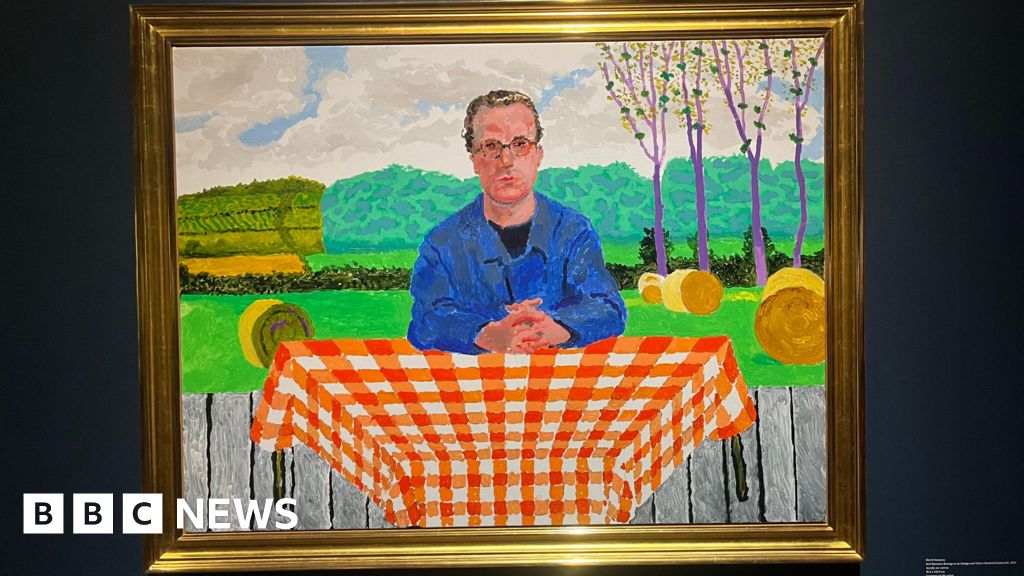
2 days agoGagosian chooses Paris location to present three important late paintings by Francis Bacon
Three late paintings by Francis Bacon will be exhibited in Paris, showcasing his significant connection to the city and his artistic evolution.



London
fromTime Out London
2 weeks agoThe world's biggest gallery for illustrations will open in London in May - and it's just revealed its first exhibitions
The Quentin Blake Centre for Illustration opens in May 2024 as the world's largest illustration gallery, featuring debut exhibitions on Blake's theatrical influences, LGBTQ+ comics history, and emerging artist Murugiah.
fromItsnicethat
3 weeks agoDiogo Potes' paintings take poetic licence to a whole new level
When I'm painting, I try not to look at too many things so I don't become overly influenced. But we can't really escape ourselves. There are imaginations from other people that I love. Diogo's work is a colourful combo of Alejandro Jodorowsky's strange filmic palettes, Japanese sci-fi and vintage posters.
Graphic design
Arts
fromIrish Independent
4 days ago'You have to step in and experience it' - artists on the rise of AI-generated art and the 'essential' gallery visit
Miriam Fitzgerald Juskova's exhibit combines paper quilling with mathematics, showcasing intricate art that engages viewers and emphasizes the value of handmade creations.
fromianVisits
3 weeks agoThat dressing gown? It's wood. Inside London's strangest materials exhibition
This is just one item in a display that looks at how wood can be turned into all sorts of things that don't look or feel like wood at all. It's all because wood is a renewable resource and could be a viable replacement for plastics and other oil-based materials.
London
Miscellaneous
fromenglish.elpais.com
1 month agoLAM, the museum that displays a portrait made with sausages and a sculpture of moldy grapes
The Lisser Art Museum in Lisse, Netherlands houses the world's largest collection of art related to food, drink, and consumption, featuring multidimensional works that explore everyday culinary themes in extraordinary ways.
fromwww.kaltblut-magazine.com
1 month agoUnveiling Nostalgia: Dominic Albano's Edgy Polaroid Series
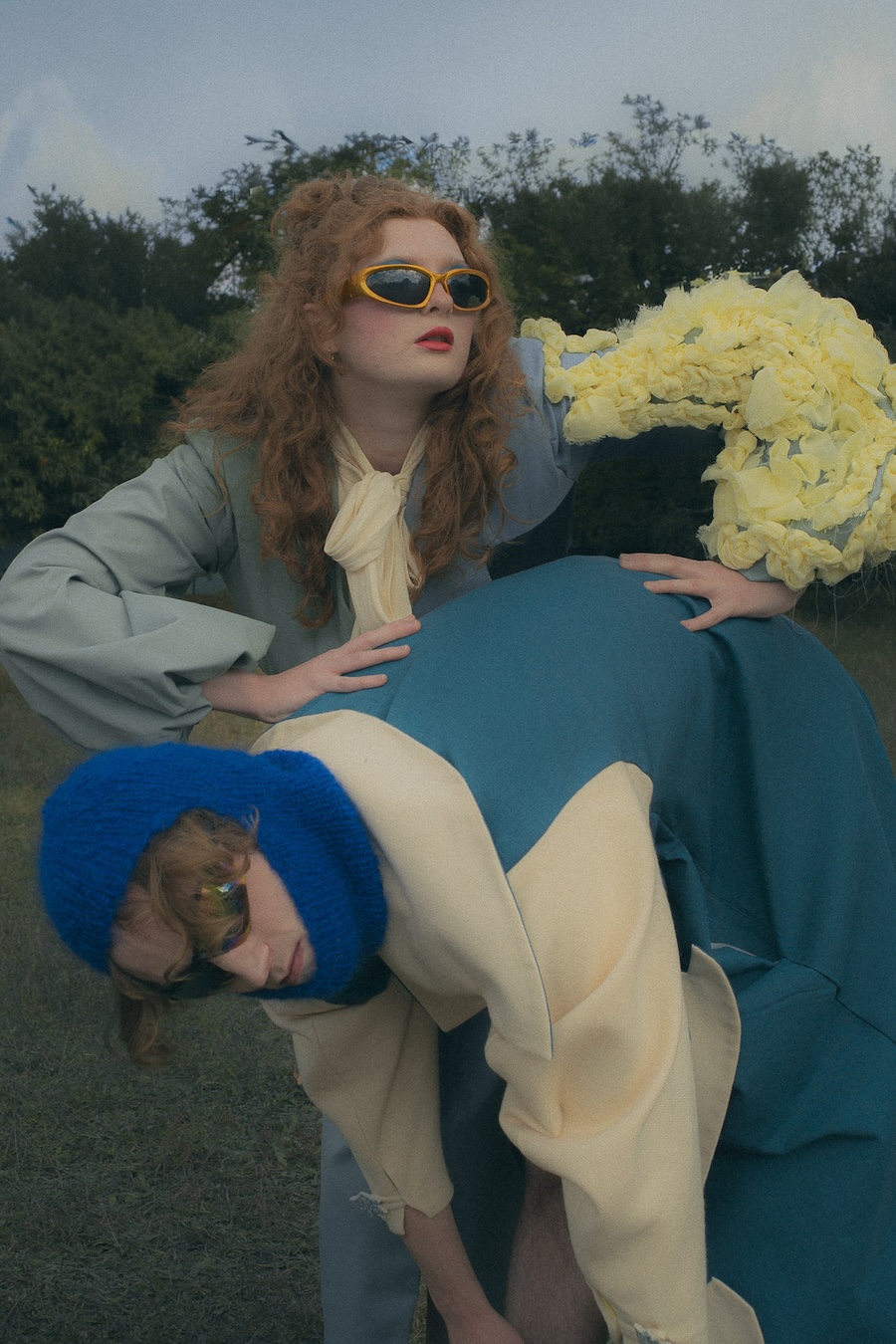
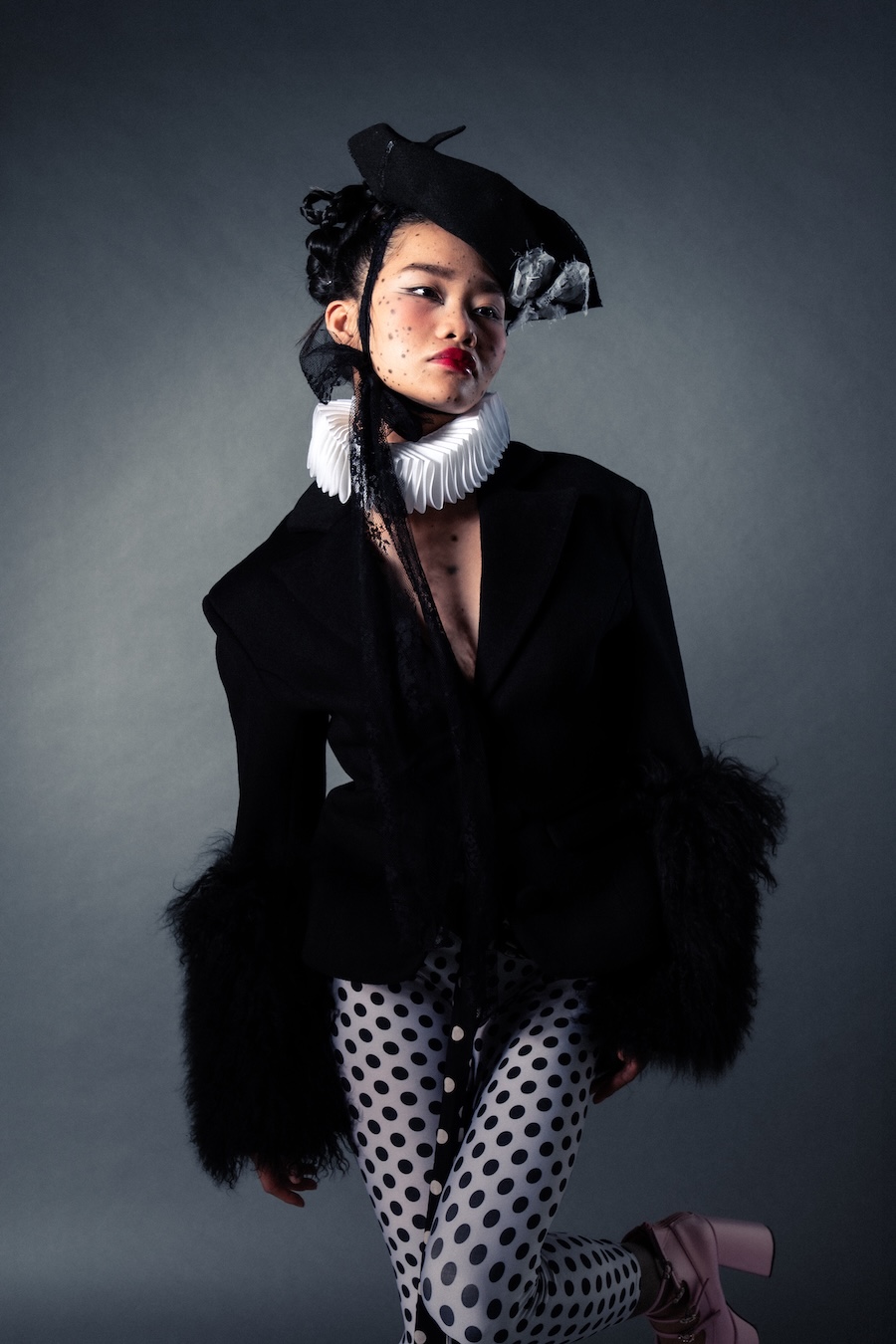
My approach to fashion isn't rooted in traditional design; it begins with imagery. He envisions clothing not merely as fabric but as an integral element of storytelling within striking visuals. Queer photographers from another era ignite my creativity far more than the mere act of making garments.
Photography
Miscellaneous
fromJuxtapoz
1 month agoJuxtapoz Magazine - No Longer, Not Yet-Paintings on Paper: Jonathan Wateridge @ GRIMM, Amsterdam
Jonathan Wateridge's paintings on paper capture erased moments and lost states from his larger canvas work, staging uncanny midcentury Los Angeles scenes with psychological tension and ambiguous narrative.
Arts
fromThe Art Newspaper - International art news and events
2 weeks agoGullah artist Sam Doyle's narrative portraits stand out Outsider Art Fair in New York
Sam Doyle's paintings at the Outsider Art Fair showcase his unique cultural narratives and artistic style, reflecting Gullah heritage and significant historical figures.
#surrealism
Arts
fromThe Art Newspaper - International art news and events
2 weeks agoDali painting that inspired Schiaparelli dress to be shown in UK for first time
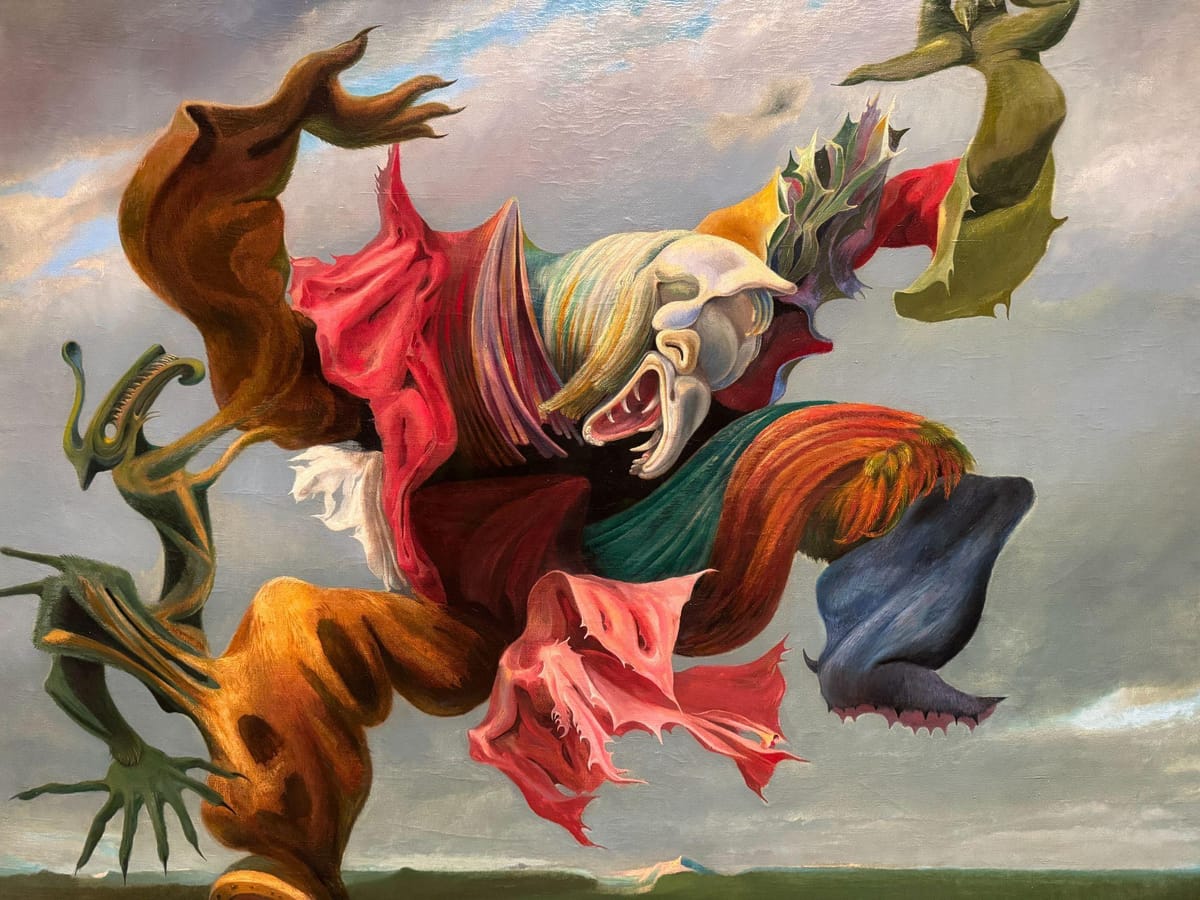
Salvador Dalí's Necrophiliac Spring (1936), previously unseen in the UK, debuts at the V&A's Schiaparelli exhibition, having inspired her iconic Tears Dress (1938).


Arts
fromThe Art Newspaper - International art news and events
2 weeks agoDali painting that inspired Schiaparelli dress to be shown in UK for first time
Salvador Dalí's Necrophiliac Spring (1936), previously unseen in the UK, debuts at the V&A's Schiaparelli exhibition, having inspired her iconic Tears Dress (1938).
Psychology
fromThe Art Newspaper - International art news and events
1 month agoAt London's Freud Museum, the artist Cathie Pilkington has made a ghostly intervention
The Freud Museum preserves Freud’s original study and collections while commissioning contemporary artists to create provocative responses within the historic rooms.
fromAnOther
2 months agoInside a New Exhibition of David Lynch's Paintings and Photographs
Before he was a filmmaker, David Lynch was a painter and, if you're familiar with his esoteric filmmaking practice - peppered as it is with some of cinema's most indelible imagery - it all makes a lot of sense. A year after the auteur's passing, a newly opened show at Pace Gallery's Berlin space, Die Tankestelle, foregrounds Lynch's career-spanning fine art practice and its inextricable link to his cinematic oeuvre.
Film
fromArtnet News
3 weeks agoArtist Dylan Doe Paints the Bodily 'Glitches' of a Tech-Addled Age
Muscle memory refers to procedural memory, actions taken that do not require conscious thought (like riding a bike) as the motor movement has been embedded in the brain through repetition. Contextual mistakes in muscle memory—such as someone attempting to zoom in while drawing on paper versus a tablet computer or double-tapping a photograph instead of a social media feed—prove a potent starting point for Doe's latest body of work.
Arts
Design
fromItsnicethat
2 months agoSavoury shoes and chess made of cheese: Saskia Martindale reimagines everyday snacks for otherworldly props and sets
Saskia Martindale transforms everyday food into playful large-scale props and sets, using materials, scale and context to create humorous, inventive commercial work.
Graphic design
fromBerlin Art Link
2 months agoReview Jaune Quick-to-See Smith at Fruitmarket | Berlin Art Link
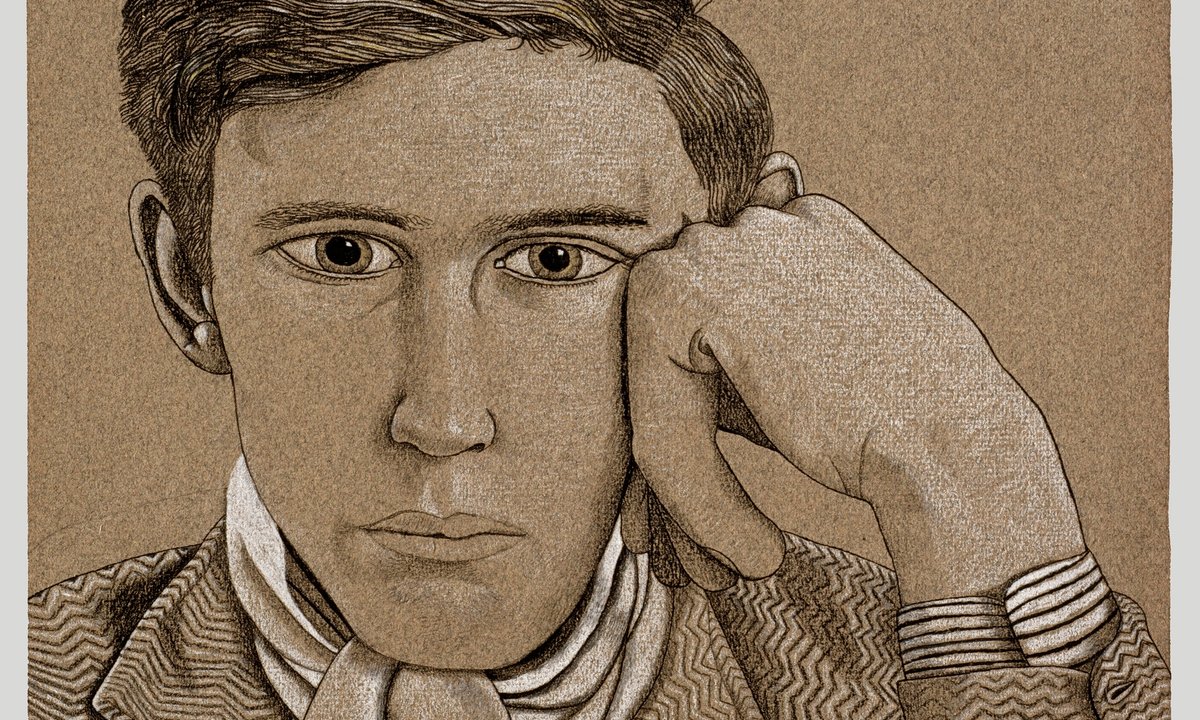
Jaune Quick-to-See Smith advanced Indigenous rights and environmental justice through four decades of art, activism, curation, and teaching, blending language, collage, and Indigenous knowledge.

fromwww.kaltblut-magazine.com
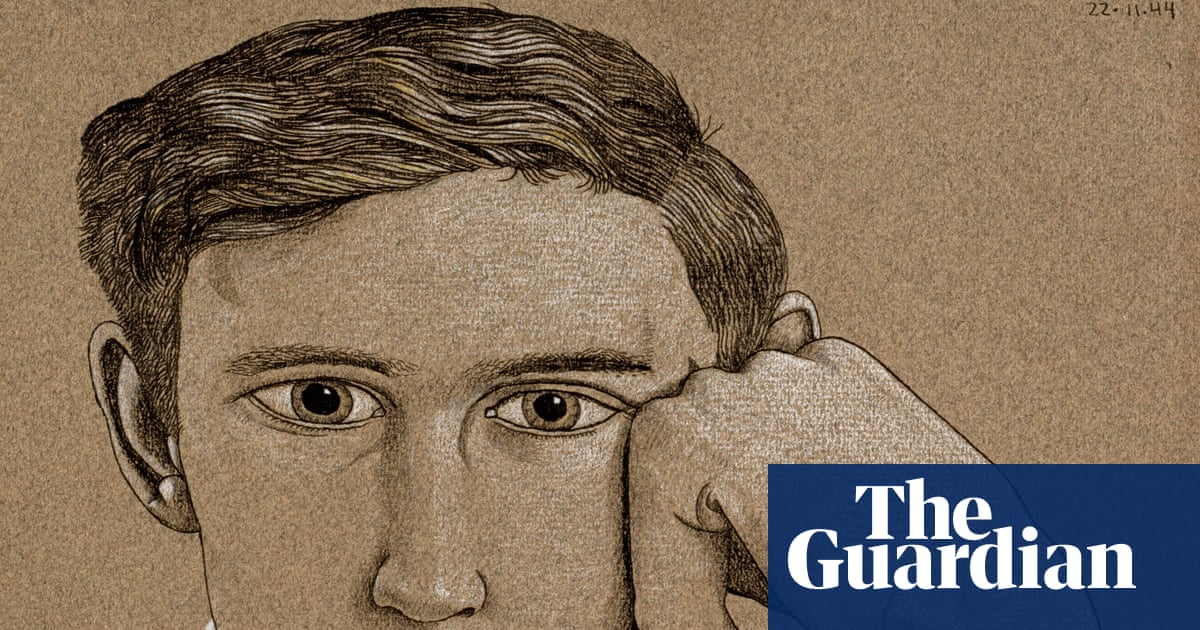
1 month agoUnion of Opposites
Originally from Dallas and now based in New York City, I approach photography as an exercise in atmosphere, trust, and control. Trained in the discipline of film and later in fashion photography, I work with both natural and artificial light to construct images that feel cinematic and psychologically charged. Moving fluidly between studio and location, I transform spaces into environments that heighten mood and presence.
Fashion & style
fromThe Art Newspaper - International art news and events
1 month agoThe stories we tell ourselves: Sophie Calle at the Orange County Museum of Art
We tell ourselves stories in order to live. For more than 50 years, the French artist Sophie Calle has worked in the space between facts and their retelling, demonstrating how the narratives we share about ourselves are always partial, constructed. Working across photography, text, film and installation, she reveals how fantasy and projection intervene in our best attempts to see and be seen.
Arts
fromFuncheap
1 month agoSeema Kohli: Samsara & Metamorphosis - The Mystical World of Seema Kohli
Kohli's work is inspired by the generative forces of nature-its cycles of growth, dissolution, and renewal. Central to the artist's visual language is Shakti, the transformative power of the divine feminine. Kohli uses the womb as a potent symbol of creation and possibility, exploring transformation within the eternal cycles of birth and death.
Arts
Arts
fromHi-Fructose Magazine - The New Contemporary Art Magazine
1 month agoBlack & White, Ceramic, And Totally Personal: The sculptures of Katherine Morling - Hi-Fructose Magazine
Morling's ceramic works transform personal autobiography into universal themes, using metaphor and intimate objects to explore communication, home, stability, and creative process.
Arts
fromwww.theguardian.com
1 month agoIt's about hurling yourself into the unknown': Charmaine Watkiss on turning a UK museum upside down
Charmaine Watkiss connects Caribbean, African and UK botanical knowledge and diaspora histories through portraits and sculpture emphasizing medicinal plants and ancestral herbal traditions.
fromColossal
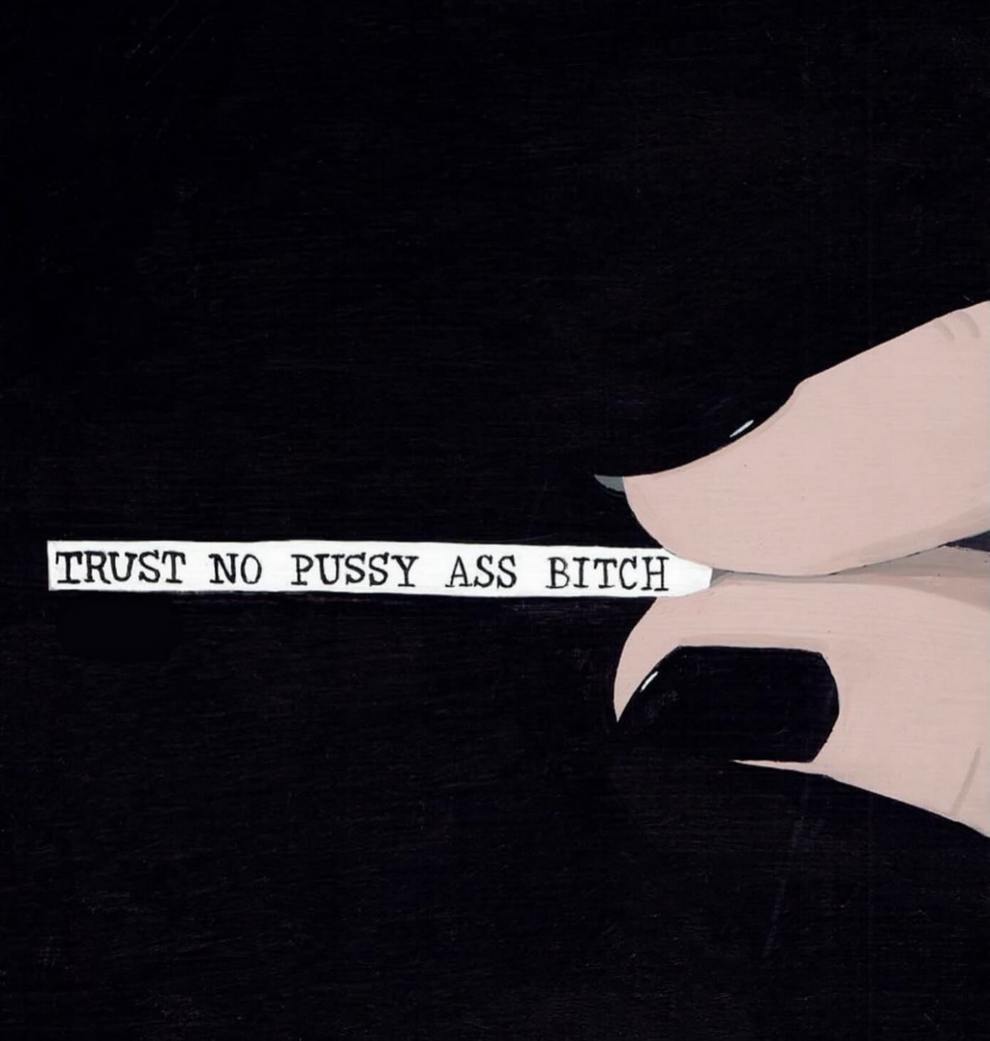
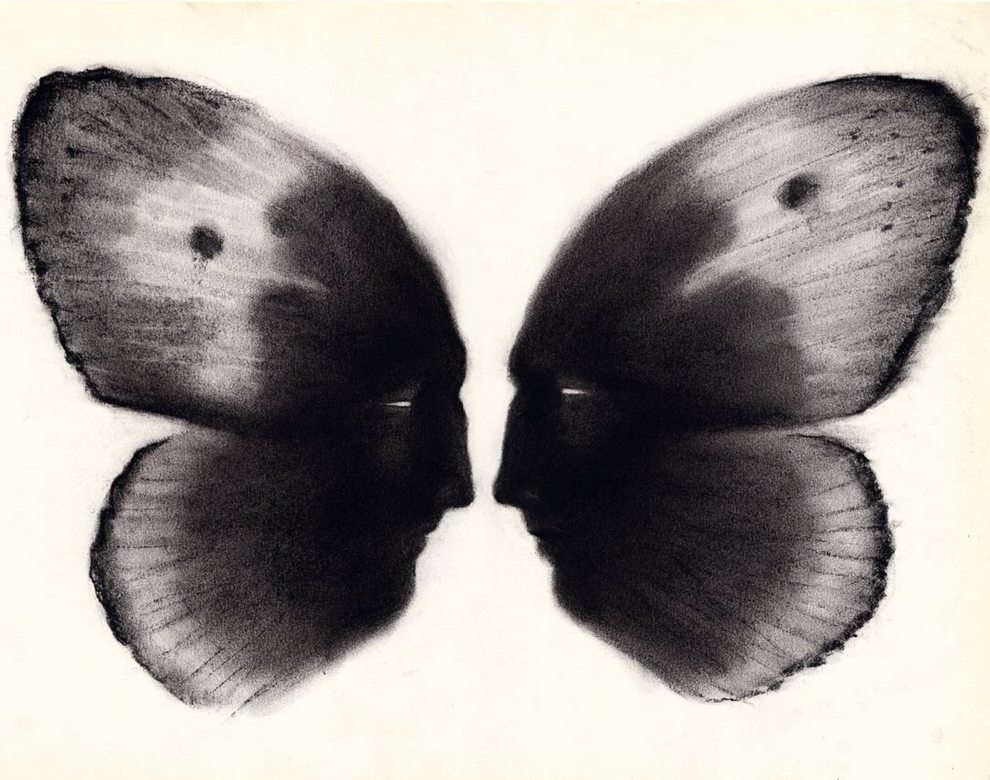
2 months agoDrawn to Synbols, Michael McGrath Conjures Uncanny Narratives
Disembodied heads, eyes, and hands meet spindly trees, dragonflies, and vibrant blossoms in the folk-art inspired works of Michael McGrath. Based in Rhinebeck, New York, McGrath melds a variety of media-most pieces contain a mixture of graphite, ink, and oil and acrylic paints-into dynamic compositions suffuse with mystery. Recurring symbols and objects lend themself to a distinctive visual language that captures both the wondrous and puzzling.
Arts
fromArtforum
2 months agoPunk and Rococo at Condo London 2026
CONDO WEEKEND BEGAN in the same way that all good British rom-coms, or Martin Amis novels, do: walking against the wind, en route to an oversize redbrick Victorian house in Earls Court, a spot that my press invitation had unabashedly advertised as being located in Notting Hill, but is an easy two tube stops away. This was the "standing" dinner to celebrate Arash Nassiri's "A Bug's Life," newly open at Chisenhale Gallery, in a renowned collector's home.
Arts
fromAnOther
1 month agoGeorg Wilson's Uncanny British Landscapes
Like half-remembered dreams, her curious pastoral visions displace familiarity in search of wilder fantasies, where humans are nowhere to be found. Against Nature, the London-based artist's second solo show at Pilar Corrias, establishes Wilson at the helm of a flourishing artistic engagement with the para-pastoral in contemporary painting. Hers is an altogether strange, uncanny variant of the British countryside that resists the canonical entrapments of a bucolic idyll.
Arts
Arts
fromHi-Fructose Magazine - The New Contemporary Art Magazine
1 month agoIn Plain Site: Isaac Cordal Creates Tiny Worlds Which Mirror Our own - Hi-Fructose Magazine
Small sculpted businessmen embody social complacency and systemic contradictions, showing technological obsession, environmental neglect, and coerced conformity amid crisis.
fromThe New Yorker
2 months agoPeter Doig's Histories of Ink
One recent weekday morning, the British painter Peter Doig arrived at a bonded warehouse-a cavernous brick building-about a mile south of the River Thames, but not subject to the import taxes of the United Kingdom. He buzzed through security and entered a windowless white room, where he settled in for a long day. Awaiting him were a series of etching prints that had been brought over from the United States to be signed by Doig before being put up for sale.
Arts
Arts
fromThe Art Newspaper - International art news and events
2 months agoFebruary Book Bag: from Tracey Emin's conversations about painting to a catalogue of Lucian Freud's drawings
Tracey Emin confronts illness, vulnerability and influential artworks while Beatriz González's six-decade practice reimagines power, grief and memory through provocative visual interventions.
fromThe Art Newspaper - International art news and events
2 months agoA brush with... curator James Lingwood
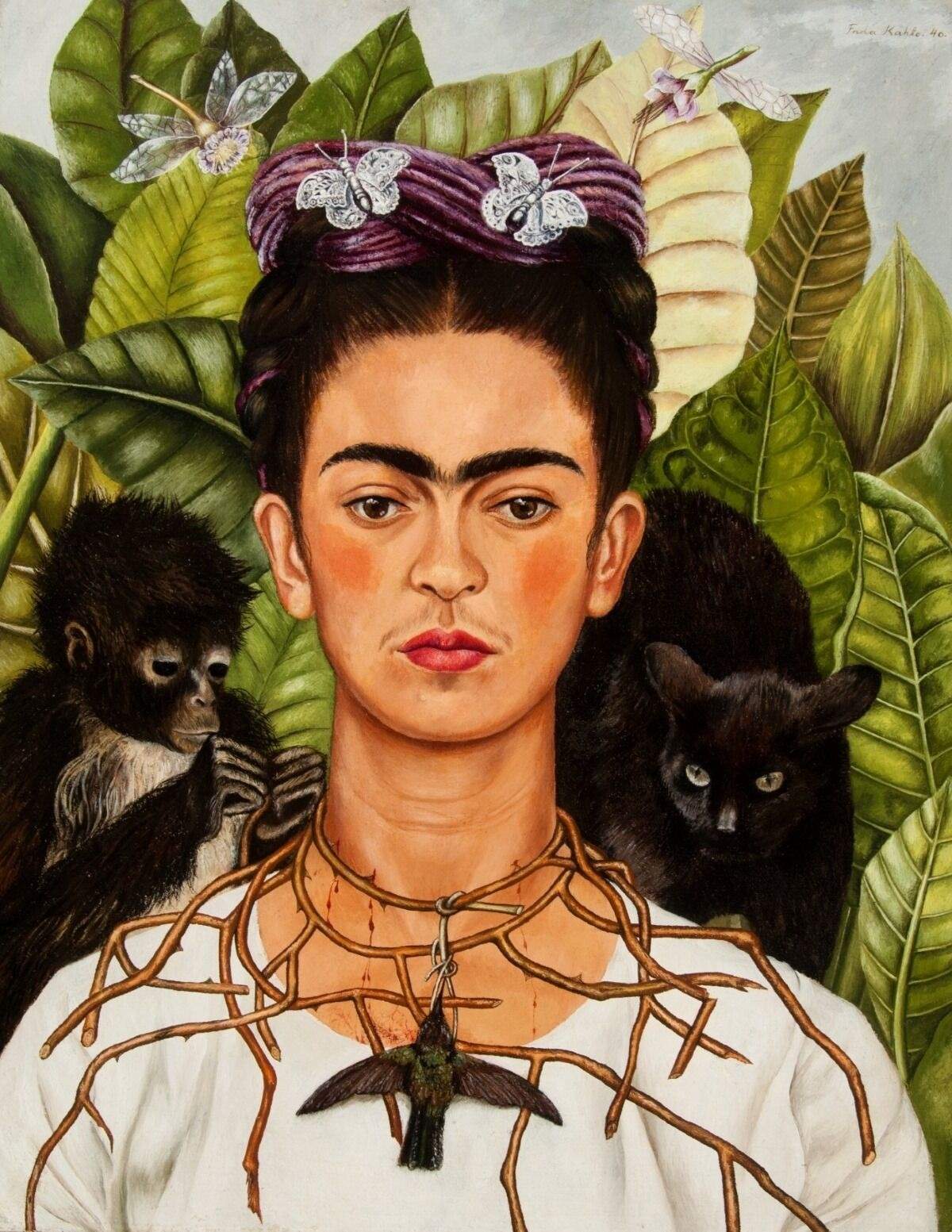
One of Vija Celmins's wonderful Night Sky works. Maybe one of her charcoal drawings of the cosmos, with a comet flaring across the surface. She conjures up such immensity, and such intimacy, with countless tiny points of light shining out of the darkness. Which cultural experience changed the way you see the world? In a word, Paris. After I left school, I spent several weeks working in Paris and discovered the pleasures of looking, on my own, for myself.
Arts
fromColossal
2 months agoDerrick Guild Summons Historical Portraits in Fragmented Trompe-l'il Paintings
For Derrick Guild, portraits of the likes of the Infanta and the Spanish royal family, such as Velázquez's seminal" Las Meninas," provide the starting point for a painting practice that examines social status, mores, and expectations. Through 17th- and 18th-century portraits, Guild examines art as a vehicle for social and diplomatic relations, considering how painting was used to impart very specific messages and emphasize prestige.
Arts
fromBerlin Art Link
2 months agoReview of David Horvitz at ChertLudde | Berlin Art Link
In ChertLüdde, evocations abound: the show is a transcription of California (I've never been, but I imagine it to be sun drenched and a bit dehydrated), which is transposed onto the grid of the gallery in Schöneberg. Shells, dried stalks, bits of pottery, sea urchins, art left behind by visitors, are arranged on a stage (a duplication of the one found in Horvitz's garden in Los Angeles),
Arts
Arts
fromdesignyoutrust.com
2 months agoArtist Paints Smoky Lounges And Quiet Strangers, Letting Halffinished Details Turn Viewers Into Coauthors Of The Scene
A wide-ranging visual roundup showcases creative reinterpretations, vintage design, activist art, photography, illustration, and humorous cultural works spanning contemporary and historical styles.
[ Load more ]