Film
fromPsychology Today
1 week agoLessons for Modern Living From Henry David Thoreau
Thoreau's philosophy encourages stepping back from chaos to live simply and thoughtfully, offering timeless advice for today's digital distractions.
More than half of professionals check work email outside regular working hours, according to a recent study published by ZeroBounce, surveying 1,157 professionals in the United States and Europe last month. Nearly 3 in 4 professionals feel pressure to respond to emails off the clock, with that pressure intensifying among top earners.
Research has linked reading for pleasure in childhood to a host of positive educational and socioeconomic outcomes. But now 14 years after the Department for Education, in a more innocent time, commissioned a chunky report on the matter—reading books for pleasure is an activity in crisis. The culprit usually blamed for this falling-off is the smartphone and its many short-term distractions; the mere presence of a smartphone in the room, recent research suggests, has an impact on our ability to concentrate.
Turning on a yoga practice on YouTube was my method of choice for slowing down. I quickly scrolled through the overwhelming number of options for "slow" and "gentle" yoga practices, a task which was almost enough to dissuade me from taking a break. "I can rest later," I thought. But I knew better. Later usually turns into late at night which turns into tomorrow which easily turns into never.
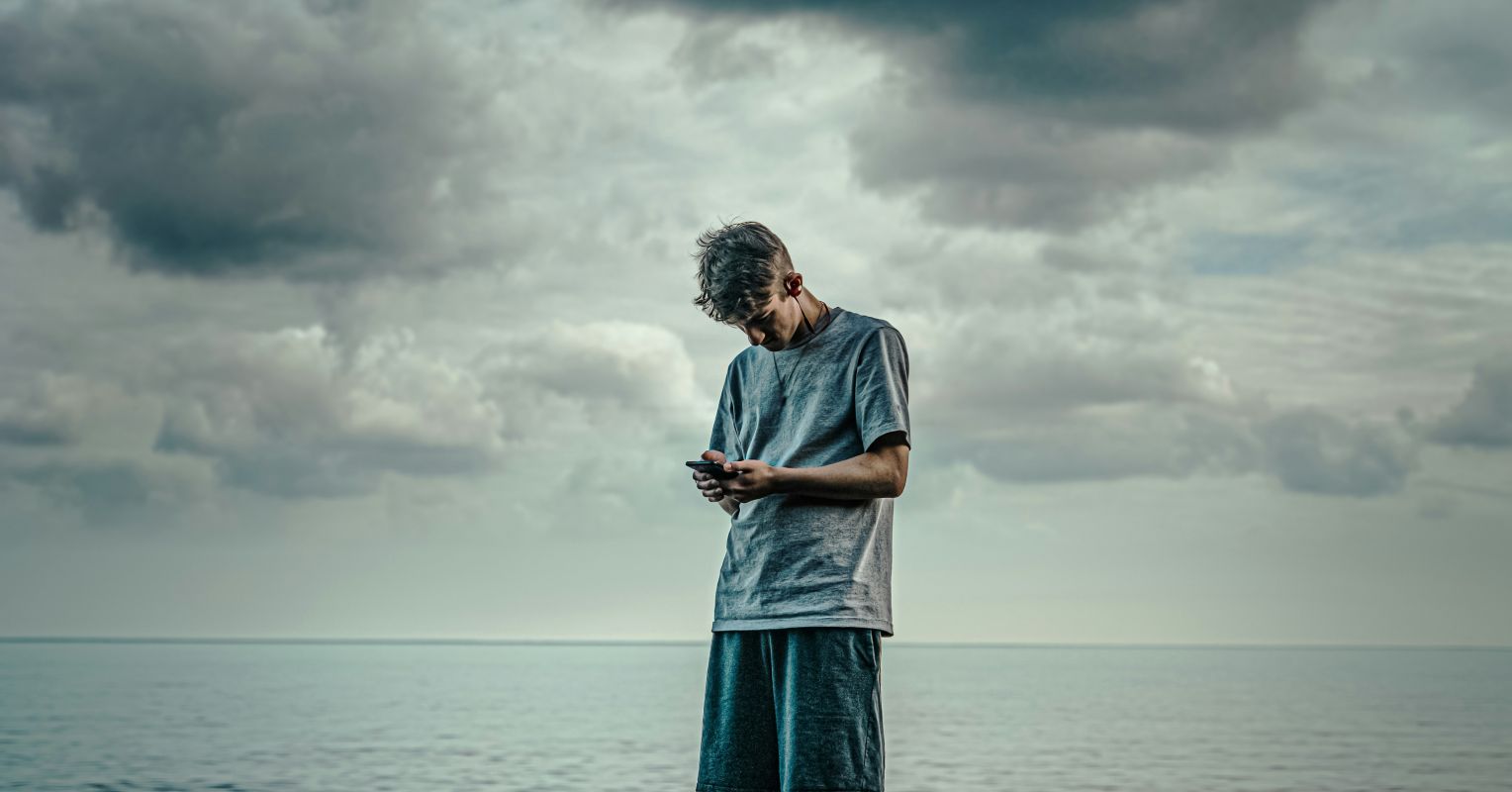
Whenever there's a spare minute, your first instinct is to reach for your phone and scroll. But what if you didn't? Experts confirm the benefits of this new take on old ways to pass time
At a time when school cellphone bans or limits are the law in California public schools and in at least 34 other states - a growing national movement to get distracted students off their devices and focused on learning - Harvard-Westlake has found a way to enforce their restrictions by turning to - what else? - a mobile app that partially locks down phones and flags the front office when students attempt to break the rules.
As teachers and professors reel over how generative AI is ruining education, one expert is suggesting that the true technological menace in the classroom has been staring us in the face for decades: laptops. It would explain, writes psychology professor at San Diego State University Jean M. Twenge in an opinion piece for The New York Times, why standardized test scores for American students have plunged to their lowest point in twenty years in 2023 and 2024.
So, let's return to classic literature and take a look at a 19th-century idea that feels remarkably relevant today. It's the danger of too much thought. Many writers have understood the power and peril of thought (and consciousness) long before algorithms began to mimic it. They felt, unlike the LLMs, that the very thing that makes us intelligent can also make us suffer.
I've also been reading more. Actual books, that is. And buying way too many. But there is something to looking at those piles stacked around the rooms of my house. All that knowledge and history and art right there at my fingertips. And recently I picked up a magazine, a physical, paper magazine, and have occasionally again started sitting with a newspaper in the mornings. There's something about spreading it out on a table with a nice cup of coffee. Oh, the solitude...