#digital-nomad-visa
#digital-nomad-visa
[ follow ]
#remote-work #digital-nomads #digital-nomad-visas #digital-nomad #cost-of-living #work-life-balance #portugal


#retirement
Retirement
fromFortune
21 hours agoCyprus and Ireland top list of best places to retire-as boomers are forced to 'unretire', the only real solution is to move abroad | Fortune
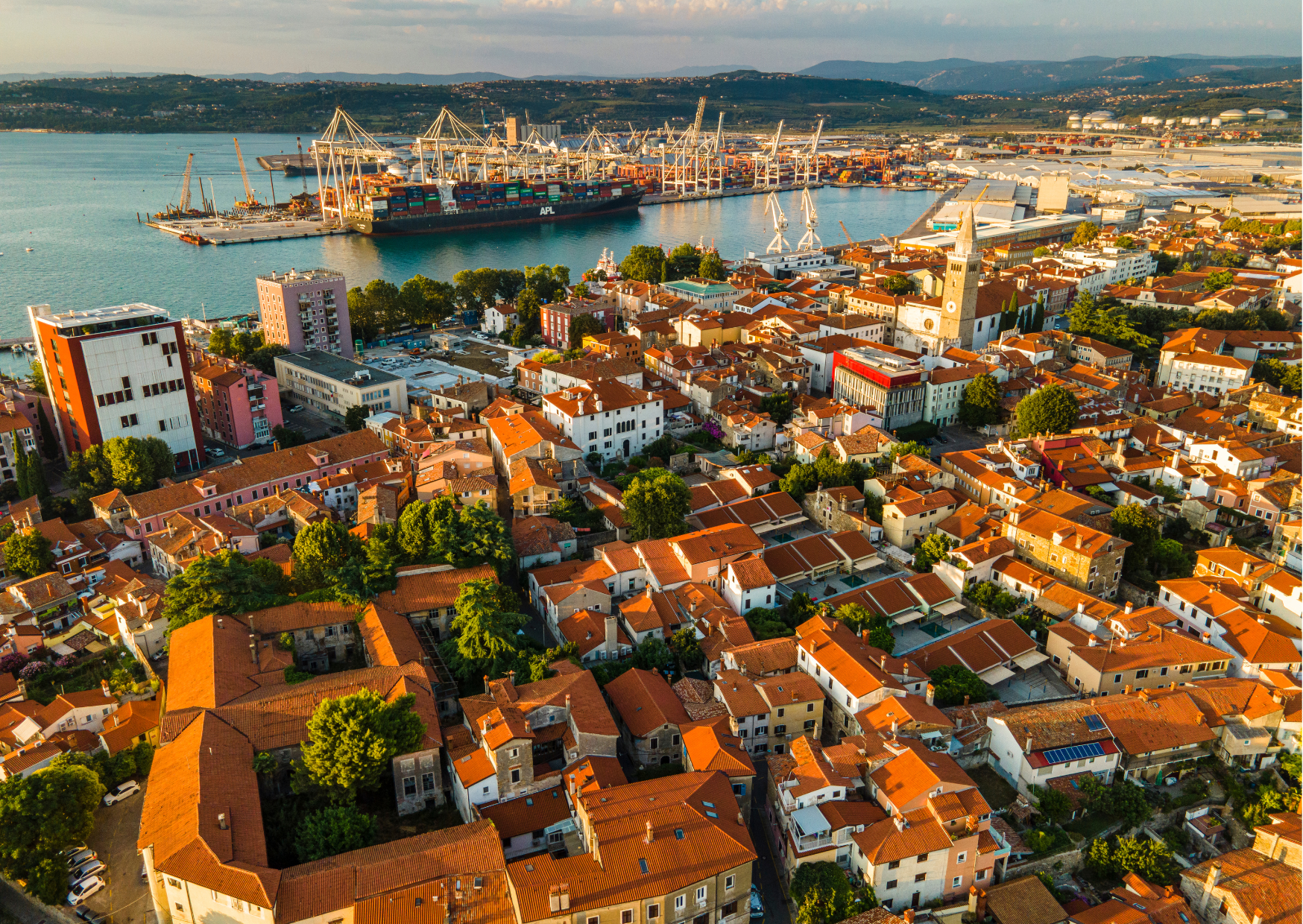
Rising living costs are forcing retirees to reconsider their retirement plans, with Cyprus and Ireland emerging as top destinations for affordable living.

Retirement
fromFortune
21 hours agoCyprus and Ireland top list of best places to retire-as boomers are forced to 'unretire', the only real solution is to move abroad | Fortune
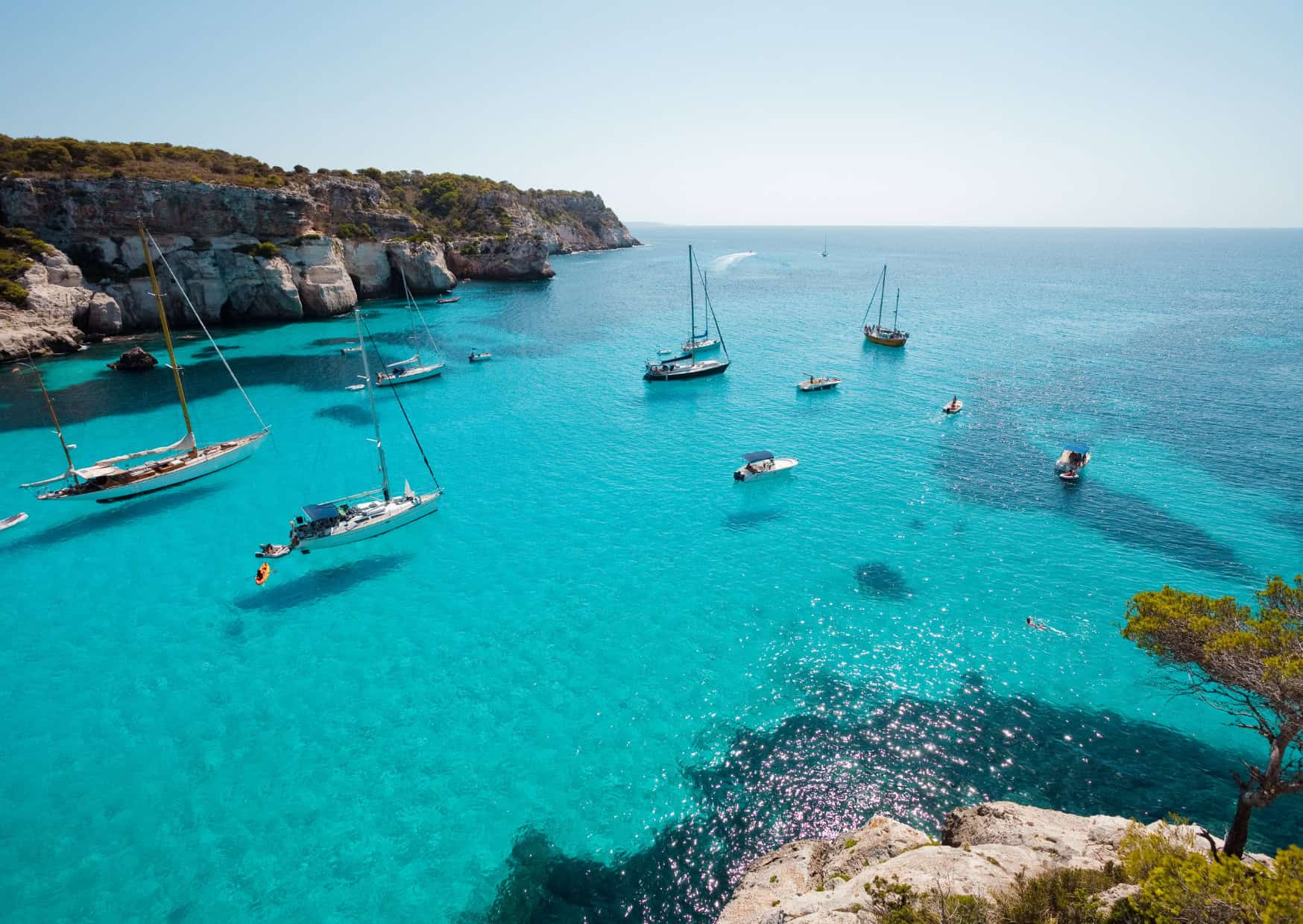
Rising living costs are forcing retirees to reconsider their retirement plans, with Cyprus and Ireland emerging as top destinations for affordable living.


#digital-nomad




UX design
fromYanko Design - Modern Industrial Design News
2 days ago8 Best Desk Gadgets Every Digital Nomad Quietly Keeps in Their Bag & Finally Deserves a Permanent Home - Yanko Design
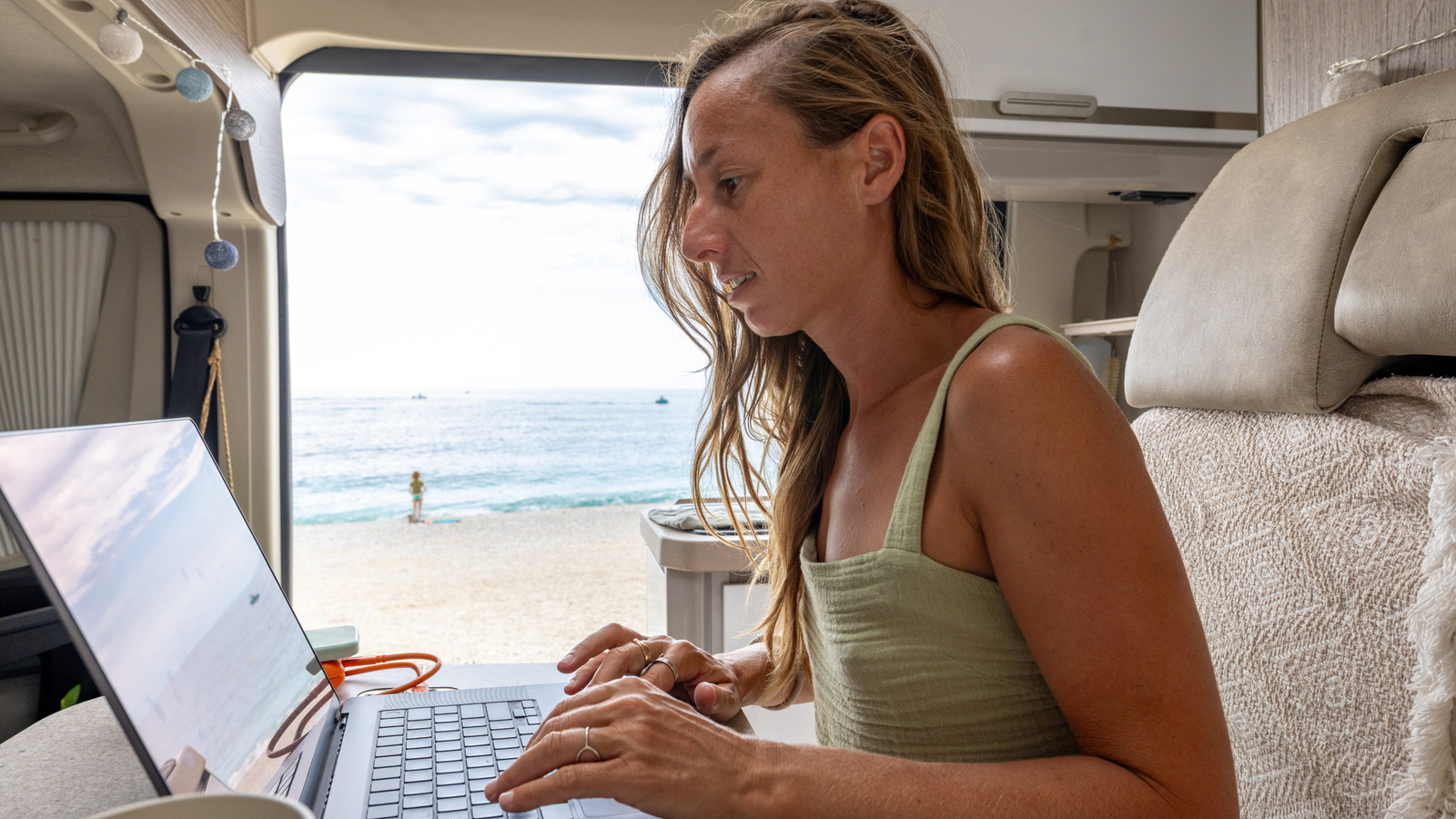
Digital nomads curate essential tools that transition from travel to a permanent workspace, enhancing both functionality and personal connection.



fromTravel + Leisure
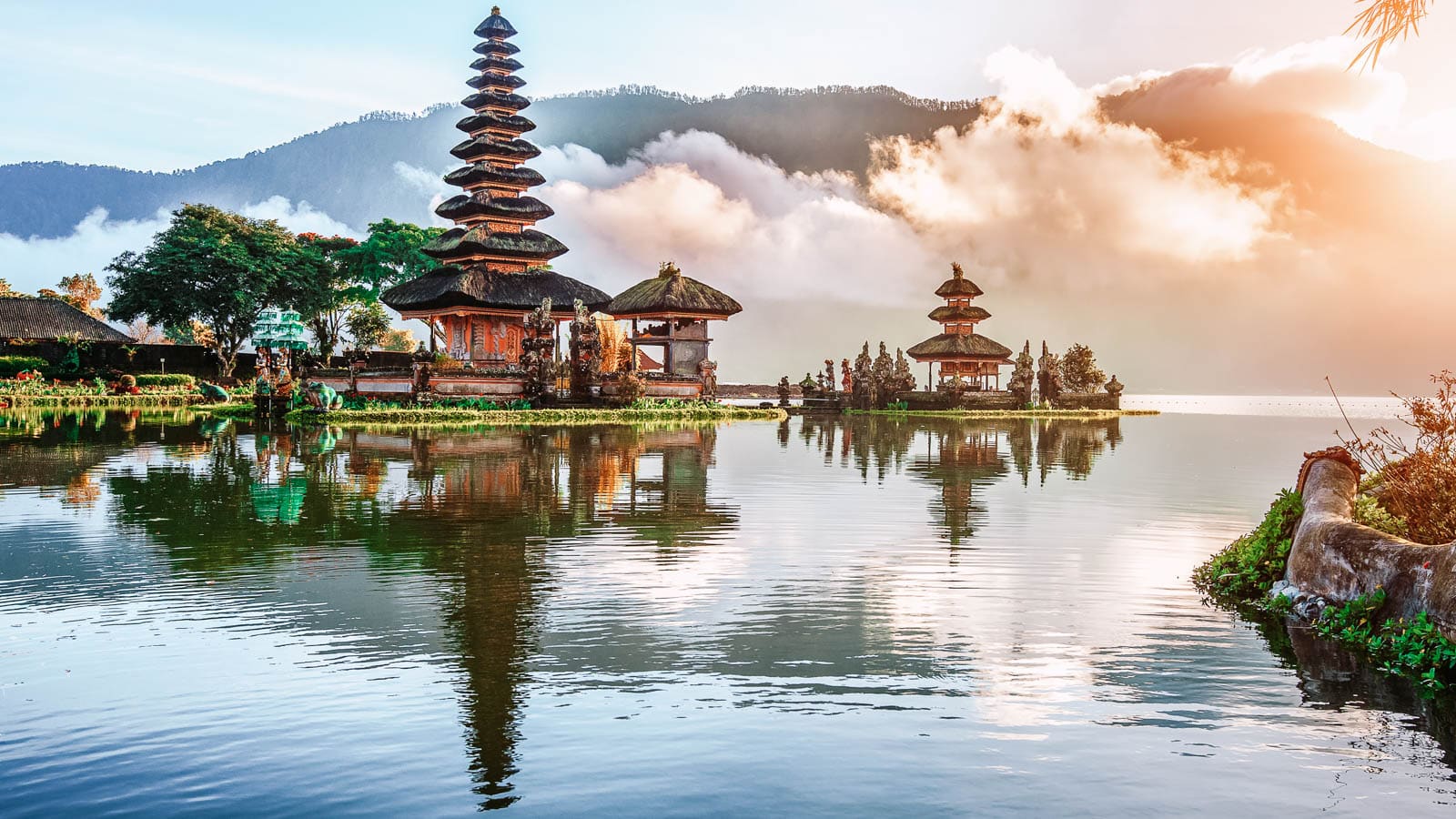
2 days agoThis Is the No. 1 Country in Europe for Expat Visas and Retiree Benefits in 2026-and It Has Golden Visas and Tax Breaks
"One of the biggest surprises was Greece's tax incentive for retirees. The country offers a seven percent flat tax rate on all foreign retirement income, including Social Security, pensions, and IRAs, for up to 15 years."
Retirement



#digital-nomad-lifestyle


Travel
fromAol
3 weeks agoI've Been a Digital Nomad for Over 7 Years-These Are My 5 Favorite Remote Work Destinations
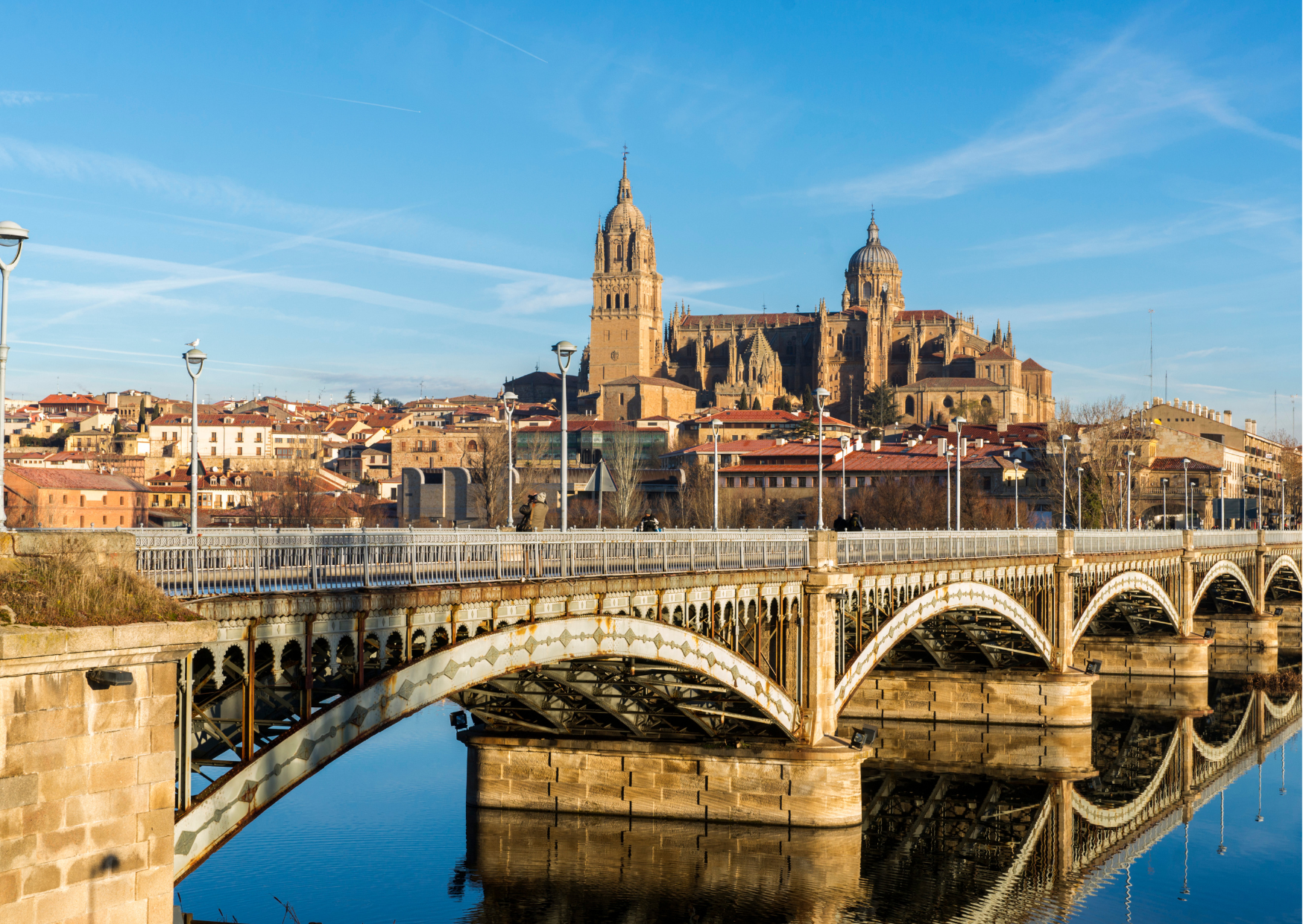
Remote workers can sustain nomadic lifestyles across 30+ countries by prioritizing destinations with digital nomad visas, reliable internet, affordable living costs, and cultural attractions.
Travel
fromAol
3 weeks agoI've Been a Digital Nomad for Over 7 Years-These Are My 5 Favorite Remote Work Destinations
Remote workers can sustain nomadic lifestyles across 30+ countries by prioritizing destinations with digital nomad visas, reliable internet, affordable living costs, and cultural attractions.
fromForbes
3 weeks agoSri Lanka Launches New Digital Nomad Visa
Sri Lanka is renowned for its sandy beaches and impressive wildlife, including elephants and leopards in its national parks. In Lonely Planet's words, the country offers 'endless beaches, timeless ruins, welcoming people, oodles of elephants, rolling surf, cheap prices, fun trains, famous tea and flavorful food.' In addition, there is great diving, temples, and safaris.
Travel
Travel
fromwww.wanderwithjo.com
1 month agoThe Lazy Nomad' Strategy: How to Live in Portugal for 3 Months with Just $1,500
Living in Portugal for three months on $1,500 is achievable through the Lazy Nomad Strategy, which prioritizes slow travel, minimal consumption, and local integration over productivity and luxury.

Miscellaneous
fromGamintraveler
2 months agoWhy 64% Of American Remote Workers Leave Portugal Within 12 Months, The Reality Behind The Instagram Dream
Many American remote workers move to Portugal for lifestyle perks but often leave within a year due to bureaucracy, housing friction, and unmet daily realities.
fromwww.wanderwithjo.com
4 months agoThe Little-Known Visa That Lets You Work Remotely Across Europe
It's the Workcation Visa loophole, a gray zone hidden within Europe's short-stay visa framework. It's not an official document, but a subtle legal workaround that allows remote professionals to live and work in Europe for months without technically working in Europe. It's the kind of thing travel consultants whisper about, expats use quietly, and immigration lawyers don't exactly advertise. Here's how it works and why European governments aren't eager to promote it.
Miscellaneous
fromGamintraveler
2 months ago12 Countries That Will Pay You To Move There In 2026 (Yes, Really!)
The idea of getting paid to move abroad sounds too good to be true, yet it's becoming a reality for many people. Around the world, countries and smaller regions are offering financial incentives to attract new residents. Whether it's to fight population decline, stimulate local economies, or revitalize rural towns, these programs are creating opportunities for adventurous individuals and families in 2026.
Miscellaneous


fromGamintraveler
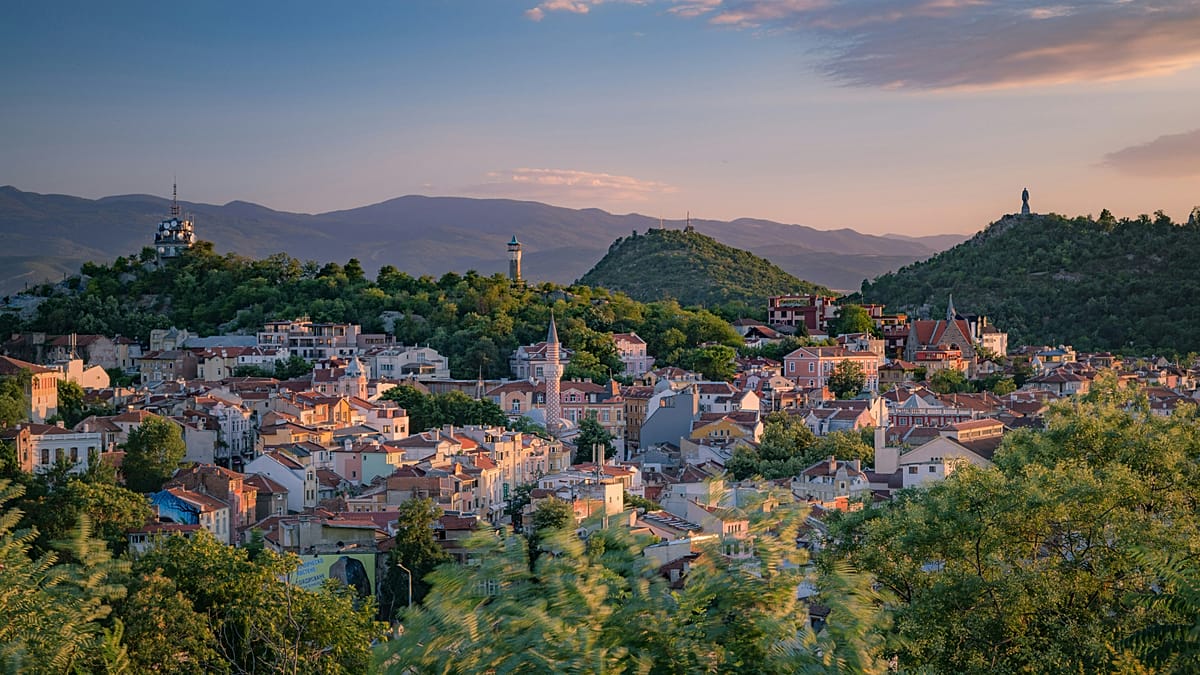
2 months ago8 European Countries Where Getting Residency Is Shockingly Easy
While Portugal and Spain grab headlines for their golden visas, several other European countries offer surprisingly accessible paths to residency. These emerging options often come with lower costs, faster processing, and fewer applicants in the queue. The dream of living in Europe cobblestone streets, café culture, affordable healthcare, and weekend trips to new countries is more accessible than most people realize.
Miscellaneous
[ Load more ]