NYC politics
fromBrownstoner
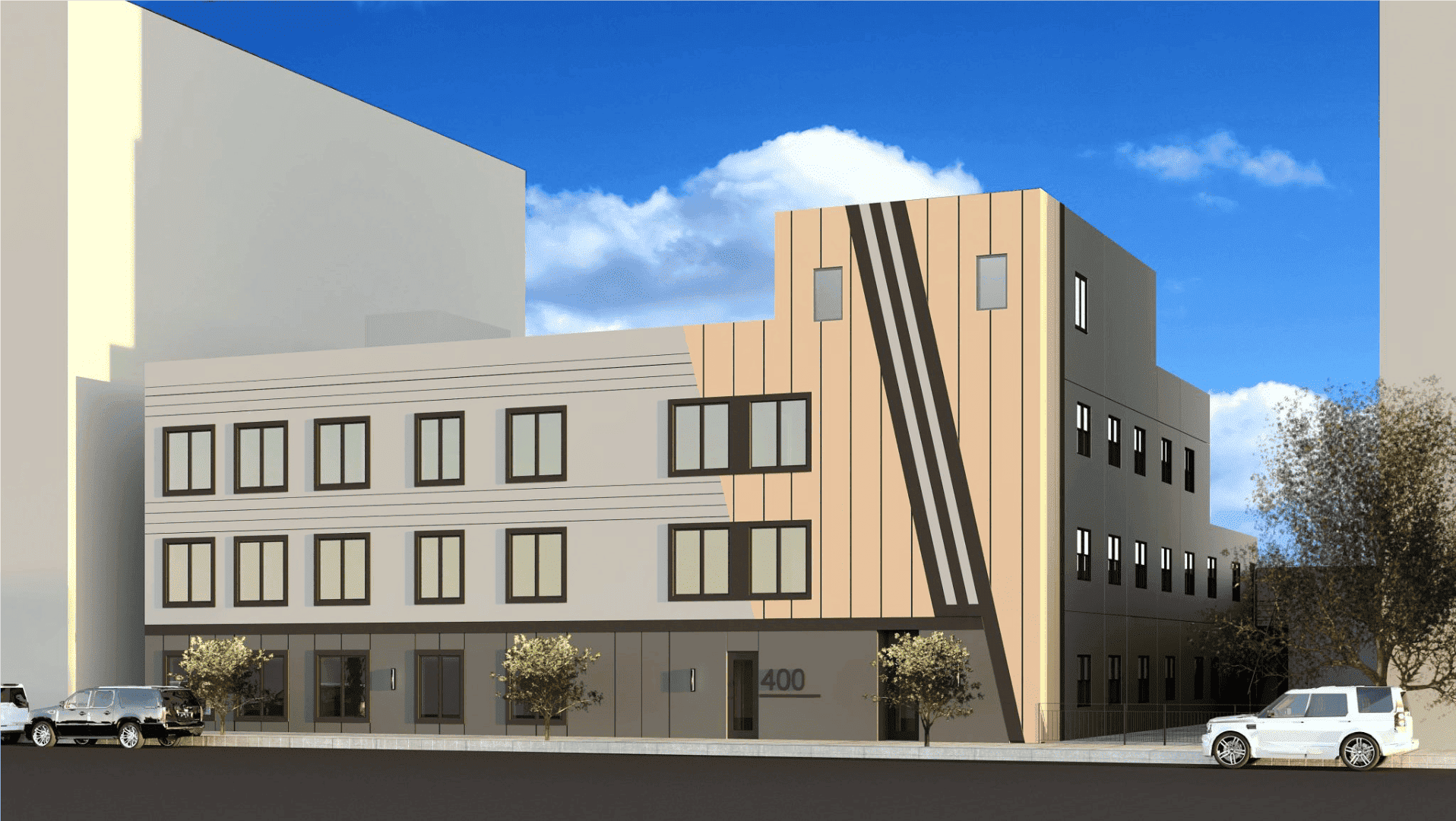
1 day agoGravesend Homeless Shelter Moves Forward Despite Protest
Demolition of a proposed men's shelter in Brooklyn resumes under Mayor Mamdani, despite ongoing protests and calls for affordable housing alternatives.
Luna Rosado, a single mother, has seen her gas expenses rise by $40 weekly due to a 30 percent increase in prices after the war in Iran. This has resulted in $160 less for groceries and other necessities each month, forcing her to constantly adjust her budget.
"Today's vote ignores the well-documented harmful consequences of wage hikes by economists. Not only would this proposal slash up to 86,000 jobs, it would also worsen inflation for Pennsylvania workers and residents."
The report, published Tuesday, calls for NYCHA to keep better tabs on its vacant homes, the majority of which are awaiting-often extensive, and legally required-remediation work after the prior tenant moved out and before they can be rented again.
The Cicero Institute, created by tech investor Joe Lonsdale, has spent the past few years promoting aggressive policies targeting encampments for the unhoused and pushing cities to move away from Housing First, the U.S.'s primary model for responding to chronic homelessness. Over the summer, HUD quietly adopted several of Cicero's key recommendations. And the result was widespread panic among the local agencies responsible for keeping people housed.
My friends and I are early 30s professionals living in one of America's most expensive cities and making middle-class incomes. None of us can afford to buy or save for a home here. We all rent, but we're not broke. We save for kids and retirement and illness, but a home isn't in the cards. But recently, we think we might have found an unconventional loophole.
The New York City Housing Authority (NYCHA) needs an estimated $78 billion in capital repairs over the next 20 years across its more than 2,500 buildings, according to its 2023 Physical Needs Assessment. The hefty price tag-which increased by more than 70 percent since the previous assessment was conducted five years earlier, in 2017- "reflects deteriorating conditions of NYCHA's infrastructure following decades of federal disinvestment and significant price escalation in the construction sector over the last few years," housing authority officials said. Those costs include needed lead-based paint and asbestos abatement, upgrades to heating and hot water systems, plumbing, building facades and windows, and renovations to individual apartment interiors.