#disassembly-robotics
#disassembly-robotics
[ follow ]
Science
fromYanko Design - Modern Industrial Design News
14 hours agoThis $349 NASA Mars Perseverance Rover Kit Lets You Build an AI-Powered Mars Robot at Home - Yanko Design
CircuitMess offers a buildable AI-capable replica of NASA's Perseverance rover for $309, emphasizing hands-on learning and modular expansion.
fromTNW | Startups-Technology
23 hours agoWearable Robotics raises 5M to expand its arm exoskeleton
The ALEX RS is a bilateral upper-limb exoskeleton designed for post-stroke rehabilitation, covering 92% of the human arm's natural range of motion and is CE certified as a Class IIa medical device.
European startups


#generative-ai


Women in technology
fromFast Company
2 days agoAI isn't just reshaping productivity and threatening to kill jobs. It's changing how we lead, communicate, and treat each other. It's also creating a new gender gap
Generative AI is reshaping communication, trust, and cultural interactions beyond productivity and efficiency concerns.
Remote teams
fromSilicon Canals
2 days agoGig workers in 50+ countries are filming themselves doing chores to train humanoid robots for $15 an hour - Silicon Canals
A new gig economy is emerging where workers film household tasks to train humanoid robots, highlighting economic disparities in compensation versus value extracted.
Careers
fromwww.businessinsider.com
4 days agoI was a laid-off software engineer who pivoted into blue-collar work because of AI. One year in, I couldn't be happier.
Tabby Toney transitioned from software engineering to welding after being laid off, finding job security and satisfaction in her new career.
fromBig Think
3 days agoWhy fixing your gadgets often costs more than replacing them
The fix, he told me, was temporary - he didn't have the right part and couldn't get it. This experience revealed a broader shift in how modern products are designed, sold, and owned - one that increasingly treats repair as optional and replacement as inevitable.
Renovation
fromwww.businessinsider.com
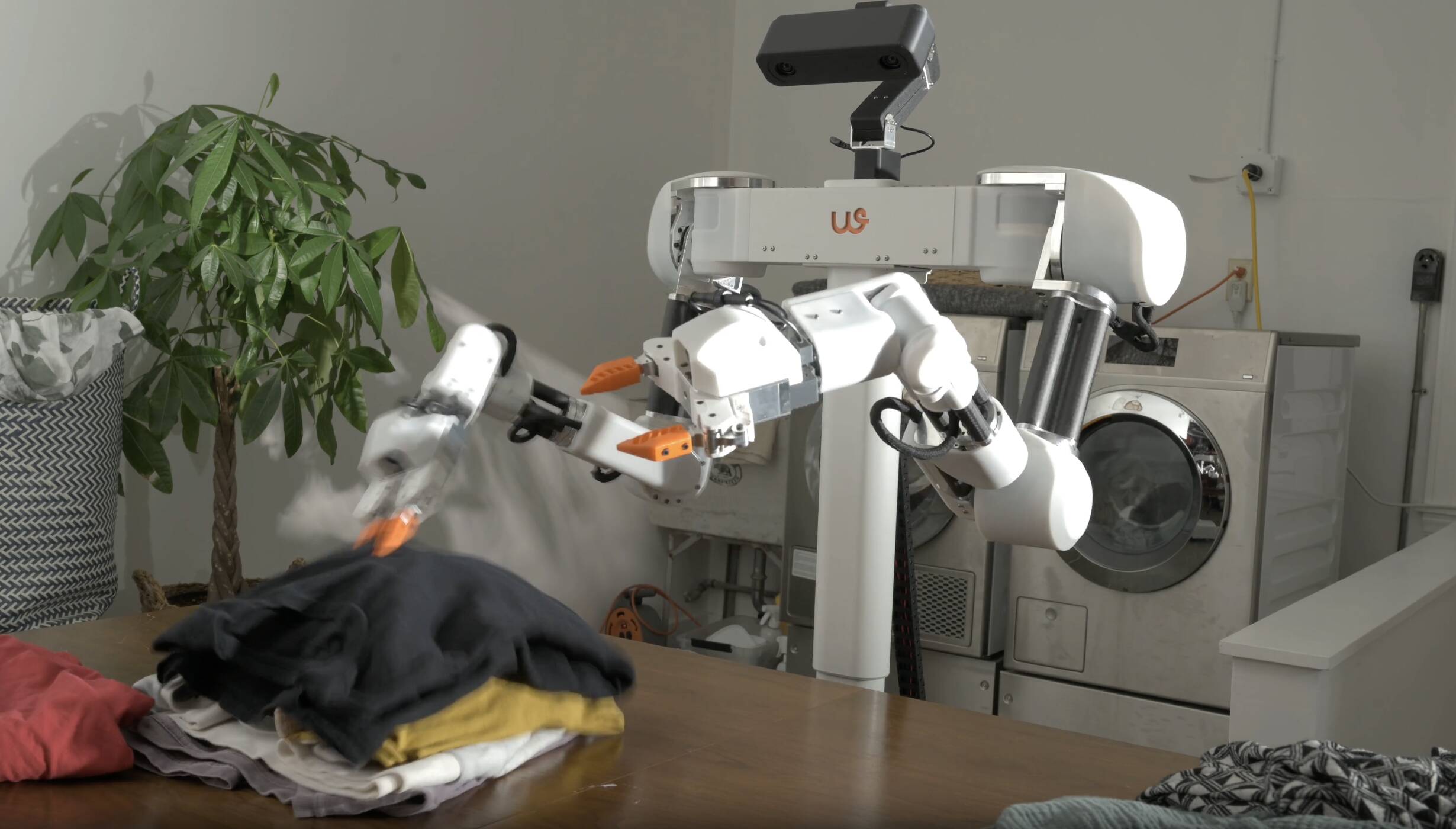
6 days agoDriverless cars, meet your eye doctor
Kinetic's CEO Nikhil Naikal states, 'We have eyes, and when we need to correct vision, we go to an optometrist... In the same way, this is a digital prescription to correct the errors of the car's understanding of the world around it.'
Cars

#artificial-intelligence
Business intelligence
fromEntrepreneur
2 days agoForget the Hype. Here's How AI Is Actually Changing Business Operations
AI is transforming business operations from task automation to strategic decision intelligence.

Business intelligence
fromApp Developer Magazine
1 week agoHow Industrial AI Is Transforming Operations in 2026
Artificial intelligence is transitioning from experimentation to deployment, with a focus on measurable business outcomes and infrastructure improvements.


Remote teams
fromMedium
3 weeks agoManaging Human + AI Workflows: The Operating Model Most Teams Are Missing
Hybrid workflows now integrate AI as daily collaborators, but organizational friction—not technical limitations—prevents meaningful impact when companies fail to redesign end-to-end processes and manage verification requirements.
fromTNW | Deep-Tech
2 weeks agoUniversal Robots and Scale AI launch the UR AI Trainer
Our customers, ranging from large enterprises to AI research labs, are no longer just asking for AI features. They need a way to collect high-fidelity, synchronized robot and vision data to train AI models on the same robots they intend to deploy. Our AI Trainer is the industry's first direct lab-to-factory solution for AI model training.
Data science
#humanoid-robots
Artificial intelligence
fromTechRepublic
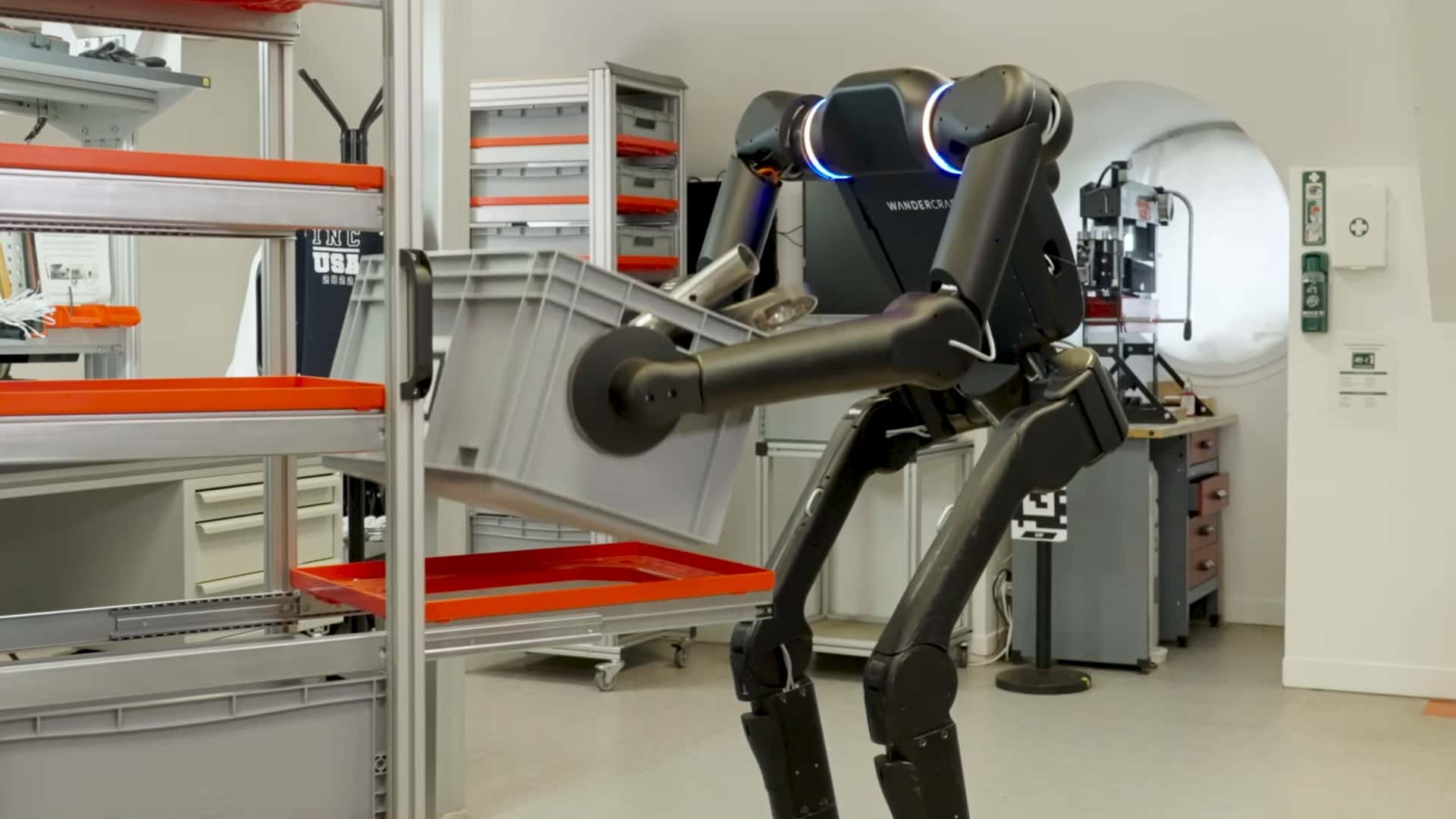
2 weeks agoHumanoid Robots Are Getting Cheaper - But Enterprise Costs Are Just Getting Started
Falling hardware costs and AI advancements are enabling real-world deployments of humanoid robots, shifting focus to operational infrastructure and software differentiation.
Artificial intelligence
fromFuturism
2 weeks agoFactory Paying Human Worker to Watch Robot Worker All Day
Humanoid robots like Digit are being deployed in factories with human supervisors, with costs expected to drop from $10-$25 per hour to $2-$3 per hour, potentially displacing workers earning $20 per hour.
Artificial intelligence
fromTechRepublic
2 weeks agoHumanoid Robots Are Getting Cheaper - But Enterprise Costs Are Just Getting Started
Falling hardware costs and AI advancements are enabling real-world deployments of humanoid robots, shifting focus to operational infrastructure and software differentiation.
Artificial intelligence
fromFuturism
2 weeks agoFactory Paying Human Worker to Watch Robot Worker All Day
Humanoid robots like Digit are being deployed in factories with human supervisors, with costs expected to drop from $10-$25 per hour to $2-$3 per hour, potentially displacing workers earning $20 per hour.
#humanoid-robotics
Women in technology
fromFuturism
2 weeks agoThis Video of a Humanoid Robot Playing Perfect Tennis Is Extremely Impressive
Chinese company Galbot developed software enabling a Unitree G1 humanoid robot to play tennis with sustained rallies, millisecond reactions, and precise ball striking against human opponents.

Women in technology
fromFuturism
2 weeks agoThis Video of a Humanoid Robot Playing Perfect Tennis Is Extremely Impressive
Chinese company Galbot developed software enabling a Unitree G1 humanoid robot to play tennis with sustained rallies, millisecond reactions, and precise ball striking against human opponents.
Design
fromArchDaily
3 weeks agoFacing the Age of Robots? Material Innovation in Architectural Structures
Robotic technology in construction extends beyond automation and cost reduction to fundamentally reshape architectural design, material experimentation, and construction methodologies through collaborative human-robot workflows.
fromFuturism
1 month agoFormer Delivery Drivers Are Getting Weird New Jobs as Delivery Robots Take Over
When delivery units operated by companies like Coco or Serve Robotics run into real-world obstacles - like a garden, for example - these robot wranglers spring into action, freeing them from potholes, helping them upright after a fall, and ferrying them back to headquarters for maintenance.
Los Angeles
European startups
fromComputerWeekly.com
3 weeks agoNeura Robotics accelerates next-generation physical AI | Computer Weekly
Neura Robotics and Qualcomm Technologies partner to advance intelligent robots for safe human-robot collaboration through edge AI integration and production-ready deployment at scale.
Startup companies
fromBusiness Insider
1 month agoHow robotics could upend the US manufacturing industry
Machina Labs promotes distributed, flexible, portable robotics-enabled manufacturing to leapfrog centralized factories and accelerate U.S. reindustrialization in defense, aerospace, and automotive sectors.
Artificial intelligence
from24/7 Wall St.
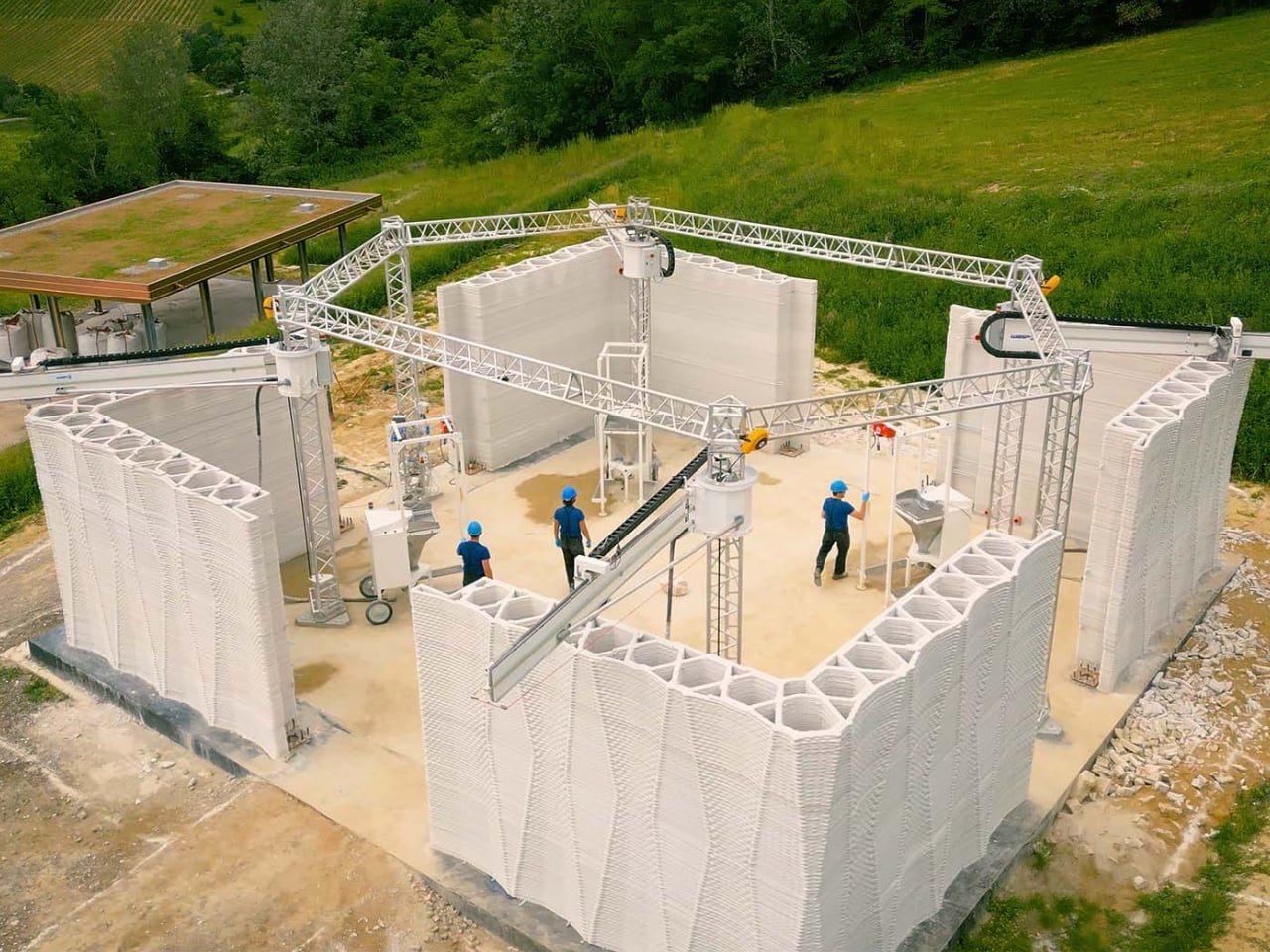
2 weeks agoAI Might Be Coming for BlueCollar Work-And These Robotics Stocks Still Look Wildly Underestimated
White-collar jobs face near-term AI automation risk, while blue-collar roles may follow as physical AI and robotics advance, creating uncertainty across employment sectors.
fromNature
2 months agoThis robot hand detaches and walks by itself
Human hands are incredibly dexterous tools - but they have their limits. They are asymmetric, they have only a single thumb and, fundamentally, they're connected to our arms. But none of that poses a problem for this robot claw. Its symmetrical design means it can seamlessly approach different tasks without having to twist to find the right angle, six-fingers mean the design can juggle multiple objects at the same time and, if needed, it can simply leave its arm behind, perfect for dangerous or hard to reach places.
Gadgets
[ Load more ]