#disasters--tragedies
#disasters--tragedies
[ follow ]
#flooding #natural-disasters #climate-change #humanitarian-crisis #emergency-response #wildfires #hawaii


#hawaii
:max_bytes(150000):strip_icc()/TAL-flood-haleiwa-hawaii-HELPHAWAIIFLOODS0326-3b8954b11813487caf57f7ef754684d1.jpg)


Agriculture
fromwww.theguardian.com
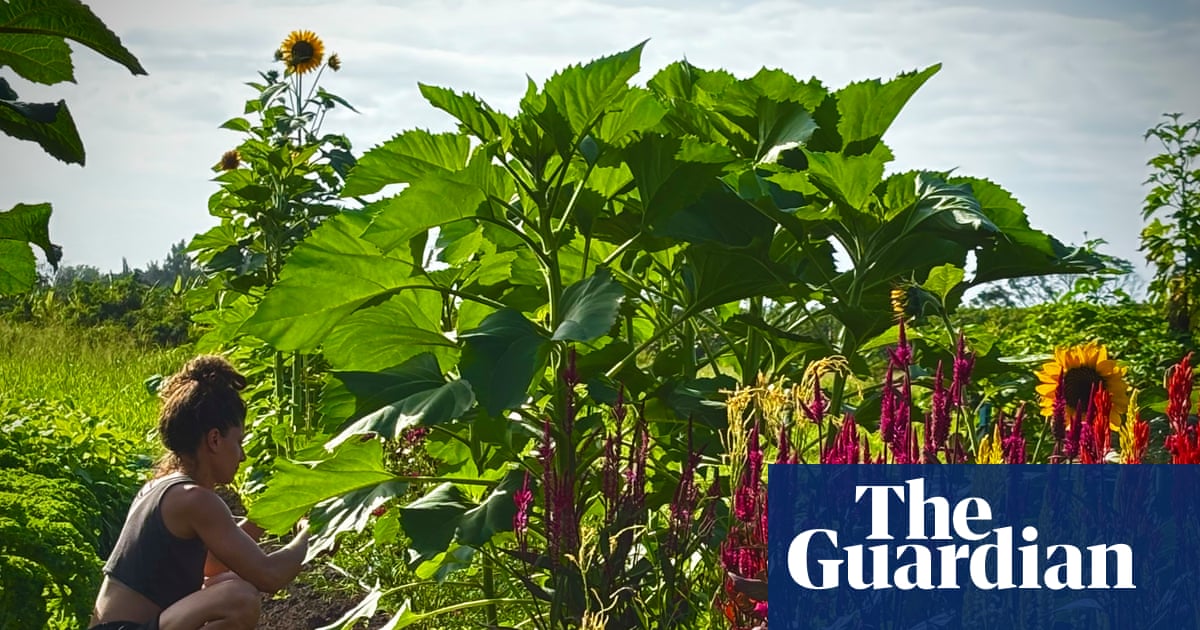
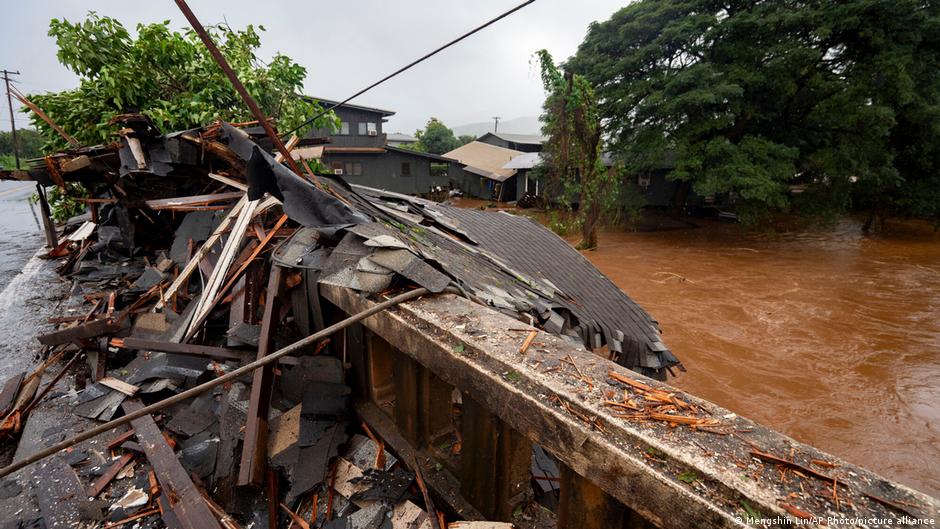
6 days agoI've never seen anything like it': Hawaii's small farmers begin recovery after catastrophic flooding
Severe storms devastated LewaTerra Farm, leading to significant crop loss and extensive damage across Oahu, with recovery efforts expected to be lengthy and costly.


fromTasting Table
4 days agoThe 'Waffle House Index' FEMA Uses To Gauge Natural Disasters - Tasting Table
Waffle House's more than 2,000 U.S. locations span regions prone to hurricanes, tropical storms, tornadoes, and severe flooding, being concentrated in the mid-Atlantic down through the Gulf Coast and across to the Midwest.
Miami food

Online Community Development
fromNextgov.com
2 weeks agoWhen disaster strikes, census data can help show who is in harm's way
The U.S. Census Bureau's OnTheMap for Emergency Management tool helps officials quickly estimate population and workforce data in disaster-affected areas to guide emergency response and recovery efforts.
Psychology
fromPsychology Today
1 month agoHow to Help Communities Rebound from Crisis and Disaster
Disaster psychology provides an empirically-based framework for building community resilience and growth during crises through understanding predictable psychological phases and natural recovery mechanisms.


Mental health
fromPsychology Today
1 month agoNavigating the Messy Middle of Disaster Recovery
Disaster recovery extends beyond the initial crisis phase; year two brings psychological challenges including chronic stress, financial strain, and bureaucratic delays that impair functioning and compound trauma.
fromwww.theguardian.com
1 month agoA devastating force': how recent Mediterranean storms turned to tragedies
In Grazalema, Spain's wettest town, a year's-worth of rain fell in a fortnight and overloaded the karst aquifer beneath it. Water rushed into homes through floors, walls and even electricity sockets. Authorities ordered everyone to evacuate. I felt a lot of fear, said Sanchez Barea, a guesthouse owner whose home is one of hundreds still in an exclusion zone.
Miscellaneous
fromThe Nation
3 weeks agoA World on Fire Needs More Climate Reporting-Not Less
Covering Climate Now was formed in 2019 in response to the climate silence that then prevailed in much of the press, especially in the United States. Over the years that followed, hundreds of newsrooms joined our effort, and press coverage of the story began to reflect the scale of the crisis. Newsrooms beefed up their climate reporting teams; they confronted misinformation that sought to play down the problem; they thought creatively about how to find the climate connection on every beat.
Environment
fromLos Angeles Times
1 month agoA series of deadly California storms continues to bring more rain, snow and danger
Showers moving into the region from the Central Coast should bring steady rain to Ventura and Los Angeles counties Thursday morning, with frosty temperatures pushing snow levels lower than normal, potentially impacting commuters along the Grapevine, according to the National Weather Service. "Steady precipitation will taper off to showers by late this afternoon and become confined to the mountains by late tonight," the weather service posted in a Thursday morning forecast.
California
Environment
fromNature
1 month agoClimate change and geopolitics threaten water supplies - but disaster is not inevitable
Global water systems face crisis from overuse, pollution, and climate change, requiring urgent strengthening of international water-sharing treaties with dynamic monitoring systems.
fromInside Higher Ed | Higher Education News, Events and Jobs
1 month agoFlood the Zone
As the Class of 2026 prepares to enter the workforce this summer, they-like last year's graduates and those already in the job market-are facing what economists now call a "low hire, low fire" economy. Whether this is driven by AI or other economic factors remains hotly debated, but the causes are beside the point for new grads looking for jobs postgraduation in an economy marked by a pullback in early-career hiring.
Higher education
US politics
fromwww.theguardian.com
2 months agoThe perfect storm': Trump has left the US less prepared for natural disasters, experts say
US capacity to prepare for and respond to natural disasters has dangerously eroded under Donald Trump's administration, leaving the nation more vulnerable to extreme weather.
Environment
fromEarth911
1 month agoGuest Idea: The Wildfire Season You're Not Prepared For
Extreme wildfire conditions caused by heat, drought, and wind alignment have nearly tripled globally over 45 years, with human-caused climate change responsible for over half this increase, making simultaneous extreme fire weather across multiple regions increasingly common.
fromFortune
2 months agoAsia is one of the world's least insured places, even as it's battered by climate change and natural disasters | Fortune
A lack of insurance coverage in Southeast Asia threatens an increasingly important hub for supply chains, as the region is battered by tropical storms, major flooding, and other natural disasters. Total losses from natural disasters across Asia-Pacific last year totaled $73 billion, yet just $9 billion was insured, according to Germany reinsurance company Munich Re. That makes Asia one of the world's least insured regions against natural disasters.
Business


fromwww.aljazeera.com
1 month agoWe have to rebuild': Mozambique flood victims persevere in face of loss
When Emilia Machel, 30, and her three children rushed to the Chiaquelane site for displaced people on the afternoon of January 17, much of her hometown of Chokwe in Mozambique's Gaza Province was already flooded. The Limpopo River, which begins in neighbouring South Africa and flows into Mozambique, had reached dangerously high levels after heavy rain fell on the Southern Africa region from late December to mid-January.
World news
fromwww.bbc.com
1 month agoLondon crews to the rescue in Mozambique floods
During the deployment, the teams rescued more than 80 people from floodwaters and damaged structures. London Fire Brigade's UK ISAR coordinator, Ian Simpson, said an elderly blind woman and a small child were among the people they saved, which "brought home how important our work out there was". LFB He added: "I could not be prouder of the team's dedication, resilience, and professionalism, which directly contributed to saving lives and supporting the wider humanitarian response."
World news
fromNature
1 month agoHow to rescue the aid industry: focus on conflict prevention, not just relief
In 2025, the administration of US President Donald Trump ordered the US Agency for International Development to be closed; this year, it withdrew the country from 66 international organizations. Other Western nations that are plagued with high levels of debt and pressure to prioritize domestic challenges have slashed their foreign aid, too. According to projections, official development assistance dropped by 9-17% in 2025, amounting to some US$55 billion.
World news

fromwww.dw.com
2 months agoFlooding hammers Mozambique, SADC countries
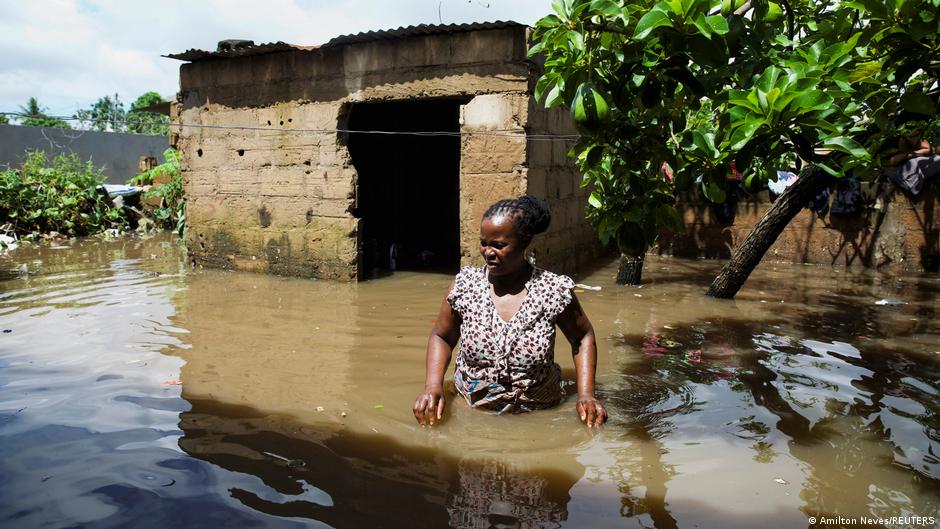
Flooding across southern Africa has severed critical transport routes, displaced hundreds of thousands of people and left governments and aid agencies struggling to respond. Southern Mozambique has suffered the heaviest toll so far. Authorities say more than 645,000 people have been affected nationwide, with at least 112 deaths recorded so far. Over 91,000 people are sheltering in 68 temporary accommodation centers, while 99 others have been injured. Thousands of homes, classrooms and health facilities have been damaged or destroyed,
World news
fromwww.mercurynews.com
2 months agoCalifornia wildfire survivorsgot a rude surprise that could hit more Americans
Since the 1990s, American homes have been systematically underinsured in the event that they are completely destroyed. Study after study shows that, counter to the public's understanding, many home insurance policies are not required to cover total replacement of homes. The trend, though decades old, has been somewhat hidden. But climate-driven events that cause massive destruction, especially wildfires, are revealing just how pervasive and severe the problem has become.
Environment
fromwww.aljazeera.com
1 month agoThe cold, hungry reality of displacement in war-torn Sudan's Tawila
Montaha Omer Mustafa, 18, was among many people who managed to get out of el-Fasher before the city's seizure by the Rapid Support Forces (RSF) paramilitary group, but only after paying for passage and going days on foot with little water, moving through villages and scrubland. As fighting closed in on the last big city held by the government-aligned Sudanese Armed Forces (SAF) in North Darfur state, tens of thousands of residents fled westwards, abandoning homes, possessions, and even family members.
World news
[ Load more ]