#domestic-fuel-supply
#domestic-fuel-supply
[ follow ]
#oil-prices #gas-prices #iran #energy-crisis #renewable-energy #iran-war #iran-conflict #middle-east-conflict
#strait-of-hormuz
World news
fromIrish Independent
1 day agoEU warns it's 'preparing for worst scenarios' and assessing 'all possibilities' including fuel rationing as energy crisis deepens
Tehran plans to charge for passage through the Strait of Hormuz, aiming to ensure safe navigation amid rising tensions with the US.
UK news
fromLondon Business News | Londonlovesbusiness.com
51 minutes agoBritish Gas is urging people to stock up on food - London Business News | Londonlovesbusiness.com
Households in the UK should prepare for severe winter weather, including snow, strong winds, and potential power outages this weekend.







fromFortune
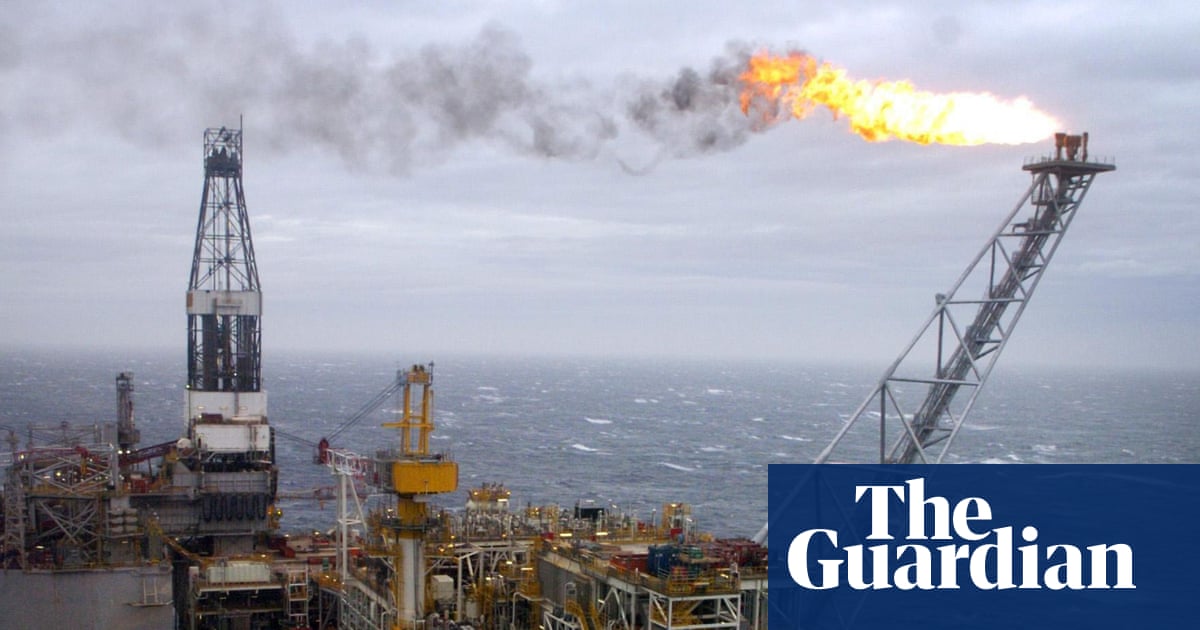
1 day agoCountries are turning to 'structurally more resilient' energy sources as oil and gas crisis deepens, UN renewables chief says | Fortune
"A more decentralized energy system, with a growing share of renewables and more market players, is structurally more resilient. Countries that invested in the energy transition are weathering this crisis with less economic damage, as they boost energy security, resilience and competitiveness."
Environment
Europe news
fromFortune
2 hours agoEuropean ministers urge EU to impose windfall taxes on energy companies as prices spike 'to ensure that this burden is distributed fairly' | Fortune
European finance ministers are urging a bloc-wide windfall tax on energy companies to address rising oil and gas prices and inflation concerns.
from24/7 Wall St.
2 days agoWall Street Upgrades Cheniere Energy as Iran War Reshapes Global LNG Demand
Citi's upgrade reflects a broader geopolitical reality reshaping global energy markets. The Iran war is accelerating the flight of European and Asian buyers toward secure, long-term U.S. LNG supply contracts.
Business
World politics
fromLondon Business News | Londonlovesbusiness.com
2 days agoCrude oil between geopolitical escalation and dollar pressure - London Business News | Londonlovesbusiness.com
Geopolitical factors and monetary conditions are significantly influencing global oil prices, reflecting uncertainty rather than traditional supply and demand.
fromwww.aljazeera.com
1 day agoHow war on Iran turned Pakistan's LNG surplus into a looming shortage
At the start of this year, Pakistan had more imported liquefied natural gas (LNG) than it could use, with demand falling from a peak of 8.2 million tonnes in 2021 to 6.1 million tonnes by late 2025. The government sold excess gas shipments to other countries and shut down domestic gas wells to prevent pipelines from bursting under oversupply.
World news
#energy-policy
World news
fromAxios
2 weeks agoWhite House says it's not planning oil or gas export restrictions
The U.S. administration ruled out oil and gas export restrictions while pursuing alternative measures to address rising gasoline prices, including Strategic Petroleum Reserve releases and potential Iranian oil sanctions waivers.
Environment
fromwww.theguardian.com
3 days agoAsia ramps up use of dirty fuels to cover energy shortfall triggered by Iran war
Asian governments are increasing coal use to address energy shortages caused by geopolitical conflicts, raising environmental concerns and calls for renewable energy investment.
fromFortune
4 days agoEnergy 'vulnerable' India seeks U.S. help to produce more oil and wean itself off Russia, Middle East reliance amid geopolitical turmoil | Fortune
India remains "vulnerable" and lacking in energy security until it can produce at least 50% of its own oil. Billionaire industrialist Anil Agarwal believes India can grow to produce enough oil to meet 30% of its domestic demand within a few years.
World news
fromAxios
5 days agoTrump threatens to "obliterate" Iran's energy and water infrastructure
"But if for any reason a deal is not shortly reached, which it probably will be, and if the Hormuz Strait is not immediately 'Open for Business' we will conclude our lovely 'stay' in Iran by blowing up and completely obliterating all of their Electric Generating Plants, Oil Wells and Kharg Island..."
World news
fromwww.aljazeera.com
5 days agoG7 ready to take necessary measures' to ensure energy market stability
We stand ready to take all necessary measures in close coordination with our partners, including to preserve the stability and security of the energy market, said the G7 in a statement after a teleconference.
World news
fromFortune
2 weeks agoThe next energy superpower will make its own fuel | Fortune
The Strait of Hormuz - a narrow waterway through which roughly a fifth of the world's oil supply passes - has effectively closed to tanker traffic amid the escalating U.S.-Israeli strikes on Iran. Once again, the global economy is discovering the same uncomfortable truth: Modern energy security depends on supply chains that can break overnight.
World politics
[ Load more ]