UX design
fromMedium
9 hours agoYou're not supposed to get it right
Design challenges for UX writers can be intimidating due to the pressure of making quick, impactful decisions and the emphasis on visual elements.
Santa Cruz de Tenerife is one of the most idyllic cities in the Canary Islands. At its heart stands the jewel - the Auditorio. It's a place where talent from both worlds, New and Old, comes together. A theatre, opera, dance, and music heaven.
Like before, the person's weight was hanging from the phone's hinge while the sides of the phone were attached to the ceiling (and previously, to the zip line). This is not the weakest orientation for the hinge, but it's still way above the strain that the hinge will face in daily use.
Instructions I created. Instructions I am continuing to hone - instructions that required me to study my own old essays, identifying what I do when I write. The sentence rhythms. The way I move between timescales. The zooming in and out from concept to detail. The instructions tell Claude how I would like ideas composed. I pull together concepts and experiences from my lived expertise to formulate a point of view - in this case, on this new AI technology.
There's something quietly radical about designing for pain. Not the dramatic, cinematic kind, but the daily grind of chronic discomfort that shapes how millions of people move through their lives. That's exactly what Madhav Binu, Kriti V, and Himvall Sindhu set out to tackle with Revive, a home-based rehabilitation device for knee osteoarthritis patients. The numbers tell a sobering story. Forty percent of India's elderly population lives with knee osteoarthritis, a condition that doesn't just hurt.
Today we are at the cusp of revolutions in artificial intelligence, autonomous vehicles, renewable energy, and biotechnology. Each brings extraordinary promise, but each introduces more complexity, more interdependence, and more latent pathways to failure. This elevates prudence to be critical. Good design recognizes what cannot be foreseen. It acknowledges the limits of prediction and control. It builds not merely for performance, but for recovery.
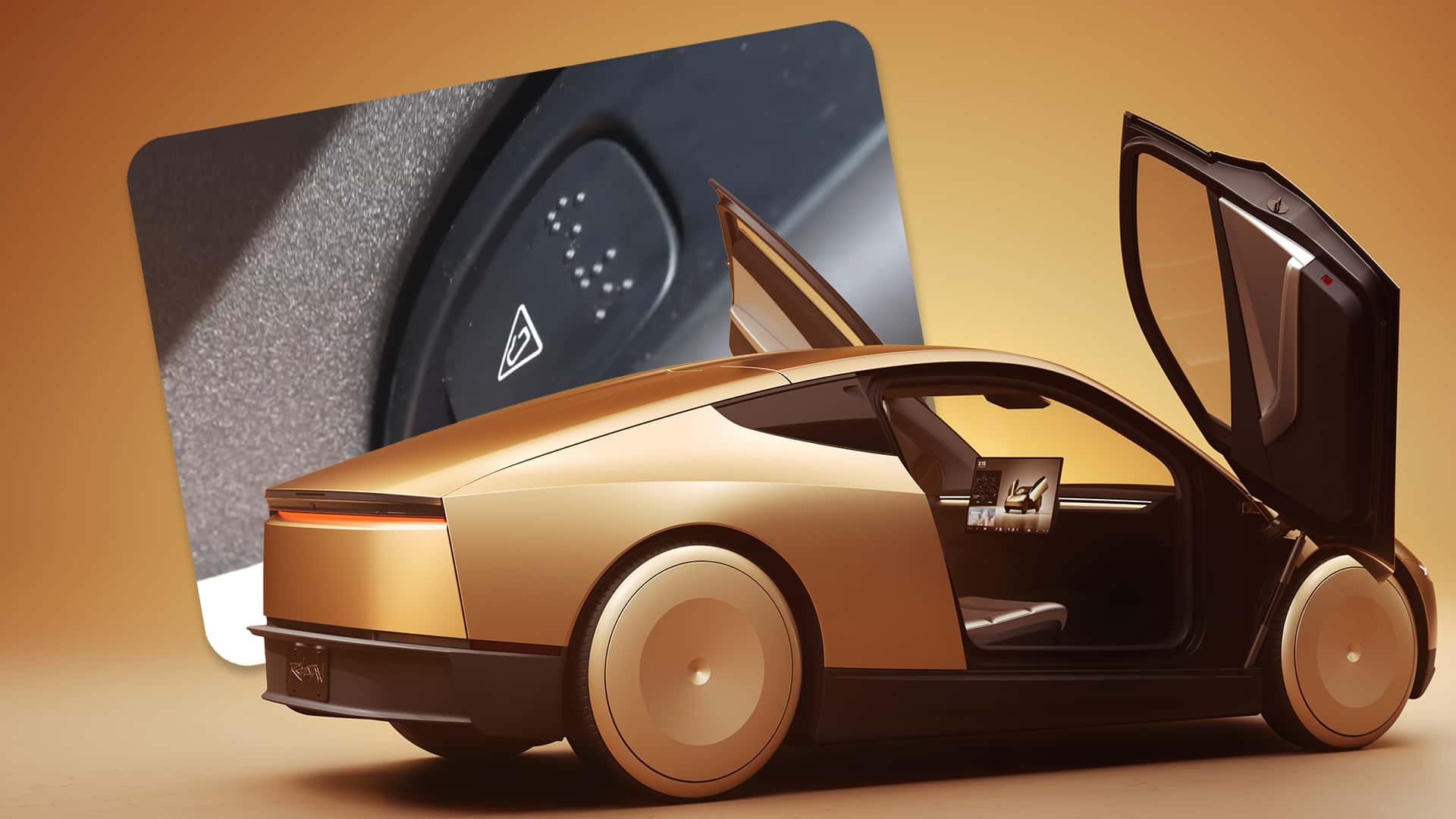
It's helpful to know that the lack of physical buttons isn't just a trend pushed by designers-the bean counters like it, too. It's quicker-and therefore cheaper-during assembly to just fit a capacitive touch module that controls multiple settings or switches than it is to have individual buttons, each connected to a wiring loom. Which is why we're seeing the controls for heating and cooling the interior, the headlights, seat heaters, and more move from knobs and dials and sliders and buttons to touch panels.
The normative form for interacting with what we think of as "AI" is something like this: there's a chat you type a question you wait for a few seconds you start seeing an answer. you start reading it you read or scan some more tens of seconds longer, while the rest of the response appears you maybe study the response in more detail you respond the loop continues
Most utility knives live in junk drawers until you need to open a box. You dig out something with a flimsy plastic slider, a rattling blade, and a body that feels like it costs exactly one dollar. They are treated as disposable, even though you use them constantly for packages, tape, and workshop tasks. There is room for a small knife that feels as considered as the rest of your desk or carry.
Repair and assembly are usually framed as chores, tasks to be completed as quickly as possible, so we can move on to something more enjoyable. The bi:ts tool challenges this perception by transforming the act of tightening a screw into something closer to play. Instead of feeling like labor, the experience becomes tactile, intuitive, and surprisingly satisfying. At the heart of the product is a joystick-inspired interface, borrowed from the language of game controllers.
As simple as it might sound, getting a wireless mouse design right is not a simple task. The number of variables involved due to hand shapes, finger sizes, and the preferred hand for operating the accessory makes it impossible to design a mouse that suits all.
The $249 Ori umbrella has a frameless design with a laminate composite canopy, which fits into a 3.5-centimeter cylinder smart handle with an OLED display. That means there are no steel elements that can go haywire and leave you with a misshapen mess when you're caught in a strong wind. It seems we finally have an umbrella that looks like it was invented in the 21st century.
My grandmother's refrigerator ran for forty years. The washing machine she bought in the 1970s? Still spinning when she passed away. Meanwhile, I'm on my third coffee maker in five years, and don't get me started on the laptop that mysteriously died two weeks after the warranty expired. This isn't just bad luck or nostalgia talking. There's something fundamentally different about how products are made today versus decades ago.
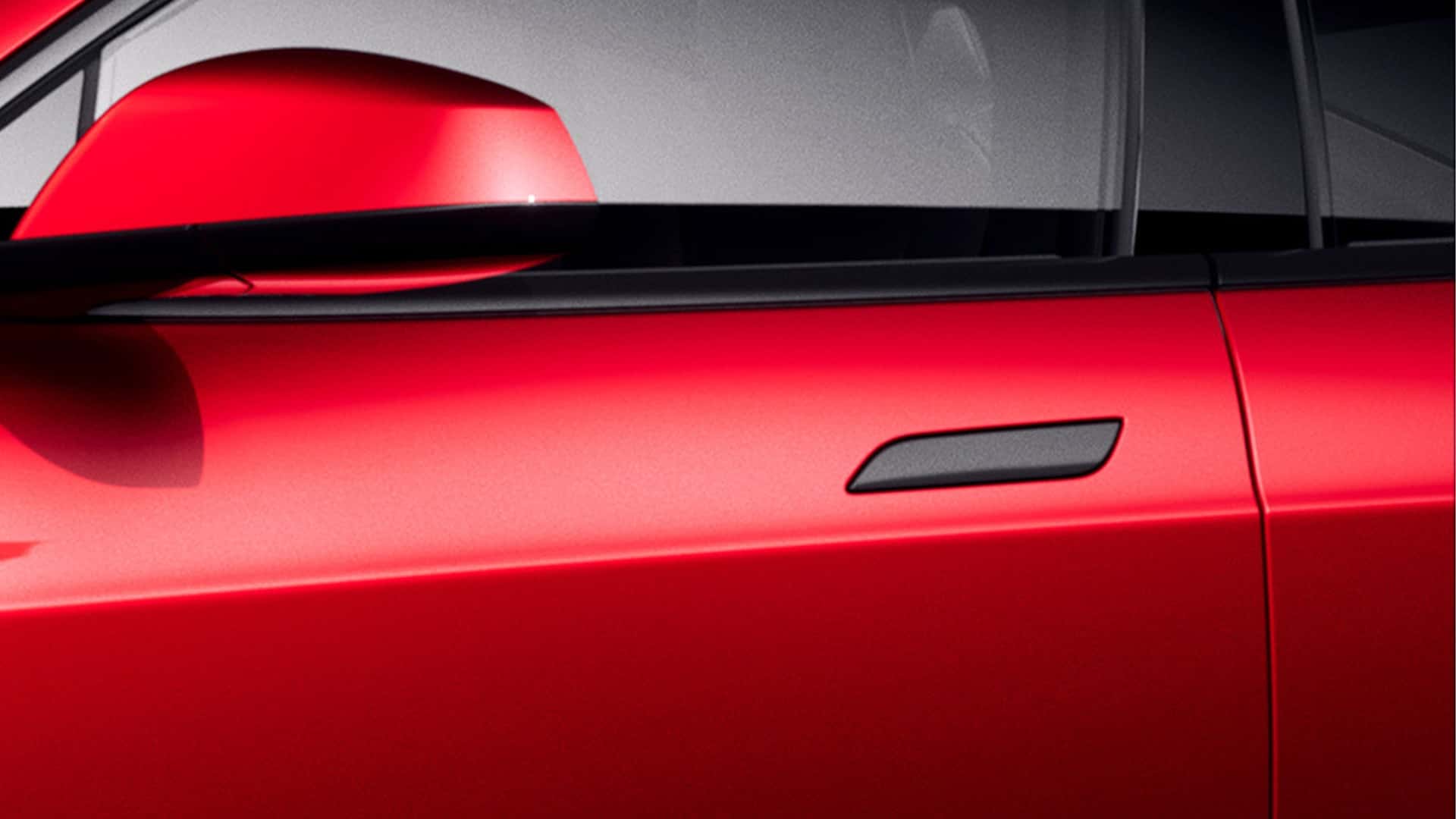
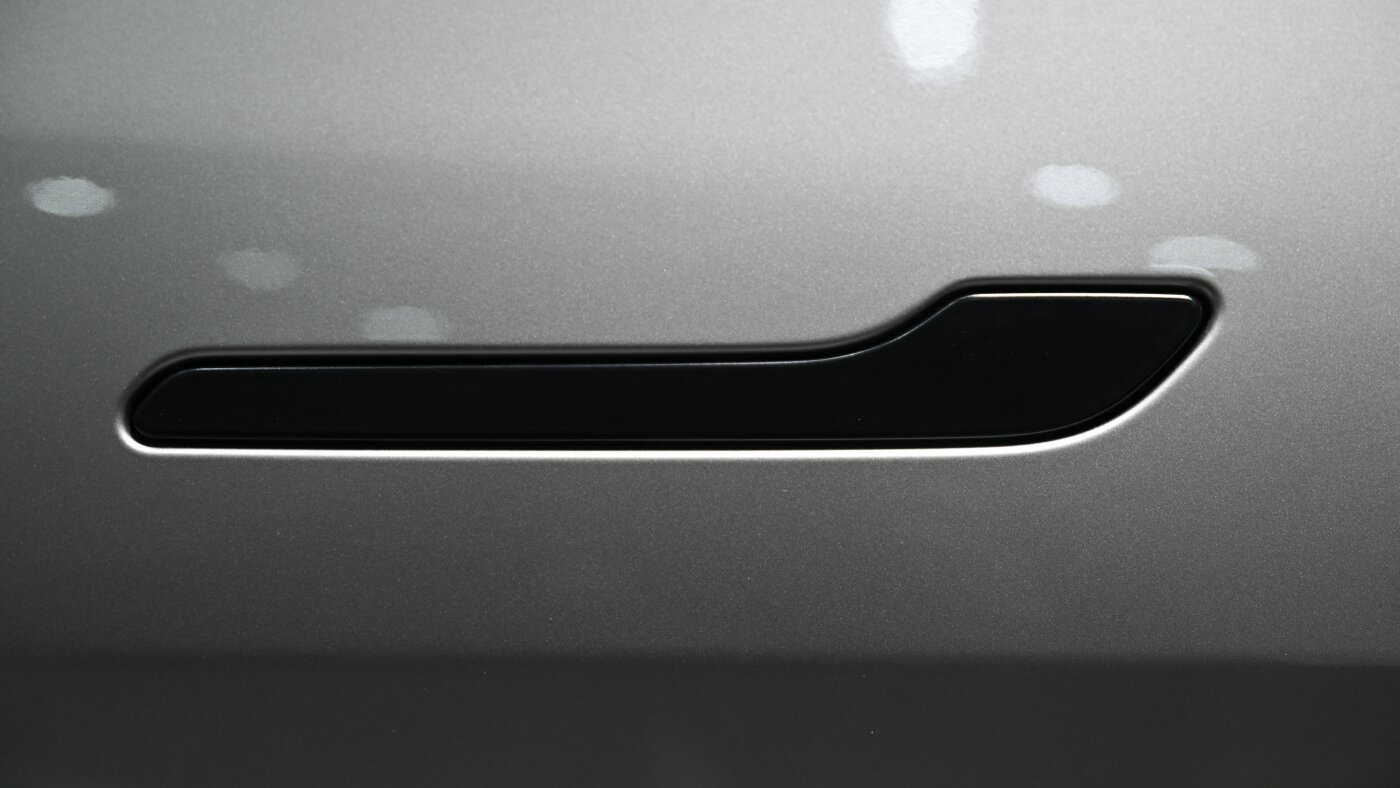
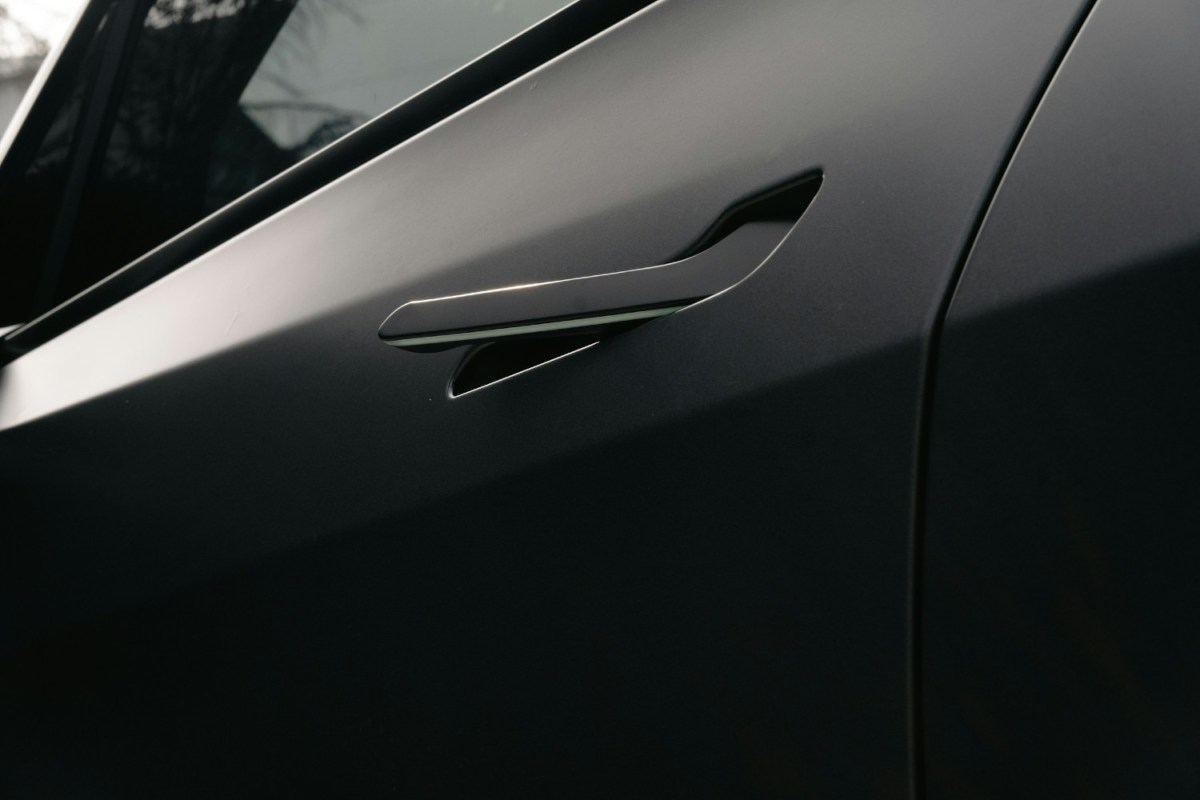
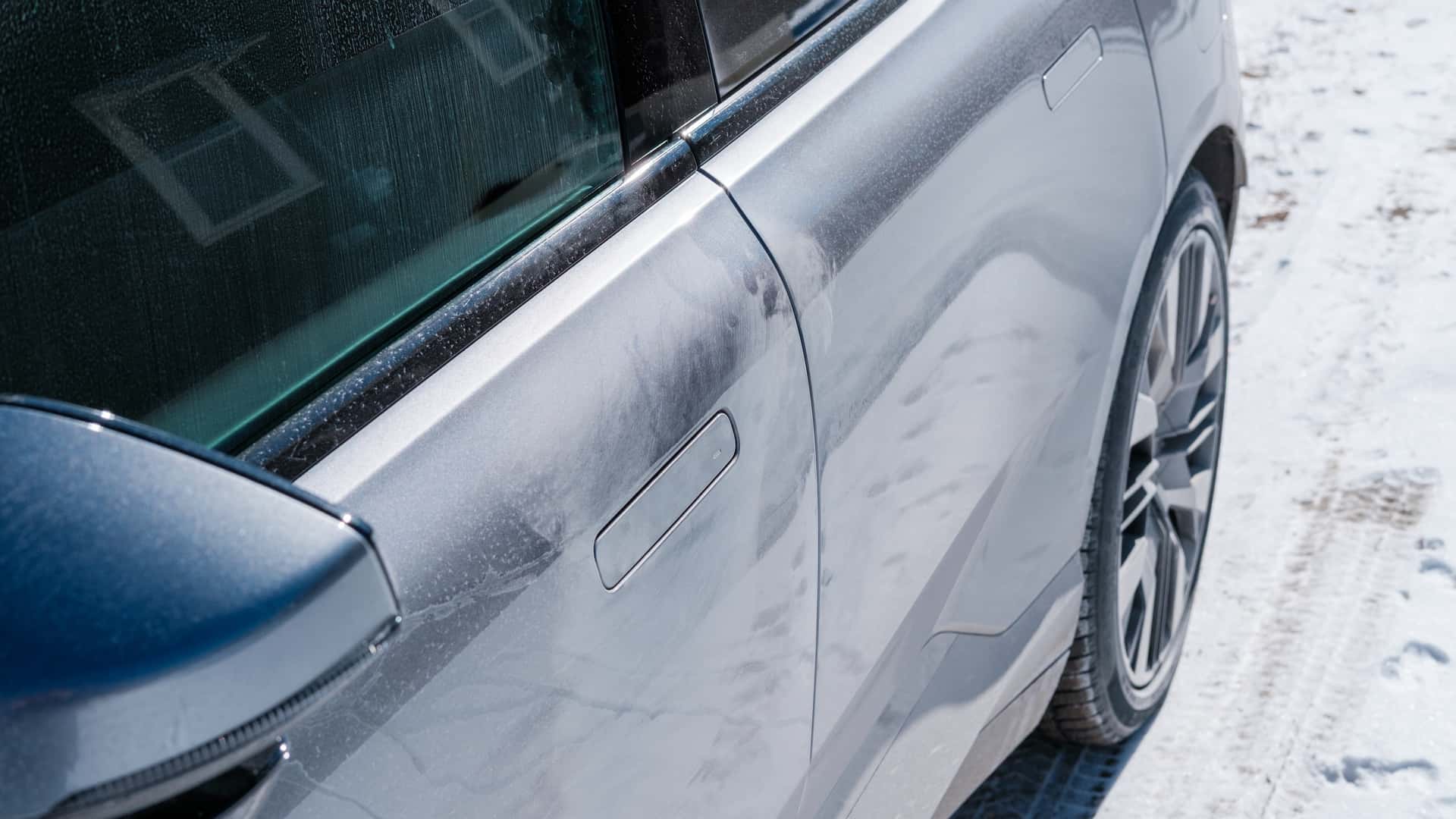
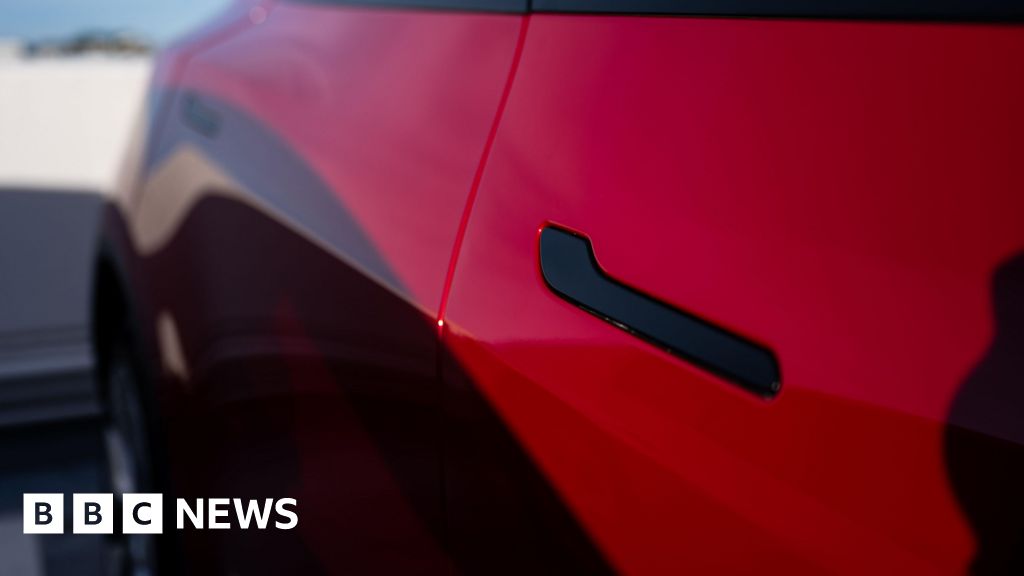
As they headed toward Highway 24 from Camino Pablo, their child was strapped into her car seat, looking sleepy. Then, in a fraction of a second, something frightening happened. As Shah turned the car onto the horseshoe curve of the ramp, he said, the back passenger door next to their baby swung open violently, all 60 pounds of it, much of it "ultra-hard" stainless steel. Shah and his wife screamed out in shock, and Shah immediately pulled onto the shoulder to see what had happened.
Progressive disclosure is a well-known principle in UX design. This principle is about showing users only what they need right now, and revealing more options or information gradually as they interact or gain context. The goal is to reduce cognitive load, keep interfaces clean and approachable, and still support advanced use cases when needed. The principle of progressive disclosure can be applied not only to the user interfaces we design, but also AI tools we use.
Minimal doesn't always mean usable. This comparison shows how Linear-style UI keeps contrast, affordances, and structure intact, unlike brutalism's extremes or neumorphism's low-clarity depth effects. Daniel Schwarz Feb 5, 2026 2 min read Linear-style UIs look simple, but the theming system has to do real work. Here's how to meet WCAG 2.2 contrast requirements across light, dark, and high-contrast modes whether you're using a UI library
Your junior designer spins up a prototype in Lovable before lunch. Your PM shows you a "working" MVP built entirely with Cursor within a day. And your CEO forwards you a LinkedIn post about how AI will replace 80% of UI work by 2026. And it seems like anyone can now make an app to solve a specific problem. Has the graphical interface really died, as Jakob Nielsen provocatively suggests?
AI is disrupting more than the software industry, and is doing so at a breakneck speed. Not long ago, designers were deep in Figma variables and pixel-perfect mockups. Now, tools like v0, Lovable, and Cursor are enabling instant, vibe-based prototyping that makes old methods feel almost quaint. What's coming into sharper focus isn't fidelity, it's foresight. Part of the work of Product Design today is conceptual: sensing trends, building future-proof systems, and thinking years ahead.