#downtown
#downtown
[ follow ]
#new-york-city #remote-work #urban-planning #public-space #transportation #urban-development #architecture



fromArchDaily
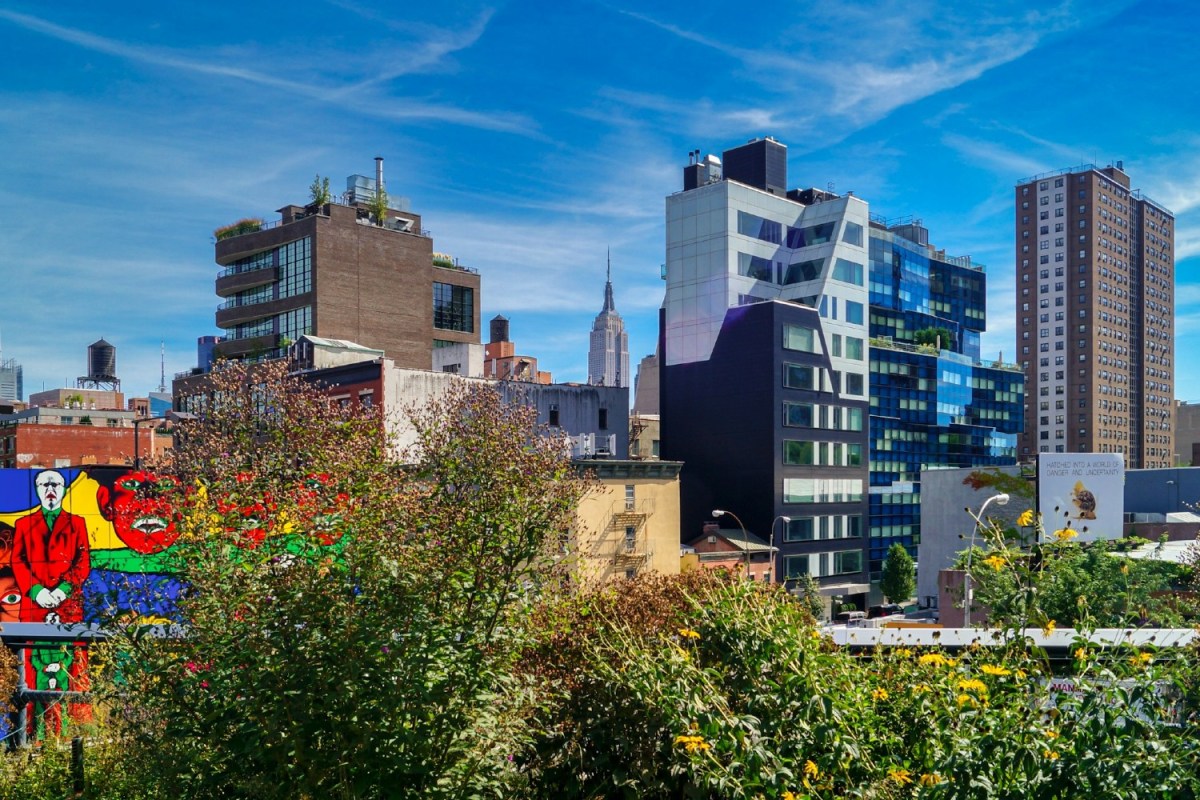
2 days agoThe Illusion of Lightness: Designing Civic Voids for Public Life
The original intent of pilotis was to create a sense of lightness that would allow circulation and light to flow beneath a structure, but contemporary requirements render thin columns insufficient for large-scale civic projects.
Renovation
Photography
fromLondon Business News | Londonlovesbusiness.com
2 days agoCapturing connection: How to document your next London networking event - London Business News | Londonlovesbusiness.com
Collaborating with a professional event photographer is essential for capturing meaningful moments and enhancing brand storytelling through high-quality images.
fromFast Company
3 days agoHow Paris redesigned itself to be a city of bikes-not cars
"This project is symbolic of what we've done over the last 12 years, reshaping the streets and the city," Christophe Najovski, the city's deputy mayor in charge of green spaces, stated during the opening ceremony.
Paris food
Business intelligence
fromLondon Business News | Londonlovesbusiness.com
4 days agoWhy GIS matters in modern infrastructure and urban planning: Building smarter, future-ready cities - London Business News | Londonlovesbusiness.com
GIS is essential for effective urban planning, enabling data-driven decisions that enhance infrastructure and quality of life in rapidly growing cities.
fromStreetsblog New York City
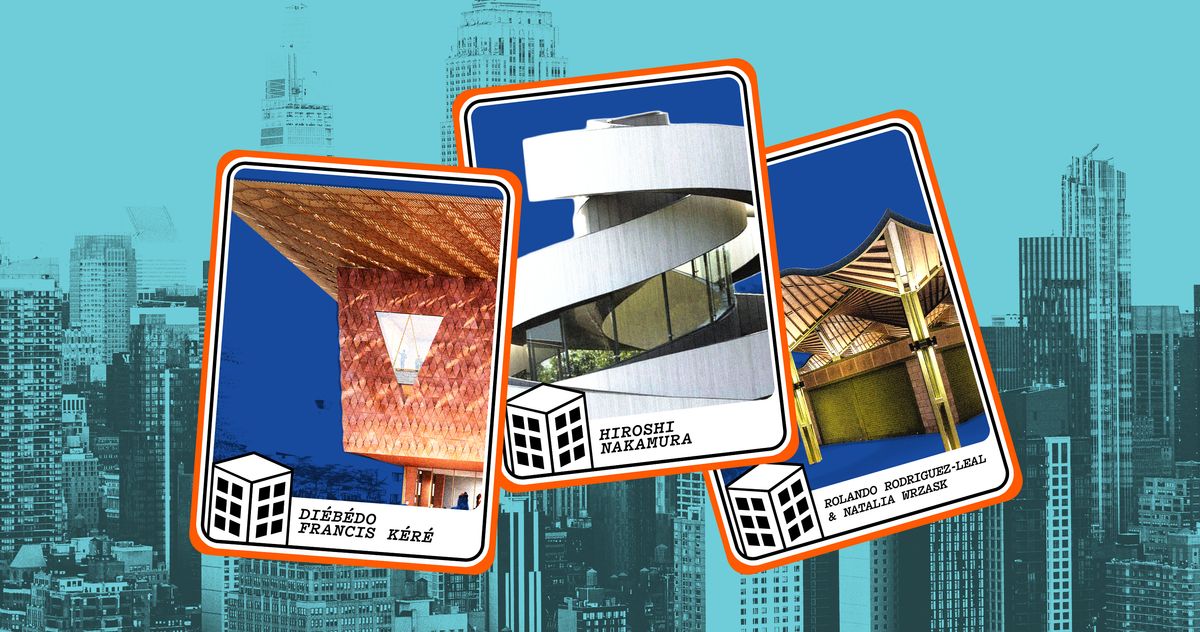
5 days agoTo Save Lives - And The Theater - Let's Ban Cars From Broadway - Streetsblog New York City
In that small 30-block zone last year, there were 486 reported crashes, injuring 76 cyclists, 108 pedestrians (one fatally) and 67 motorists, according to city stats. That's more than a crash every day, injuring more than 250 people.
London politics
Real estate
fromInc
2 weeks agoWhy Connectivity Is the New 'Location' in Commercial Real Estate
Digital infrastructure and connectivity now rival or surpass traditional location as the primary factor determining real estate value for business properties, with 96% of U.S. business leaders willing to pay premium prices for reliable connectivity.
fromwww.bbc.com
1 week agoCampaigners celebrate after new town plans dropped
Campaigner Aysha Hawcutt stated that residents were 'not anti-homes', but believed the Adlington plan was 'the wrong proposal in the wrong place'. She expressed pride in the community's resilience against the development threats.
London politics
Startup companies
fromYahoo Life
4 weeks agoMy city was filling up with digital nomads, so I converted my family home into a business
Hana Nguyen built a coworking business in Da Nang, Vietnam after discovering the concept through a foreign friend, starting in a hotel space before launching her own venture in her family home.
Real estate
fromLondon Business News | Londonlovesbusiness.com
2 weeks agoHousing as social infrastructure: What Vision 2030 got right - London Business News | Londonlovesbusiness.com
Saudi Arabia's Jood Eskan programme redefines philanthropy as primary housing policy rather than supplementary gap-filling, achieving scale and governance standards exceeding typical public housing programmes.
fromArchDaily
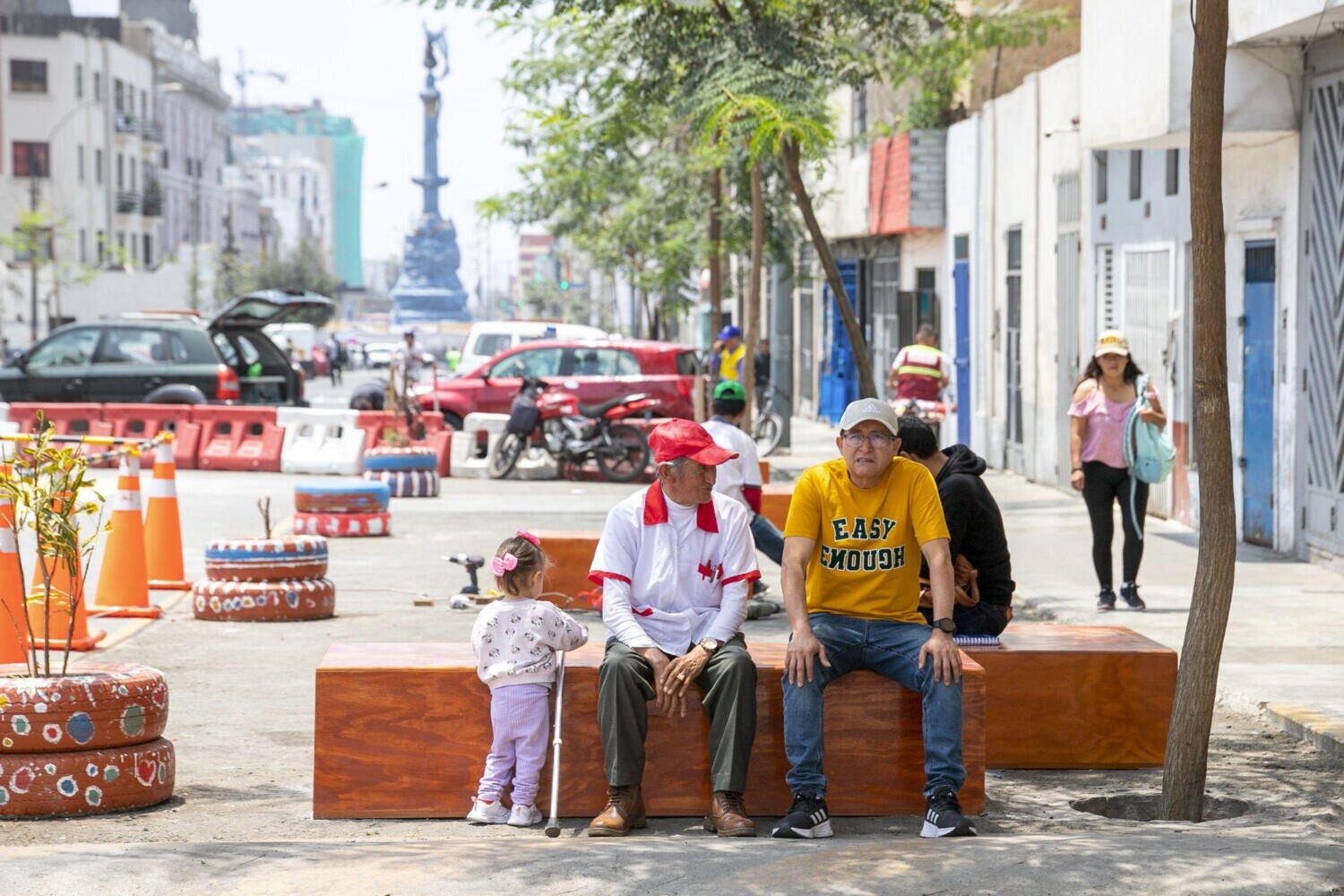
3 weeks agoMobility Justice: Urban Equity in an Era of Innovation
Every city contains two transportation systems. One is the visible network of roads, rail lines, sidewalks, and bus routes mapped in planning documents. The other is the invisible geography of privilege and exclusion embedded within it: the neighborhoods that received highways instead of parks, the communities whose bus routes were cut, the sidewalks that abruptly end at the edge of a district.
Alternative transportation

New York City
fromNew York Daily News
1 month agoWhat future for dining sheds?: Return our streets to their real purpose for vehicles
Permanent outdoor dining sheds in curbside parking lanes create operational problems for snow removal and street cleaning while providing unfair competitive advantages to some restaurants over others.
fromForbes
1 month agoTransit-Oriented Housing On Track For Continued Growth
Once a nice-to-have niche urban design concept, TOD has become an essential part of many urban neighborhoods. It has helped address the shortage of housing by enabling the development of higher-density residential communities near transit stations. It has helped revitalize countless once-deteriorating or static urban enclaves near transit hubs by activating sidewalks near the developments. And it has spurred walking and transit use, enabling residents of TODs to reduce or eliminate automobile dependency.
Real estate
fromTime Out London
1 month agoA radical new plan could create a new public plaza in London's West End
The road between Piccadilly Circus and St James's Park could be transformed into a massive public plaza and vehicles could be banned from Regent Street St James's, Waterloo Place and the south side of Piccadilly Circus. If the proposals are enacted, the pedestrianisation of certain roads would lead to more than 35,000 square metres of new public space, equivalent to more than five football pitches, created in the West End.
UK politics
fromwww.dw.com
1 month agoThe city that swapped parking for green space
Though they're individually tiny, parking spots quietly play a dominant role in shaping urban landscapes. Most US cities dedicate at least 25% of their developable land to them. Some, even more. That land usage doesn't only determine the way a city looks. It also means covering large swathes of urban areas in heat-absorbing asphalt, which contributes to making summers hotter and heightens the risk of flooding since it prevents drainage during storms and heavy rainfall.
Miscellaneous
fromArchDaily
1 month agoHealth, Habitat, and Civic Infrastructure: Designing the City as a National Park
Cities around the world share a common goal: to become healthier and greener, supported by civic infrastructure that restores ecosystems and strengthens public life. The question is how to reach this. Global climate targets, local building codes, and municipal standards increasingly guide designers and planners toward better choices. Still, many cities struggle to translate these frameworks into everyday, street-level comfort and long-term ecological protection.
Environment
fromIrish Independent
2 months agoCycle lanes, a new harbour and College Green goes bus-free - the big changes happening in Dublin this year
The next phase of the council's wide-ranging transport plan for the city centre is due to come into effect over the course of the year. A major focus will be on cycling infrastructure, with Dublin City Council (DCC) planning to begin construction on 13 new active travel projects by the end of the year. These include the final section of the Dodder Greenway from Milltown Road to Dundrum Road, on which works will begin in the summer,
Miscellaneous
fromThe Art Newspaper - International art news and events
1 month agoClub for working class art professionals expands from London to Manchester
"Working Arts Club was always going to exist outside of London because class issues in the art world are systemic not geographic," founder Meg Molloy, who works in London as a freelance communications consultant for the art world. "The need for what our network can do is widespread and going to Northern England felt like a natural next step in our operations."
Arts
[ Load more ]