#drinking-patterns
#drinking-patterns
[ follow ]


:quality(85):upscale()/2026/01/06/936/n/49351082/eca0b2e7695d7ea016f525.80424515_.jpg)
fromBusiness Insider
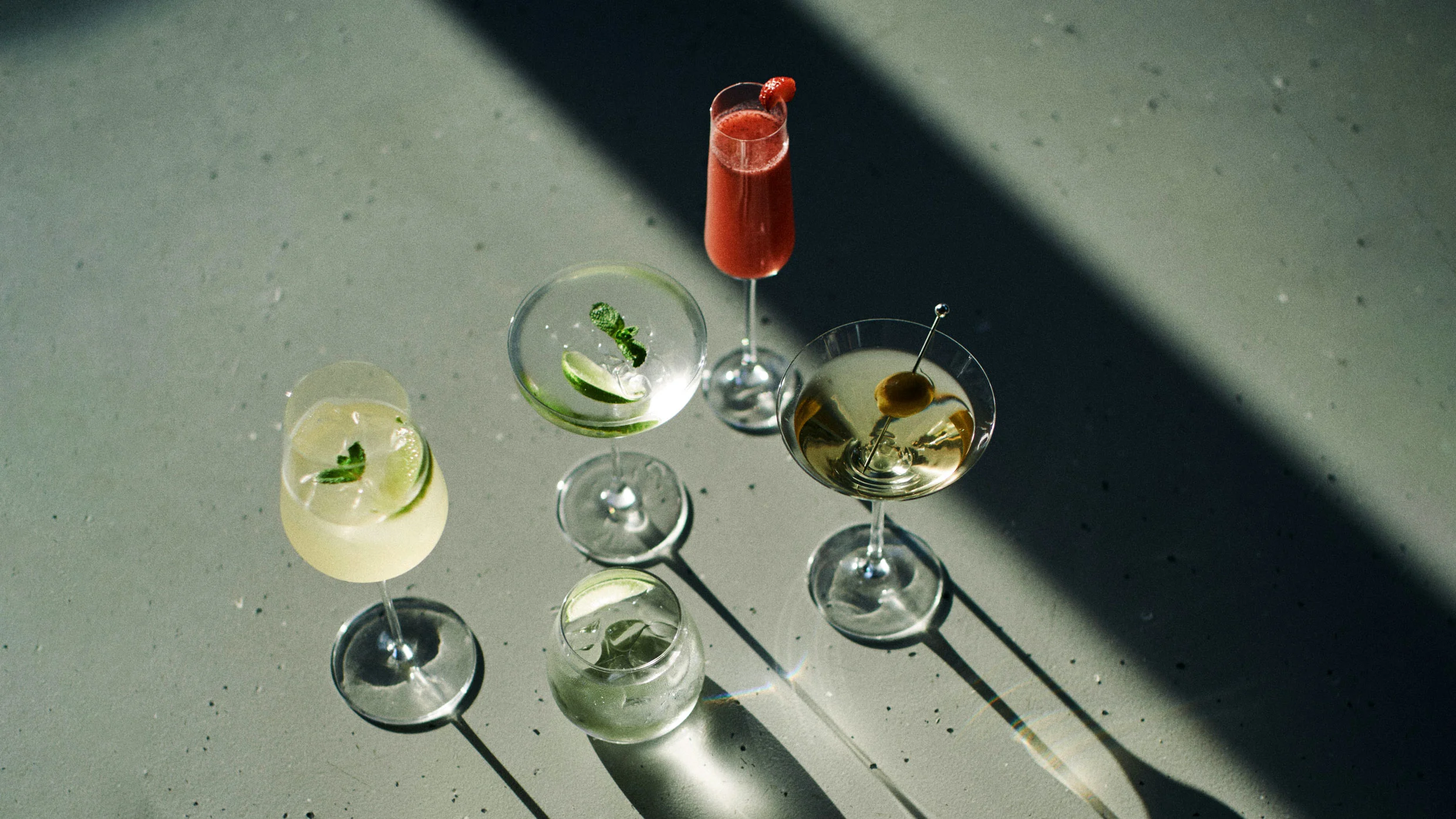
3 weeks agoAlcohol brands are shifting spending to brunch, daytime events as Gen Z drinks 'differently'
Gen Z and younger millennials are generally drinking less than older generations and, when they do drink, are doing so more intentionally, prioritizing quality, flavor, and social context over quantity. That change is pushing bars and alcohol brands to design products for daytime moments, and reshaping how the industry defines a "drinking occasion."
Cocktails
fromTasting Table
2 weeks agoIf Drinking Alcohol Makes You Sleepy, This Is Why - Tasting Table
Due to alcohol being a depressant substance, this means that it slows down your central nervous system by calming the neurotransmitters that keep you alert. Alcohol can behave the same way sedatives do, by fixating on the two neurotransmitters in your brain known as gamma-aminobutyric acid (GABA) and glutamate.
Wine
Cocktails
fromFast Company
1 month agoIn recovery? Here's how to handle social drinking situations in the workplace
Professionals in recovery from alcohol addiction can maintain sobriety in workplace drinking cultures by setting boundaries, avoiding overexplanation, and recognizing that colleagues care less about abstinence than feared.
Social justice
fromPsychology Today
1 month agoWhat if Addiction Isn't the Problem?
Addiction's lack of clear definition undermines regulatory efforts against corporations; reframing addiction as a common human state rather than inherently harmful could better address actual harms and protect children from exploitative design.
Wine
fromMail Online
3 weeks agoWhat your favourite drink says about you, according to science
Alcoholic drink preferences trigger learned cultural associations that influence how people perceive personality traits, with wine suggesting sophistication, whisky suggesting confidence, and tequila suggesting fun and wildness.
Mental health
fromSilicon Canals
1 month agoPsychology says people who use alcohol, shopping, scrolling, or constant socializing to regulate their emotional state aren't lacking in willpower - they've found something that reliably interrupts the signal their inner life is trying to send, and they will keep using it for exactly as long as the signal remains more frightening than the interruption - Silicon Canals
Behaviors labeled as bad habits are often successful emotional regulation strategies developed in response to overwhelming internal discomfort, not character flaws or willpower failures.
fromSilicon Canals
1 month agoBartenders say people who drink alone on weekday evenings almost always share these 7 traits-and loneliness usually isn't one of them - Silicon Canals
"The lonely ones come in on weekends," one bartender told me. "The Tuesday night regulars who sit by themselves? They're usually the ones who have their lives together."
Tech industry
fromReadWrite
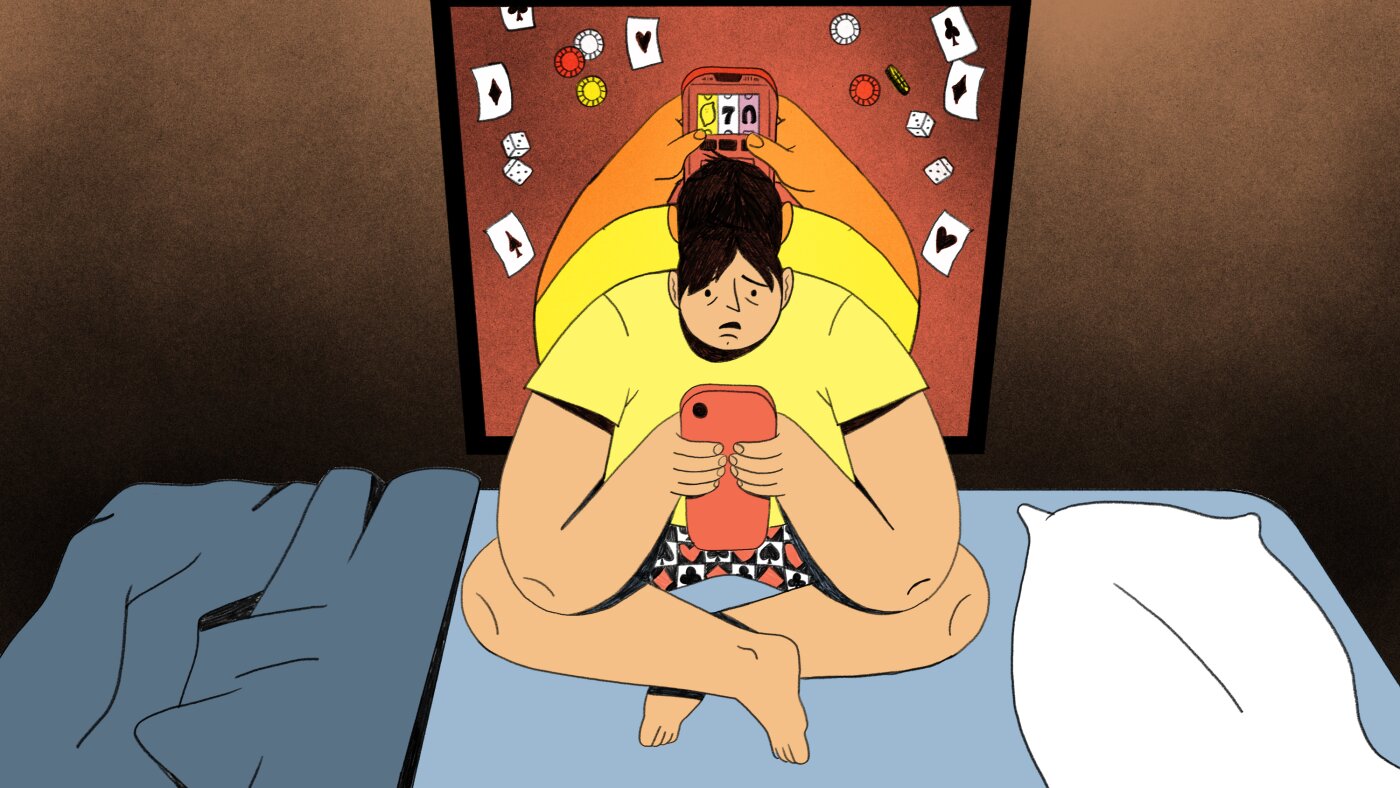
1 month agoNetherlands gambling normalization raises public health concerns
Fresh research from the Kansspelautoriteit (KSA) shows nearly a quarter of Dutch adults, 24%, believe people around them see gambling as normal behavior. Men were significantly more likely than women to share that view. The regulator surveyed 1,000 residents and found that when gambling comes up casually in conversations with friends or family, people are more likely to join in themselves.
Miscellaneous
Food & drink
fromTasting Table
1 month agoAre People Going To Drink More Or Less Alcohol In 2026? Here's What Research Suggests - Tasting Table
Gen Zs, Millennials, and many U.S. adults are intentionally reducing alcohol consumption, planning drinking days, and increasingly viewing alcohol as unhealthy.


fromBusiness Insider
1 month agoI started smoking when I was a teen and quit 20 times. I still love the occasional cigarette.
The day I turned 16, I picked up two things - my driver's license and a $1.98 pack of Kool 100 Milds from a gas station I knew would sell to me. It was 1995, and I still remember the freedom and rebellion alive in my heart while my hair blew in the wind. From the window of her mom's LeBaron convertible, my friend and I flicked our cigarettes and seemingly our adolescent troubles with them.
Public health




fromSlate Magazine
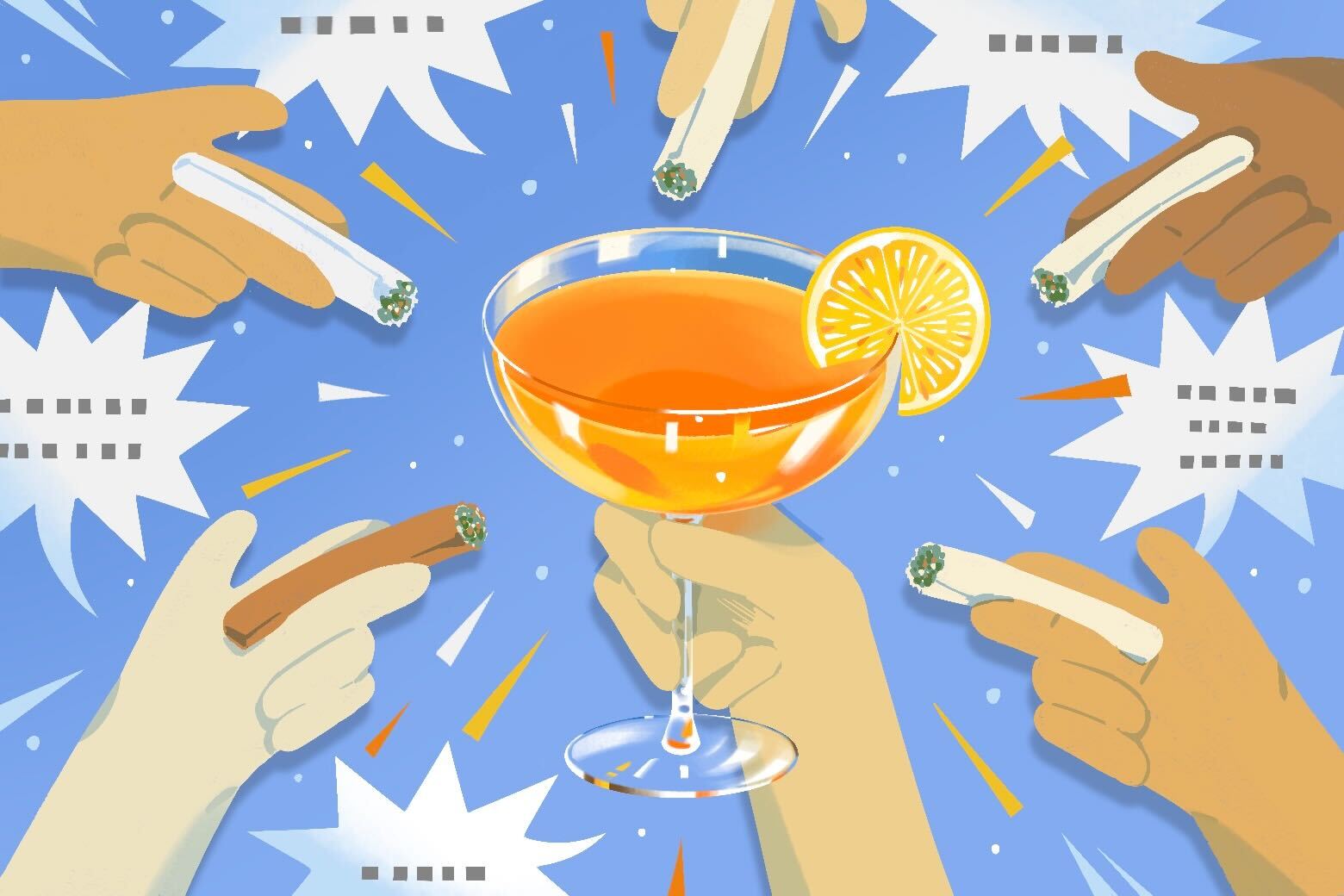
2 months agoThe Trump Administration Is Right That We Should Stop Counting Our Alcoholic Drinks. Do This Instead.
The average Thanksgiving meal, Johnson warned on social media, was "roughly equal in metabolic injury" to smoking seven cigarettes. He tabulated the average calories, fat, carbs, sugar, and salt of the typical spread, all high. And he painted a picture of the damage the meal would do to one's body: "massive glucose spikes," "oxidative stress," "immune suppression," "sleep disruption," and "acute endothelial dysfunction."
Food & drink




Mental health
fromSlate Magazine
1 month agoI Quit Drinking Years Ago, All Thanks to One Approach. I'm Afraid of What People Will Think.
AA can produce profound positive change while sharing superficial features with cults; emphasize voluntary, therapeutic, and noncoercive aspects when explaining benefits.
fromDigiday
2 months agoBeverage brands update Dry January marketing based on changing consumer habits
Today, people generally seek balance when pursuing their personalized wellness goals in a new year. That shift has made way for trends like "Damp January," which encourages creating more mindful drinking habits. With this evolution, brands in the nonalcoholic beverage space are fine-tuning their marketing campaigns to reflect year-round interest in alcohol moderation. By using cheerleading-like marketing language over a shameful tone, brands hope customers will feel more receptive to incorporating their beverages. And with more products entering the market - which now also includes functional drinks and cannabis tonics - these companies are stepping up their marketing spending to broaden their target audience.
Food & drink
fromBuzzFeed
2 months agoTrump's Latest Alcohol Guidelines Just Dropped, And Dr. Oz's Reaction Is...Something
Well, there are also new alcohol guidelines to go along with it. The new guidelines remove the previous recommendation that men limit their alcohol intake to two drinks or less per day and women to one or less. Now, the guideline simply advises, "Limit alcohol consumption for better overall health."
Public health
fromBusiness Insider
2 months agoI started following the 'one and non' drinking rule. Adding mocktails cut my drinking in half and helped me lose fat.
The CDC says even moderate drinking can increase health issues; going above the line, even more so. It recommends no more than one drink a day, which means around seven a week, for women (the amount doubles for men). Based on the NIAAA's guidance, having four or more drinks in a day counts as binge drinking, no matter how spaced out the drinks are. This was a rule I also broke fairly frequently at parties and weddings.
Public health
[ Load more ]