#dual-lens-camera
#dual-lens-camera
[ follow ]
#camera-technology #smartphones #mobile-photography #xiaomi-17-ultra #smartphone-cameras #smartphone #samsung




fromThe Verge
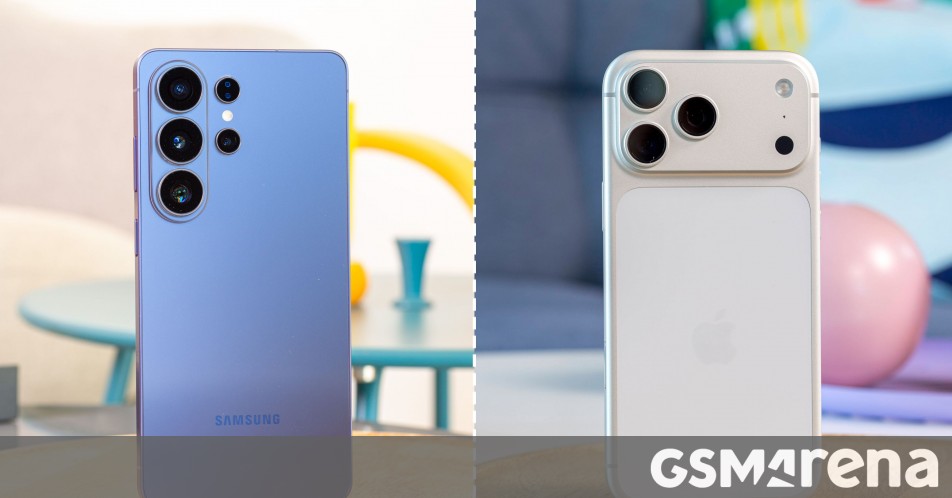
1 month agoThe Galaxy S26 is a photography nightmare
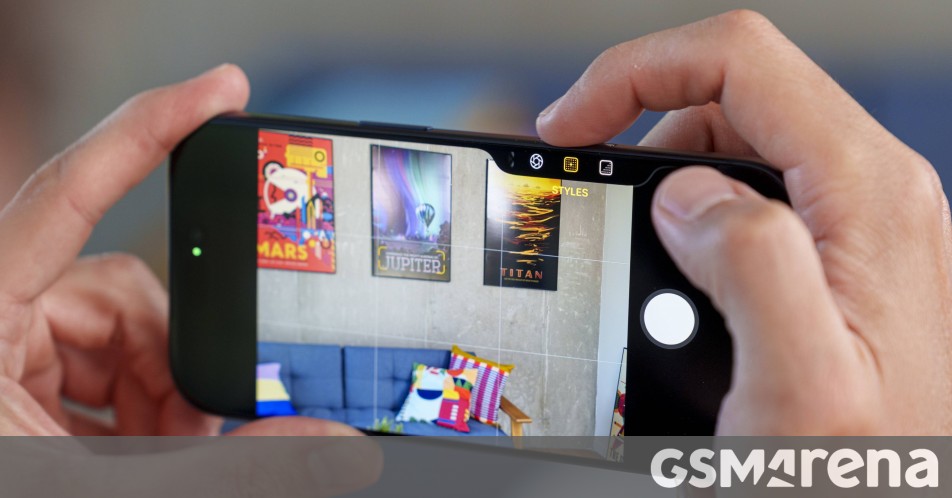
The new camera features, on the other hand, are neither of those things. They're something worse. Something scarier. On this episode of The Vergecast, Nilay and David discuss the new phones, then dive into the ways in which the S26's AI camera features seem to be clearly designed to change the whole idea of what happens when you try to take a picture.
Gadgets
fromGSMArena.com
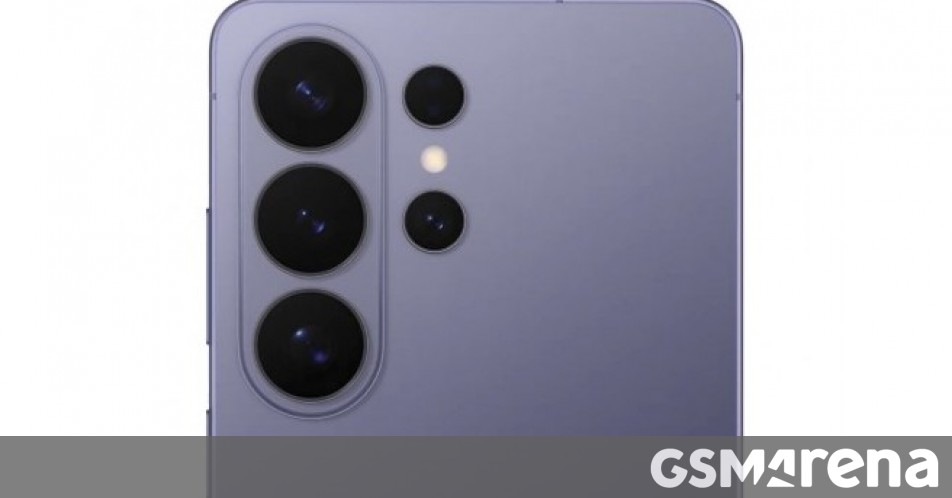
1 month agoThe Galaxy S26 Ultra doesn't have a periscope - here's why that matters
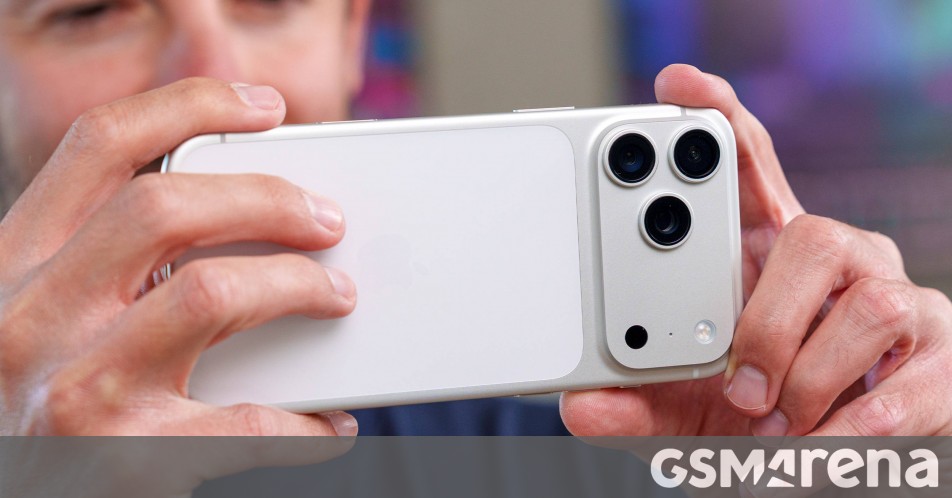
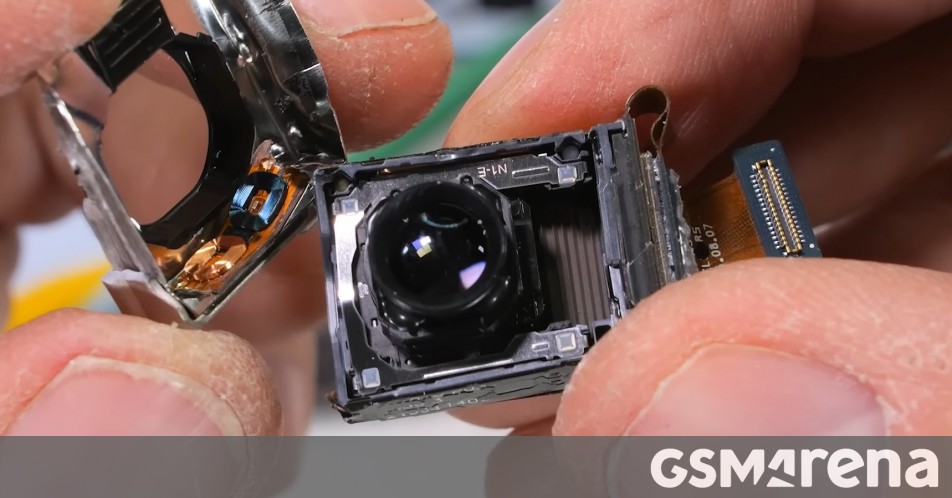
The S25 Ultra has a periscope lens, which uses a prism to bend the light 90°. This is pretty common especially at a focal length in this range (111mm). However, the new S26 Ultra uses a traditional lens design, the kind where the lens elements and the sensor are parallel with the phone.
Photography
Gadgets
fromEngadget
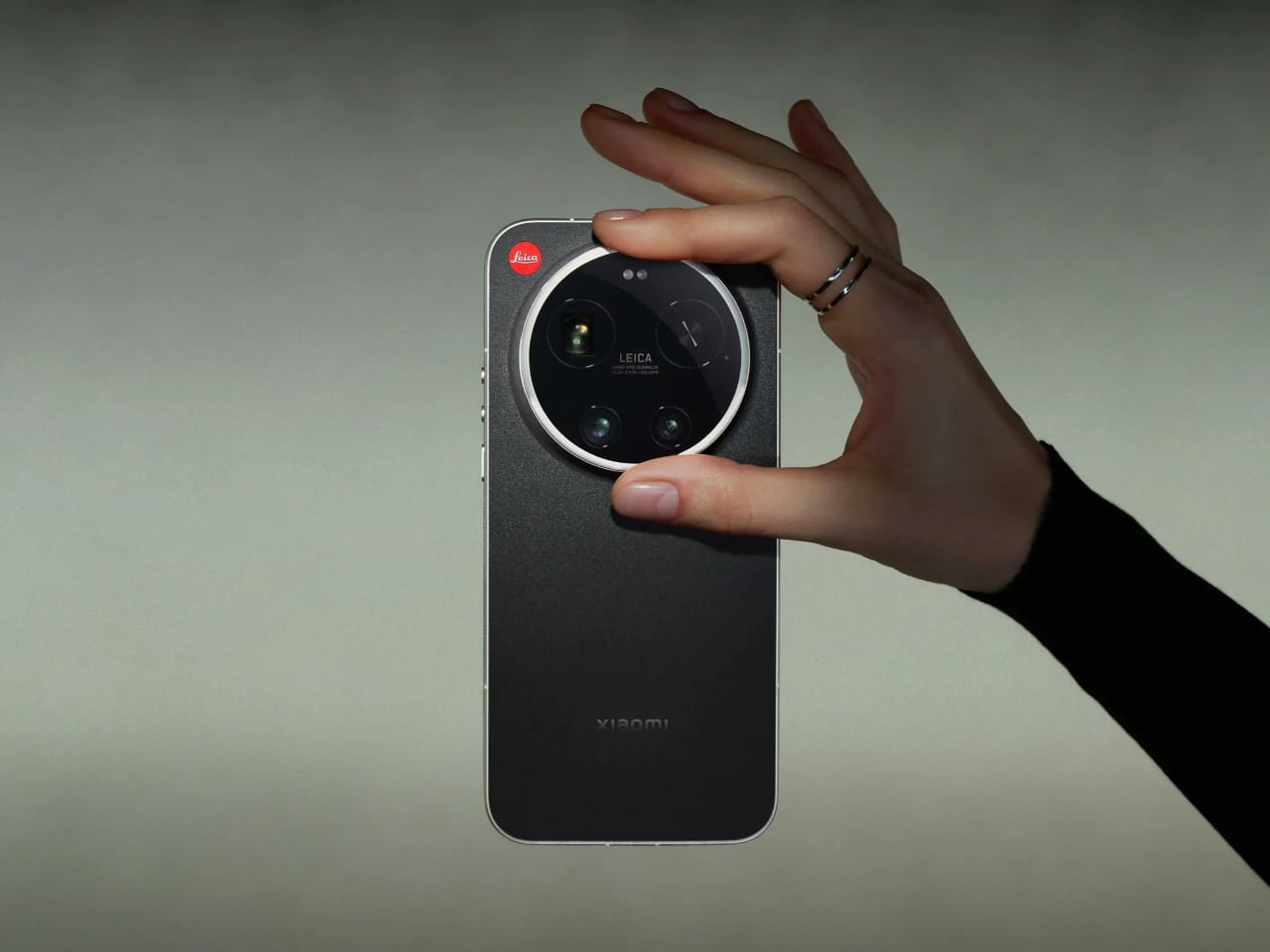
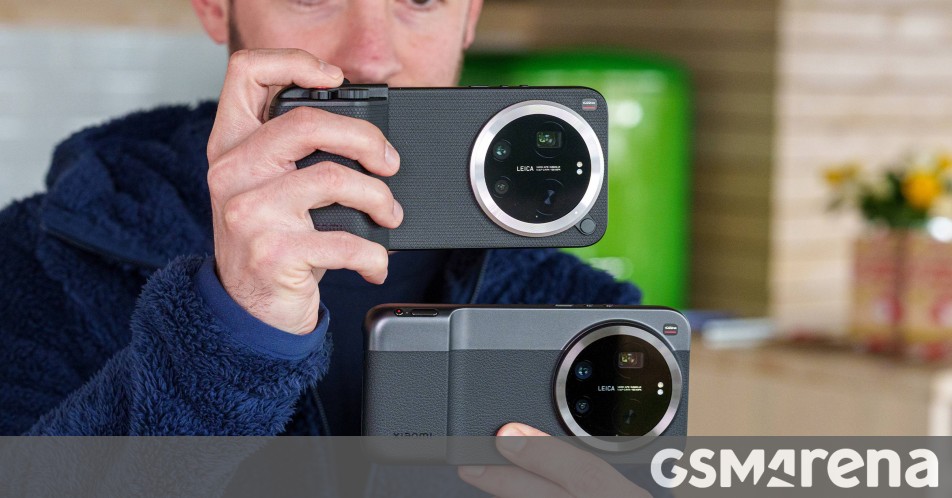
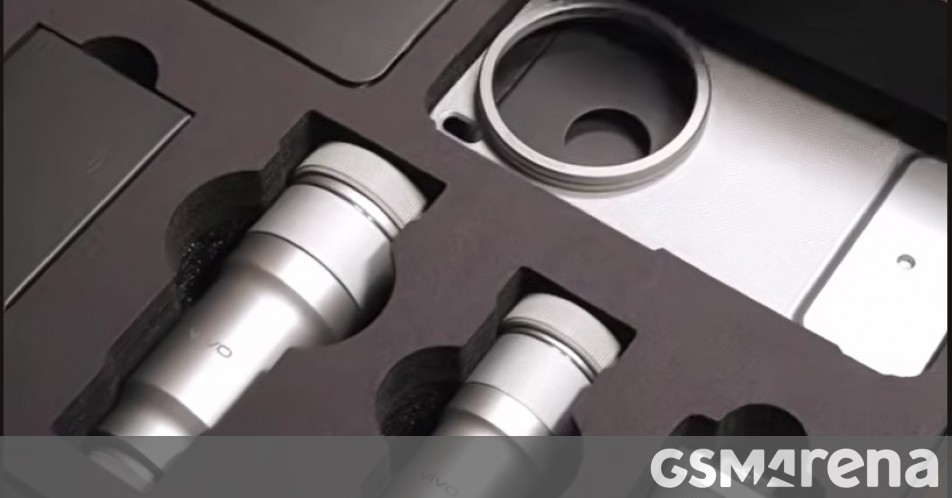
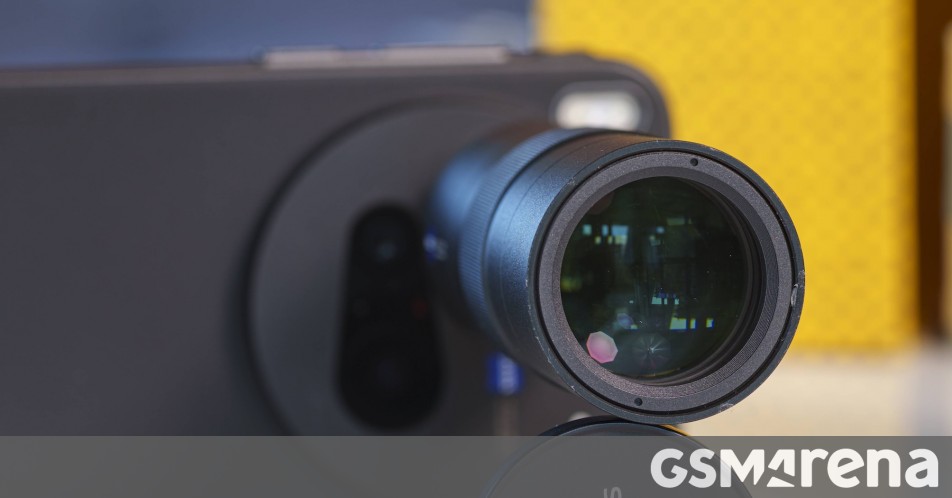
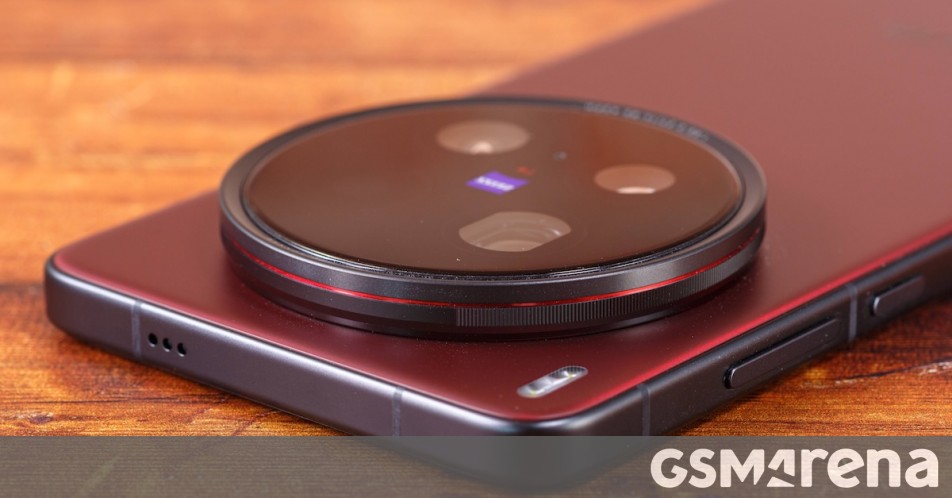
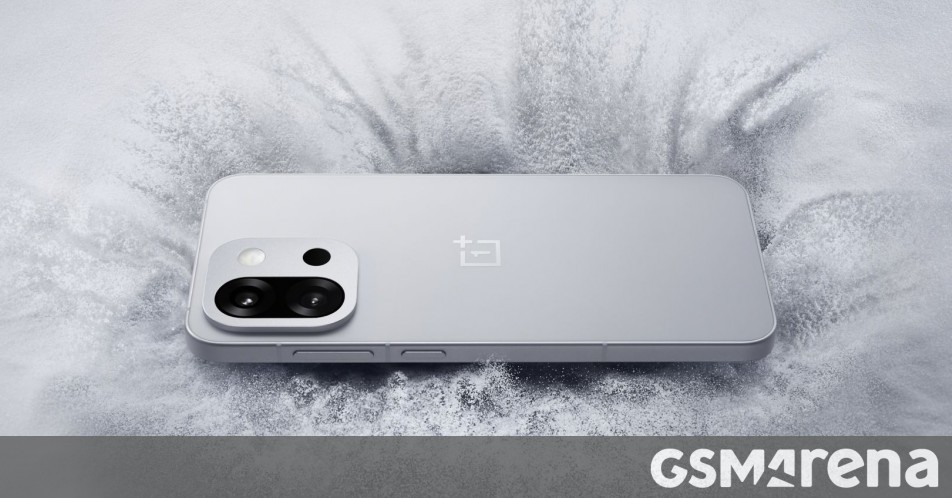
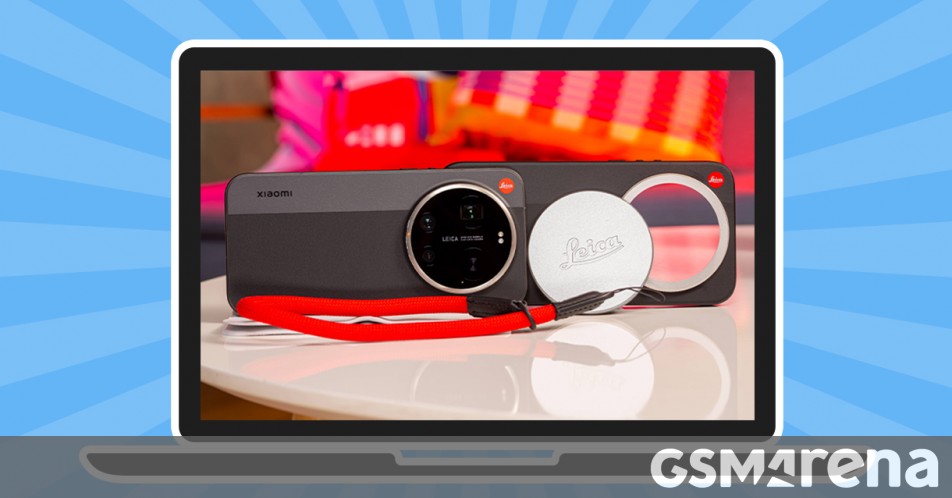
1 month agoLeica's Leitzphone by Xiaomi has a huge 1-inch camera sensor and a stylish new design
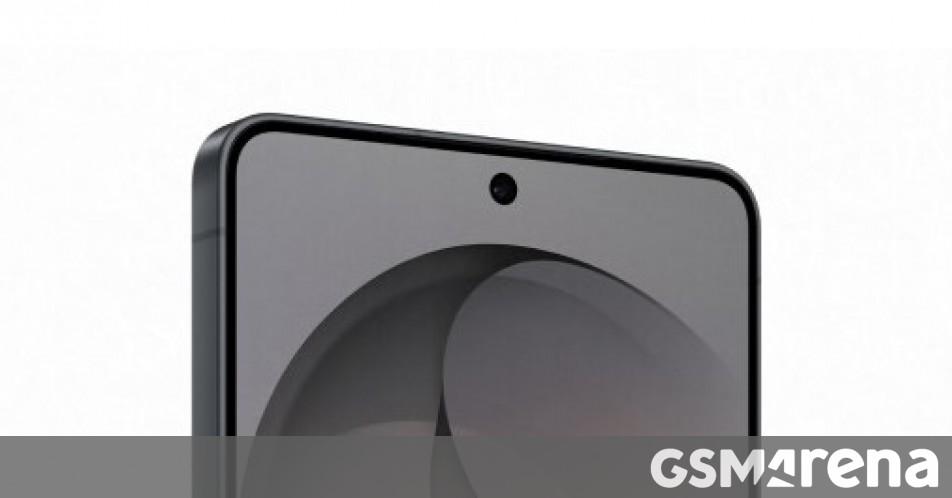
Xiaomi and Leica unveiled the Leitzphone, a deeper collaboration featuring a 1-inch camera sensor, Leica-designed interface, customizable camera ring, and single-tone design sold directly by Leica.

fromEngadget
1 month agoThe best budget cameras for 2026
If it's speed you want for sports or action shots of your kids, models like Canon's R50 can shoot bursts as fast as many high-end cameras. Creators, meanwhile, can choose Sony's ZV-E10 for vlogging jobs. There are also great, and cheap, models in the action and gimbal camera categories.
Gadgets
fromGSMArena.com
4 weeks agoSamsung might bring a Galaxy S26 camera feature to older flagships
Virtual Aperture already works on the Galaxy S25, S25+, and S25 Ultra via the Expert RAW app, but only for the main camera. Having it available for the telephoto as well would obviously improve its usability.
Mobile UX
fromGSMArena.com
2 months agoWhy Camera Hardware Is Back at the Centre of Smartphone Photography
In recent years, smartphone photography has become increasingly dominated by software. Computational imaging, AI processing, and post-capture optimisation now play a central role in how images are produced. Yet as these techniques become more widespread, camera hardware is once again emerging as a key differentiator. The REDMI Note 15 Pro 5G Series reflects this shift clearly, placing renewed emphasis on sensor capability and optical fundamentals rather than relying solely on software to define image quality.
Gadgets


fromThe Verge
2 months agoThe telephoto is the only phone camera that really matters
Samsung's Galaxy S20 Ultra wasn't the first phone to feature a periscopic telephoto lens - both Huawei and Oppo beat the Korean company to it - but it was the first in the US to make such a big deal about it. Almost all of Samsung's marketing for the S20 Ultra centered on its so-called Space Zoom, its 5x optical folded periscope lens, capable of digitally zooming much further.
Gadgets
fromWIRED
2 months agoThe Sony A7V Is the Best Mirrorless Camera You Can Buy
Perhaps the most anticipated new camera of 2025, Sony's new A7V mirrorless camera just squeaked onto the scene before the end of the year. The A7 series is Sony's all-around camera. It lacks the resolution of the A7R cameras and the video focus of the A7S cameras, but in some ways offering enough of the best of those to make the plain A7 the best choice for most people.
Photography
fromGSMArena.com
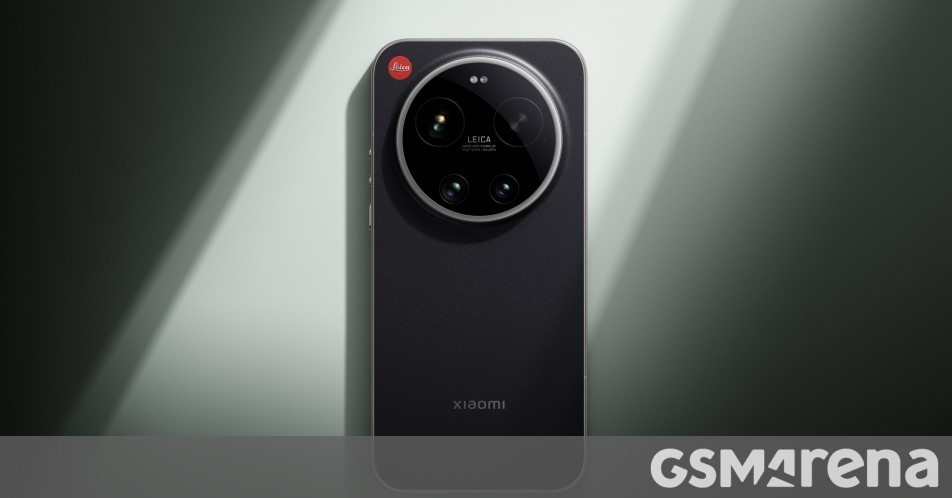
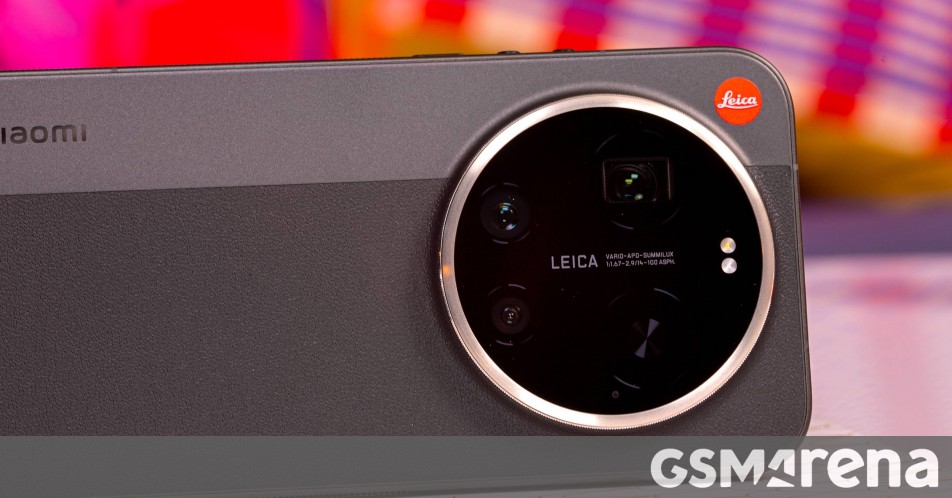
1 month agoSamsung teases the Galaxy S26 Ultra's nighttime photography chops
The teaser is all about "vibrant night even in low light", and while Samsung doesn't explicitly mention which device it's talking about, we assume it's the Galaxy S26 Ultra, since that one will have the best cameras of the trio. Of course, Samsung's competitors from China may rightly point out that you need big sensors for nighttime photography, since they can take in more light,
Gadgets
fromGSMArena.com
1 month agoXiaomi 18 Pro tipped to feature dual 200MP cameras
The Xiaomi 18 series is expected to debut later this year and will likely comprise a standard model alongside the Xiaomi 18 Pro. While details about the lineup remain scarce, a new leak suggests that the devices could feature a dual 200MP camera setup. According to tipster Digital Chat Station, an upcoming compact flagship with a 6.3-inch display is tipped to feature dual 200MP rear cameras.
Gadgets
fromGSMArena.com
1 month agoIntriguing Realme GT 9 and GT 9 Pro camera details leak
The GT 9 Pro would keep that, presumably, while also employing a 200MP main camera. Two 200MP cameras on one phone will be a massive trend in China later this year, with the Oppo Find X9s, Oppo Find X9 Ultra, and vivo X300 Ultra all expected to have such a setup.
Mobile UX
fromGadgets 360
13 years agoSamsung Galaxy Camera vs Nikon Coolpix S800C
For millions of people, the ability to share a fresh photo wirelessly - Facebook, Twitter, e-mail, text message - is so tempting, they're willing to sacrifice a lot of real-camera goodness. That's an awfully big convenience/photo-quality swap. A real camera teems with compelling features that most phones lack: optical zoom, big sensor, image stabilization, removable memory cards, removable batteries and decent ergonomics. (A four-inch, featureless glass slab is not exactly optimally shaped for a hand-held photographic instrument.)
Gadgets
fromYanko Design - Modern Industrial Design News
2 months agoHonor Magic8 Pro Review: Brilliant Night Shots, Big Battery, Built to Last - Yanko Design
On paper, the Honor Magic 8 Pro is all about a trio of promises. It leans on a suite of AI features that aim to make the phone feel smarter and more helpful in the background. It builds around a camera system that claims strong low-light performance and long-range telephoto power. It wraps everything in a premium OLED display that is bright, sharp, and clearly meant to impress the moment you turn it on.
Gadgets
fromEngadget
2 months agoEngadget review recap: Valerion VisionMaster Max, Canon EOS R6 III and Samsung Bespoke Fridge
Engadget has been testing and reviewing consumer tech since 2004. Our stories may include affiliate links; if you buy something through a link, we may earn a commission. Read more about how we evaluate products. Catch up on the recent reviews published by Engadget. Our reviews team is rested up after the CES grind and we're back to business. This week we reviewed the latest devices from Valerion,
Gadgets
fromwww.gsmarena.com
2 months agoHonor Magic8 Pro Air camera specs emerge
Honor revealed that its upcoming flagship will feature a 50MP main cam armed with a 1/1.3 sensor. It will be paired with a 64MP periscope telephoto lens. Tipster UniverseIce chimed in with more details, claiming the main cam will feature an f/1.6 aperture and 23mm equivalent focal length. The periscope telephoto will apparently get an f/2.6 aperture and 74mm equivalent focal range. The module will also offer 3.2x optical zoom and up to 100x digital zoom.
Mobile UX
fromGSMArena.com
2 months agoFuture iPhone models could get a multispectral sensor for improved imaging
Multispectral imaging works by capturing light in several distinct wavelength bands, including those not visible to the human eye. This enables more detailed information capture when compared to traditional RGB sensors, which only detect red, green, and blue wavelengths. Using multispectral sensors could help future iPhones achieve better material separation and improved depth perception, with the latter resulting in more accurate portrait photos.
Mobile UX
[ Load more ]