#dubonnet
#dubonnet
[ follow ]
#cocktails #mixology #vermouth #cocktail-recipes #martini #craft-cocktails #olive-oil #liqueurs #bloody-mary
Paris food
fromTravel + Leisure
3 weeks agoThis French City Is a Wine Lover's Dream Just 2 Hours From Paris
Bordeaux has transformed into a cultural and culinary destination attracting Parisians, accessible via two-hour TGV train rides and offering wine experiences, museums, luxury hotels, and fine dining.


fromDefector
1 month agoPeople Of America, It Is Cocktail Hour | Defector
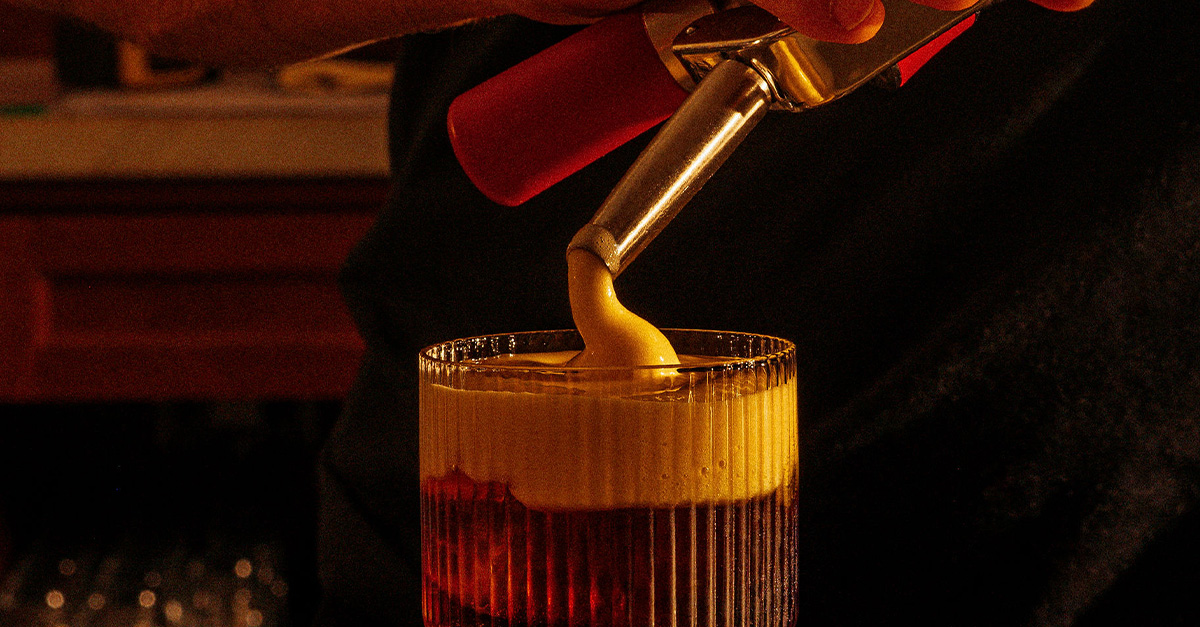
But then the playoffs arrive, and you and I are reminded of what makes twilight football-outdoors and on grass-special. You start off in broad daylight as both teams fuck around for a quarter or two. Then the sun slowly begins to bleed away, taking all distractions along with it as it sinks below the horizon. Now we're in primetime, when everyone is watching. Now every player on the field is in the spotlight, and you, the viewer at home, are dialed in.
National Football League
fromPARIS BY MOUTH | WE'RE DELICIOUS
6 months agoRobert et Louise | PARIS BY MOUTH
Live-fire cooking defines Robert et Louise, a Marais institution where beef, lamb, and duck sizzle over an open fireplace in the ground-floor dining room. The wood-fired approach delivers generous portions at moderate prices - most mains stay under 30€, with classic French bistro fare like blood sausage, grilled lamb chops, and charred steak. The main floor centers on a crackling brick fireplace where meat cooks directly over flame.
Paris food
fromEater Portland
1 month agoDessert Comes With Bonbons and a Romance Novel at Bar Nouveau
A wall near the entryway is plastered with pages from Mastering the Art of French Cooking, and thrifted gold candle sconces line the walls. Diners are greeted with thimble-sized welcome cocktails and eat off tea party-like floral-painted plates atop doilies. But the whimsy doesn't stop there: At the end of your meal, the check comes tucked inside an old romance novel, a nod to chef Althea Grey Potter's grandmother, who loved to read romance novels in the bathtub.
Dining
Cocktails
fromTasting Table
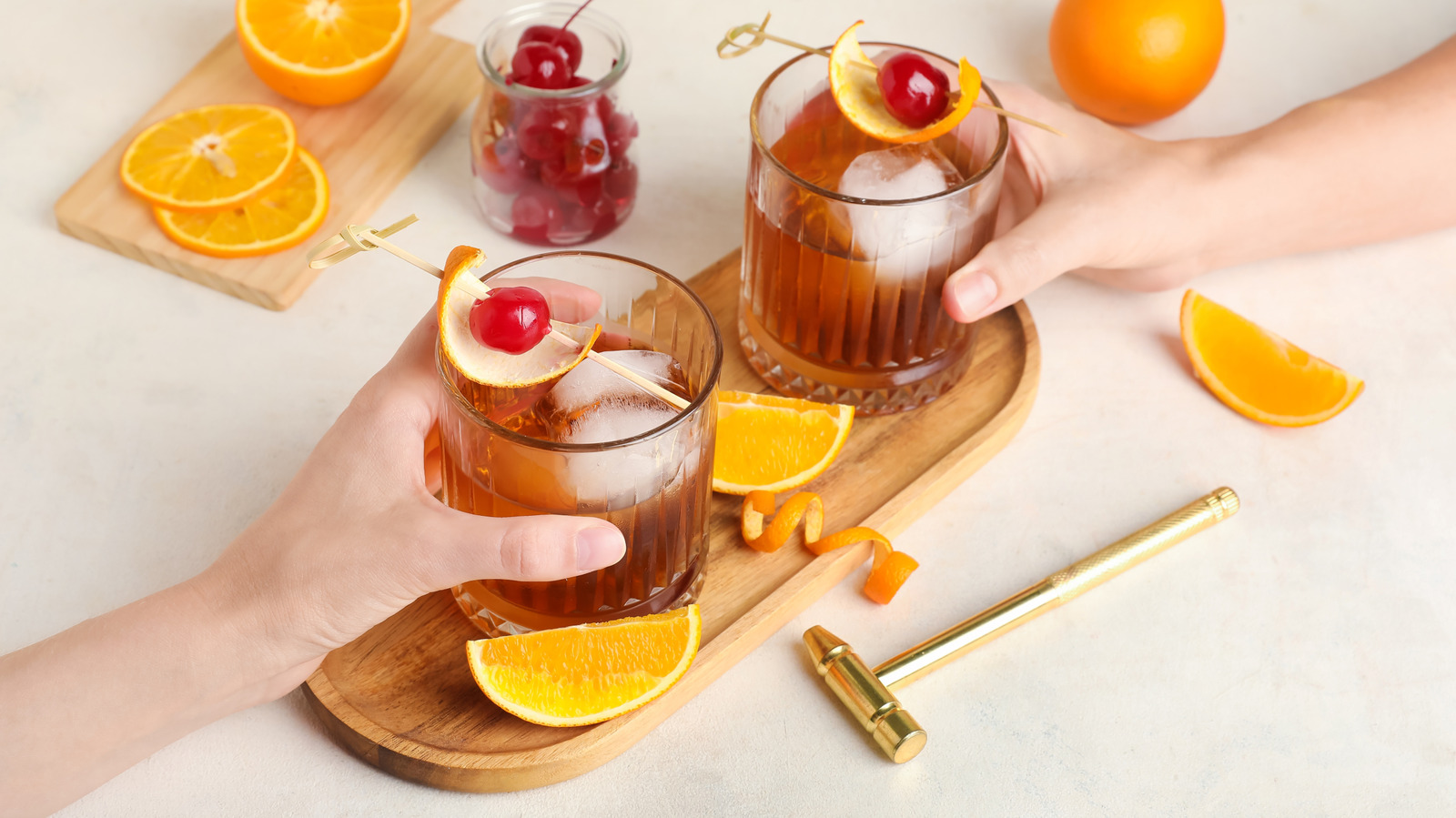
3 weeks agoThe 2-Ingredient Milk And Honey Cocktail That Goes Down Smooth Cold Or Warm - Tasting Table
The milk and honey is a two-ingredient dessert cocktail combining Bénédictine liqueur and milk, offering a decadent, complex flavor profile that's quick to prepare for any occasion.
fromPortland Monthly
2 months agoBar Nouveau Is a Scrappy Send-Up to French Cookbook Cuisine
Bar Nouveau might change that. Just off North Lombard, it's housed inside a refurbished 1940s building called Leavitt Station, a setting that matches the restaurant's avowedly midcentury sensibility. There are no Resys to reserve, no QR codes. You book by the increasingly retro medium of text message. Chef Althea Grey Potter cooks French food without Francophile reserve. Her plates arrive like something from Julia Child or Alice Waters, whose cookbooks adorn the entryway. A decadent bouffant of chicken liver mousse, heaped like ruffled cupcake frosting atop sablé cookies, is fit for an Eisenhower-era Gourmet cover. Fried olives present like a French Scotch egg, wrapped in pâté, stuffed with melty Cantal Jeune, and served over honey mustard.
Food & drink
fromPortland Monthly
1 month agoNA Bubbles and Grilled Cheese at L'Orange's Sibling Wine Bar
Instead of being dropped to a sober corner, a few nonalcoholic sparkling wines are listed right next to the German Rieslings and proper Champagnes, simply marked with an icon indicating their NA status. It's a way to give due respect, says co-owner and beverage director Jeff Vejr, and to note that these wines are delicious. They aren't necessarily cheaper than their boozy counterparts, either. "To dealcoholize wine is way more expensive than to just produce it naturally," Vejr says.
Wine
Cocktails
fromTasting Table
4 weeks agoThis Pantry Ingredient Gives Cocktails And Mocktails An Instant Boost - Tasting Table
Vinegar creates complex acidity in cocktails and mocktails, with shrubs—drinking vinegars made from fruit, sweetener, and vinegar—offering an easy way to balance sweetness with bright tartness.
Wine
fromFortune
1 month ago'You can't have fun if you don't drink alcohol in France': Paris wine show tackles a teetotal era | Fortune
Zero- and low-alcohol beverages are gaining market share as social alternatives, driven by changing consumer habits and industry adaptation amid declining traditional alcohol consumption.
Cocktails
fromTasting Table
1 month agoMix Aperol With These 2 Drinks For The Effortlessly Refreshing Cocktail Of Your Dreams - Tasting Table
Aperol extends beyond Aperol Spritz into classic cocktails, exemplified by il Bracco's frozen Greyhound variation combining gin, Aperol, grapefruit juice, and lemon juice.
fromTasting Table
1 month agoThe Hands Down Best Way To Drink Contemporary Gins - Tasting Table
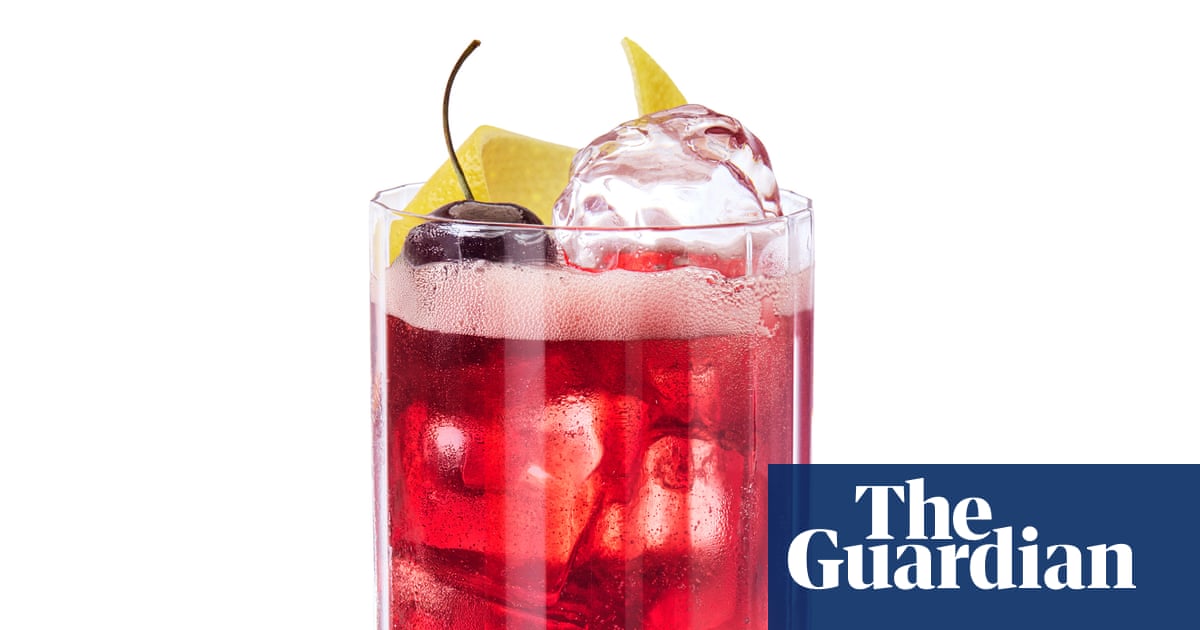
"I wouldn't say the bramble is the only way to enjoy contemporary gin, but it's absolutely one of the most flattering cocktails to highlight the category," says Justin Lavenue, co-owner of Austin's famed cocktail bar The Roosevelt Room. "Contemporary gins, which tend to lean away from heavy juniper and more toward citrus, floral, root, and herbaceous notes, shine in cocktails where those subtleties have room to breathe. Unlike many other gin-based classics, the bramble gives them exactly that platform."
Cocktails
Cocktails
fromTasting Table
2 months agoJacques Pepin Keeps This Simple Cocktail In Steady Rotation - And It's Unexpectedly Familiar - Tasting Table
Reversing a Manhattan's ratio to favor sweet vermouth creates a lower-ABV, vermouth-forward cocktail with similar familiar flavors and greater mixing flexibility.
fromBon Appetit
2 months agoWe Taste-Tested the Best Brunch-Worthy Bloody Mary Mixes
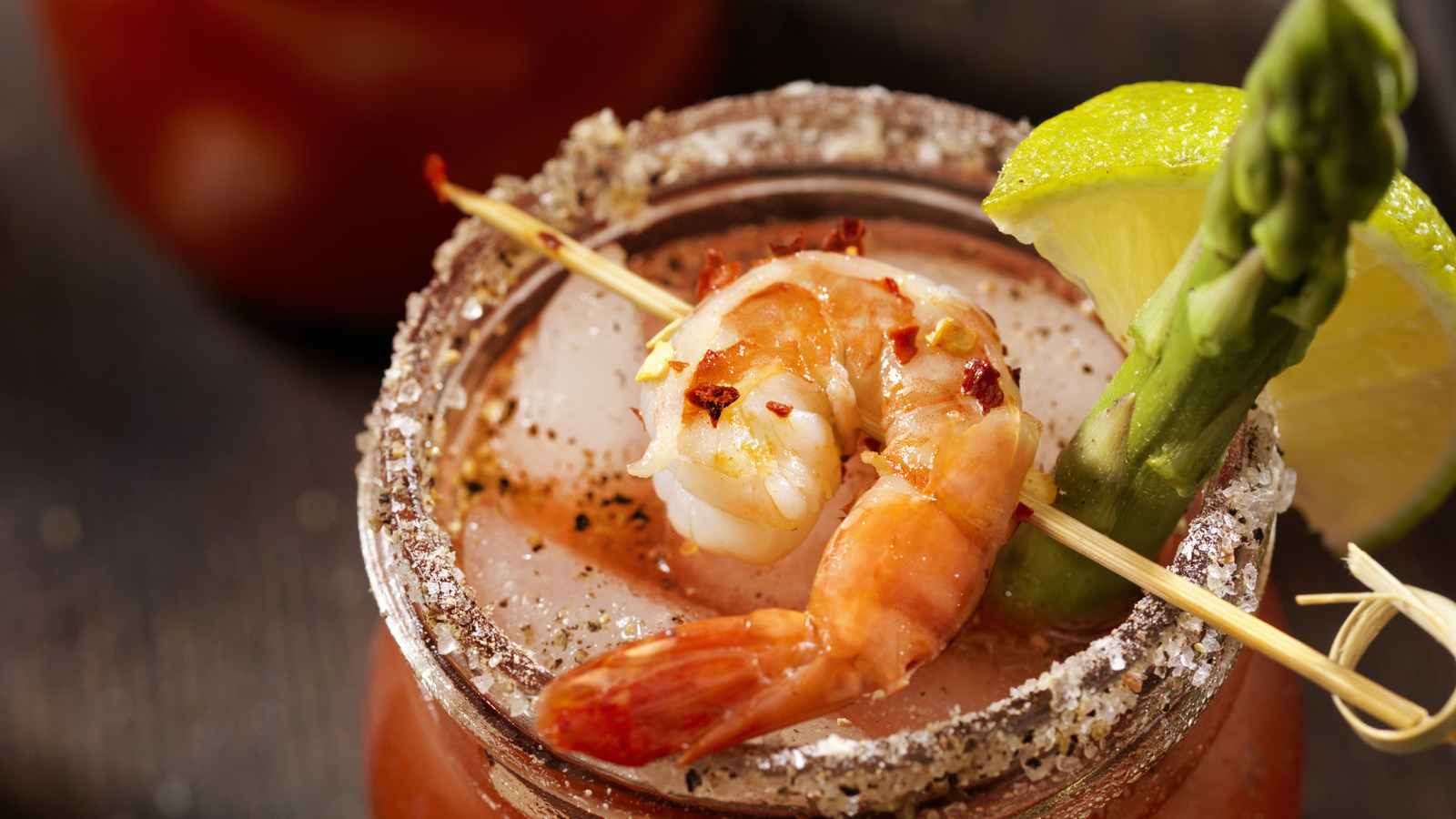
When the US embraced Prohibition, the country's drinking culture radically changed. Speakeasies popped up, illegal alcohol smuggling routes were established, and new drinks exploded in popularity. Among them: The Tomato Cocktail, a hangover cure described in one recipe from the 1929 cookbook "Here's How Again! " as "a very simple concoction" that was "guaranteed to pick you up no matter how low you have fallen." This (admittedly dramatic-sounding) drink is the progenitor of the Bloody Mary we know today.
Cocktails
[ Load more ]