#dutch-disease
#dutch-disease
[ follow ]
#middle-east-conflict #oil-prices #energy-prices #geopolitical-tensions #windfall-tax #geopolitical-risk
#windfall-tax
Europe news
fromFortune
14 hours agoEuropean ministers urge EU to impose windfall taxes on energy companies as prices spike 'to ensure that this burden is distributed fairly' | Fortune
European finance ministers are urging a bloc-wide windfall tax on energy companies to address rising oil and gas prices and inflation concerns.
#oil-markets
World politics
fromLondon Business News | Londonlovesbusiness.com
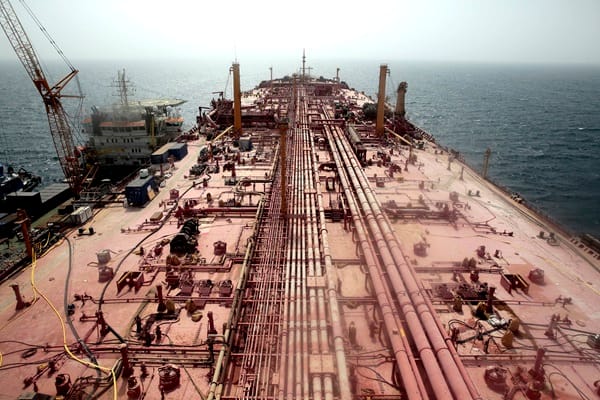
2 days agoCrude oil between geopolitical escalation and dollar pressure - London Business News | Londonlovesbusiness.com
Geopolitical factors and monetary conditions are significantly influencing global oil prices, reflecting uncertainty rather than traditional supply and demand.
World politics
fromLondon Business News | Londonlovesbusiness.com
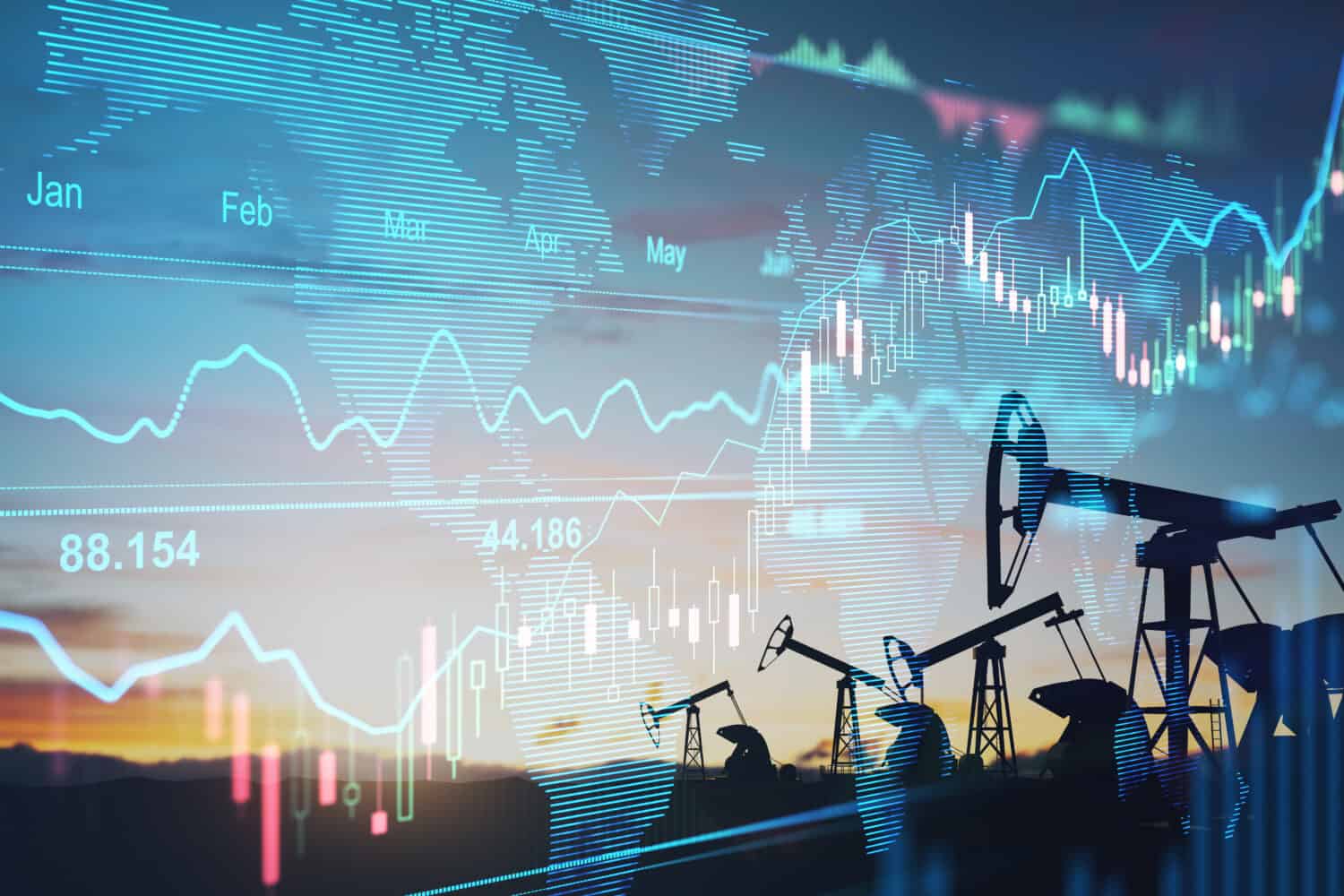
2 days agoCrude oil between geopolitical escalation and dollar pressure - London Business News | Londonlovesbusiness.com
Geopolitical factors and monetary conditions are significantly influencing global oil prices, reflecting uncertainty rather than traditional supply and demand.
#uk-energy-policy
Environment
fromLondon Business News | Londonlovesbusiness.com
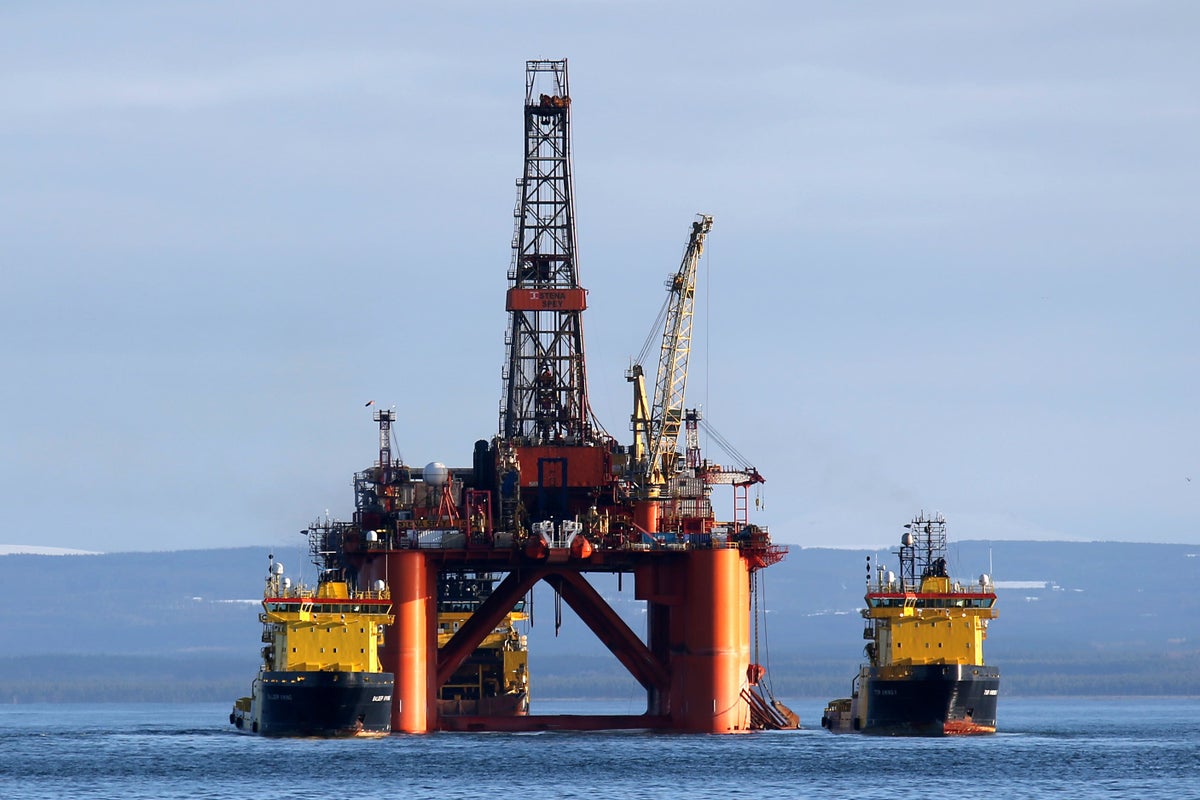
1 week agoGovernment urged to drill in the North Sea to boost oil and gas production - London Business News | Londonlovesbusiness.com
The UK must increase domestic oil and gas production to enhance energy security and reduce greenhouse gas emissions.

Europe politics
fromIrish Independent
2 weeks agoRising energy prices: Limited measures expected - but Government rules out Russia-Ukraine crisis style support package
Ireland's government plans short-term, limited cost-of-living measures in response to geopolitical tensions, rejecting large-scale intervention like those following Russia's 2022 invasion of Ukraine.
European startups
fromTechzine Global
2 weeks agoBetter connected business technology is essential for prosperity in the Netherlands
The Netherlands produces strong startups but only 21.5% scale up; system fragmentation and data silos create hidden barriers to growth that drain resources and decision-making capability.
Germany news
fromwww.dw.com
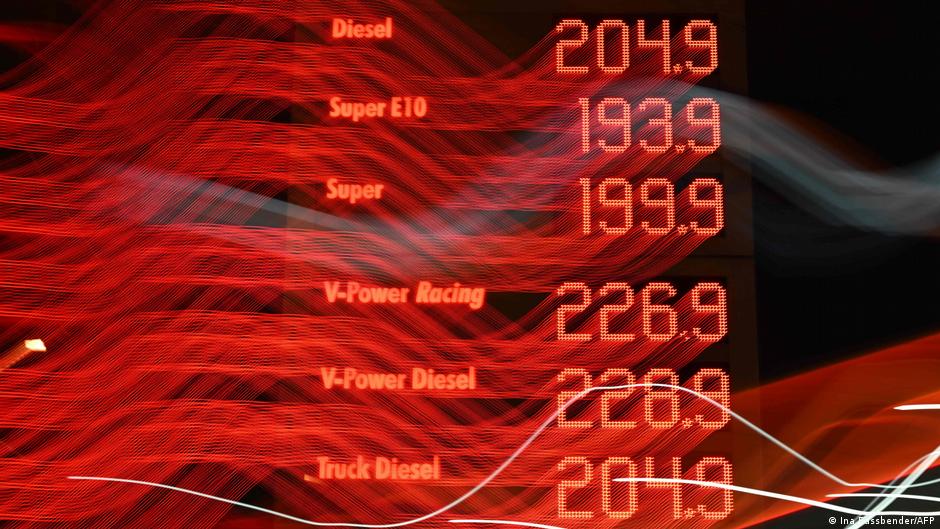
2 weeks agoGermany considers windfall tax amid rising fuel prices
German fuel prices surged due to Iran conflict disrupting global oil supplies, with diesel rising 42 eurocents and petrol 27 cents per liter since late February, prompting government caution on relief measures.

World politics
fromLondon Business News | Londonlovesbusiness.com
2 weeks agoOil prices in times of instability: Fortrade review and analysis - London Business News | Londonlovesbusiness.com
Middle East military tensions threaten the Strait of Hormuz, a critical shipping corridor for one-fifth of global oil, creating uncertainty in crude oil prices through perceived supply disruption risks.
from24/7 Wall St.
3 weeks agoTankers Surge on Rising Oil Prices: FRO, NAT, DHT Add to Massive 2026 Returns
When geopolitical tensions disrupt normal shipping routes through the Strait of Hormuz or the Red Sea, tankers must travel longer distances to deliver crude oil. More days at sea means higher utilization rates and more revenue per voyage. On top of that, higher oil prices increase the value of the cargo being transported, which supports stronger charter rate negotiations between tanker owners and the oil majors that need their ships.
World news
UK politics
fromwww.independent.co.uk
2 weeks agoExperts issue verdict on whether North Sea drilling will reduce UK energy bills
Renewable energy could save UK households up to £441 annually, vastly outpacing North Sea drilling's potential savings of £16-£82, which require government tax redistribution to materialize.
fromLondon Business News | Londonlovesbusiness.com
2 weeks agoECB decision and high oil prices fuel caution - London Business News | Londonlovesbusiness.com
Markets remain fragile amid persistent geopolitical tensions in the Middle East, which have pushed oil prices higher and revived concerns about inflation in Europe. While interest rates are expected to remain unchanged, attention could turn to the ECB's forward guidance and assessment of energy-driven price risks.
Europe news
World news
fromLondon Business News | Londonlovesbusiness.com
1 month agoGlobal gas producer has 'declared a Force Majeure' on contracts as war widens - London Business News | Londonlovesbusiness.com
QatarEnergy declared force majeure on LNG shipments after drone strikes linked to Iran damaged production infrastructure at Ras Laffan Industrial City, suspending gas and fertilizer production.
fromwww.dw.com
3 weeks agoGermany, others partially release oil reserves amid Iran war
Germany, Austria, Japan, and France all signal movement. German Economy Minister Katherina Reiche called a lunchtime press conference in Berlin, a day after Finance Minister Lars Klingbeil had said the government was open to releasing some of its reserves. At around the same time, Austria's government said it would limit increases in diesel and gasoline prices at fuel stations to once per day and that it would take part in international plans to release some of the oil reserves.
Germany news
Europe news
fromLondon Business News | Londonlovesbusiness.com
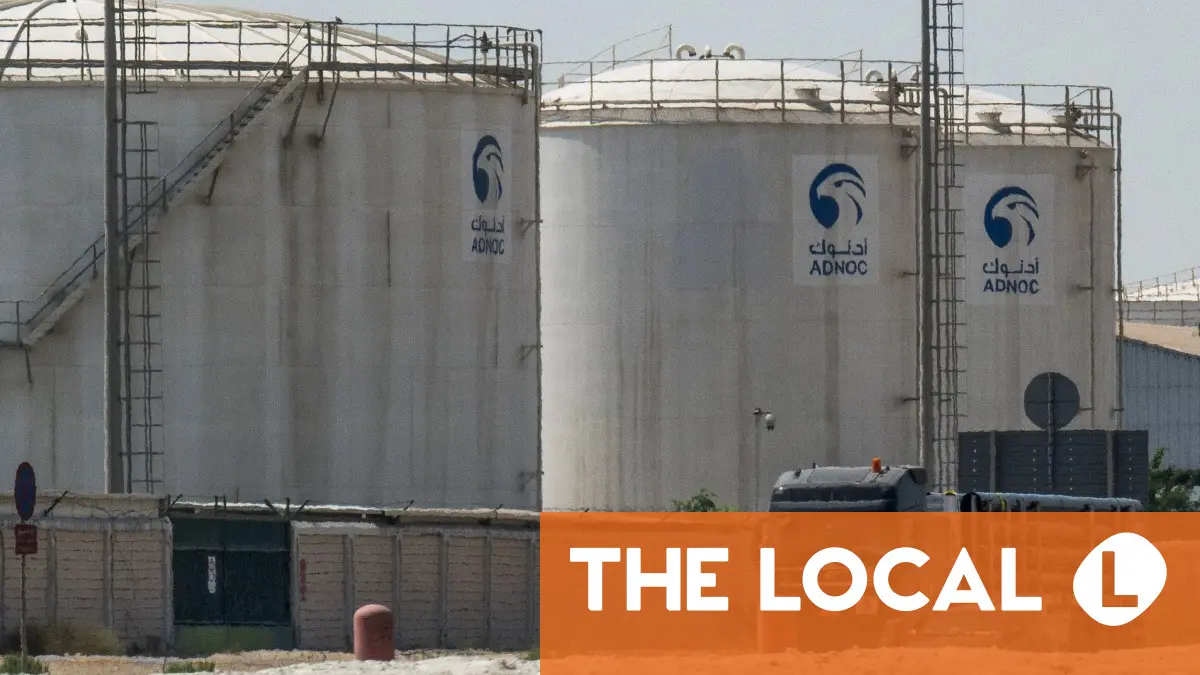
1 month agoMiddle East is likely to impact diesel prices across Europe - London Business News | Londonlovesbusiness.com
Military escalation between the US, Israel, and Iran has caused crude oil prices to surge 10-12%, with the Strait of Hormuz disruption threatening global energy markets and European fuel supply chains.

Business
fromLondon Business News | Londonlovesbusiness.com
1 month agoHeineken to cut thousands of jobs amid 'challenging market conditions' - London Business News | Londonlovesbusiness.com
Heineken plans to cut between 5,000 and 6,000 jobs globally—about 7% of its workforce—after weaker beer demand and declines in sales, revenue, and operating profit.
fromTechzine Global
1 month agoThe Netherlands risks missing out on AI gigafactory due to slow government
The Netherlands has the opportunity to build a European data center with 100,000 AI chips and 20 petabytes of storage, but the government is lagging behind in terms of financial commitment. Energy company Eneco and data center party Volt, who together want to build the AI gigafactory, warn that neighboring countries are moving ahead and emptying the EU subsidy pot of 20 billion euros. "While the Netherlands actually has very good conditions," according to Eneco.
Miscellaneous
[ Load more ]