#eco-restoration
#eco-restoration
[ follow ]



fromArchDaily
2 days agoColdefy Leads Winning Masterplan to Transform Budapest Brownfield into Rewilded Urban District
The regeneration plan includes over 10,000 apartments, new transportation links, and commercial and civic spaces, forming a comprehensive urban redevelopment strategy aligned with 15-minute city principles.
Renovation


fromHigh Country News
4 days agoForest Service overhaul sows confusion, concern - High Country News
"Nobody is asking for this. None of the farm groups want this. No one in conservation wants this. Nobody." Robert Bonnie, former Forest Service undersecretary, highlights widespread opposition to the reorganization.
Washington DC
Environment
fromwww.theguardian.com
1 day agoIf they pollute our rivers, what will become of us?': the town divided between hope and fear in Brazil's Amazon oil rush
Oiapoque, Brazil, is poised for development through oil production, raising concerns about environmental impacts and Indigenous rights amid a global energy transition.
#biomimicry
Design
fromYanko Design - Modern Industrial Design News
4 days agoBiomimetic Architecture Reaches New Heights With This Bird-of-Paradise Yoga Space - Yanko Design
Thilina Liyanage's architecture translates animal gestures into functional designs, exemplified by the Rifle Bird Yogashala inspired by the Victoria's riflebird's courtship display.
fromwww.theguardian.com
2 weeks agoSmall changes in how we garden can make a big difference to birds | Letter
Around a third of UK gardeners use pesticides, and our studies found that house sparrow numbers, for example, were nearly 40% lower in gardens where the pesticide metaldehyde was used. By reducing pesticide use, you can actively encourage birds back into your outdoor spaces, as they rely on invertebrates such as slugs and snails as natural prey.
Pets
Online marketing
fromSocial Media Explorer
3 weeks agoScrolling for Shade: What Homeowners are Actually Searching for Regarding Tree Care - Social Media Explorer
Social media tree-trimming trends prioritize aesthetics over proper arboriculture; professional pruning serves biological functions like wind resistance, not just visual appeal.
Mental health
fromwww.theguardian.com
3 weeks agoIt has changed my life': How a dose of nature is treating mental illness
Dose of Nature prescribes outdoor time as mental health treatment, achieving 64% recovery rates compared to NHS talking therapies' 50%, with nature exposure providing serotonin boosts and immune system benefits through phytoncides.
fromMail Online
4 days agoBritain has just 20 years to save its wildlife, experts warn
'Our results show that the next 20 years are critical,' lead author Dr Rob Cooke told the Daily Mail. 'By around 2050, we reach a point where the choices we make on emissions and land use will largely determine whether Britain moves towards a much more degraded or a much more nature‑positive future.'
Environment
fromdesignboom | architecture & design magazine
1 week agobionic tumbleweed ball heals damaged lands as it rolls around and plants seeds
The Wasteland Nomad is built from biochar and seeds of indigenous plants, which are both biodegradable materials. Biochar works like a sponge inside the soil, as it holds water, gives microbes a surface to live on, and locks carbon into the ground instead of letting it escape into the air.
Design
fromArchDaily
3 weeks agoBuilding with Earth: Traditional Knowledge in Contemporary Architecture
Rather than representing a simple return to the past, this renewed interest reflects a broader reconsideration of how architecture engages with materials, local resources, and environmental conditions.
Renovation
Design
fromArchDaily
2 weeks agoRethinking Architecture at the Scale of Planetary Systems
Contemporary architecture operates within interconnected technological systems—energy networks, data infrastructures, and global logistics—that fundamentally shape what can be built, its affordability, performance, and waste production.
fromEarth911
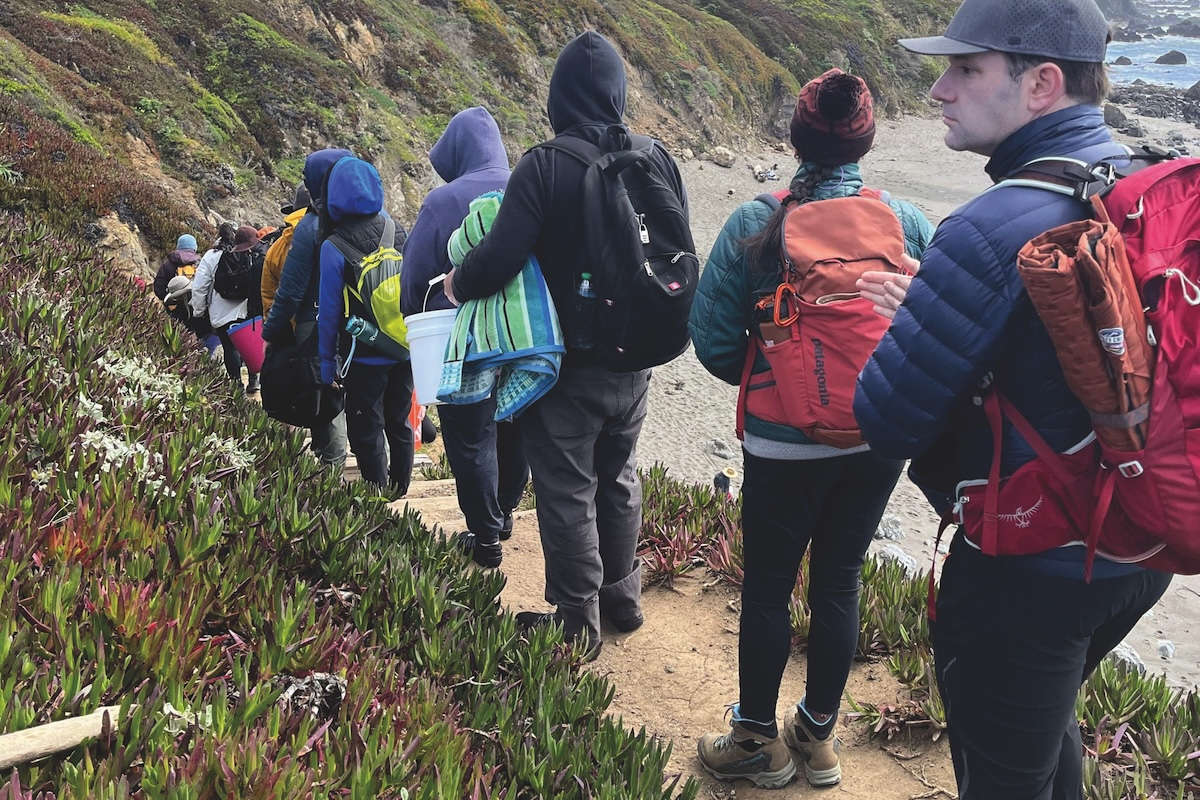
1 week agoSeed, Sprout, Spectacular: Tips for Starting Your Garden From Scratch
Starting plants from seed extends your relationship with the garden, gives you more control over seed sourcing, and saves real money compared to buying nursery starts, sometimes as much as 90% per plant.
Agriculture
Agriculture
fromdesignboom | architecture & design magazine
1 week agourban rewilding in practice: restoring london's heathland for humans, sheep, and ecology
Sheep grazing is proposed to regenerate urban heathland ecology, creating a continuous ecological corridor that supports both human and non-human systems.
Environment
fromwww.theguardian.com
2 weeks agoEngland should give over 7% of land to nature and renewables to meet environmental targets, data shows
England must allocate 7% of its land to nature, forests, and renewable energy to meet environmental targets while maintaining food production and housing capacity.
Social justice
fromNature
1 month agoMy professor said 'Black people are not interested in the environment'. I set out to prove him wrong
Dorceta Taylor pioneered research, programs, and leadership to document and advance racial diversity, inclusion, and environmental justice within environmental science and conservation.
fromAeon
1 month agoIn solarpunk cities of the future, tech follows nature's lead | Aeon Essays
In Indra's Net of pearls and jewels, every gem reflects every other, a shimmering image of interdependence. This ancient Vedic metaphor for connection across the cosmos also illuminates what the environmental philosopher Glenn Albrecht first proposed in 2014as 'theSymbiocene': the era after the Anthropocene, in which human technologies take their cues from living systems and work in partnership rather than through dominance.
Philosophy
Agriculture
fromIndependent
2 months ago'It's a kind of rock-star lifestyle... but I always loved farming': Why ex-pro surfer swapped chasing waves for regenerative farming
Fergal Smith left a professional surfing career to practice regenerative farming and train Ireland’s next generation of sustainable farmers on Moy Hill Farm.


fromwww.dw.com
2 months agoThe business of saving nature
The world spends 30 times more money destroying nature than protecting it. That's according to a new report from the United Nations Environment Programme (UNEP) that exposes a massive gulf between so-called "harmful investments" and financing that promotes nature preservation. The global environment agency's latest "State of Finance for Nature" (SNF) report is calling to phase out the US$7.3 trillion (6.2 trillion) in global investments that damage nature including into high-emissions energy infrastructure and manufacturing, for example.
Environment
fromThe Mercury News
2 months agoContra Costa's ecosystem being restored, one indigenous plant at a time
Waterways across Contra Costa County are increasingly threatened by invasive plant species that engulf canals and drains, decreasing biodiversity and reducing safe habitats for wildlife. In an effort to address and restore the environment, the Contra Costa County Flood Control and Water Conservation District is working to reverse that trend. The district hosted its recent 12th annual Giving Natives a Chance event at the Clayton Valley Drain near Concord's Hillcrest Community Park, inviting volunteers from across the county to plant native species around waterways and drains.
Environment
fromNature
2 months agoTo improve resilience to climate change, track what endures
When the category-5 storm Hurricane Melissa struck Jamaica in October, its path crossed communities that had varying levels of preparedness. Many with maintained coastal protections, upgraded drainage and reliable early-warning systems had power and water restored in days. Others were immobilized for weeks.
Environment
fromwww.theguardian.com
2 months agoThe Guardian view on risks from biodiversity collapse: warnings must be heeded before it's too late | Editorial
Originally due to be published in the autumn, the review appears to have had some sections removed. An earlier version is reported to have included warnings about the risks of eco-terrorism and the growing likelihood of war between China, India and Pakistan due to competition over a shrinking water supply from the Himalayas.
Environment
[ Load more ]