Agriculture
fromTasting Table
6 hours ago13 Plants You Should Grow In A Laundry Basket Vegetable Garden - Tasting Table
Food insecurity drives people to grow their own food, even in small spaces like laundry baskets.
Around a third of UK gardeners use pesticides, and our studies found that house sparrow numbers, for example, were nearly 40% lower in gardens where the pesticide metaldehyde was used. By reducing pesticide use, you can actively encourage birds back into your outdoor spaces, as they rely on invertebrates such as slugs and snails as natural prey.
Rather than representing a simple return to the past, this renewed interest reflects a broader reconsideration of how architecture engages with materials, local resources, and environmental conditions.
The avocado seedlings enabled him to grow his farm income to close to 2m Kenyan shillings, with each mature avocado tree yielding 70kg annually. Improving farming methods and conserving the watershed has helped me to feed and educate my six children.
Last week, I was making my morning coffee-you know, the complicated order I'm too embarrassed to say out loud at coffee shops-when I noticed the pile of used grounds in my filter. For years, I'd been tossing these straight into the trash without a second thought. But then I remembered something my grandmother wrote in one of her letters years ago: "The garden teaches us that nothing is truly waste."
In Indra's Net of pearls and jewels, every gem reflects every other, a shimmering image of interdependence. This ancient Vedic metaphor for connection across the cosmos also illuminates what the environmental philosopher Glenn Albrecht first proposed in 2014as 'theSymbiocene': the era after the Anthropocene, in which human technologies take their cues from living systems and work in partnership rather than through dominance.
For someone aiming to end the global livestock industry, Bruce Friedrich begins his new book called Meat in disarming fashion: I'm not here to tell anyone what to eat. You won't find vegetarian or vegan recipes in this book, and you won't find a single sentence attempting to convince you to eat differently. This book isn't about policing your plate.
The term "soil fatigue" or exhaustion refers to the condition that soil profiles take on when they've been heavily monocropped and untended. This soil is devoid of the microbial content that offers plants bioavailable food. It lacks the fungal and bacterial organisms that interact with plant nutrients.
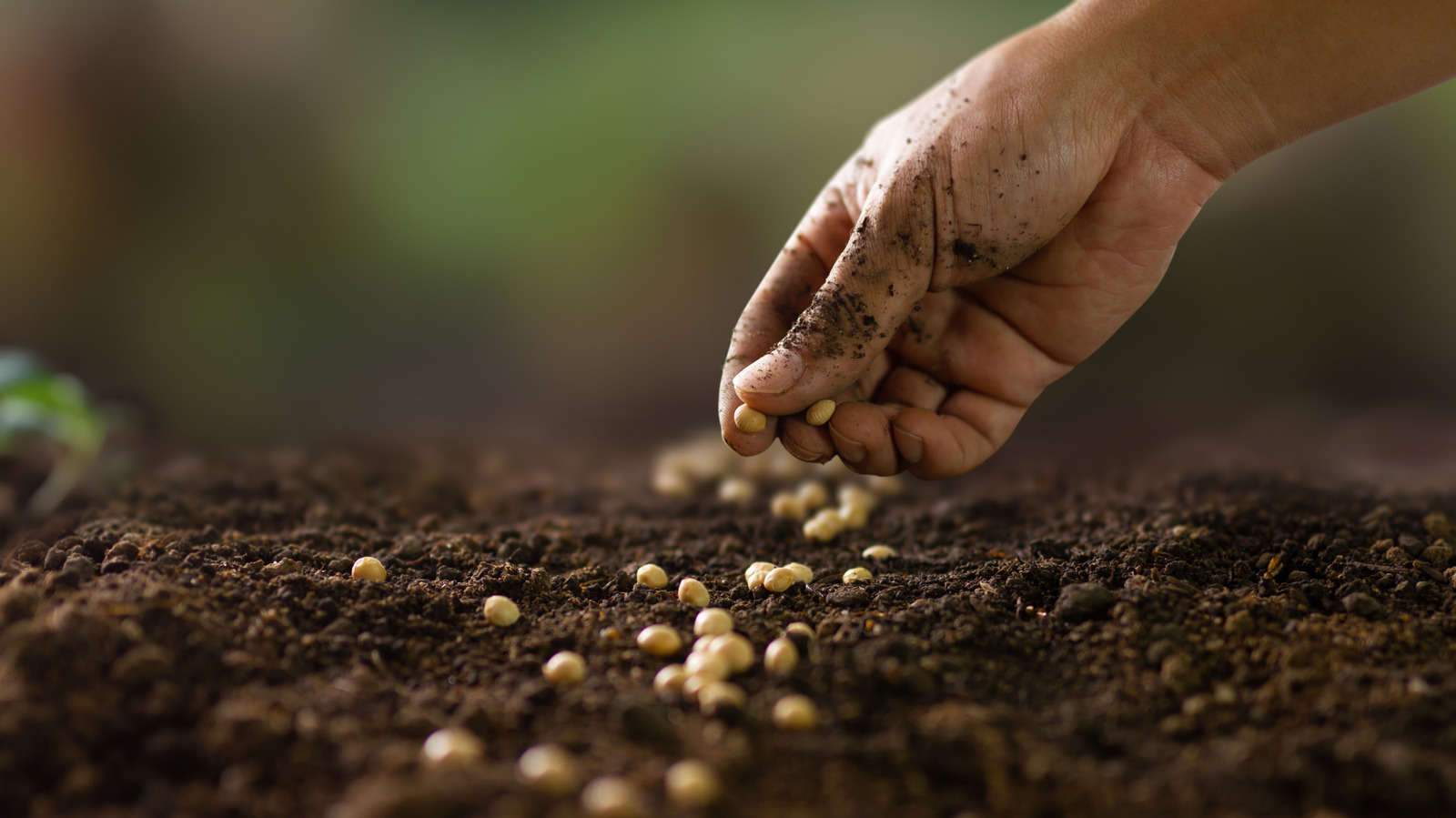
To an unimaginable eye, a seed looks inert. Yet they are packed with genetic information and biological processes poised to unfold. All it takes is the right configuration of signals and stimuli from the environment to let them know it's time to dare to grow.
My older brother has worked with pigs his entire adult life, managing about 70,000 of them across five counties, Faaborg says. But we got to a point where he went from laughing at me to saying: well, I guess maybe I'll quit my job and help you out. Now he's the most dedicated, says Katherine Jernigan, director of the Transfarmation Project at Mercy for Animals, a non-profit that helped the Faaborgs make the switch and set up their new business, 1100 Farm.
When you think of farming, what ingredients do you generally associate with a successful harvest? The basics certainly come to mind: fertile soil, plenty of sunlight and lots of water. But there are other variables that can also mean the difference between a crop of healthy fruits and vegetables and a large heap of organic waste. And it turns out that one of those variables is a very small hawk.
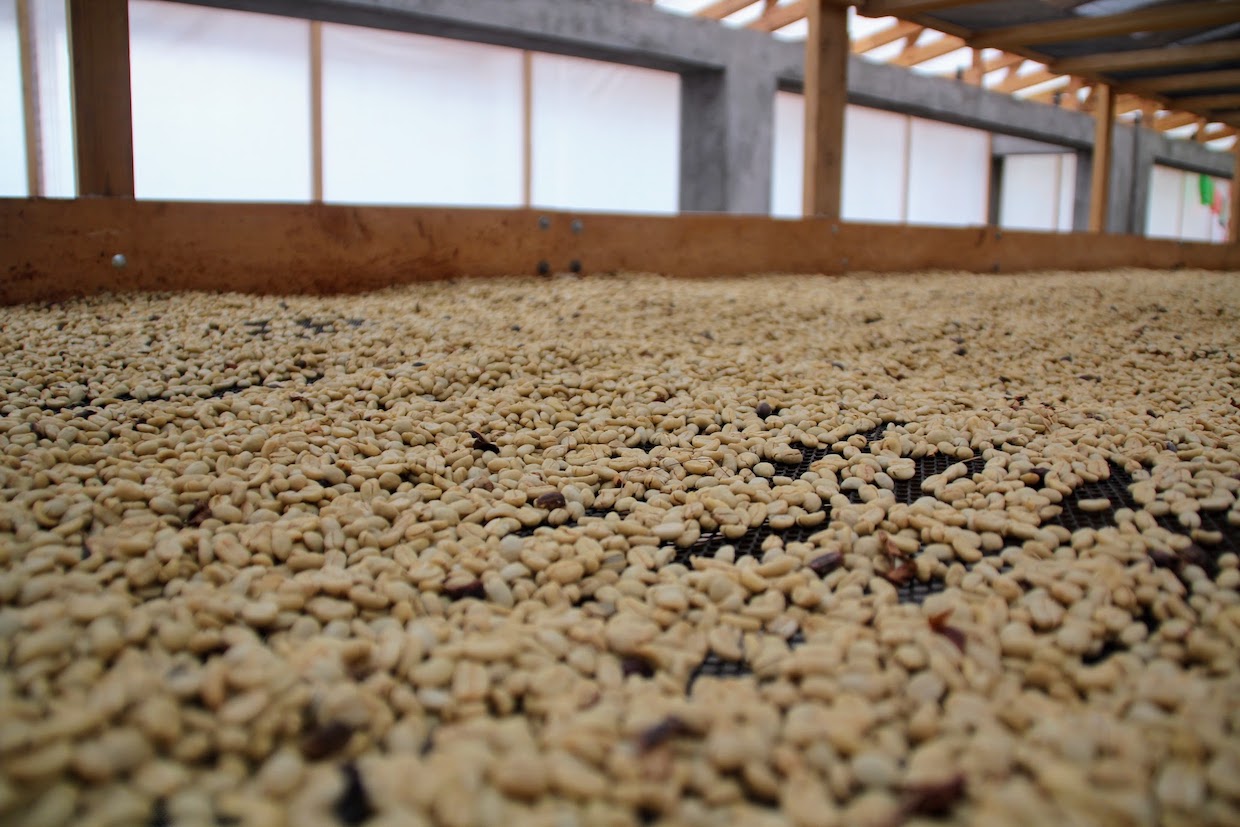
As concepts such as "regenerative" and "biodynamic" continue to enter the mainstream coffee lexicon, scientists continue to literally dig into the soil to give them meaning. A recent peer-reviewed study from India's Western Ghats argues that one of the clearest signals of healthy, sustainable coffee farms lies in the ground itself, with organic coffee soils performing better than soils from conventional farms treated with synthetic inputs.
Future Farm is a modular vertical farming system designed by Qing Duan for integration within urban architecture, proposing a model where buildings function as hydro-ecological systems. Rainwater is collected, filtered, and redistributed to support plant growth and domestic needs, establishing a closed-loop water cycle that combines sustainable agriculture with everyday city life. The project incorporates public greenhouse spaces, shared kitchens, rooftop farms, and educational zones to enable collective care, learning, and interaction with urban farming processes.