#economic-analysis
#economic-analysis
[ follow ]
#inflation #labor-market #job-growth #economic-indicators #economy #consumer-spending #unemployment-rate


Retirement
fromLondon Business News | Londonlovesbusiness.com
21 hours agoEvery time you borrow from a bank, you're paying more than you think - London Business News | Londonlovesbusiness.com
Opportunity cost in loans includes lost potential earnings from repayment dollars, not just the interest rate paid.
World politics
fromFortune
1 day agoPaul Krugman smacks down Trump speech with argument that $4 gas is 'less than half' of the Hormuz hit. Here's what he's talking about | Fortune
President Trump emphasizes U.S. strength in Iran while downplaying reliance on the Strait of Hormuz, despite its critical role in global trade.
Artificial intelligence
fromFortune
2 days ago'Inflationary surge': Fed economists warn AI hype is overheating the economy whether or not the technology ever delivers | Fortune
AI optimism may hinder productivity and contribute to short-term inflation as households and businesses react to perceived future gains.

World news
fromLondon Business News | Londonlovesbusiness.com
2 days agoDollar extends pullback amid softer labour signals and easing risks - London Business News | Londonlovesbusiness.com
The dollar weakened due to softening monetary policy expectations and reduced demand as a safe-haven asset amid easing Middle East tensions.


#gbpusd
UK news
fromLondon Business News | Londonlovesbusiness.com
3 days agoCautious recovery for the British pound after consecutive losses near $1.31 - London Business News | Londonlovesbusiness.com
Geopolitical risks now dominate GBP/USD movements, overshadowing traditional economic factors and creating volatility in the currency pair.
World politics
fromwww.theguardian.com
2 days agoA third inflationary shock in less than a decade is coming: who will pay the price this time around? | Aditya Chakrabortty
Daniel Yergin highlights the vulnerability of global oil supplies through the Strait of Hormuz and the consequences of military actions against Iran.
fromFortune
3 days agoA Wall Street vet's Walmart recession indicator just hit its highest point since 2008-and he says the fear 'just keeps multiplying' | Fortune
'Walmart Worries' just keep multiplying. It's currently close to the highest level ever recorded which was during the Great Financial Crisis of 2008-09.
Business
London startup
fromLondon Business News | Londonlovesbusiness.com
4 days agoSME confidence edges up despite cautious economic outlook - London Business News | Londonlovesbusiness.com
SMEs in the UK and Ireland show renewed optimism despite economic uncertainty, with expectations for sales growth and workforce expansion.
Europe news
fromLondon Business News | Londonlovesbusiness.com
4 days agoUK government stands aside as others globally cut fuel taxes - London Business News | Londonlovesbusiness.com
The UK government has not reduced fuel duty despite rising oil prices, unlike other countries that have implemented tax cuts to alleviate costs for consumers.
fromLondon Business News | Londonlovesbusiness.com
3 days agoUS dollar stable near recent highs - London Business News | Londonlovesbusiness.com
Escalating geopolitical risk continued to dominate global markets' concerns, with safe-haven demand keeping the dollar index anchored near a multi-week high.
World politics
fromAxios
2 days agoThe American consumer stands firm
"Jobs may be a bit modest when we look out over the last couple of years, but pay is telling a different story - that there is still a little bit of tightness in this labor market," ADP chief economist Nela Richardson told reporters Wednesday morning.
Business
World politics
fromLondon Business News | Londonlovesbusiness.com
5 days agoUS dollar stable after successive gains - London Business News | Londonlovesbusiness.com
Escalating Middle East tensions are influencing market sentiment, keeping the dollar stable and impacting US Treasury yields amid inflation concerns.
fromFortune
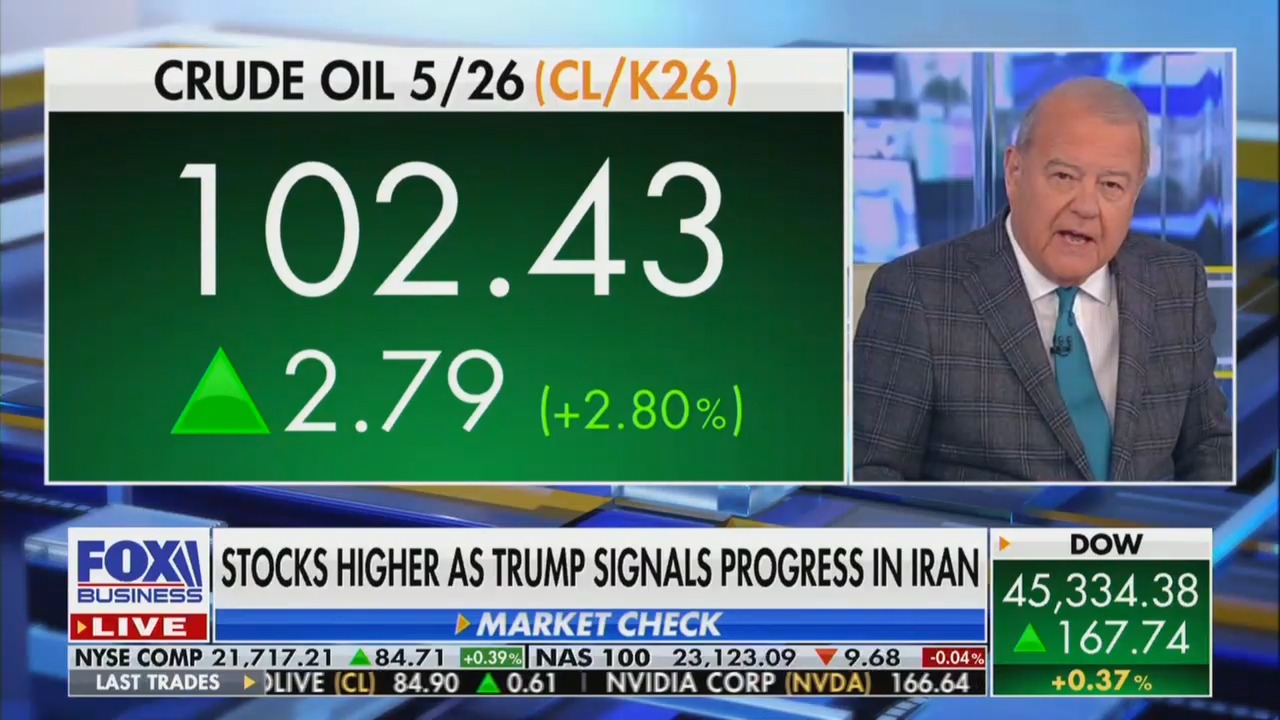
4 days agoBond yields are falling even as oil tops $102, showing that Wall Street fears recession more than inflation | Fortune
"Oil prices are higher again this morning, but Treasury yields are lower as the risks to economic growth begin to take precedence over the risks to inflation," Oxford Economics said in a note on Monday.
World news
fromLondon Business News | Londonlovesbusiness.com
1 day agoUS dollar rose amid a rebound in geopolitical concerns - London Business News | Londonlovesbusiness.com
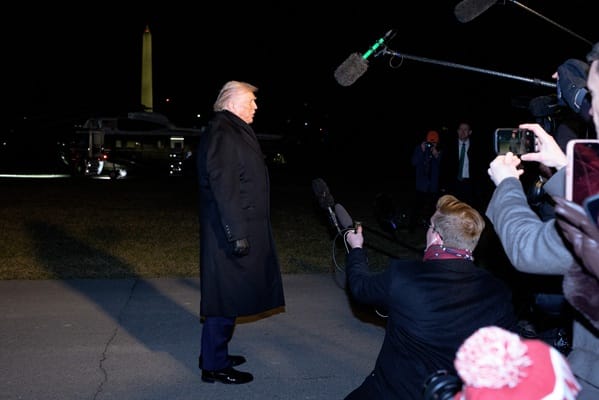
The US dollar returned to the upside as geopolitical fears rebounded after US President Trump's address to the nation. The rhetoric fuelled risk aversion and flows toward the dollar while oil prices surged.
US Elections
fromLondon Business News | Londonlovesbusiness.com
1 week agoEconomist warns 'UK's disinflation story is set for another twist' - London Business News | Londonlovesbusiness.com
Sanjay Raja, the chief UK economist at Deutsche Bank, stated, 'The UK's disinflation story is set for another twist. The good news is that the CPI is expected to fall in the coming months. The bad news? Higher energy prices appear likely to significantly raise the CPI during the summer, creating yet another spike in the inflation trajectory.'
UK news
from24/7 Wall St.
3 days agoWall Street Back on the Burger Train
Senatore cited menu innovation and featured value as contributing to more stable same-store traffic. On the cost side, supply-chain savings are offsetting inflation, allowing BofA to raise its FY26 adjusted EBITDA estimate to $288M from $279M.
Business
UK politics
fromLondon Business News | Londonlovesbusiness.com
1 month agoThere is 'little sign that the government's economic plan is working' - London Business News | Londonlovesbusiness.com
The government's economic plan shows deteriorating growth forecasts and rising unemployment, with energy price surges threatening interest rates and fiscal targets despite marginal improvements in fiscal headroom.
fromLondon Business News | Londonlovesbusiness.com
4 days agoGlobal markets react to geopolitical tensions and rising energy costs - London Business News | Londonlovesbusiness.com
U.S. financial markets experienced a volatile week, largely influenced by geopolitical developments in the Middle East and fluctuations in energy prices. Investor sentiment was driven primarily by external events rather than domestic fundamentals.
Business
fromLondon Business News | Londonlovesbusiness.com
2 weeks agoThe significant events in the global economy over the past week - London Business News | Londonlovesbusiness.com
Weak performance in several service sectors offset gains in retail and wholesale trade, reinforcing concerns about the pace of economic recovery. Japan relies heavily on oil imports from the Middle East, making it particularly sensitive to disruptions in the region.
UK news
Retirement
from24/7 Wall St.
3 weeks agoWhat Happens to Dividend Income When the Next Recession Hits
Dividends historically decline far less than stock prices during recessions, with most downturns showing only 4% average dividend declines versus 32% stock price drops, making dividend income more stable than commonly feared.
#recession-risk
Business
fromFortune
3 weeks agoGoldman just raised recession odds to 25%. Here's what Trump's war economy is doing to jobs | Fortune
Goldman Sachs raised U.S. recession probability to 25% due to weak February jobs data and rising oil prices from Middle East tensions, signaling economic deterioration amid tariffs and military engagement.
US Elections
fromenglish.elpais.com
3 weeks agoUS economy grew at half the expected rate in the final quarter of 2025 due to tariffs and government shutdown
U.S. GDP growth slowed to 2.1% annually in 2025, down from 2.8% in 2024, due to tariffs, government shutdown, and reduced exports and consumer spending.
US news
fromLondon Business News | Londonlovesbusiness.com
1 month agoThe Significant Events in the Global Economy Explained - London Business News | Londonlovesbusiness.com
Supreme Court tariff reversal lifted investor sentiment and stocks, while Fed division on rates, rising inflation, and slowing GDP kept markets cautious.
Business
fromFortune
2 weeks agoA 'debt spiral,' before a fiscal crisis: interest on the national debt will be growing faster than GDP in just 5 years, think tank warns | Fortune
By 2031, U.S. federal debt interest rates will exceed economic growth rates, triggering a self-reinforcing debt spiral where deficits cause debt to grow indefinitely.
Business
fromLondon Business News | Londonlovesbusiness.com
1 month agoThe significant events in the global economy over the past week - London Business News | Londonlovesbusiness.com
U.S. equity markets declined amid AI disruption concerns and trade uncertainty, while European markets gained strength with solid earnings and diversification appeal.


fromAxios
1 month agoThe Goldilocks economy, if you don't look too close
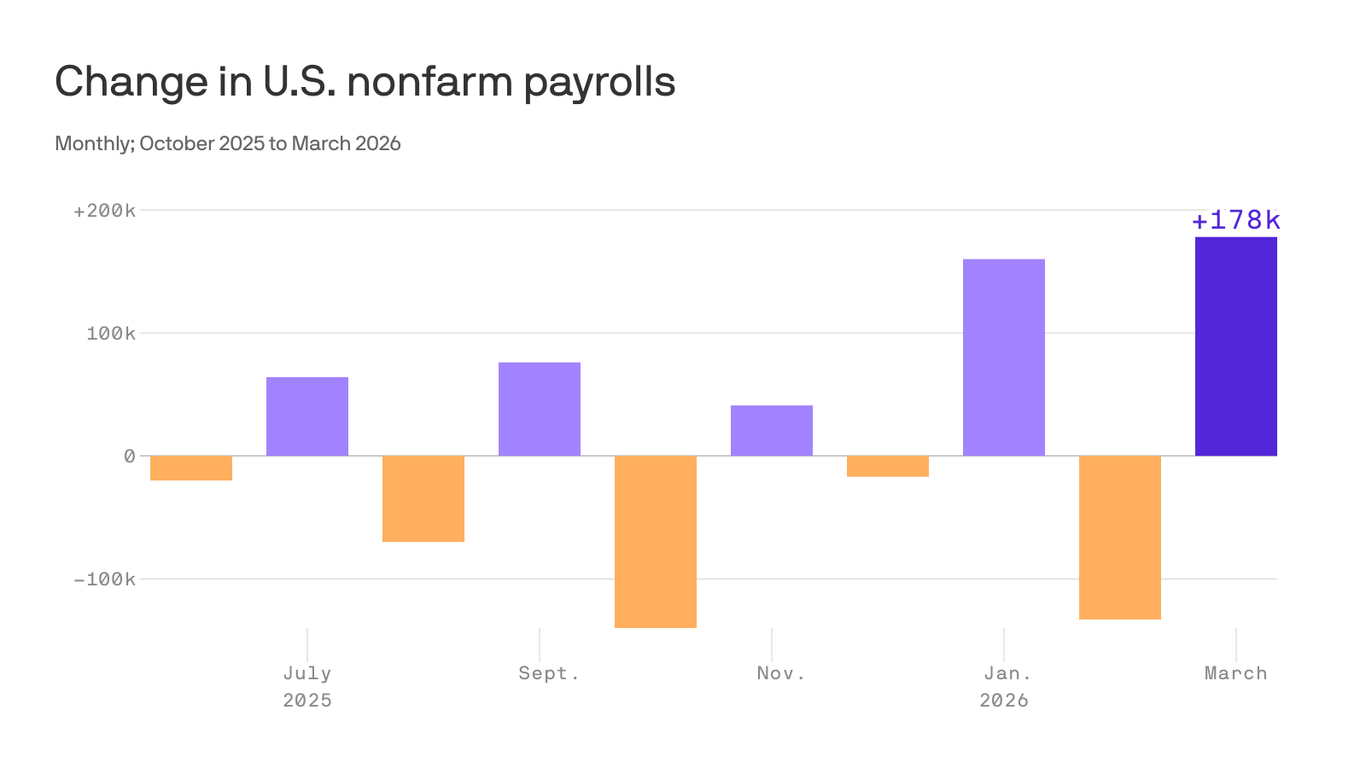
Employers added a healthy 130,000 jobs in January, the Labor Department said this week, as the unemployment rate edged down to 4.3%. The caveat? That announcement came with revisions that showed job creation flatlined over the last year, with only 15,000 jobs being added per month on average. Service sectors like finance and professional services that normally power the creation of high-paying office positions have instead been shedding jobs, perhaps reflecting employers' anticipation of AI-related cost savings.
US news
[ Load more ]