#economic-deregulation
#economic-deregulation
[ follow ]
#tariffs #supreme-court #inflation #donald-trump #trade-policy #economic-policy #ieepa #federal-reserve #adam-smith
#adam-smith

Philosophy
fromwww.theguardian.com
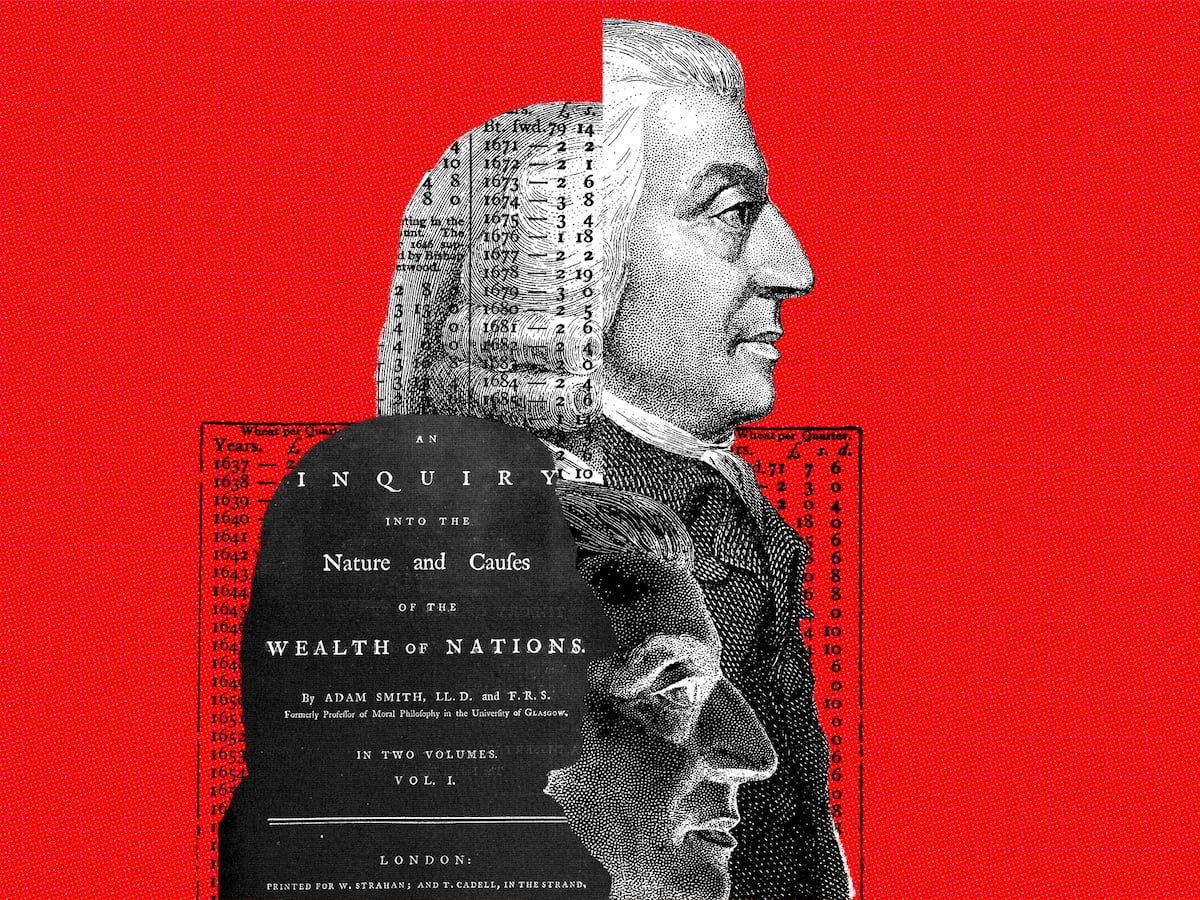
3 weeks agoThe Guardian view on Adam Smith: he deserves rescuing from the free-market myth | Editorial
Adam Smith's economic philosophy has been oversimplified by free-market advocates who misrepresent his nuanced views on self-interest, morality, and the role of institutions in generating wealth.
US politics
fromCommon Dreams
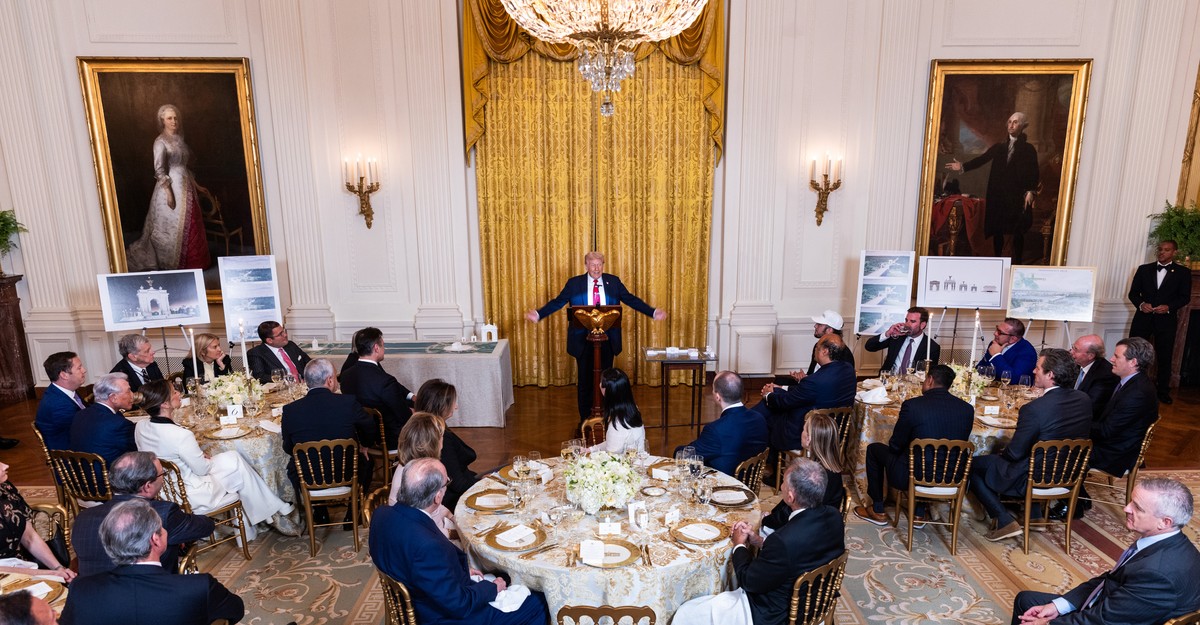
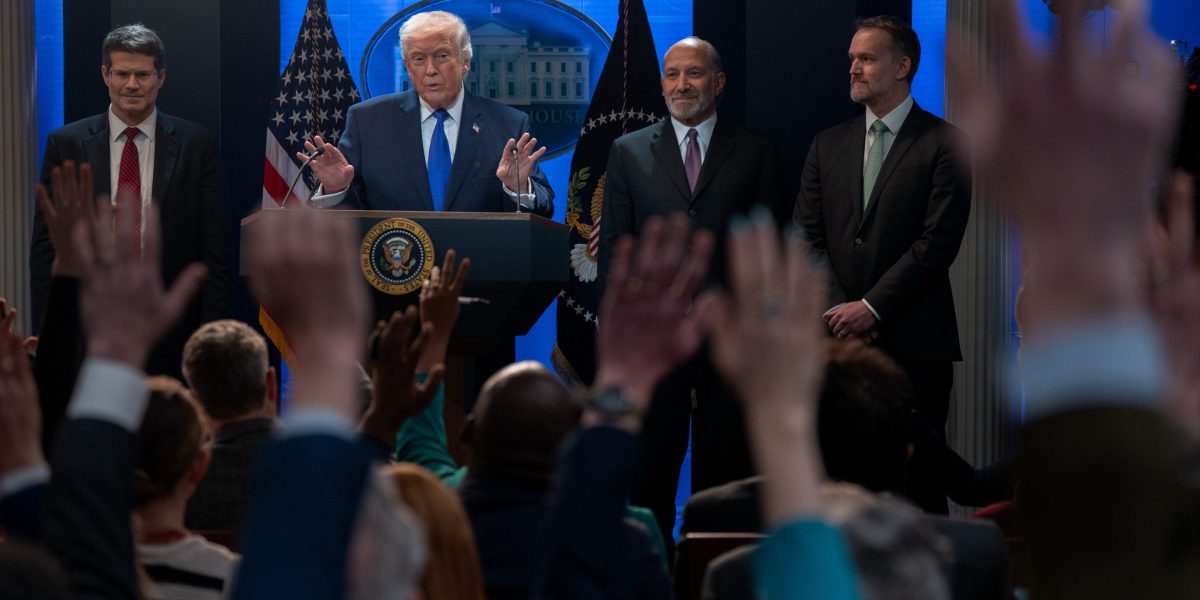
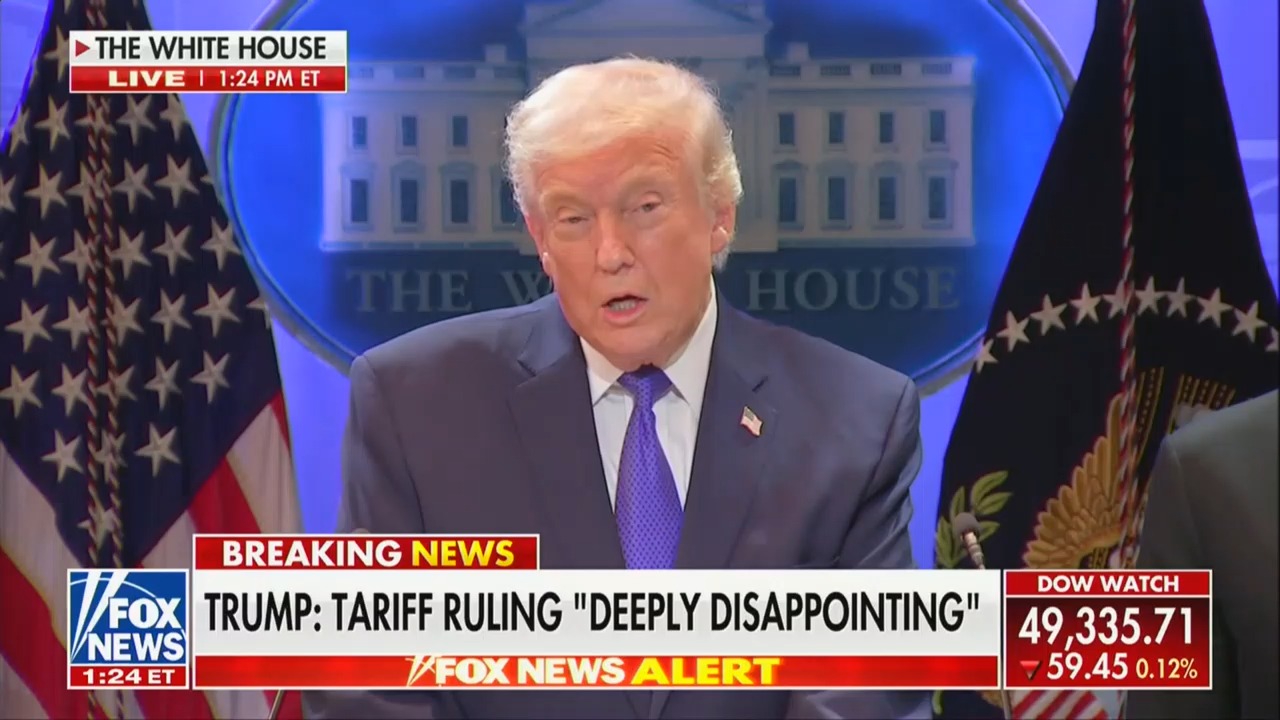
1 day agoAs Trump Pushes 'Polluters First Agenda,' 2027 Budget Blasted as 'Bloody New Deal' | Common Dreams
Trump's 2027 budget request prioritizes military spending while cutting social and scientific programs, raising concerns about accountability and environmental impact.

Right-wing politics
fromFortune
2 weeks agoEconomists agree: You're not crazy for feeling like the rich get richer, and the poor are doing worse. Welcome to the 'K-shaped economy' | Fortune
The K recovery illustrates a growing economic divide where the wealthy prosper while the poor struggle, echoing historical patterns of inequality.
World news
fromThe Atlantic
2 weeks agoTrump Is Kicking the Economy While It's Down
Major downward revisions to economic data reveal approximately one million fewer jobs than previously reported, coupled with weak growth, elevated inflation, and potential oil supply disruptions from Middle East tensions that could trigger recession.
Intellectual property law
fromIPWatchdog.com | Patents & Intellectual Property Law
9 years agoConservative Ideology Will Rebuild the Patent System
Conservative political forces are positioning to reform the patent system by challenging the constitutionality of the America Invents Act and eliminating Chevron deference to reduce administrative agency power.
#tariff-refunds
Intellectual property law
fromFortune
1 month agoFinance leaders divided on using potential tariff refunds-just 18% would fully roll back price hikes | Fortune
Corporate executives remain divided on tariff refund strategies and are reluctant to reduce prices despite potential cost relief from Supreme Court rulings.
fromFast Company
1 month agoSmart businesses don't adapt to crony capitalism
Defense Secretary Pete Hegseth took the unprecedented step of designating a U.S. firm-Anthropic-as a supply chain risk. Anthropic's crime? It refused to violate industry-wide protocols against using AI for mass surveillance or autonomous weapons. Hegseth's designation, which has until now been reserved for foreign firms, bars U.S. military contractors from doing business with the company.
US politics
World news
fromenglish.elpais.com
1 month agoCuba opens up to publicprivate enterprises for the first time in nearly 70 years
Cuba's government is allowing public-private partnerships for the first time in nearly 70 years, permitting joint state and nonstate enterprises to set prices, wages, and determine goods and services offered.
US politics
fromFortune
1 month ago'90s nostalgia seizes the Fed and White House as Warsh and Trump see AI as an internet-style productivity boom | Fortune
Trump administration believes AI can replicate 1990s economic growth by appointing a Fed chair willing to cut interest rates aggressively, though economists question this strategy and the historical narrative underlying it.
UK politics
fromLondon Business News | Londonlovesbusiness.com
1 month agoStreeting blasts 'no growth strategy' - London Business News | Londonlovesbusiness.com
Keir Starmer refuses to resign amid fallout from Wes Streeting's messages with Peter Mandelson and mounting internal criticism over Labour's strategy.
fromDefector
2 months agoIt's Nice To Have A Process, But It's Better To Have Money | Defector
This is not an argument against continuing to line things up just so, of course. It just means that the very orderly person will over time become a very familiar face to the people at The Container Store, to the point where they might remark to each other during their breaks about having seen him, again, purchasing more of those stackable, breakable containers that he's always getting.
New York Mets
fromFast Company
1 month ago5 lessons for building up an industry, not just a company
But if you're innovating within your industry, it's a problem you should expect and prepare for because it means having to operate in two realities-the internal reality where you know the challenges in your industry and how you're going to solve them, and the external reality where nobody else has recognized the problem that needs to be solved. In a highly regulated industry like healthcare, safety, and stability create an inertia that often works against innovation.
Startup companies

fromTruthout
1 month agoTrump's Economy Is Hurting Americans - and Setting Us Up for Long-Term Collapse
Typical of Trump, he is boasting about the performance of the U.S. economy in the most hyperbolic terms. He even declared that his economy is 'the greatest ever in history' in a recent interview on Fox Business Network. He points to the stock market and allegedly low inflation to back his claim.
US politics
UK politics
fromwww.theguardian.com
2 months agoI'm picking winners': UK business secretary takes activist approach to economic growth
The UK government is actively investing in scale-up companies, taking direct equity stakes and 'picking winners' to accelerate growth, create jobs, and generate wealth.
fromFortune
1 month agoCEOs are still buying into the business case for sustainability, despite Trump's climate rollbacks | Fortune
Most CEOs believe climate change is real. They need to deal with it to stay profitable, create resilient operations, and remain relevant to their customers and employees. Texas leads the country in the production of both fossil fuels and renewable energy, in part because everyone knows the state's power grid needs all the help it can get.
Environment
US politics
fromFortune
1 month agoTrump brags that America is 'winning so much.' Without tariffs, "we could have seen more of the good news," IMF director says. | Fortune
The U.S. economy shows strong growth and resilience, but chronic budget deficits and tariff-based trade policies threaten its long-term fiscal health.
fromwww.theguardian.com
2 months agoIMF warns tariffs and geopolitical tensions threaten markets and global growth
The International Monetary Fund has warned mounting geopolitical tensions and an escalation of Donald Trump's tariff war could hit global economic growth and trigger a backlash in financial markets. In an update as Trump threatens to impose tariffs on Nato allies opposed to his ambitions in Greenland, the Washington-based fund said a renewed eruption in trade tensions was among the biggest risks to global growth in 2026.
World news
fromBusiness Insider
2 months agoTrump's attacks on business have one thing in common - and it's his biggest political weakness
Home is where the heart is, but not where the institutional investors are. At least, that's President Donald Trump's proposed plan. In a post on Truth Social, he said he's "immediately" taking steps to ban large institutional investors from buying single-family homes. "People live in homes, not corporations," Trump wrote. It was one of two attacks the president issued on the business world. The other targeted a group familiar with crosshairs: defense contractors.
US politics
fromFortune
2 months agoTrump's economy is the 'least conservative' in a lifetime, top economist warns. 'Our kids will feel it in a set of lost opportunities' | Fortune
"It's the least conservative government of my lifetime." Wolfers, who the IMF once named one of 25 young economists in the world "shaping the way we think about the global economy," said that Trump's undermining of federal institutions' independence and propensity to insert himself in private sector decisions is reorienting the economy away from a productive and predictable path. The result, Wolfers warned, could be a generation of missed opportunities and lost growth.
US politics
US politics
fromOpen Culture
2 months agoScott Galloway Explains How YOU Can Stop Government Overreach Using the Power of Your Purse
Coordinated consumer spending cuts and targeted boycotts of major tech and financial services can quickly move markets and pressure political leaders responding to market signals.
fromwww.theguardian.com
2 months agoThe IMF's banal language is sane-washing an economic crisis created by the egomaniacal Donald Trump
This week the IMF released an update to its World Economic Outlook, titled Global Economy: Steady amid Divergent Forces and, seriously, in what fricking world are they living? It was yet another example of international groups, governments and parts of the media sane-washing the utter crisis we all exist in because Donald Trump is an egomaniacal bully with the impulses of a spoiled toddler.
US politics
fromFast Company
1 month agoCBO predicts federal deficits and debt to worsen over next decade amid Trump's policies
The nonpartisan Congressional Budget Office's 10-year outlook projects worsening long-term federal deficits and rising debt, driven largely by increased spending, notably on Social Security, Medicare, and debt service payments. Compared with the CBO's analysis this time last year, the fiscal outlook has deteriorated modestly. Major developments over the last year are factored into the latest report, released Wednesday, including Republicans' tax and spending measure known as the " One Big Beautiful Bill Act,"
US politics
[ Load more ]