#economic-policy-institute
#economic-policy-institute
[ follow ]
#federal-reserve #inflation #labor-market #tariffs #regulation #economic-policy #fiscal-policy #interest-rates
UK politics
fromwww.theguardian.com
1 day agoTrussonomics still haunts parties' economic promises in run-up to UK local elections | Phillip Inman
Local and regional elections in the UK reveal extravagant spending promises from various parties, often funded by cuts or borrowing without clear economic consequences.
#ai
Artificial intelligence
fromFortune
4 days ago'Inflationary surge': Fed economists warn AI hype is overheating the economy whether or not the technology ever delivers | Fortune
AI optimism may hinder productivity and contribute to short-term inflation as households and businesses react to perceived future gains.
World politics
fromFortune
3 days agoPaul Krugman smacks down Trump speech with argument that $4 gas is 'less than half' of the Hormuz hit. Here's what he's talking about | Fortune
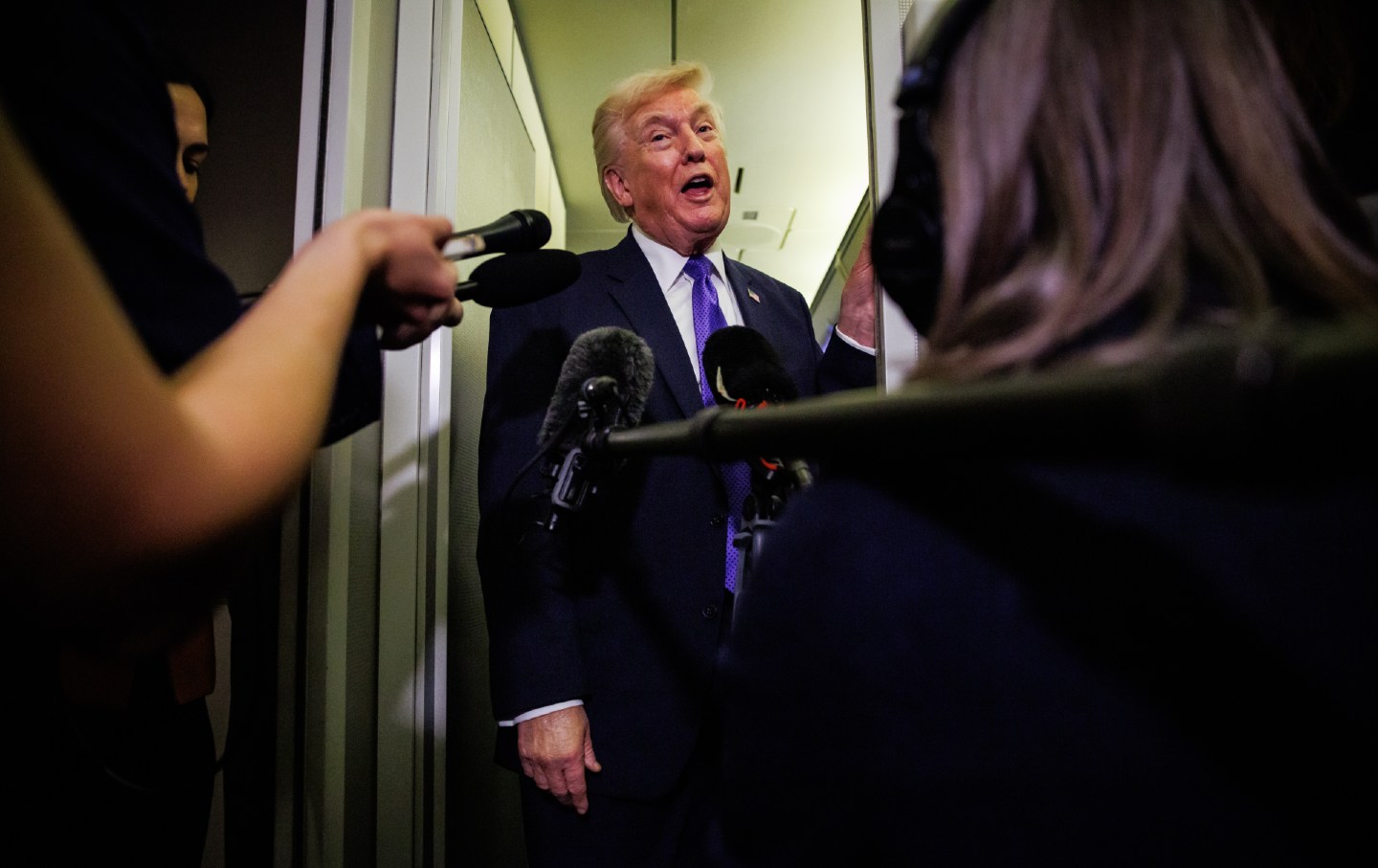
President Trump emphasizes U.S. strength in Iran while downplaying reliance on the Strait of Hormuz, despite its critical role in global trade.
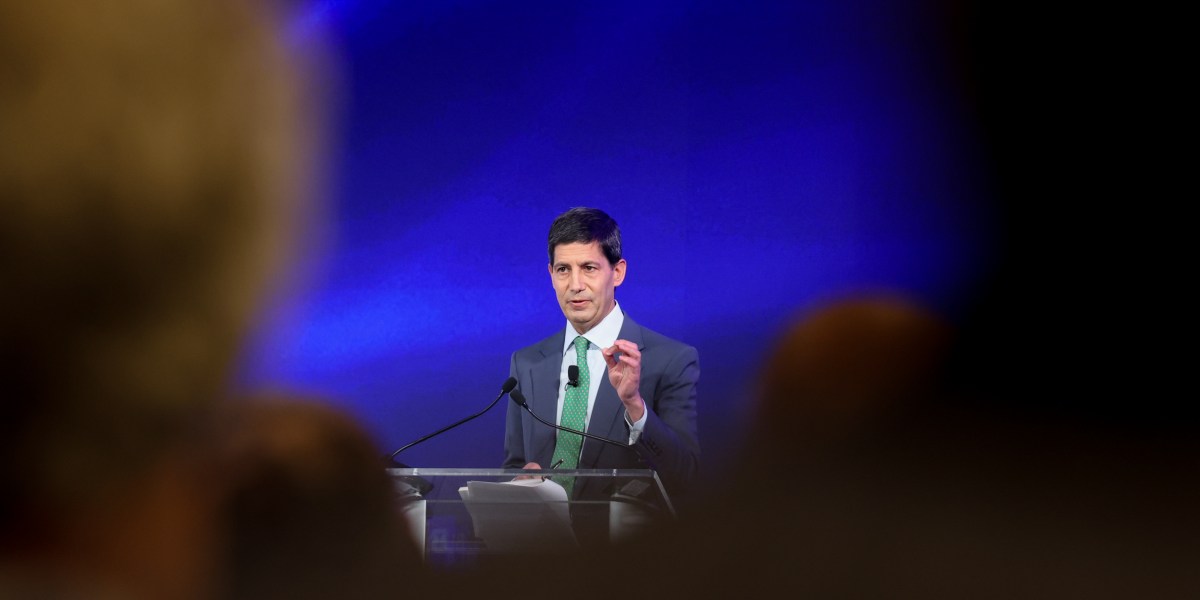

fromBitcoin Magazine
4 days agoU.S. Treasury Launches First GENIUS Act Rulemaking Proposal
The proposed rule establishes broad principles to guide the determination of whether state-level stablecoin regulatory regimes are 'substantially similar' to the federal framework, allowing smaller issuers to remain under state supervision.
Cryptocurrency
fromwww.mediaite.com
6 days agoBad News All Around!' Fox Business Host Stunned By Highly Inflationary' Prices in Total Bummer of an Economic Analysis
High energy prices are kryptonite for the housing market. Affordability, especially for those first-time home buyers, is now an elusive dream until oil prices come down and interest rates come down.
SF real estate
Europe news
fromLondon Business News | Londonlovesbusiness.com
6 days agoUK government stands aside as others globally cut fuel taxes - London Business News | Londonlovesbusiness.com
The UK government has not reduced fuel duty despite rising oil prices, unlike other countries that have implemented tax cuts to alleviate costs for consumers.
#tariffs

fromwww.mediaite.com
1 month agoUS politics
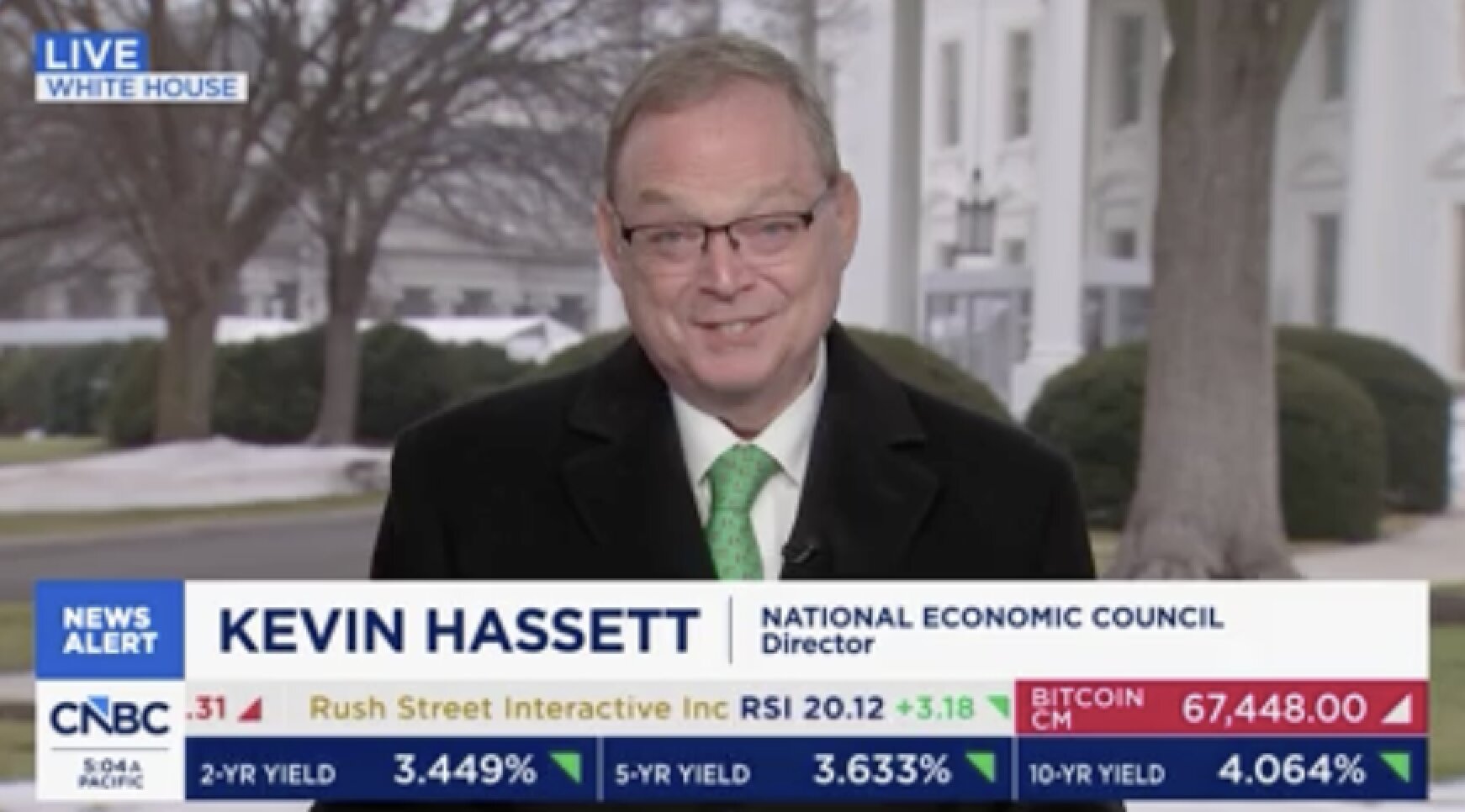
Trump Economic Advisor Asked If Trump Just Undercut' the Legal Basis For His Tariffs With Stunning Admission
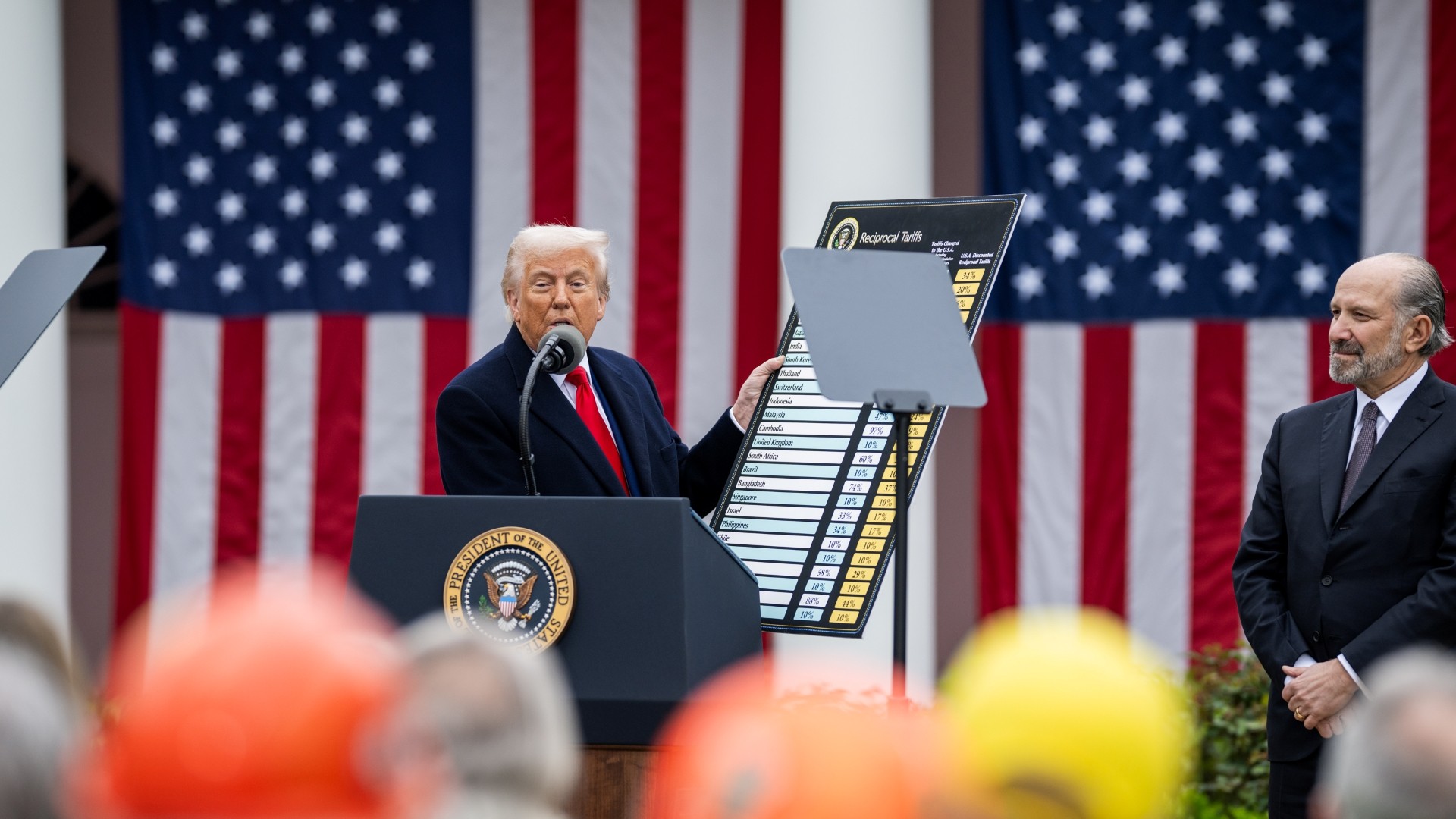
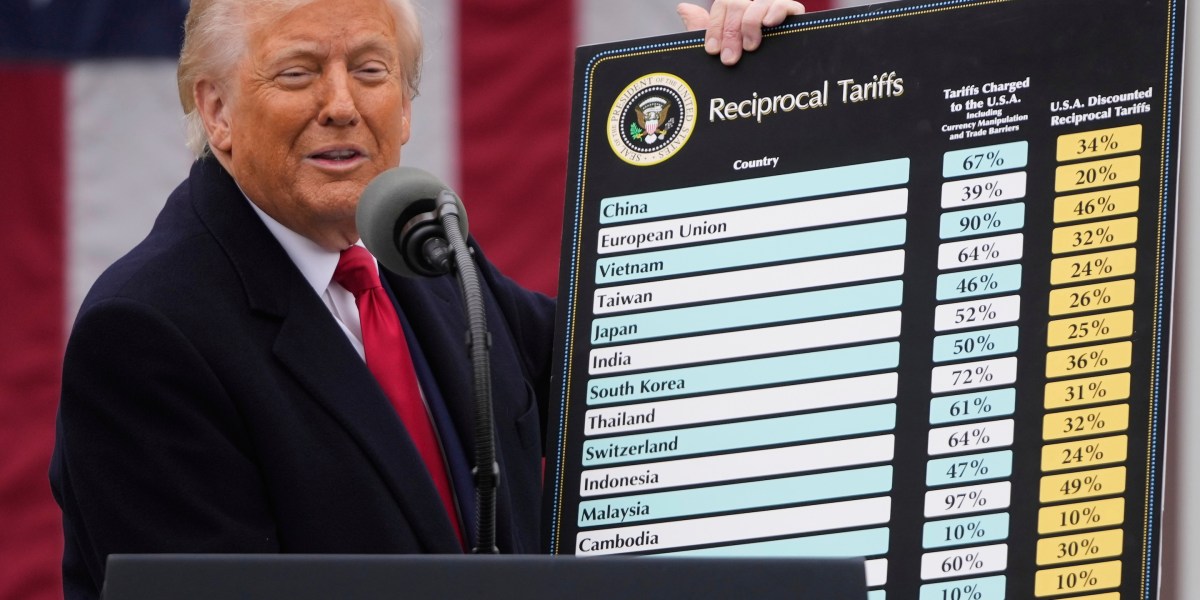
President Trump raised tariffs on Switzerland after disliking a leader's tone, invoking emergency powers that critics say lack a real national security crisis.
fromFortune
1 month agoUS politics
Trump boasts that tariffs are an American economic miracle. The real data tells a different story | Fortune
Tariffs had mixed effects: early import surges reduced GDP, while later import declines and strong consumer spending coincided with growth, so 'economic miracle' claims are overstated.

fromLondon Business News | Londonlovesbusiness.com
2 weeks agoFed cuts likely delayed to September or October - London Business News | Londonlovesbusiness.com
September, or more likely October, is now the realistic opportunity for a rate cut, and even that is far from guaranteed. The data coming through is not consistent with easing in July. In fact, it points in the opposite direction. Inflation is not falling fast enough. The latest wholesale inflation data shows prices rising at 3.4% year-on-year, the strongest pace in a year, and core measures are still running close to 4%.
Business
Washington DC
fromFast Company
2 weeks agoWashington state has no income tax. It just passed one for millionaires that could be a model for other states
Washington state will implement a 9.9% tax on income above $1 million starting January 1, 2028, potentially raising $4 billion annually for education and tax credits.
European startups
fromPortland Mercury
1 month agoLegislators Temporarily Cut Data Centers From Oregon Tax Break Bill
Oregon's budget subcommittee blocked new data center projects from tax break eligibility until summer 2027, preventing hundreds of millions in additional subsidies to already-profitable companies like Amazon, Meta, Apple, and Google.
Business
fromFortune
2 weeks agoA 'debt spiral,' before a fiscal crisis: interest on the national debt will be growing faster than GDP in just 5 years, think tank warns | Fortune
By 2031, U.S. federal debt interest rates will exceed economic growth rates, triggering a self-reinforcing debt spiral where deficits cause debt to grow indefinitely.
UK politics
fromLondon Business News | Londonlovesbusiness.com
1 month agoThere is 'little sign that the government's economic plan is working' - London Business News | Londonlovesbusiness.com
The government's economic plan shows deteriorating growth forecasts and rising unemployment, with energy price surges threatening interest rates and fiscal targets despite marginal improvements in fiscal headroom.
US Elections
fromAxios
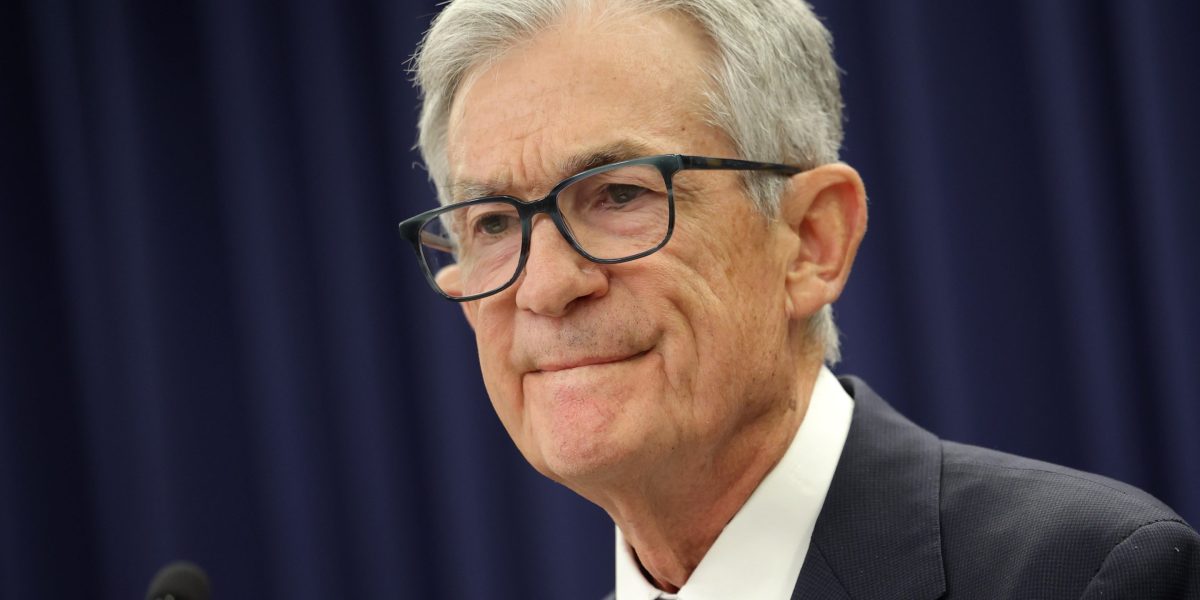
2 weeks agoFed keeps rates on hold, Powell says he will remain in place until successor confirmed
Powell commits to remaining at the Federal Reserve through a criminal investigation into his leadership, blocking his successor's confirmation and resisting Trump administration pressure to lower interest rates.
#national-debt
US politics
fromFortune
2 weeks ago$39 trillion national debt is 'an embarrassing milestone,' think tank says. 'Clearly headed in the wrong direction' | Fortune
U.S. gross national debt exceeded $39 trillion in less than six months after reaching $38 trillion, reflecting decades of fiscal irresponsibility from both political parties with no meaningful reform efforts underway.
Business
fromAxios
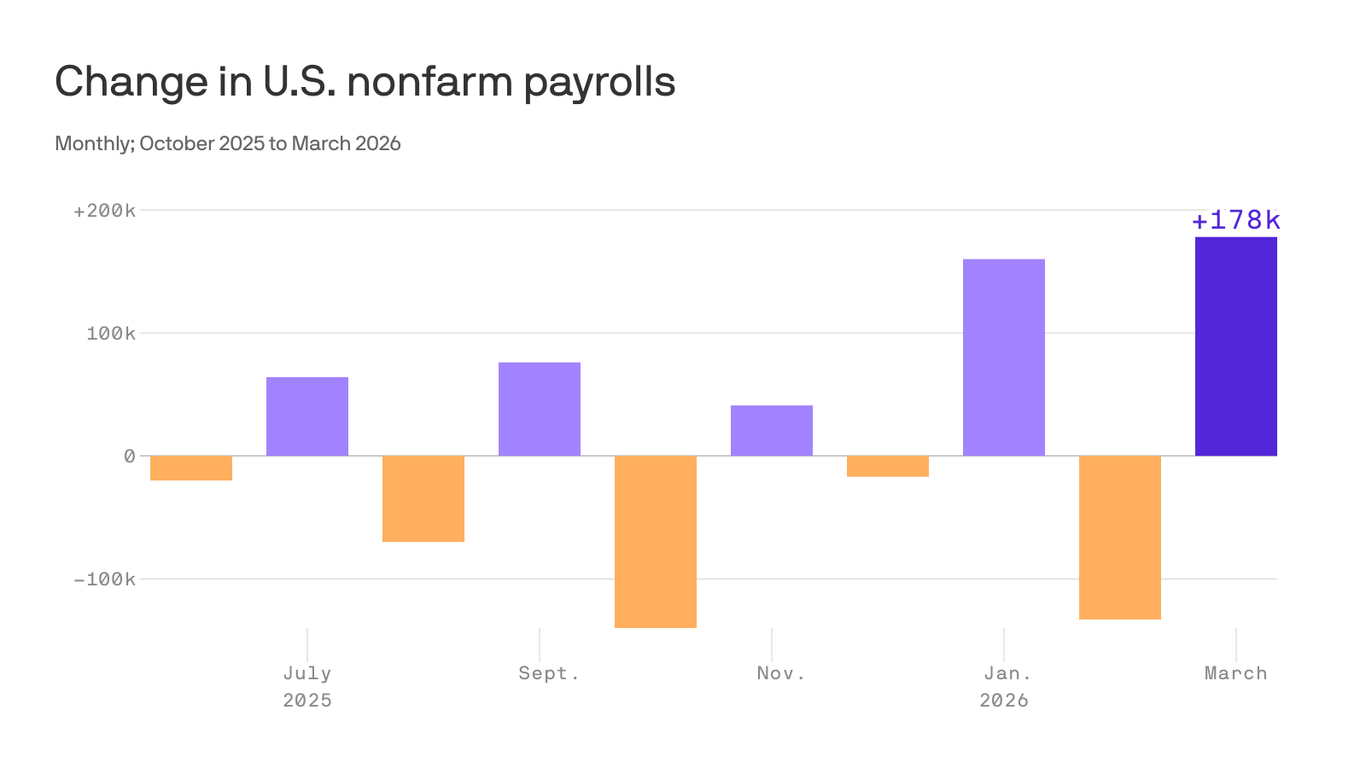
1 month agoThe labor market is finally stabilizing, data shows
Private sector job growth accelerated in February with 63,000 new jobs, but gains concentrated in education and health services, while wage growth inequality widened significantly between higher-income and lower-income workers.
Artificial intelligence
fromFortune
1 month agoThree Scenarios for the AI Economy: Fed Governor Outlines the Future of Work | Fortune
Artificial intelligence could produce a “jobless boom” by replacing many roles, requiring major workforce retraining and social-safety-net redesign to share economic gains.
fromFortune
3 weeks agoAmerica's never had such high national debt heading into an economic shock. We need a 'break glass' plan, think tank warns | Fortune
The country is almost certain to enter the next shock more indebted than we have ever been before, which may significantly hamper our ability to marshal an appropriate response. The U.S. has never experienced an economic shock as indebted as we are today. This situation leaves the U.S. immensely vulnerable.
US politics
Music
fromWashingtonian - The website that Washington lives by.
1 month agoCongress Blows Up DC's Tax Season, the Kennedy Center Is in Chaos, and Frickin' Laser Beams Are in the News - Washingtonian
FAA closed El Paso airspace after CBP used a laser to shoot down a party balloon; U.S. officials misidentified it as a cartel-operated drone.
fromLondon Business News | Londonlovesbusiness.com
1 month agoBetterthanexpected US jobs data clouds path of interestrate cuts - London Business News | Londonlovesbusiness.com
Even though confidence is seeping out of the US economy, employers are taking a glass‑half‑full approach and have taken on more staff than expected. While there could be anomalies in this delayed data release, given the chaos of the partial government shutdown, it does indicate that the US economy is continuing to show resilience. This has helped propel the internationally focused FTSE 100 higher in afternoon trade, as prospects for the world's largest economy appear more upbeat.
US news
US politics
fromFortune
1 month agoTrump brags that America is 'winning so much.' Without tariffs, "we could have seen more of the good news," IMF director says. | Fortune
The U.S. economy shows strong growth and resilience, but chronic budget deficits and tariff-based trade policies threaten its long-term fiscal health.
fromAxios
1 month agoThe Goldilocks economy, if you don't look too close
Employers added a healthy 130,000 jobs in January, the Labor Department said this week, as the unemployment rate edged down to 4.3%. The caveat? That announcement came with revisions that showed job creation flatlined over the last year, with only 15,000 jobs being added per month on average. Service sectors like finance and professional services that normally power the creation of high-paying office positions have instead been shedding jobs, perhaps reflecting employers' anticipation of AI-related cost savings.
US news
fromwww.housingwire.com
1 month agoCEA analysis weighs CFPB's economic impact
The report argues that these figures exceed the CFPB's reported figure of $21 billion returned to consumers through enforcement actions. Through a combination of regulation, supervision and the persistent threat of enforcement, the CFPB has increased the cost of credit for both lenders and borrowers, the report states. Moreover, instances of regulatory overreach and actions that bypass the Administrative Procedure Act introduce additional costs and uncertainty into credit markets that can further push lenders to retreat or limit offerings.
US politics
fromFast Company
1 month agoCBO predicts federal deficits and debt to worsen over next decade amid Trump's policies
The nonpartisan Congressional Budget Office's 10-year outlook projects worsening long-term federal deficits and rising debt, driven largely by increased spending, notably on Social Security, Medicare, and debt service payments. Compared with the CBO's analysis this time last year, the fiscal outlook has deteriorated modestly. Major developments over the last year are factored into the latest report, released Wednesday, including Republicans' tax and spending measure known as the " One Big Beautiful Bill Act,"
US politics
fromFortune
2 months ago'I just don't have a good feeling about this': Top economist Claudia Sahm says the economy quietly shifted while policymakers wait for the wrong alarm | Fortune
Economist Claudia Sahm is an expert (if not the expert) on the conditions that presage a recession and how policymakers should react as a result. She is the creator of "the Sahm Rule," an employment indicator monitored by everyone from central banks to the global financial giants. The Sahm Rule says that a recession is likely when the three-month moving average of the national unemployment rate rises by 0.5 percentage points or more, relative to the minimum of the three-month averages from the previous year.
US politics
fromwww.theguardian.com
2 months agoThe Guardian view on Trump's assault on the Fed: it is part of an affordability blame game | Editorial
By launching a legal assault on the Fed, Mr Trump is trying to shift blame for borrowing costs. Yet despite controlling the presidency, Senate and the House, Republicans have passed little beyond a large tax-cutting bill that benefits the rich. They have not legislated on housing supply, childcare, healthcare costs or wages. Indeed most of their actions are worsening affordability, notably deferring action even though millions face a sharp rise in their health insurance bills.
US politics
US politics
fromFortune
2 months agoIs Powell's Fed head independence dead? It's just one more diversionary Trump trick | Fortune
President Trump is weaponizing federal prosecutions against perceived political opponents, exemplified by targeting Fed Chair Jay Powell with politically motivated charges over renovation costs.
fromFortune
2 months agoKevin Warsh will inherit a challenge no Fed chief has faced since post-World War II | Fortune
The newly-named Federal Reserve chairman faces an historic challenge that no predecessor has encountered since the years immediately following World War II. In that period, the gigantic spending required to aid our allies and secure military victory saddled the U.S. with towering debt. President Truman-fearing that huge interest costs would swamp the budget-heavily pressured the Fed to hold down rates. Today, the U.S. is wrestling with its biggest budget crisis in 70 years, and we're confronting a similar conundrum.
US politics
[ Load more ]