#editorial-selections
#editorial-selections
[ follow ]
#journalism #art #social-media #publishing #ai-in-journalism #public-relations #plagiarism #mental-health
Psychology
fromSilicon Canals
1 day agoPeople who grew up being told they were too sensitive didn't become less sensitive. They became editors. Every reaction now passes through a filter that decides whether the feeling is proportionate enough to be allowed out, and that filtering process is so automatic they genuinely believe they're calm when they're actually curating. - Silicon Canals
Sensitive children often suppress their emotions, leading to automated behaviors that mask true feelings.
fromwww.theguardian.com
1 day agoIt's official: scientists aren't funny. But it doesn't have to be this way | Helen Pilcher
The findings confirm research that I conducted more than 20 years ago. Under the guise of the Comedy Research Project, Timandra Harkness and I performed a randomised clinical trial to assess whether or not science can be funny.
Humor


fromEast Bay Express | Oakland, Berkeley & Alameda
5 days agoHistory is no joke ... or is it?
On this site birthed in 1963 lays lain layed lies the location original whereabouts around here of the Berkeley Copywriter's Guild, A place where word geeks were often found with their smug understanding of grammar and their tiny worn-down blue pencils marking up all the fun words for boring ones.
East Bay food

Privacy technologies
fromInside Higher Ed | Higher Education News, Events and Jobs
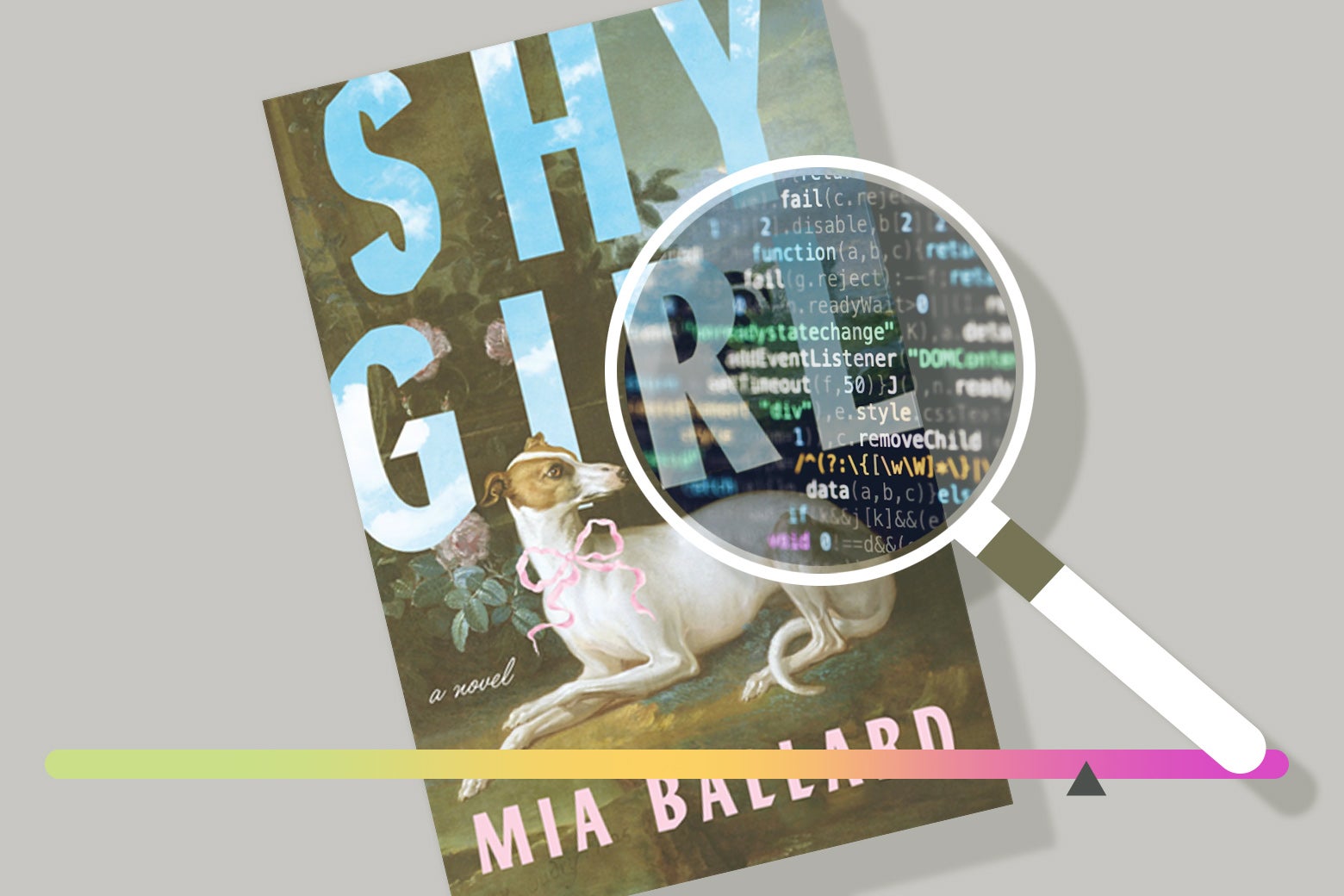
3 weeks agoNo, I Don't Want My Article Turned into a Podcast (opinion)
Academia.edu converts user papers into Spotify podcasts without explicit permission, raising concerns about AI use, attribution accuracy, and the platform's for-profit business model disguised as educational.
fromwww.theguardian.com
4 days agoEx-Alex Jones employee reflects on job at Infowars: It was nonsense. It was lies'
Owens described how Infowars aimed to create a cinematic experience, stating, 'We would go out there, we would shoot videos like we were in the weeds, we were showing what was really going on. But it was nonsense. It was lies.'
Media industry
Media industry
fromNonprofit Quarterly | Civic News. Empowering Nonprofits. Advancing Justice.
5 days agoPolitics in an Attention Economy | Nonprofit Quarterly | Civic News. Empowering Nonprofits. Advancing Justice.
Candidates must be cultural figures to succeed in today's American politics, navigating an attention economy shaped by algorithms.
fromPoynter
3 weeks agoWhat are your favorite nonfiction books by journalists? - Poynter
"Race Against Time: A Reporter Reopens the Unsolved Murder Cases of the Civil Rights Era" quickly became one of my favorite nonfiction books written by a journalist. I appreciated how he showed the grueling, day-to-day work local journalism requires, and how many layers of people fought him in revealing the despicable work of the Ku Klux Klan.
Books


fromblog.apaonline.org
2 months agoHow to Handle the Death of the Essay
If you don't know it, Ecclesiastes is a collection of Old Testament verses in which the eponymous title character discourses on the apparent meaninglessness of pleasure, accomplishment, wealth, politics, and life itself in the face of the infinitude of the universe and the absolute perfection of God. It is the source of many of our most cliched phrases, such as there is a time for everything and there is nothing new under the sun.
Philosophy
fromHyperallergic
1 month agoArt Movements: Another Artforum Editor-in-Chief Is Out
I take no pleasure in saying "I told you so." Really, I don't. But I was hardly shocked by this week's news that Tina Rivers Ryan, who was named editor-in-chief of Artforum in 2024 after the dumpster fire that was the magazine's handling of an open letter in support of Gaza, was stepping down (Daniel Wenger and Rachel Wetzler will step in as co-editors, scrapping the editor-in-chief title altogether).
Arts
fromPoynter
1 month agoWant to be a better editor? Start here. - Poynter
"Editing is as much about knowing and growing your team as it is about elevating their copy," said Kathleen McGrory, an editor with The New York Times Local Investigations Fellowship. "As an editor, a key part of your job is understanding what makes your reporters tick and helping them reach their goals beyond any one story. It requires open communication, deep trust and really listening."
Media industry
fromNieman Lab
1 month agoJournalism lost its culture of sharing. Here's how we rebuild it
If you've worked in a technical role in news for long enough, you likely remember when the "show your work" spirit was everywhere. Newsroom nerds shared code on GitHub, swapped tips on social media and unfurled long blogs guiding others on how to get things done. You might also have a vague sense that - like reaction GIFs, demotivational posters, and that guy who sang "Chocolate Rain" - you're seeing less of it these days.
Media industry
[ Load more ]