Mental health
fromPsychology Today
23 hours agoCognitive Impairment After Psychosis
Recovery from cognitive impairment is possible, and new opportunities can arise despite challenges.

Our eyes—which we usually think of as purely visual organs—spontaneously dance to the rhythm of what we hear, says study co-author Du Yi, a cognitive neuroscientist at the Chinese Academy of Sciences in Beijing. Using a high-speed eye-tracking system, Du and her team were stunned to discover nonmusicians instinctively blinking in sync with the beat structure of Bach chorales.
The condition is described as mental fatigue that can occur when people use AI tools to an extent that exceeds their cognitive capacity. Symptoms can include mental fog, difficulty concentrating, slower decision-making, and sometimes headaches.
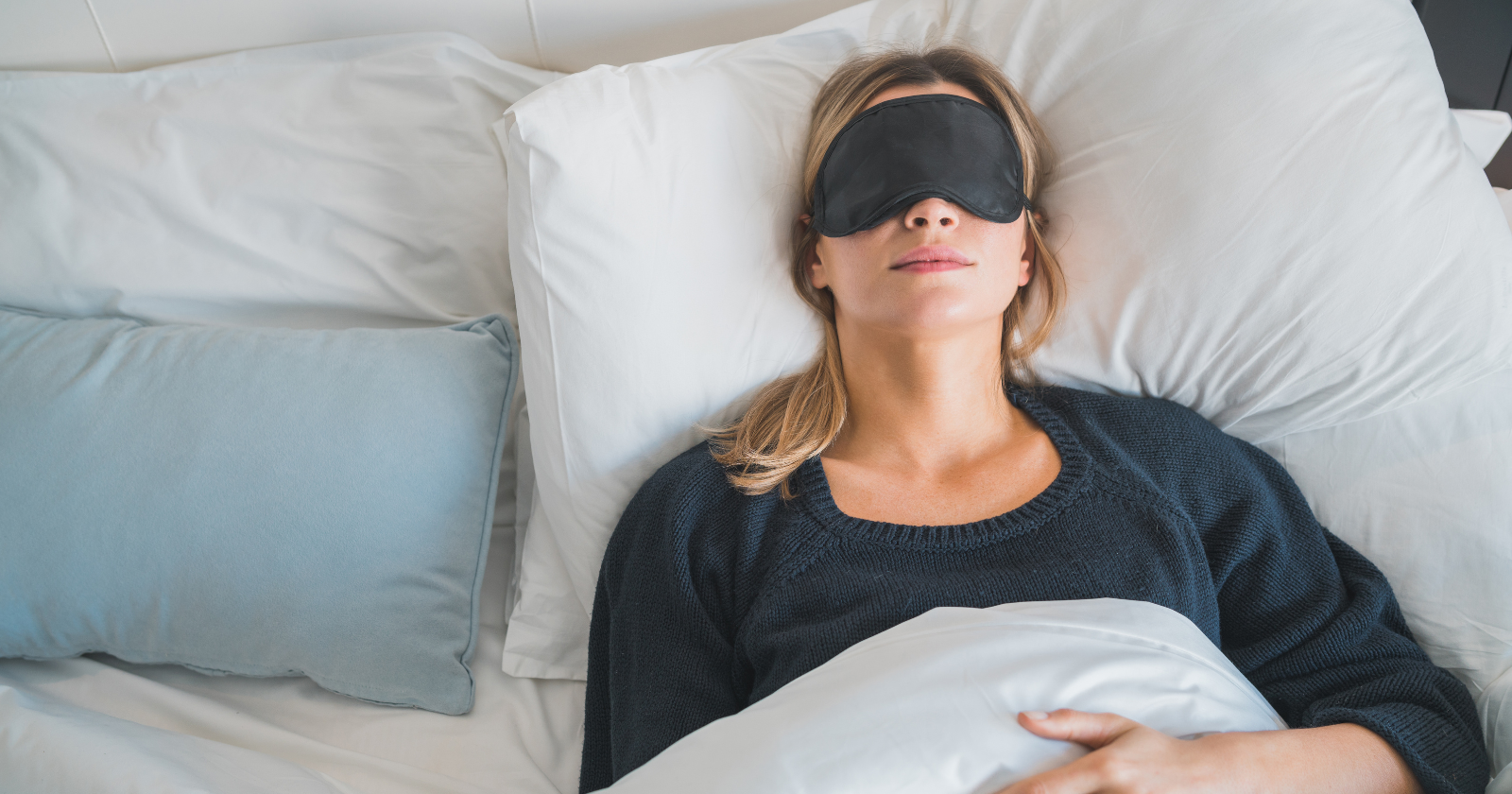
Sleep plays a central role in memory consolidation - the process by which newly acquired information is stabilized and integrated into long-term memory stores. Research from institutions including Harvard Medical School and the Max Planck Institute for Human Cognitive and Brain Sciences has shown that different stages of sleep contribute to different types of memory. Slow-wave sleep, or deep sleep, appears to be particularly important for declarative memory - the kind that stores facts and events.
According to University of Michigan neuroscientists, not only can their AI vision language model diagnose neurological disorders from MRI scans with high performance accuracy, but it also has foundation model capabilities, making it a flexible, general-purpose solution that can be tailored for a wide variety of medical imaging. "These results demonstrate that Prima has foundation model properties, and reported performance will continue to improve with additional health system training data and larger compute budgets," wrote the study's authors in the preprint.
We found that a simple, guideline-based exercise program can make the brain look measurably younger over just 12 months. Many people worry about how to protect their brain health as they age. Studies like this offer hopeful guidance grounded in everyday habits. These absolute changes were modest, but even a one-year shift in brain age could matter over the course of decades.
Rumination activates the default mode network (DMN) - the brain's self-referential processing system. This is the neural circuitry that fires when you're thinking about yourself in relation to others: your identity, your social standing, your mistakes. It's the brain asking, over and over, What does this say about me?
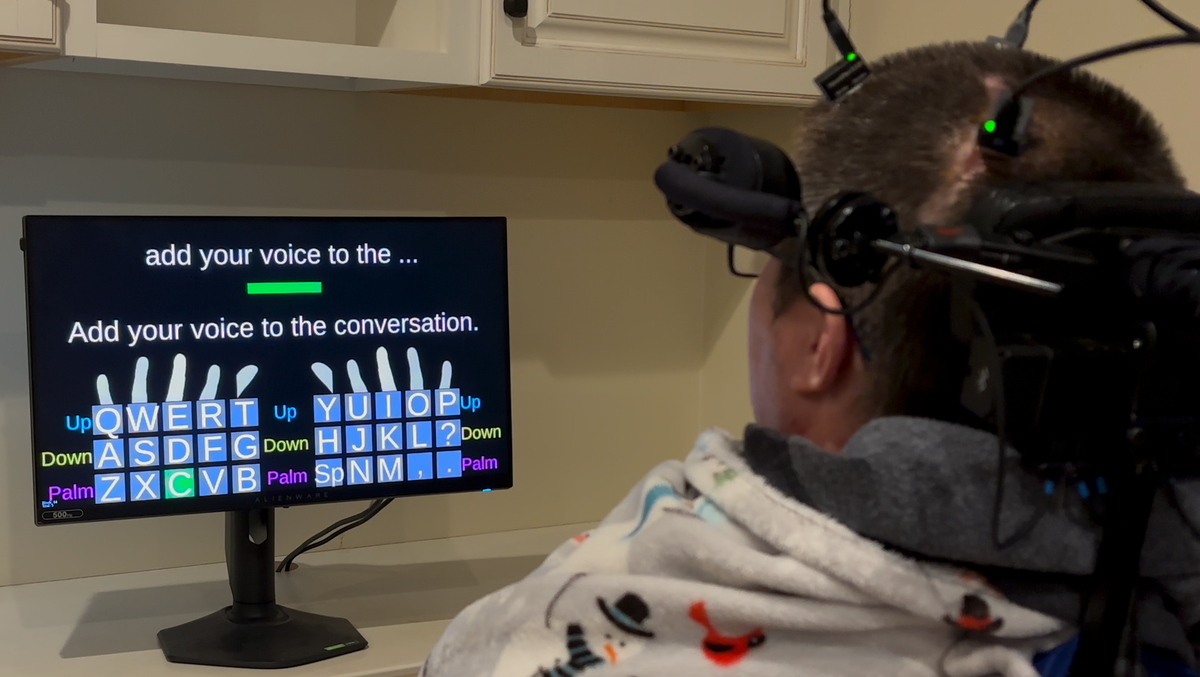
Artificial intelligence (AI) machine learning is making a difference in assistive technology to help restore movement for the paralyzed. A new study in the American Institute of Physics journal APL Bioengineering shows how AI has the potential to restore lower-limb functions in those with severe spinal cord injuries (SCIs) by identifying patterns in brain signals captured noninvasively via electroencephalography (EEG).
Neuroscientists have a name for the brain network that fires up when you're not focused on an external task: the default mode network, or DMN. It's the constellation of regions - the medial prefrontal cortex, posterior cingulate cortex, and angular gyrus among them - that hums to life when you daydream, reflect on yourself, or think about other people's mental states.
Summer passed Valerie Zeko by when she was 27, as she vegged out on the couch watching TV instead of seeing friends or exploring the overcast beach near her house. She later learned that period was her first episode of depression. I felt like the fog was in my head as well as outside, said Zeko, now 57, describing the mood disorder that would squelch her happiness, motivation and self-esteem for 28 years until she finally found effective treatment.
Neuroscientist Karen Konkoly is a lucid dreamer. When she's asleep and immersed in a dream, she knows that she is, in fact, dreaming. One of her favorite things to do during these sleep sojourns is pose personal, even existential questions - probing the mysterious terrain of her own subconscious mind. Asa researcher who studies the human mind, Konkoly has read many scientific papers positing different explanations for why humans dream - and she's made it her mission to rigorously test them.
They then used emerging mathematical methods to isolate signals originating from nine brain regions previously implicated in mediating consciousness and examined connections between pairs of these regions. Among them were the parietal cortex, which is at the top of the brain about halfway between the forehead and the back of the skull; the occipital cortex, at the back of the head; and several small, deeper structures, such as one called the thalamus.
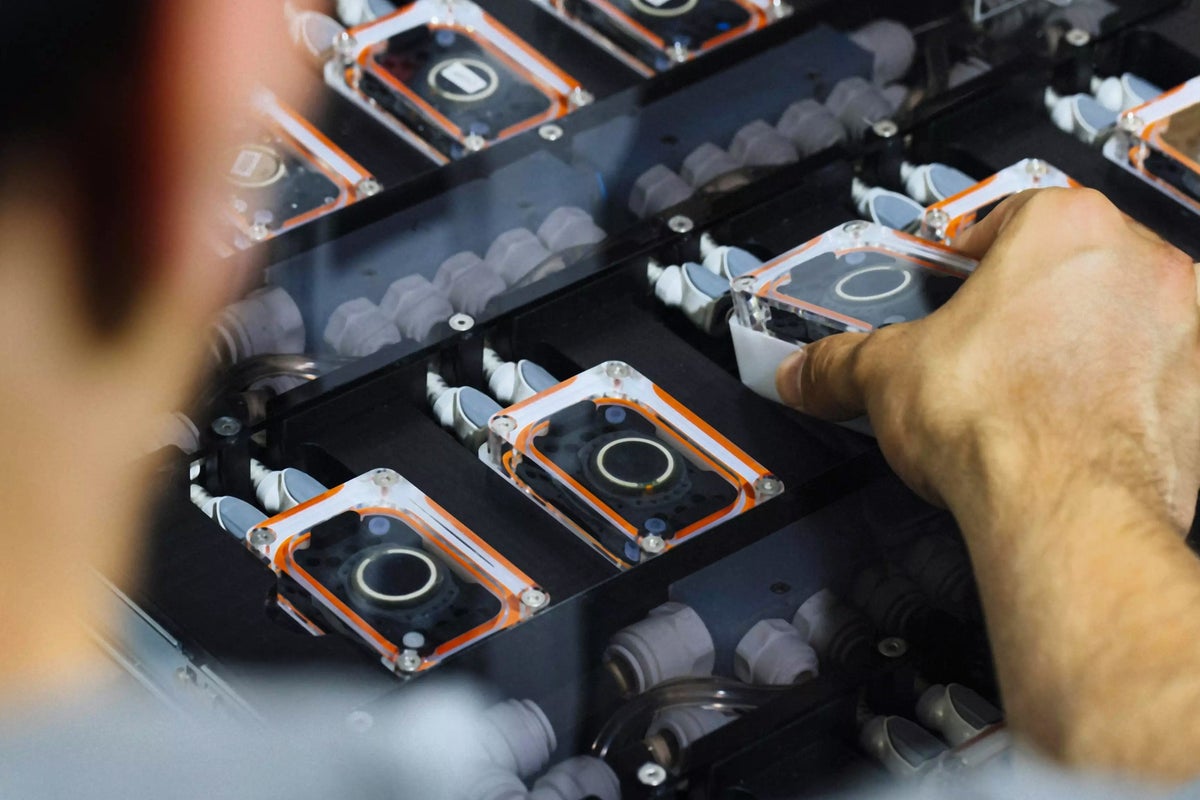
The team, which is being led by Jülich neurophysics professor Markus Diesmann, will leverage the Joint Undertaking Pioneer for Innovative and Transformative Exascale Research (JUPITER) supercomputer for their simulation. JUPITER is currently the fourth most powerful supercomputer in the world according to the TOP500 list, and features thousands of graphical processing units. The team demonstrated last month that a " spiking neural network " could be scaled up and run on JUPITER, effectively matching the cerebral cortex's 20 billion neurons and 100 trillion connections.
There was a group of neurons that predicted the wrong answer, yet they kept getting stronger as the model learned. So we went back to the original macaque data, and the same signal was there, hiding in plain sight. It wasn't a quirk of the model - the monkeys' brains were doing it too. Even as their performance improved, both the real and simulated brains maintained a reserve of neurons that continued to predict the incorrect answer.
I am a worrier, and have been for most of my life. At some point, someone dear and smart teased me that I worry about the wrong things. The things that hit me, she noted, were never the things I worried about. For a while that left me feeling like an incompetent worrier-until my research caught up. I realized that the things I worry about often don't end up hurting me precisely because worrying helps me diffuse them ahead of time.
It might come as a surprise to learn that the brain responds to training in much the same way as our muscles, even though most of us never think about it that way. Clear thinking, focus, creativity, and good judgment are built through challenge, when the brain is asked to stretch beyond routine rather than run on autopilot. That slight mental discomfort is often the sign that the brain is actually being trained, a lot like that good workout burn in your muscles.


.jpg)